Seeing your betta swim upside down can be scary, but it’s often a sign of a treatable problem. Learn the most common reasons, from swim‑bladder issues to water quality, and get step‑by‑step tips to correct it fast.
Key Takeaways
- Swim‑bladder disorder is the top cause: Poor diet, constipation, or injury can make a betta lose buoyancy.
- Water quality matters: Bad parameters stress the fish and can lead to upside‑down swimming.
- Check for injuries or infections: Physical damage or disease may affect balance.
- Simple home remedies work: Fasting, pea puree, and water changes often solve the issue.
- Monitor behavior closely: Early detection prevents long‑term damage or death.
- Seek professional help when needed: Persistent problems may need medication or a vet.
- Prevention is key: Proper feeding, tank setup, and regular maintenance keep your betta upright.
📑 Table of Contents
- Introduction: When Your Betta Turns the World Upside Down
- 1. Swim‑Bladder Disease: The Most Common Reason
- 2. Water Quality: Bad Environment, Bad Balance
- 3. Infections and Internal Parasites
- 4. Physical Injuries or Trauma
- 5. Stress From Improper Tank Setup
- 6. Nutritional Deficiencies
- 7. When to Call a Vet
- Conclusion: Turn That Upside‑Down Betta Right Side Up
Introduction: When Your Betta Turns the World Upside Down
Imagine walking up to your beautiful betta and seeing it glide on its back, belly up, or even spin slowly in the water. It feels like something is seriously wrong, right? You’re not alone. Many hobbyists ask, “why does my betta fish swim upside down?” The short answer is that something is affecting the fish’s balance, but the real answer depends on a handful of common culprits.
In this article we’ll break down every likely reason, show you how to spot the warning signs, and give you practical, low‑cost steps to get your swimmer right side up again. By the end you’ll feel confident handling the situation, and you’ll know how to prevent it from happening in the future.
1. Swim‑Bladder Disease: The Most Common Reason
What is the swim bladder?
The swim bladder is a small, gas‑filled organ that lets a betta control its buoyancy. When it works properly, the fish can hover at any depth with ease. If the bladder is damaged or filled with the wrong amount of gas, the fish will float erratically, often ending up upside down.
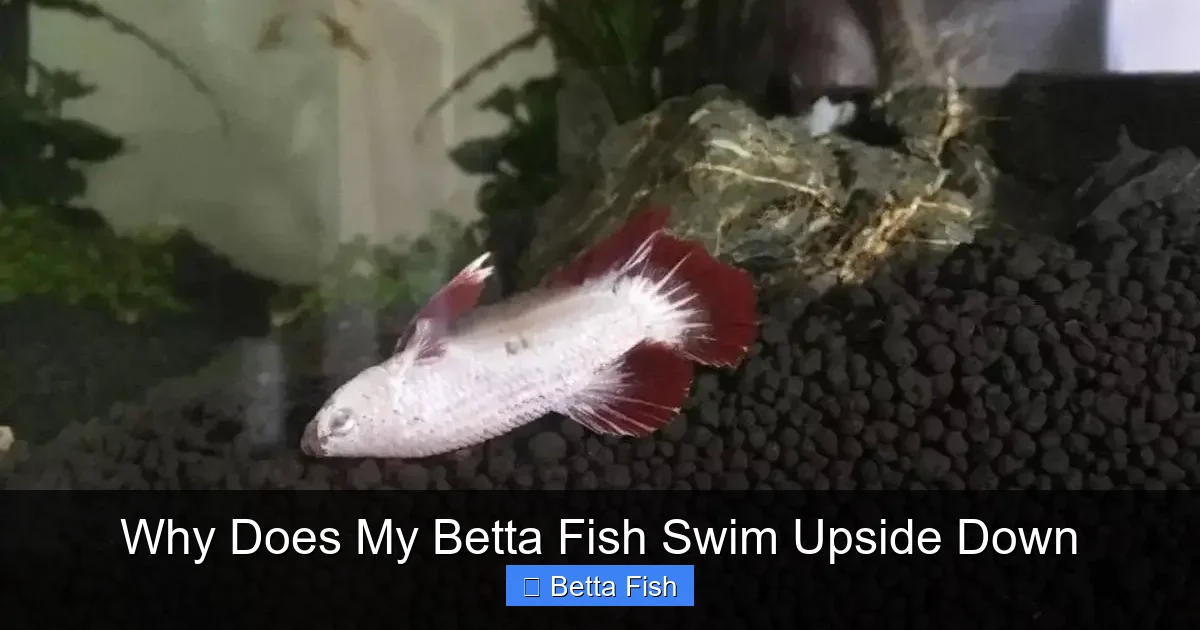
Visual guide about Why Does My Betta Fish Swim Upside Down
Image source: petfishonline.com
How does it happen?
- Overfeeding or poor diet: Too much protein or a lack of fiber can cause constipation, which pushes against the bladder.
- Ingestion of foreign objects: Tiny pieces of décor or uneaten food can become lodged in the digestive tract.
- Sudden temperature changes: Rapid shifts in water temperature affect gas expansion in the bladder.
- Genetic weakness: Some bettas are born with a weaker bladder wall.
Quick fix you can try today
Start with a 24‑hour fast. Then offer a peeled, cooked green pea (mashed) as a gentle laxative. Most owners see improvement within a day or two. If the problem persists, read our guide on how to cure my betta fish swim bladder disease for deeper treatment options.
2. Water Quality: Bad Environment, Bad Balance
Key parameters to watch
Betta fish are surprisingly sensitive to ammonia, nitrite, and pH swings. Even a small spike can stress the fish enough to affect its buoyancy.

Visual guide about Why Does My Betta Fish Swim Upside Down
Image source: hakaimagazine.com
- Ammonia & nitrite: Keep both at 0 ppm.
- pH: Aim for 6.5‑7.5, stable.
- Temperature: 78‑80°F (25.5‑26.5°C) is ideal.
Testing and fixing water problems
Invest in a reliable test kit and test weekly. If any level is out of range, perform a 25‑30 % water change with conditioned water. Also, clean the substrate and remove any decaying plant matter that could release toxins.
Link to related issue
If you notice your betta looking bloated while swimming upside down, check out why does my betta fish look bloated for more clues.
3. Infections and Internal Parasites
Symptoms beyond upside‑down swimming
Fin rot, white spots, or a cloudy body can accompany a swim‑bladder problem if an infection is present. Parasites such as Costia or internal worms can also block the digestive tract.
How to diagnose
Look for:
- Loss of appetite or spitting out food.
- Faded or ragged fins.
- Unusual mucus or slime on the body.
Treatment basics
Isolate the fish in a hospital tank, raise the temperature slightly (to about 82°F) to speed up metabolism, and treat with a broad‑spectrum antibacterial like Maracyn 2. Always follow the medication instructions.
4. Physical Injuries or Trauma
What can cause injury?
Sharp décor, aggressive tank mates, or a sudden drop when the tank is moved can bruise the swim bladder or damage the spine.
Spotting the signs
If you see a small wound, torn fin, or a spot where the fish seems to favor one side, it’s likely an injury. In such cases, keep the water pristine and add a small dose of aquarium salt (1 ml per gallon) to reduce stress and prevent infection.
5. Stress From Improper Tank Setup
Tank size and décor
Betta fish need at least a 5‑gallon tank with gentle water flow. Tiny bowls or heavy ornaments restrict movement and can lead to stress‑induced swim‑bladder issues.
Lighting and temperature
Constant bright light or frequent temperature fluctuations confuse the fish’s internal balance. Use a timer for the aquarium light (8‑10 hours per day) and a reliable heater.
Helpful resource
For more on odd swimming patterns, see our article on why betta fish swim sideways.
6. Nutritional Deficiencies
Balanced diet basics
Betta fish need high‑protein foods, but also a small amount of fiber. Over‑reliance on frozen or pellet food without occasional live or frozen foods can lead to digestive issues.
Feeding schedule
Feed 2‑3 small meals per day, no more than the size of the fish’s eye. Rotate between high‑quality betta pellets, frozen daphnia, and occasional brine shrimp.
7. When to Call a Vet
If you’ve tried fasting, water changes, and basic treatments for more than 48 hours and the upside‑down swimming persists, it’s time to seek professional help. A vet experienced with fish can run imaging or prescribe stronger medication.
Conclusion: Turn That Upside‑Down Betta Right Side Up
Seeing your betta swim upside down is alarming, but most cases are solvable with quick action. Start by checking water quality, then move on to diet and possible swim‑bladder issues. Keep a close eye on behavior, and don’t hesitate to isolate and treat for infection if other symptoms appear. With proper care, your betta will be back to its graceful, upright glides in no time.
Frequently Asked Questions
Why does my betta fish swim upside down after a water change?
Sudden temperature or pH shifts during a water change can stress the swim bladder. Always match the new water’s temperature and parameters to the tank water.
Can a betta’s diet cause it to swim upside down?
Yes. Overfeeding, lack of fiber, or a diet low in variety can lead to constipation, which pushes against the swim bladder and causes upside‑down swimming.
Is upside‑down swimming a sign of a serious disease?
It can be a symptom of swim‑bladder disease, infection, or internal parasites. Early treatment usually prevents serious outcomes.
How long should I fast my betta before feeding again?
A 24‑hour fast is sufficient for most cases of constipation. After the fast, offer a small amount of mashed pea or a specialized gut‑health treat.
Will adding aquarium salt help my betta swim upright?
A mild dose (1 ml per gallon) can reduce stress and help minor injuries heal, but it won’t fix a severely damaged swim bladder.
When should I consider replacing my betta?
If the upside‑down swimming persists after proper treatment, water changes, and veterinary care, the fish may have irreversible damage. In such cases, humane euthanasia is kinder than prolonged suffering.

