Why Does My Betta Fish Swim Fast
Betta fish may dart around for many reasons—excitement, stress, illness, or tank conditions. Understanding why does my betta fish swim fast helps you spot problems early and create a thriving environment. Follow our practical guide to keep your finned friend calm, healthy, and vibrant.
Key Takeaways
- Normal excitement: Fast swimming often means a happy, curious betta exploring its space.
- Stress signals: Sudden bursts can indicate poor water quality, temperature spikes, or aggressive tank mates.
- Health warnings: Persistent high‑speed swimming may be a sign of disease, parasites, or swim‑bladder issues.
- Environmental factors: Flow rate, lighting, and tank size heavily influence swimming behavior.
- Behavioral cues: Pair fast swimming with other signs—like gulping air or faded colors—to diagnose problems.
- Preventive steps: Regular water tests, proper heating, and enrichment reduce stress‑driven speed.
- When to act: If fast swimming is accompanied by loss of appetite or discoloration, seek treatment promptly.
📑 Table of Contents
- Introduction: The Mystery Behind the Sprint
- 1. Natural Behavior: Playful Exploration
- 2. Environmental Stressors: When the Tank Triggers a Sprint
- 3. Health Concerns: When Speed Signals Illness
- 4. Behavioral Triggers: Aggression, Mating, and Fear
- 5. Nutrition and Feeding Practices
- 6. When Fast Swimming Becomes a Red Flag
- Conclusion: Turning Speed Into Insight
Introduction: The Mystery Behind the Sprint
Imagine you’re watching your betta fish glide peacefully, then—boom!—it darts across the tank like a tiny torpedo. You might wonder, “why does my betta fish swim fast?” The answer isn’t always simple, but it’s never boring. Betta fish are naturally curious and energetic, so bursts of speed can be a sign of happiness, a reaction to stress, or a red flag for health issues.
In this article we’ll break down the most common reasons behind rapid swimming, show you how to read the rest of your betta’s body language, and give you step‑by‑step tips to create a calm, safe home. By the end, you’ll feel confident spotting the difference between a playful sprint and a cry for help.
1. Natural Behavior: Playful Exploration
Why a Healthy Betta Might Zip Around
Betta fish are solitary explorers. In the wild they patrol rice paddies and shallow streams, constantly checking for food and territory. In a well‑set up aquarium this instinct shows up as quick swims, especially after feeding or when a new decoration is added.
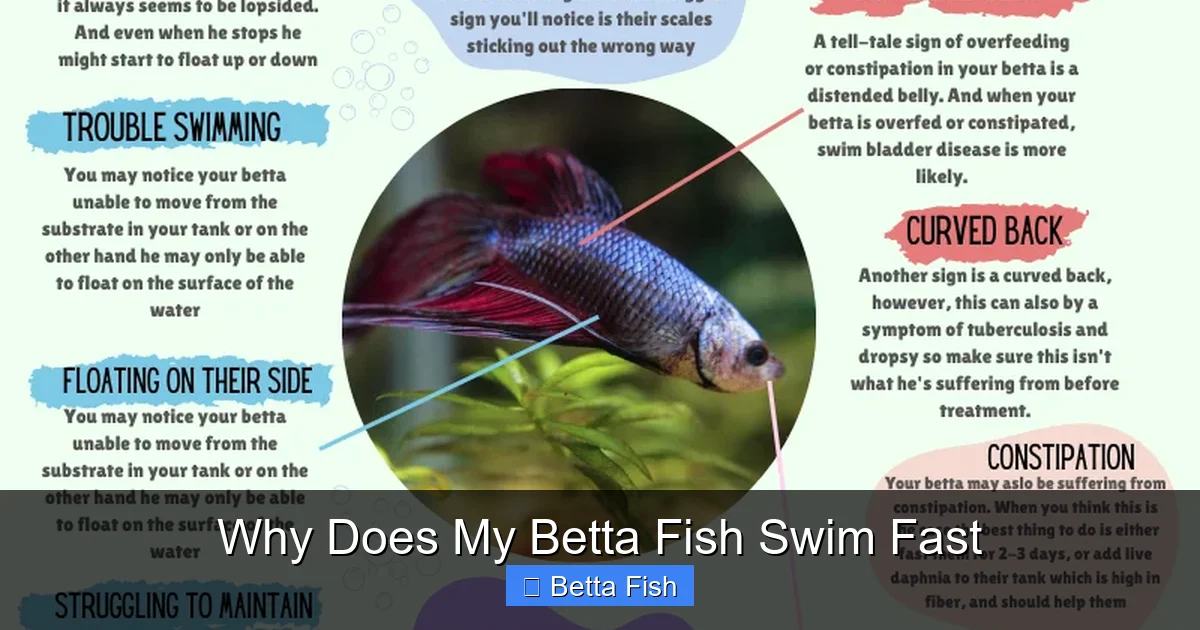
Visual guide about Why Does My Betta Fish Swim Fast
Image source: i.pinimg.com
- Feeding frenzy: When you sprinkle flakes, many bettas rush to the surface. The excitement can look like a race.
- New toys: A fresh leaf or a floating log triggers curiosity. Expect a few rapid circles as your fish investigates.
- Territorial patrol: Males often patrol the perimeter of their domain, especially if they see their own reflection.
If the fast swimming is short‑lived, accompanied by normal appetite and bright colors, it’s likely just a happy, active betta.
Tips to Encourage Healthy Play
- Provide varied décor—plants, caves, and driftwood—to give your betta places to explore.
- Feed small amounts 2–3 times a day to avoid over‑excitement and water fouling.
- Use a gentle LED light cycle (10‑12 hours) to simulate a natural day‑night rhythm.
2. Environmental Stressors: When the Tank Triggers a Sprint
Water Quality Issues
One of the most common reasons owners ask “why does my betta fish swim fast?” is poor water conditions. High ammonia, nitrite spikes, or a sudden pH shift can make a betta dart around trying to find a better spot.
- Ammonia and nitrite: Both are toxic even at low levels. A quick test can reveal if the water is the problem.
- Temperature fluctuations: Betta fish thrive at 76‑82°F (24‑28°C). A drop or rise of just a couple of degrees can cause stress‑driven swimming.
- Strong currents: Betta’s are “labyrinth” fish that prefer calm water. A powerful filter or air stone can create a current that makes them race to stay in one place.
Practical Water‑Check Routine
- Test weekly for ammonia, nitrite, nitrate, and pH using a reliable kit.
- Maintain temperature with a reliable aquarium heater; check daily with a thermometer.
- Adjust flow: use a sponge filter or turn the filter’s output away from the betta’s favorite spot.
Internal Link Example
For a deeper dive into water‑related emergencies, see our guide on why did my betta fish die so fast—it outlines the cascading effects of sudden water quality collapse.
3. Health Concerns: When Speed Signals Illness
Swim Bladder Disease
The swim bladder helps a betta maintain balance. If it’s compromised, the fish may flutter or dart erratically trying to correct its position. This often looks like fast, uncontrolled swimming.
- Overfeeding: Too much air‑filled food can expand the gut and press on the bladder.
- Constipation: A diet heavy in dry flakes can cause blockage.
- Parasites: Internal parasites can inflame the bladder area.
What to Do
- Fast your betta for 24‑48 hours, then offer a cooked pea (peeled) to relieve constipation.
- Switch to a high‑quality, low‑fill betta pellet or frozen bloodworms.
- If symptoms persist, consult a vet or refer to our detailed article on how to cure my betta fish swim bladder disease.
Other Illnesses That Cause Rapid Swimming
- Fin rot or fungal infection: Discomfort may make the fish dart to avoid contact with tank walls.
- Internal bacterial infection: Fever‑like responses can increase activity.
- Parasites (e.g., Ich): Itchy skin leads to frantic movement.
4. Behavioral Triggers: Aggression, Mating, and Fear
Territorial Aggression
Male bettas are notoriously territorial. Seeing their reflection or another fish (even a glass decoration) can spark a high‑speed chase. The fish may puff up and swim fast to “defend” its space.
Mating Instincts
During breeding season, males build bubble nests and perform elaborate “flaring” displays. The excitement often includes rapid swimming as they gather bubbles and show off to a potential female.
Fear of Predators
Even a small shadow from a lamp or a sudden movement outside the tank can startle a betta, leading to a quick burst of speed as a flight response.
Helpful Tips
- Cover the back of the tank with a dark background to reduce reflections.
- Avoid placing the betta near other aggressive fish or overly active tank mates.
- Provide a stable hiding spot—like a ceramic cave—so the betta can retreat when frightened.
5. Nutrition and Feeding Practices
Over‑Excitement After Feeding
Feeding high‑energy live foods (like brine shrimp) can give a temporary boost, causing the betta to zip around. This is normal but should be monitored.
Under‑Nutrition
Conversely, a malnourished betta may swim fast in a desperate search for food, especially if it’s been under‑fed for days.
Balanced Diet Recommendations
- Offer a mix of high‑quality betta pellets, frozen or live foods 2–3 times per week.
- Remove uneaten food within 2 minutes to keep water clean.
- Consider a weekly fast day to prevent constipation and support swim bladder health.
Related Reading
If you notice your betta spitting out food or refusing meals, check out why did my betta fish spit out his food for troubleshooting tips.
6. When Fast Swimming Becomes a Red Flag
Key Warning Signs to Watch
- Continuous high‑speed swimming for more than a few minutes.
- Loss of appetite, faded colors, or ragged fins.
- Gasping at the surface or frequent bubble‑nest building with frantic movement.
Action Plan
- Test water parameters immediately.
- Observe for additional symptoms (e.g., white spots, torn fins).
- Isolate the betta in a hospital tank with clean, conditioned water.
- Consult a veterinarian or refer to relevant articles such as why does my betta fish make bubbles for signs of stress.
Conclusion: Turning Speed Into Insight
Understanding “why does my betta fish swim fast?” is like learning a new language. Fast swimming can mean excitement, stress, or illness. By paying attention to water quality, temperature, diet, and overall behavior, you’ll quickly differentiate a playful sprint from a distress signal. Keep a routine water‑testing schedule, provide enrichment, and act fast when warning signs appear. Your betta will reward you with graceful glides—not frantic dashes—when you give it a stable, loving home.
Frequently Asked Questions
Why is my betta swimming faster than usual?
It could be excitement after feeding, a new decoration, or a sign of stress from poor water quality or temperature changes.
Can fast swimming indicate a health problem?
Yes. Persistent rapid swimming may point to swim‑bladder disease, parasites, or internal infections.
How can I tell if my betta is stressed?
Look for other signs like faded colors, torn fins, frequent hiding, or gulping at the surface alongside the fast swimming.
What water parameters should I check when my betta swims fast?
Test for ammonia, nitrite, nitrate, pH, and ensure the temperature stays between 76‑82°F (24‑28°C).
Should I change my betta’s diet if he’s swimming fast?
Adjust feeding to smaller, more frequent portions and add occasional live or frozen foods. A pea fast can help if you suspect constipation.
When should I seek professional help?
If fast swimming is accompanied by loss of appetite, discoloration, or fin damage, isolate the fish and consult a veterinarian or an experienced aquarium specialist.