Where Do Betta Fish Live Naturally
Contrary to popular belief, betta fish do not naturally live in tiny, dirty puddles. They are native to the tropical freshwater ecosystems of Southeast Asia, inhabiting shallow, vegetated waters like rice paddies, slow-moving streams, and floodplain swamps. Their famous labyrinth organ allows them to survive in oxygen-poor water during dry seasons. Understanding their true wild habitats is crucial for providing proper care and supporting conservation efforts for these fascinating fish.
Key Takeaways
- Native Range: Wild bettas (Betta splendens) are indigenous to the Chao Phraya and Mekong river basins of Thailand, Cambodia, Vietnam, and parts of Malaysia and Indonesia.
- Habitats: They thrive in shallow, slow-moving or still, heavily vegetated freshwater environments like rice paddies, drainage ditches, marshes, and the edges of ponds and streams.
- Key Adaptation: Their labyrinth organ, a specialized breathing structure, allows them to gulp atmospheric air and survive in warm, oxygen-depleted water—a common condition in their native habitats during dry periods.
- Diet: In the wild, they are carnivorous micro-predators, feeding on insects, insect larvae, zooplankton, and small crustaceans that fall into or live in the water.
- Territorial Nature: Males are highly territorial, defending small patches of dense plants or surface debris where they build bubble nests for breeding.
- Environmental Threats: Their natural habitats are severely threatened by pollution, deforestation, agricultural runoff, and urban development, leading to conservation concerns.
- Conservation Status: The IUCN currently lists wild bettas as “Vulnerable,” with wild populations declining due to habitat loss and the illegal pet trade.
📑 Table of Contents
- The Myth vs. Reality of Betta Fish Habitats
- Geographic Origins: Southeast Asia’s Tropical Wilderness
- The Dynamic Ecosystems: From Rice Paddies to Shallow Streams
- Adaptations for Survival: Thriving in Challenging Environments
- Seasonal Changes and Betta Behavior
- Conservation Concerns: Protecting Wild Betta Populations
- What This Means for Your Betta: Applying Natural Knowledge to Care
- Conclusion: A Legacy of Resilience
The Myth vs. Reality of Betta Fish Habitats
Walk into any pet store, and you’ll likely see betta fish—those flamboyantly finned, brilliantly colored fish—displayed in tiny, solitary cups or bowls. This ubiquitous marketing has cemented a powerful myth: that betta fish are happy, low-maintenance pets perfectly suited to life in a small, stagnant jar. This image is not just misleading; it’s the opposite of where betta fish live naturally. The truth about their wild homes is a story of remarkable adaptation, complex ecosystems, and a fight for survival that is increasingly difficult. Understanding their natural history isn’t just an academic exercise; it’s the first and most critical step toward providing ethical care and appreciating the true nature of these captivating animals.
In the wild, the betta fish, specifically the species Betta splendens from which our domestic varieties descend, is a native of the lush, tropical river basins of Southeast Asia. They are not inhabitants of isolated, muddy puddles by choice, but are instead specialists of a very specific, dynamic type of freshwater ecosystem. Their natural world is one of seasonal extremes, dense aquatic jungles, and subtle, beautiful behaviors shaped over millennia. By exploring where they truly come from, we dismantle the harmful cup myth and gain insight into the complex creature staring back at us from our aquariums.
Geographic Origins: Southeast Asia’s Tropical Wilderness
The story of the wild betta begins in the river networks of Southeast Asia. Their native range is tightly focused on the central and lower basins of two mighty river systems: the Chao Phraya River in Thailand and the vast Mekong River, which flows through Thailand, Cambodia, Laos, and Vietnam. Smaller, isolated populations are also found in parts of the Malay Peninsula and on the island of Sumatra in Indonesia. This geographic concentration is key; it means all domestic bettas trace their lineage back to this specific region of the planet.
Visual guide about Where Do Betta Fish Live Naturally
Image source: fishkeepertank.com
Thailand: The Cradle of the Domestic Betta
Thailand (formerly Siam) is the undisputed heartland of Betta splendens. Here, in the shallow backwaters, marshes, and flooded rice fields of the central plains surrounding Bangkok and the Chao Phraya basin, the wild-type betta thrives. It was from Thai breeders, who prized the fish for their fighting prowess (a practice now widely condemned), that the first bettas were exported to the West in the late 19th century. The wild populations here are considered the genetic wellspring for most aquarium strains. The water in these regions is typically warm, soft to moderately hard, and slightly acidic to neutral, stained a tea-color by tannins from decaying vegetation.
Neighboring Nations: Cambodia and Vietnam
Across the borders, the Mekong River and its countless tributaries and seasonal floodplains provide similar habitat. In Cambodia’s Tonle Sap lake region—the largest freshwater lake in Southeast Asia—and the Mekong’s inundated forests, wild bettas are common. The seasonal flooding here creates a vast, temporary aquatic landscape where bettas proliferate. In Vietnam’s Mekong Delta, similar conditions exist. These interconnected ecosystems during flood seasons allow for some genetic exchange between populations, but distinct local adaptations also occur.
The Dynamic Ecosystems: From Rice Paddies to Shallow Streams
To picture a wild betta’s home, forget the image of a barren puddle. Instead, envision a vibrant, densely planted shallow waterway, perhaps only 5-15 centimeters (2-6 inches) deep in many spots. Their habitats are defined by three critical elements: shallow depth, abundant surface vegetation, and slow or negligible water movement.

Visual guide about Where Do Betta Fish Live Naturally
Image source: fishkeepertank.com
Flooded Rice Paddies and Agricultural Ditches
One of the most common modern habitats for wild bettas is human-altered landscapes: flooded rice paddies and the irrigation canals and drainage ditches that service them. These areas perfectly mimic natural floodplain conditions. During the rainy season, these fields become vast, shallow, warm lakes choked with aquatic plants like water hyacinth, duckweed, and hornwort. The water is often turbid (cloudy) with silt, low in dissolved oxygen, and teeming with insect life. Betta splendens is well-equipped to exploit this seasonal paradise, using the dense cover for protection and hunting grounds.
Swamps, Marshes, and Peat Bogs
In less cultivated areas, natural swamps and marshes dominated by grasses, sedges, and shrubs provide prime real estate. The water in these blackwater environments is often stained dark brown by tannins released from decaying leaf litter and peat. This “blackwater” is soft, acidic, and very low in minerals—a far cry from hard, alkaline tap water. These habitats are nutrient-poor but rich in the microfauna bettas prey upon.
The Edges of Ponds and Slow-Moving Streams
Betta splendens are not fish of open water or strong currents. They are creatures of the littoral zone—the shallow edges where land meets water. Along the margins of ponds, oxbow lakes, and the slowest stretches of jungle streams, dense stands of plants like Cryptocoryne (water trumpets) and various stem plants create a maze of cover. Here, the water is calm, warm, and filtered through masses of roots and plant stems. This is where a male betta will stake his claim, defending a small territory centered around a cluster of plants or a piece of submerged wood.
Adaptations for Survival: Thriving in Challenging Environments
Life in a shallow, warm, oxygen-poor environment demands special tools. The betta fish is a masterclass in evolutionary adaptation, possessing several key traits that allow it to flourish where many other fish would perish.
Visual guide about Where Do Betta Fish Live Naturally
Image source: petsofun.com
The Labyrinth Organ: Breathing Air
This is the betta’s most famous and critical adaptation. Located in a chamber above the gills, the labyrinth organ is a folded, vascularized structure that allows the fish to extract oxygen directly from the air. When water oxygen levels drop—which happens rapidly in warm, stagnant water—the betta simply swims to the surface, takes a gulp of air, and absorbs the oxygen through its labyrinth. This is why you always see bettas in the wild (and in aquariums) periodically surfacing. It’s not a sign of distress; it’s normal, vital behavior. This adaptation is shared with other fish from similar habitats, like gouramis and some catfish, and is the reason bettas can survive in conditions that would suffocate other species.
Coloration and Fin Design: For Display, Not Swimming
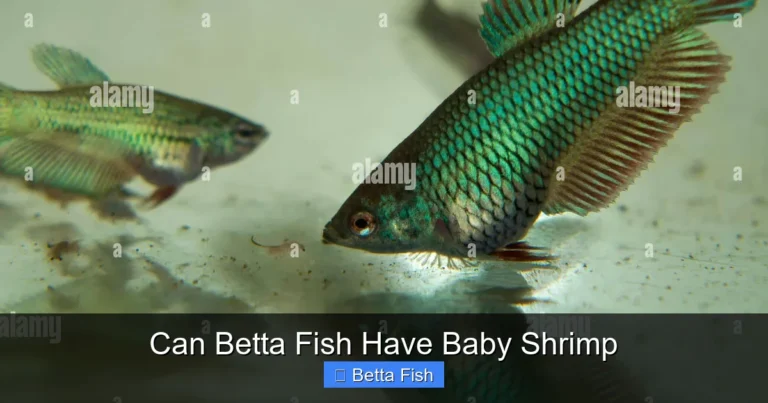
The wild-type betta is a far cry from the flamboyant, flowing-finned varieties in stores. Wild males are typically a muted green, brown, or grey with subtle blue or red iridescence on their scales and gill covers. Their fins are short and practical. This cryptic coloration provides camouflage among the plants and dark water. Their large, flowing fins in captivity are a result of selective breeding and would be a severe handicap in the wild, making them slower and more prone to fin-nipping from vegetation. The vibrant colors we prize are primarily used in threat displays and courtship, flashing suddenly to appear larger and more intimidating.
Bubble Nest Building: An Ingenious Reproductive Strategy
The male betta’s infamous bubble nest is a direct response to its environment. In shallow, calm water with plenty of surface plants, the male gathers air bubbles, coats them with saliva for stability, and constructs a raft-like nest anchored to vegetation or debris. This is not just a nest; it’s an oxygen-rich nursery. The eggs, which sink, are carefully gathered and placed into the bubbles by the male, who then guards them fiercely until the fry (babies) hatch and become free-swimming. This behavior ensures the eggs and newly hatched fry have access to both the surface air (via the labyrinth) and protection from predators and sediment in the murky bottom.
Seasonal Changes and Betta Behavior
The tropics have seasons, but they are defined by rainfall, not temperature. The life of a wild betta is a cycle dictated by the monsoon. Understanding this cycle explains much of their behavior and resilience.
The Wet Season: A Time of Abundance and Expansion
During the heavy rains, low-lying areas flood. What was once a series of isolated ponds and ditches becomes one enormous, interconnected aquatic plain. Betta fish, which may have been confined to small, shrinking pools during the dry season, now have a vast new territory to explore. They move into the newly flooded rice fields and grasslands. Food is plentiful—insects are everywhere, and the water is well-oxygenated by the rain. This is the primary breeding season. Males establish territories in the dense new plant growth, build bubble nests, and entice females to spawn. The population booms.
The Dry Season: A Test of Endurance
As the rains cease, the landscape undergoes a dramatic transformation. The shallow floodwaters recede, breaking the interconnected network back into a series of isolated, shrinking pools and puddles. Water temperature soars under the tropical sun, and dissolved oxygen levels plummet. Vegetation dies back, and the water becomes stagnant and warm. This is when the betta’s adaptations are put to the ultimate test. The labyrinth organ becomes essential for survival. Many fish will perish, but the hardiest individuals—those with the most efficient air-breathing and tolerance for poor water quality—persist in these “refuge pools,” often hiding in the damp mud or under logs where they can occasionally gulp air. Some bettas are even known to flop short distances over wet land to reach a new water source, a behavior called “walking” facilitated by their strong pectoral fins.
Conservation Concerns: Protecting Wild Betta Populations
For decades, the wild betta was assumed to be common and widespread, a victim of its own popularity. However, recent scientific surveys and assessments by the International Union for Conservation of Nature (IUCN) have revealed a startling truth: wild Betta splendens is now classified as Vulnerable. Its populations are in significant decline across its native range. The romanticized idea of them thriving in any dirty puddle has masked a severe and ongoing habitat crisis.
Primary Threats to Wild Habitats
The same landscapes that bettas call home are under siege. The leading threat is habitat loss and degradation. In Thailand and Cambodia, vast areas of natural swamp and marsh have been converted to intensive agriculture, particularly rice paddies, but with a critical difference: modern, chemically-intensive farming. Pollution from agricultural runoff—pesticides, herbicides, and fertilizers—poisons the water and kills the insect prey base. Urban and industrial development drains and fills wetlands. Deforestation removes the riparian vegetation that cools water and provides leaf litter. Even the practice of collecting wild bettas for the aquarium trade, if unregulated, can impact local populations, though habitat destruction is by far the greater threat.
The Role of the Aquarium Hobby
The global betta hobby, with its millions of enthusiasts, sits at a paradoxical crossroads. On one hand, the demand for bettas has fueled captive breeding operations that, if done responsibly, can reduce pressure on wild populations. On the other hand, the persistent myth of the betta as a disposable, low-space pet contributes to neglect and poor care, creating a disconnect between the animal and its natural heritage. This disconnect weakens public support for conserving its wild cousins. The hobby has a powerful opportunity and responsibility: by educating owners about the fish’s natural needs, we foster empathy that can extend to conservation. Supporting reputable captive breeders and avoiding wild-caught specimens (unless part of a certified, sustainable program) are direct actions hobbyists can take.
What This Means for Your Betta: Applying Natural Knowledge to Care
So, you keep a betta. You’re not keeping a cup-dweller; you’re keeping a descendant of the jungle floodplains. This knowledge transforms how we care for them. The goal is to replicate, as closely as possible, the key parameters of their natural world.
Tank Size and Environment: More Than a Cup
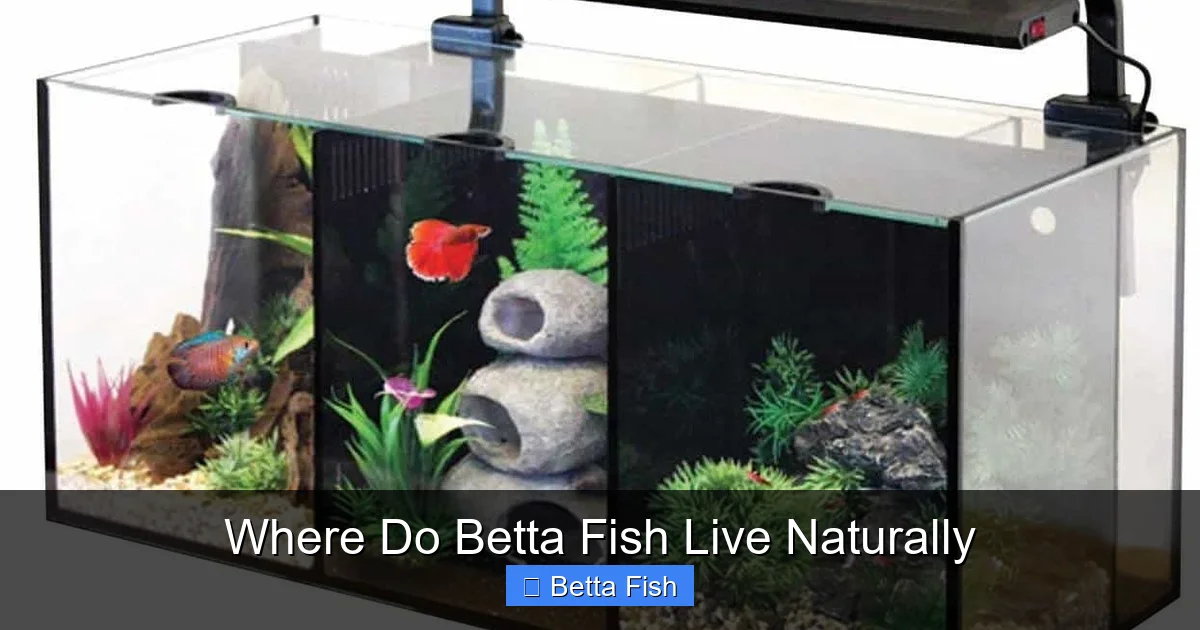
The absolute minimum for a healthy betta is a 5-gallon (19-liter) tank, but larger is always better. This provides the stable water volume and swimming space their wild counterparts experience across a flooded plain. The tank must be heavily planted, both with live plants (like Java fern, Anubias, floating frogbit or duckweed) and artificial decorations. This provides crucial cover, reduces stress, and mimics the dense vegetation of their home. A secure lid is essential, as they are skilled jumpers. Water flow should be minimal—a gentle filter sponge or a filter with the outflow baffled.
Water Parameters: Tannins and Temperature
Target a temperature of 76-82°F (24-28°C)—the warm tropics. While they tolerate a range, stability is key. The water should be clean but can benefit from a slight tint of tannins from Indian almond leaves or driftwood, which mimic their blackwater habitats and have mild antibacterial properties. pH can range from 6.0 to 7.5. The most critical parameter is the surface. Since they are obligate air-breathers, there must be a calm, unobstructed air-water interface for them to gulp from. Avoid dense surface oil films or completely covering the surface with plants.
Diet and Enrichment: Hunting for Food
Feed a high-quality, varied carnivorous diet. This means quality pellets or flakes as a staple, supplemented with frozen or live foods like daphnia, brine shrimp, bloodworms, and mosquito larvae. This replicates their natural diet of insects and zooplankton. For enrichment, you can use a feeding ring or gently place a few food items near a plant so they have to “hunt” for it, stimulating natural foraging behavior.
Conclusion: A Legacy of Resilience
The betta fish in your care carries a legacy written in the flooded rice fields and swampy jungles of Southeast Asia. It is a legacy of resilience, forged by the relentless cycle of drought and deluge, of surviving in warm, oxygen-starved water through a remarkable evolutionary innovation. The image of a betta in a tiny, barren container is a profound insult to this history. It reduces a complex, adaptive predator to a decorative object. By learning where betta fish live naturally—in dynamic, plant-rich, shallow ecosystems—we honor their true nature. This knowledge is a blueprint. It calls us to provide not just a container of water, but a vibrant, planted, warm, and spacious aquatic sanctuary. In doing so, we move beyond basic ownership to responsible stewardship. We ensure that the vibrant colors and flowing fins in our homes are not just products of selective breeding, but a living connection to the wild, a reminder of the fragile and beautiful ecosystems that produced them, and a catalyst for protecting those wild places that still, against the odds, hold their wild ancestors.
Frequently Asked Questions
Do betta fish live in puddles in the wild?
No, this is a harmful myth. While they can survive in isolated, poor-quality pools during the dry season, their preferred natural habitats are larger, shallow, vegetated ecosystems like rice paddies, swamps, and slow streams with abundant plant cover and insect life.
What is the natural water temperature for a betta fish?
In their native Southeast Asian habitats, water temperatures consistently range from 76°F to 82°F (24°C to 28°C). They are tropical fish and require warm water year-round in captivity to thrive and maintain a healthy immune system.
What do betta fish eat in the wild?
Wild bettas are carnivorous micro-predators. Their diet consists primarily of insects and insect larvae that fall onto the water’s surface, as well as zooplankton, small crustaceans like Daphnia, and tiny worms they find among the aquatic vegetation.
Why are betta fish so aggressive in the wild?
Male bettas are fiercely territorial in the wild, defending small patches of dense surface plants where they build bubble nests. This aggression is primarily directed at other males to protect breeding territories and nests, not a constant state of frenzy. Females are much less territorial.
Are wild betta fish endangered?
Yes, the wild species Betta splendens is currently listed as “Vulnerable” on the IUCN Red List. Their populations are declining due to severe habitat loss from pollution, agricultural runoff, deforestation, and urban development across Southeast Asia.
Can I keep a betta fish without a filter or heater?
While their labyrinth organ allows tolerance of lower oxygen, a filter is essential for processing toxic ammonia and maintaining water quality in a closed tank. A heater is non-negotiable to maintain their required tropical temperature. A properly filtered and heated tank in a spacious, planted environment is the only way to ethically keep a betta and mimic its natural needs.