Why Does My Betta Fish Tail Looks Shredded
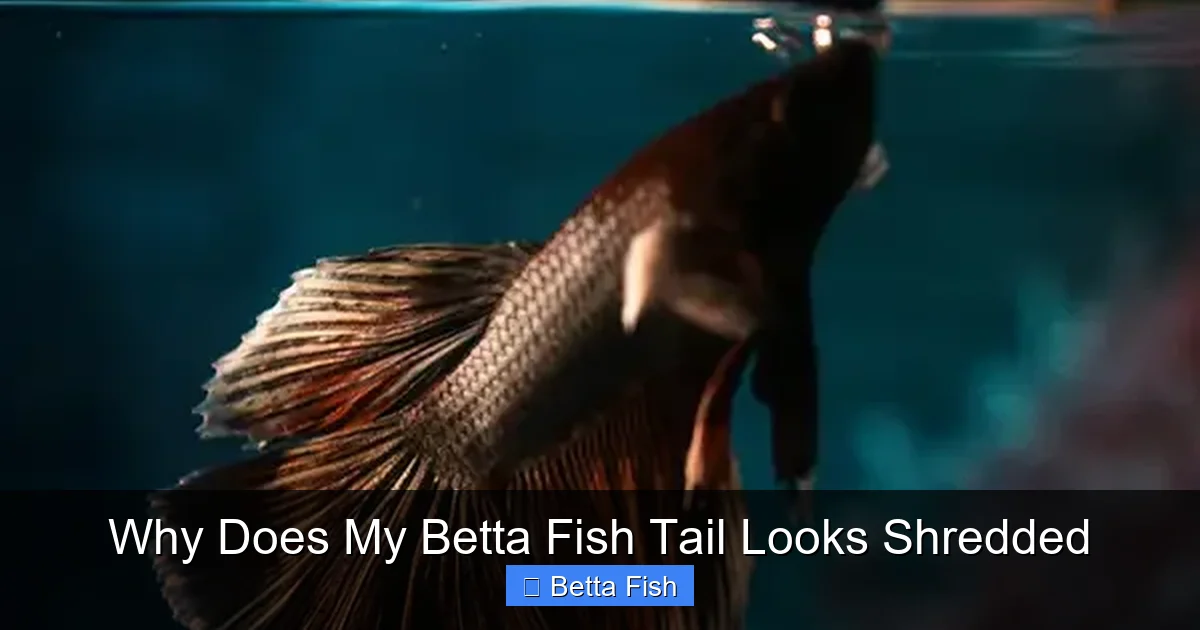
Seeing a shredded tail on your betta can be scary, but it’s often a sign of something fixable. This guide explains the top reasons—like water quality, disease, and tank mates—and gives easy, step‑by‑step actions to restore a healthy tail. Read on to protect your betta and enjoy a beautiful, thriving fish.
Key Takeaways
- Water quality matters: Poor parameters are the #1 trigger for tail shredding.
- Fin rot and parasites: Bacterial or fungal infections cause ragged edges that need prompt treatment.
- Tank mates can bite: Aggressive companions or even other bettas may nip the tail.
- Stress is a silent enemy: Over‑crowding, temperature swings, and lighting stress weaken fins.
- Nutrition helps repair: High‑protein, vitamin‑rich diets support fin regrowth.
- Quarantine first: Always isolate a sick betta before treating to prevent spread.
- Regular maintenance prevents problems: Consistent water changes and tank cleaning keep tails looking smooth.
📑 Table of Contents
- Introduction: When Your Betta’s Tail Looks Like a Torn Fabric
- 1. Water Quality: The Hidden Culprit
- 2. Disease: Fin Rot, Fungal Infections, and Parasites
- 3. Tank Mates and Aggression
- 4. Stress From Environment
- 5. Nutrition: Feeding for Fin Recovery
- 6. Practical Steps to Save a Shredded Tail
- Conclusion: A Healthy Tail Is a Happy Betta
Introduction: When Your Betta’s Tail Looks Like a Torn Fabric
Imagine you’re watching your betta do his usual graceful swims, and suddenly his tail looks like it’s been ripped by tiny scissors. The once‑smooth, flowing veil now shows jagged, torn edges. It’s a common sight for many hobbyists, and it can feel alarming. The good news? In most cases the problem is not a death sentence. With a little detective work and some simple fixes, you can help your betta heal and prevent future damage.
This article walks you through the most frequent reasons why a betta’s tail looks shredded, how to spot the early signs, and the exact steps you can take today. We’ll keep the tone friendly—think of it as a chat with a fellow fish lover—while giving you solid, science‑backed advice.
1. Water Quality: The Hidden Culprit
Why Bad Water Leads to Shredded Tails
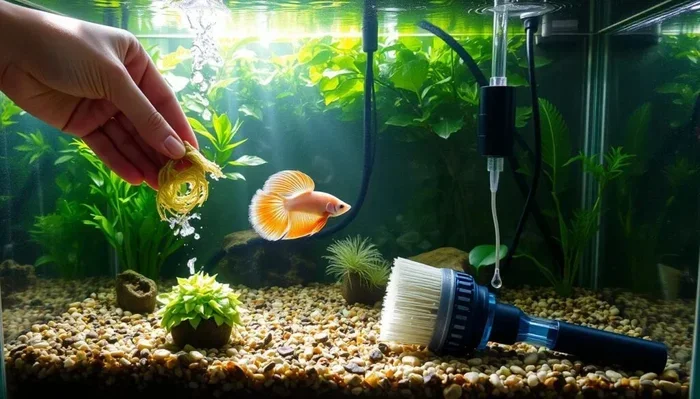
Betta fish are “labyrinth” fish, meaning they breathe air from the surface, but they still need clean, well‑filtered water. High ammonia, nitrite, or a pH that swings wildly can stress the skin and fins, making them fragile and prone to tearing.
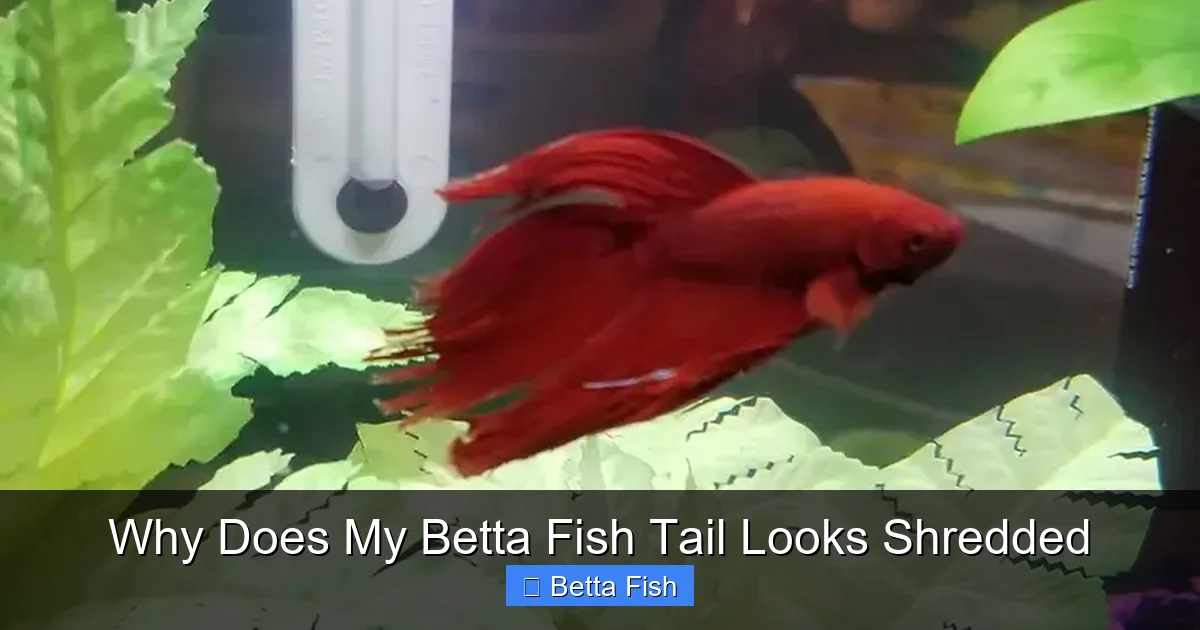
Visual guide about Why Does My Betta Fish Tail Looks Shredded
Image source: bettacarefishguide.com
How to Test and Fix
- Test weekly: Use a liquid test kit to check ammonia, nitrite, nitrate, and pH.
- Partial water changes: Replace 25‑30 % of the tank water every week with dechlorinated water at the same temperature.
- Filtration: Even a small sponge filter can keep waste particles down and improve oxygen flow.
Keeping water parameters stable is the single most effective way to stop tail shredding in its tracks.
2. Disease: Fin Rot, Fungal Infections, and Parasites
Fin Rot – The Bacterial Breakdown
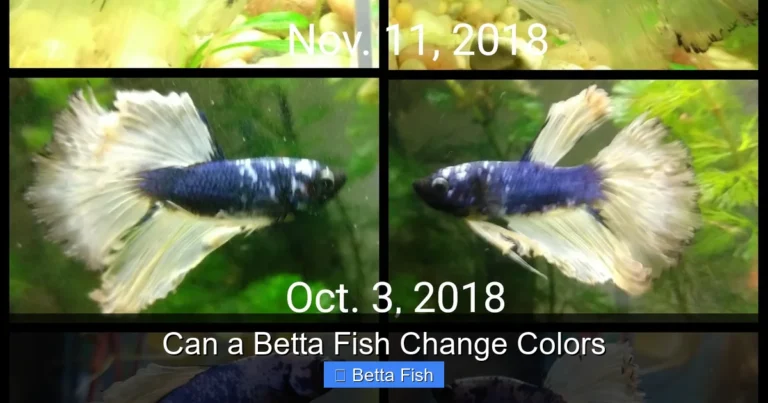
Fin rot starts as a small, white or yellow spot on the edge of the tail. Bacteria quickly eat away at the tissue, leaving a ragged, shredded appearance. If left untreated, the infection can spread to the body.
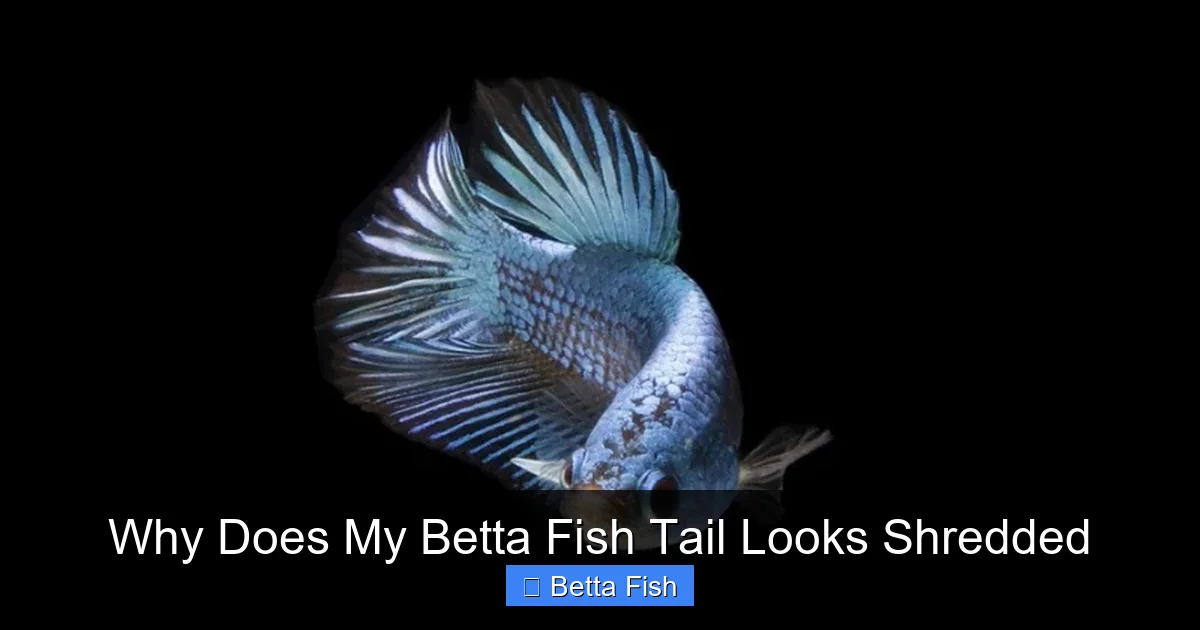
Visual guide about Why Does My Betta Fish Tail Looks Shredded
Image source: infishtank.com
Fungal Infections – The “Cotton‑Like” Growth
Fungal growth looks fluffy and white, often after a minor injury. It can cause the tail to appear torn as the fungus consumes the damaged tissue.
Parasites – Hidden Pests
External parasites like Ich or velvet can irritate the skin, prompting the betta to rub against objects and tear his own tail.
Treatment Steps
- Isolate the betta in a hospital tank.
- Raise the temperature to 78‑80 °F (25‑27 °C) to speed up metabolism.
- Use a broad‑spectrum antibacterial like Maracyn 2 for fin rot.
- Apply a mild antifungal such as Maracyn 2 + Fungus Cure if you see cotton‑like growth.
- For parasites, add a dose of copper‑based medication or formalin according to the label.
3. Tank Mates and Aggression
Betta‑Betta Conflict
Male bettas are famously territorial. If you keep two males together, even with a divider, they may nip each other’s tails through the barrier.
Other Species
Fin‑nipping fish such as guppies, tetras, or certain loaches can mistake a betta’s tail for a snack. Even a curious goldfish can cause damage with its swift fins.
Preventive Measures
- Never house two male bettas in the same tank.
- Choose peaceful tank mates—tiny shrimp or snails are safe options.
- Provide plenty of hiding spots (plants, caves) to reduce stress.
For more on how aggressive mates affect fins, see our article Why Does My Betta Fish Fins Look Shredded.
4. Stress From Environment
Temperature Fluctuations
Betta fish thrive at 76‑82 °F (24‑28 °C). Sudden drops or spikes weaken the immune system, making fins susceptible to damage.
Improper Lighting
Too much bright light can cause stress, while too little can lead to poor health. Aim for a 10‑hour light cycle with a dimming period.
Over‑crowding and Lack of Space
A 2‑gallon minimum is required, but 5‑gallon is ideal for a single betta. Cramped tanks increase aggression and fin‑nipping.
5. Nutrition: Feeding for Fin Recovery
Protein‑Rich Diets
High‑quality betta pellets or frozen bloodworms provide the amino acids needed for tissue repair.
Vitamins and Supplements
Vitamin C and E boosters, along with a small amount of live or frozen foods, speed up fin regrowth.
Feeding Schedule
- Feed 2‑3 times per day, offering only what the fish can eat in 2‑3 minutes.
- Remove uneaten food to keep water quality high.
6. Practical Steps to Save a Shredded Tail
Step‑by‑Step Rescue Plan
- Observe: Look for spots, discoloration, or worm‑like movement.
- Test water: Adjust parameters if needed.
- Quarantine: Move the betta to a separate 2‑gallon tank.
- Medication: Treat according to the suspected cause (bacterial, fungal, or parasite).
- Nutrition boost: Add vitamin‑rich foods.
- Monitor: Check daily; fin regrowth can take 2‑4 weeks.
Patience is key—tails grow slowly, but with clean water and proper care, your betta will look sleek again.
Conclusion: A Healthy Tail Is a Happy Betta
Seeing a shredded tail is a clear signal that something in your betta’s environment needs attention. By checking water quality, treating infections promptly, avoiding aggressive tank mates, managing stress, and feeding a balanced diet, you give your fish the best chance to heal and thrive.
Remember, prevention beats cure. Keep a regular maintenance schedule, test water often, and stay observant. Your betta will reward you with vibrant colors and graceful swims for years to come.
Frequently Asked Questions
Why does my betta fish tail look shredded after a water change?
Sudden changes in temperature or pH during a water change can stress the fish, causing the delicate fin tissue to fray. Always match the new water’s temperature and parameters to the tank water.
Can I treat a shredded tail with home remedies?
While a clean tank and proper diet help, bacterial or fungal infections usually need medicated treatments. Over‑the‑counter aquarium meds are more reliable than home remedies.
How long does it take for a betta’s tail to regrow?
Regrowth varies but typically takes 2‑4 weeks if water quality is good and the fish receives proper nutrition and any necessary medication.
Is it normal for a betta to lose part of its tail as it ages?
Older bettas may have slightly frayed edges, but significant shredding is usually a sign of stress, disease, or poor water conditions, not just age.
Should I remove my betta’s tank decorations if his tail is shredded?
Only if the decorations have sharp edges that could further damage the fin. Smooth plants and soft ornaments are safe and can provide hiding spots that reduce stress.
Where can I learn more about fin problems in bettas?
Check out our detailed guide Why Does My Betta Fish Fins Look Shredded for additional tips and troubleshooting steps.