What Do Betta Fish Eat in the Wild
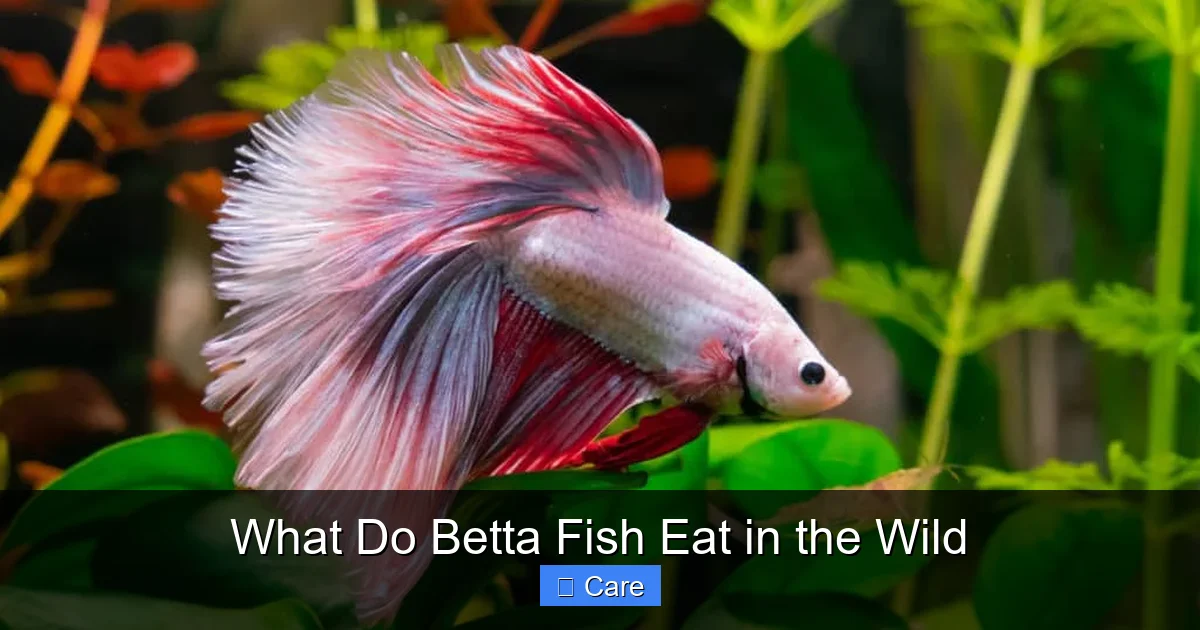
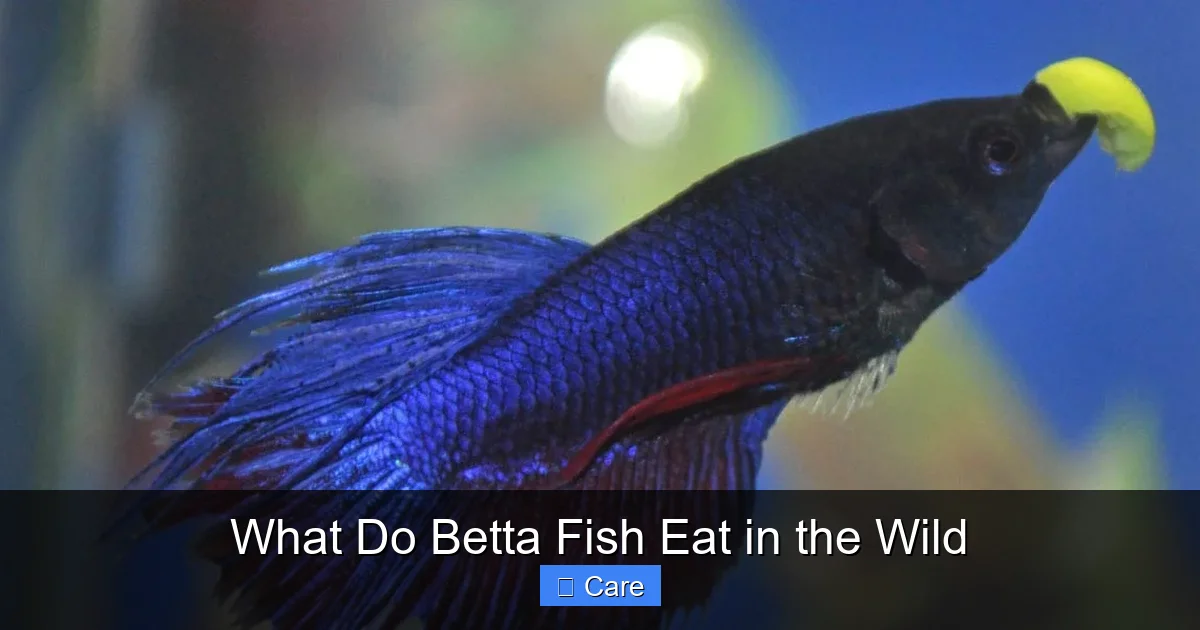
Betta fish are natural predators that feast on insects, larvae, and tiny crustaceans found in warm Southeast Asian waters. Understanding their wild menu helps you recreate a nutritious, varied diet that supports vibrant colors and strong fins in your home aquarium.
Key Takeaways
- Natural diet is protein‑rich: wild bettas primarily eat insects, mosquito larvae, and small crustaceans.
- Seasonal variation matters: food sources change with rainy and dry seasons, influencing feeding frequency.
- Mimicry is key: offering live or frozen foods that resemble wild prey promotes natural hunting behavior.
- Don’t over‑feed: bettas have small stomachs; small, frequent meals are best.
- Supplement wisely: high‑quality pellets can fill nutritional gaps when live foods are unavailable.
- Water quality ties to diet: protein‑rich meals increase waste, so maintain strong filtration.
- Know the habitat: learning where bettas live in the wild helps you recreate the right environment and diet. Read more about their natural habitats here.
📑 Table of Contents
- Introduction: From Murky Ponds to Your Living Room
- 1. The Natural Habitat: A Quick Look
- 2. The Core of the Wild Menu
- 3. How Wild Feeding Shapes Betta Behavior
- 4. Replicating the Wild Diet at Home
- 5. Nutrition Meets Water Quality
- 6. Practical Tips for the Home Aquarium
- Conclusion: Feeding Like Nature Intended
Introduction: From Murky Ponds to Your Living Room
When you first meet a betta fish, its flowing fins and bold colors are impossible to ignore. Most owners think of them as easy‑care “starter” fish, but the truth is that these little warriors are wild hunters. In their native Southeast Asian wetlands, bettas spend their days darting through shallow, vegetation‑laden pools, snapping up whatever moves.
Knowing what do betta fish eat in the wild isn’t just trivia—it’s the foundation for a thriving captive diet. By matching what nature provides, you can keep your betta’s colors bright, its immune system robust, and its natural instincts satisfied.
1. The Natural Habitat: A Quick Look
Where do bettas live?
Betta fish (Betta splendens) originate from the lowland rainforests of Thailand, Malaysia, and parts of Indonesia. They favor shallow, slow‑moving waters such as rice paddies, ditches, and forest pools that are rich in plant debris and surface film. These environments are warm (24‑30 °C/75‑86 °F), slightly acidic to neutral, and often experience seasonal fluctuations in water level.
Visual guide about What Do Betta Fish Eat in the Wild
Image source: cdn.shopify.com
Understanding this habitat helps explain why their diet is so varied. For a deeper dive into their natural homes, check out our article on where betta fish live in the wild.
Seasonal changes and food availability
During the rainy season, pools expand, and a boom of insects and larvae appears. In the dry season, water recedes, concentrating food sources and encouraging bettas to become more opportunistic. This seasonal rhythm means wild bettas sometimes feast heavily and then go longer between meals.
2. The Core of the Wild Menu
Insects and their larvae
The staple of a wild betta’s diet is tiny, protein‑packed insects. Mosquito larvae, fly larvae (maggots), and small beetles are the most common. These prey items are easy for bettas to spot and capture with their rapid bursts of speed.
Visual guide about What Do Betta Fish Eat in the Wild
Image source: qwikbetta.com
Small crustaceans
Freshwater shrimp (especially Neocaridina and Macrobrachium species) and tiny water fleas (Daphnia) also make frequent appearances. Crustaceans provide essential chitin, which aids digestion and supports a healthy gut lining.
Worms and micro‑fauna
Worms such as tubifex, bloodworms, and even tiny nematodes are part of the natural buffet. They are especially important during the dry season when insect numbers wane.
Plant matter and biofilm
While bettas are primarily carnivorous, they will graze on biofilm—a thin layer of algae, bacteria, and detritus that coats leaves and roots. This supplemental grazing adds a touch of fiber and helps keep their digestive tract moving.
3. How Wild Feeding Shapes Betta Behavior
Hunting instincts
In the wild, bettas are ambush predators. They perch among roots or floating leaves, waiting for a stray larva to drift by. This behavior translates to a love of “chasing” food in captivity. Live foods that move—like brine shrimp or daphnia—trigger these instincts and reduce boredom.
Visual guide about What Do Betta Fish Eat in the Wild
Image source: wildbettablog.com
Territoriality and feeding zones
Because their natural pools are crowded with other bettas and small fish, they have learned to defend a small feeding area. When you feed a captive betta, placing food near a favorite plant or decoration can mimic this territorial feeding spot.
4. Replicating the Wild Diet at Home
Live foods: The gold standard
- Brine shrimp (Artemia): Small, swimming, and easy to culture. Excellent for juveniles and adults alike.
- Microworms and grindal worm: Tiny enough for fry, rich in protein.
- Daphnia: Provides a gentle fiber boost and encourages natural foraging.
- Freshwater micro‑shrimp: Realistic crustacean option for mature bettas.
Offer 2–3 small portions per day, spacing them 4–6 hours apart to mimic the wild’s intermittent feeding pattern.
Frozen and freeze‑dried alternatives
If live foods are unavailable, high‑quality frozen options (bloodworms, brine shrimp, daphnia) retain most of their nutritional value. Thaw them completely and rinse before feeding to avoid excess water pollution.
Pellets and flakes: The supplemental backbone
While not a direct wild counterpart, specially formulated betta pellets are designed to be protein‑dense and easy to digest. Choose a brand with at least 40 % protein and no excessive fillers. Use pellets as a daily staple, supplementing with live or frozen foods 3–4 times a week.
For a deeper look at overall feeding guidelines, see our article what do betta fish eat.
Feeding schedule and portion control
Wild bettas rarely overeat; they take small bites, rest, then hunt again. In captivity, feed 2–3 tiny morsels 2–3 times daily. Remove any uneaten food within 2–3 minutes to keep water quality high.
5. Nutrition Meets Water Quality
Why protein matters
Protein is the building block for vibrant fins and strong muscles. However, excess protein increases ammonia production, which can stress fish. Regular water changes (20‑30 % weekly) and a good filter are essential when feeding a protein‑rich diet.
Balancing vitamins and minerals
Wild prey supplies natural vitamins A, D, and E, as well as essential minerals like calcium. If you rely heavily on pellets, look for fortified formulas or add a liquid vitamin supplement once a week.
Monitoring health
- Color intensity: Bright, consistent coloration usually means the diet is meeting nutritional needs.
- Fin condition: Torn or frayed fins can signal a deficiency in essential fatty acids.
- Appetite: A sudden loss of interest may indicate water quality issues or disease.
6. Practical Tips for the Home Aquarium
Creating a “wild” feeding arena
Scatter live foods among floating leaves, live plants, or a piece of driftwood. The added complexity encourages natural hunting and reduces stress.
Training your betta to eat new foods
Start with a pinch of frozen brine shrimp mixed into a pellet. Over several days, gradually increase the live portion. Patience pays off—most bettas will accept new items within a week.
When to avoid certain foods
Avoid goldfish flakes, over‑processed pellets, and any food with high carbohydrate content. These can cause digestive upset and cloud the water.
Seasonal feeding adjustments
During cooler months (below 24 °C), metabolism slows. Reduce feeding frequency to 2 times per day and watch for leftovers.
Conclusion: Feeding Like Nature Intended
Understanding what do betta fish eat in the wild unlocks the secret to a vibrant, active, and healthy aquarium companion. By offering a mix of live insects, tiny crustaceans, and high‑quality pellets, you replicate the protein‑rich, varied diet that bettas evolved to thrive on. Pair this with clean water, proper temperature, and a bit of habitat enrichment, and your betta will reward you with dazzling colors and lively behavior for years to come.
Frequently Asked Questions
What are the main foods betta fish eat in the wild?
Wild bettas primarily consume insects (mosquito and fly larvae), small crustaceans (freshwater shrimp, daphnia), and occasional worms. They also graze on biofilm and tiny plant particles.
Can I feed my betta only pellets?
Pellets can meet basic nutritional needs, but they lack the movement and variety of live prey. Adding live or frozen foods 3–4 times a week keeps hunting instincts sharp and improves coloration.
How often should I feed my betta?
Offer 2–3 tiny meals per day, spaced 4–6 hours apart. Remove any uneaten food within a few minutes to maintain water quality.
Is it safe to give my betta mosquito larvae?
Yes, mosquito larvae are a natural protein source. Ensure they come from a pesticide‑free source and rinse them before feeding.
Do bettas need supplemental vitamins?
If you feed a balanced mix of live, frozen, and high‑quality pellets, additional vitamins are usually unnecessary. However, a weekly liquid vitamin boost can help during periods of heavy feeding.
How does diet affect my betta’s color?
Protein‑rich, varied diets provide the pigments and fatty acids needed for bright reds, blues, and iridescent hues. Poor nutrition often leads to faded colors and weaker fins.