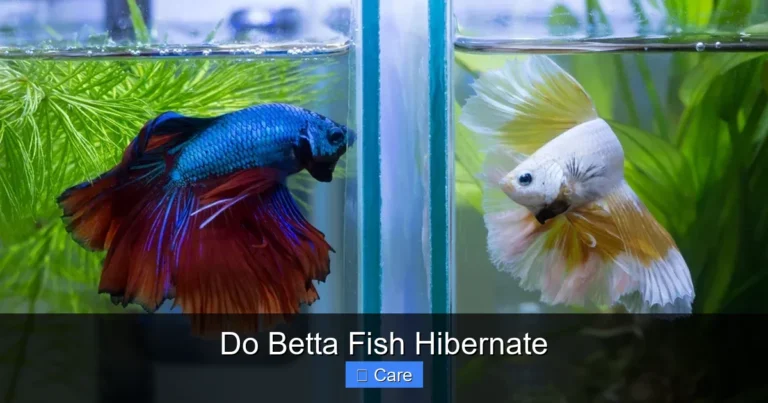
Can Betta Fish and Guppies Live Together Safe Tank Tips
Betta fish and guppies can live together, but success depends on tank size, temperament, and proper setup. You must choose calm tank mates, provide plenty of hiding spots, and monitor behavior closely. This guide shares practical tips to help you build a peaceful community aquarium.
Key Takeaways
- Tank size matters: A minimum 20-gallon tank gives both species enough space to swim and hide.
- Pick the right betta: Choose a calm, less aggressive male or a female betta for better compatibility.
- Select peaceful guppies: Avoid overly flashy or fin-nipping guppies that may trigger stress.
- Add hiding spots: Plants, caves, and driftwood reduce aggression and give guppies safe retreats.
- Feed separately: Target feeding prevents competition and keeps water quality stable.
- Watch closely: Daily observation helps you spot stress, fin damage, or bullying early.
- Have a backup plan: Keep a separate hospital tank ready if compatibility fails.
📑 Table of Contents
- Can Betta Fish and Guppies Live Together Safely
- Understanding Betta Fish Temperament and Behavior
- Understanding Guppy Behavior and Needs
- Tank Setup Tips for Peaceful Coexistence
- Feeding Strategies to Reduce Competition
- Monitoring Behavior and Troubleshooting Problems
- Expert Insights for Long-Term Success
- Final Thoughts on Shared Tank Living
Can Betta Fish and Guppies Live Together Safely
Many aquarium owners ask the same question: can betta fish and guppies live together without trouble. The short answer is yes, but only when you set up the tank correctly. Both species have different needs, and a crowded or poorly planted tank can turn peace into conflict fast.
Guppies are active, social fish that swim near the top and middle of the tank. Betta fish are solitary and territorial, especially males. They need calm zones and clear boundaries. When you understand these habits, you can create a balanced environment where both species thrive.
You do not need advanced experience to make this work. You just need patience, observation, and a few smart choices. Let us walk through the key factors that help these two popular fish share a home.
Understanding Betta Fish Temperament and Behavior
Betta fish are known for their bright colors and flowing fins. They also have a reputation for aggression. That reputation is real, but it is often misunderstood. A betta does not attack every fish automatically. It reacts when it feels threatened, crowded, or challenged.
Why Bettas Act Aggressively
Bettas defend their space. In the wild, they live in shallow waters with plenty of cover. In a tank, they may see reflections, fast swimmers, or bright colors as threats. Males are more likely to flare, chase, or nip when they feel their territory is invaded.
Females can be less aggressive, but they still need careful handling. A calm betta is often a happy betta. Stress, poor water quality, and small tanks make aggression worse. If you want a peaceful community tank, start with a relaxed fish and a stable environment.
Choosing the Right Betta for a Community Tank
Not every betta is a good candidate for tank mates. Look for a fish that ignores other fish, swims slowly, and does not flare constantly. Avoid bettas that pace the glass, bite their own fins, or attack their reflection nonstop.
You can also consider a female betta for a community setup. Many people ask can female betta fish and guppies live together because females often show less intense aggression. They can still be territorial, so you must watch them closely. A well-chosen betta makes a huge difference.
Signs Your Betta Is Stressed or Aggressive
Watch for these warning signs:
- Flaring at fish without provocation
- Chasing tank mates repeatedly
- Hiding all day or refusing to eat
- Damaged fins on other fish
- Constant pacing along the glass
If you see these behaviors, you may need to rearrange the tank or move the betta to a separate setup.
Understanding Guppy Behavior and Needs
Guppies are lively, colorful, and easy to care for. They are also very social. They like to swim in groups and explore the tank together. This active nature can sometimes bother a betta, especially if the guppies dart around too much.
Guppy Schooling Habits
Guppies feel safer in numbers. A small group helps them stay calm and reduces nervous behavior. When guppies feel secure, they are less likely to trigger a betta’s defenses. A group of at least four to six guppies usually works well in a larger tank.
Male and Female Guppy Differences
Male guppies are flashy and constantly active. Female guppies are larger and calmer. Some owners wonder can female betta fish live with male guppies because male guppies can be bold and persistent. That boldness may irritate a territorial betta. A mixed-gender guppy group can help balance activity levels.
What Guppies Need to Stay Healthy
Guppies need clean water, stable temperature, and good nutrition. They also need open swimming space. A tank that is too small makes them stressed and erratic. When guppies are healthy and calm, they are much easier to pair with a betta.
Tank Setup Tips for Peaceful Coexistence
A good tank setup can prevent many problems before they start. Space, cover, and water flow all matter. If you want to know can betta fish and guppies live together in harmony, the answer depends heavily on your aquarium design.
Ideal Tank Size
A larger tank gives everyone more room. A 20-gallon tank is a strong starting point for a betta and guppies. It provides swimming space, hiding areas, and better water stability. Smaller tanks can work in some cases, but they leave less room for error.
Plants, Decor, and Hiding Spots
Live plants are one of the best tools for a community tank. They break up sightlines and give guppies places to escape. Good options include:
- Java fern
- Anubias
- Hornwort
- Amazon sword
- Floating plants
Driftwood and smooth rocks also create natural barriers. The goal is not to hide the fish completely. The goal is to reduce direct confrontations.
Water Conditions Both Species Prefer
Bettas and guppies both prefer warm, clean water. Aim for a stable temperature around 75 to 80 degrees Fahrenheit. Keep pH in a neutral to slightly alkaline range if possible. Most importantly, maintain excellent water quality with regular changes and good filtration.
Avoid strong currents. Bettas are not strong swimmers, and heavy flow can stress them. Guppies handle current better, but they still prefer calm to moderate movement. A gentle filter setup usually works best.
Feeding Strategies to Reduce Competition
Food can become a flashpoint in a shared tank. Bettas may guard food, and guppies may rush to the surface. If feeding time turns chaotic, tension rises quickly.
Target Feeding Tips
Try feeding in different spots if one area causes conflict. You can also use a feeding ring for the betta. This helps the betta eat without being crowded by guppies. Spread small portions across the tank so everyone gets a chance to feed.
Avoid Overfeeding
Overfeeding creates two problems. First, it fouls the water. Second, it increases competition when food is everywhere at once. Feed small amounts that your fish can finish quickly. Clean up leftovers if needed.
Best Foods for Both Species
Both bettas and guppies do well on a varied diet. Good choices include:
- High-quality flakes
- Micro pellets
- Frozen or freeze-dried foods
- Occasional live foods
A balanced diet supports healthy fins, bright colors, and stronger immune systems.
Monitoring Behavior and Troubleshooting Problems
Even with a great setup, you must keep watching. Compatibility is not a one-time decision. It is an ongoing process. If you are still asking can betta fish and guppies live together after a few weeks, the answer may depend on how the tank is behaving right now.
What to Watch For
Check your fish daily. Look for:
- Chasing that never stops
- Guppies hiding all the time
- Torn fins or faded colors
- Loss of appetite
- Unusual swimming patterns
Small issues can grow fast. Early action saves stress and injury.
When to Separate Tank Mates
Sometimes compatibility simply does not work. If the betta attacks repeatedly or the guppies stay terrified, separate them. A separate tank or temporary divider can help you reset the situation. It is better to move one fish than to let injury or chronic stress continue.
Common Mistakes to Avoid
Many problems come from simple setup errors. Avoid these mistakes:
- Using a tank that is too small
- Adding too many fish at once
- Skipping the acclimation process
- Ignoring water quality
- Choosing an overly aggressive betta
- Overcrowding the surface area
A careful start prevents most compatibility issues.
Expert Insights for Long-Term Success
Successful community tanks are built on observation and consistency. The best owners do not guess. They watch, adjust, and respond to what the fish need.
Start Slow
Add fish gradually when possible. This helps the betta adjust without feeling overwhelmed. It also keeps the biological filter from getting overloaded. A slower setup usually leads to a calmer tank.
Rearrange When Needed
If aggression starts, changing the layout can help. Moving plants, rocks, or decorations breaks old territory lines. This simple change can reduce tension without removing any fish.
Keep Records
Write down what works. Note feeding times, behavior changes, and water parameters. Over time, you will learn what helps your specific betta and guppy group stay peaceful.
Quick Tips for Better Compatibility
- Use a larger tank with clear swimming zones
- Add live plants for cover and security
- Choose a calm betta with a relaxed personality
- Keep guppies in a small school
- Maintain stable water and gentle filtration
- Feed in a way that reduces competition
- Watch daily and act before problems grow
Final Thoughts on Shared Tank Living
So, can betta fish and guppies live together? Yes, they can, when you give them the right environment and respect their different personalities. A spacious tank, plenty of cover, stable water, and careful observation make a huge difference.
This pairing can be beautiful and enjoyable. Guppies bring movement and color, while bettas add personality and grace. With the right setup, you can enjoy both without constant conflict. Take your time, start with a calm betta, and build a tank that supports peace rather than rivalry.
Frequently Asked Questions
Can betta fish and guppies live together in a small tank?
They can, but a small tank makes compatibility much harder. A larger tank gives both species more space and reduces aggression. A 20-gallon tank is a much safer choice than a tiny setup.
Are male bettas more aggressive toward guppies than females?
Male bettas are often more territorial and may chase tank mates more frequently. Females can still be protective, but they are sometimes calmer in community tanks. Personality matters more than gender alone.
Do guppies bother betta fish?
Guppies are active and may swim quickly around the tank, which can irritate a nervous betta. They usually do not attack bettas, but their constant movement can trigger stress. Calm tank mates and plenty of plants help reduce this issue.
What is the best tank size for bettas and guppies together?
A 20-gallon tank is a strong starting point for a peaceful community setup. It offers enough room for swimming, hiding, and stable water conditions. Smaller tanks can work, but they leave less margin for error.
How can I tell if my betta is attacking my guppies?
Look for repeated chasing, flaring, nipping, or guppies hiding all the time. Damaged fins and stressed behavior are also warning signs. If the problem continues, you may need to separate them.
Can I keep many guppies with one betta fish?
You can keep a small group of guppies with one betta, but avoid overcrowding. Too many fish can increase competition and stress. A balanced group in a properly sized tank works best.