What Do Betta Fish Poop Look Like

Betta fish poop may seem tiny, but its color, shape, and frequency tell you a lot about your pet’s health. By learning what betta fish poop looks like, you can spot problems early and keep your fish thriving.
Key Takeaways
- Normal appearance: Small, dark brown to black ribbons that sink quickly.
- Color clues: Green or orange feces often signal diet issues or illness.
- Consistency matters: Firm, formed pieces are healthy; mushy or watery poop signals stress.
- Frequency guide: Most bettas poop 2‑4 times a day; big changes are a red flag.
- Tank cleanliness: Regular substrate cleaning helps you see poop patterns better.
- Link to health: Abnormal poop can indicate parasites, bacterial infections, or poor water quality.
- Observation tips: Use a clear tank and watch the bottom after feeding to spot changes.
📑 Table of Contents
- Introduction: Why Betta Poop Deserves Your Attention
- 1. The Typical Look of Healthy Betta Poop
- 2. What Abnormal Poop Looks Like and What It Means
- 3. How Diet Directly Influences Betta Poop
- 4. Water Quality and Its Effect on Poop Appearance
- 5. Observing Poop: Practical Tips for the Everyday Keeper
- Conclusion: Turn Poop Into a Health Dashboard
Introduction: Why Betta Poop Deserves Your Attention
When you first bring a betta home, the bright fins and playful flares steal the spotlight. But hidden beneath the beauty is a tiny, often‑overlooked sign of health: the fish’s poop. Knowing what do betta fish poop look like can feel like a secret super‑power for any hobbyist. It helps you catch problems before they become emergencies, and it lets you fine‑tune feeding, water, and tank setup.
In this guide we’ll break down every detail of betta feces—color, shape, size, and frequency—so you can read the language of your finned friend. We’ll also share practical tips for spotting changes, cleaning your tank, and linking poop clues to diet and disease.
1. The Typical Look of Healthy Betta Poop
Shape and Size
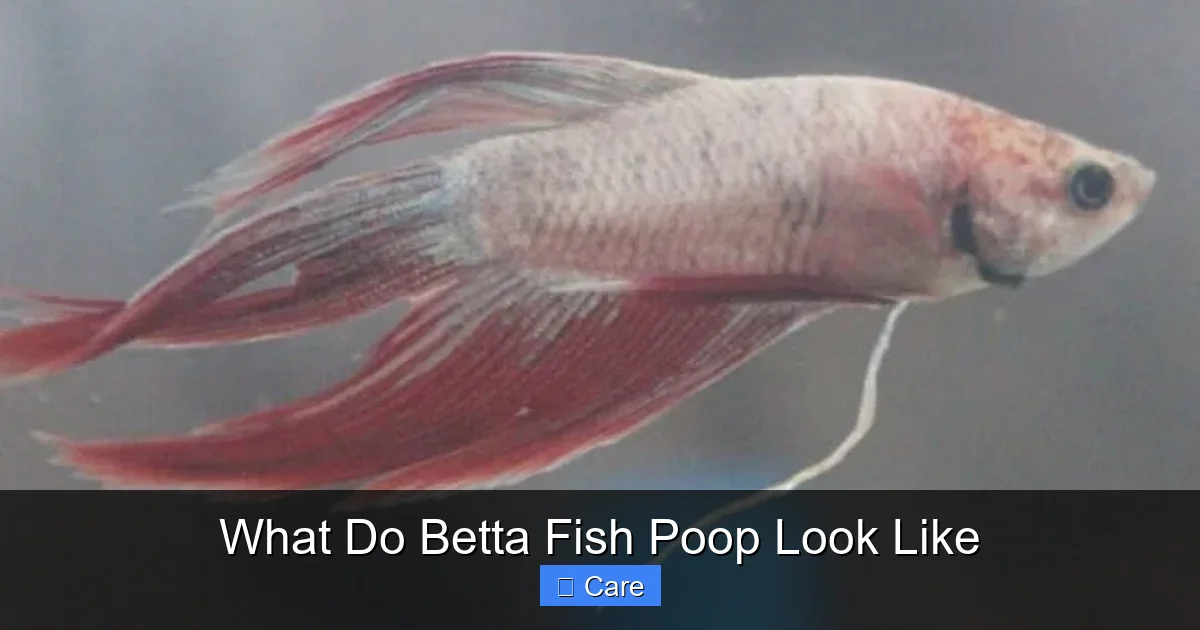
Healthy betta feces are usually small, about the length of a grain of rice, and they form a thin, curved ribbon. Because bettas have short intestines, the poop is compact and often tapers at the ends. You’ll see it drift down and settle on the substrate within seconds of being expelled.
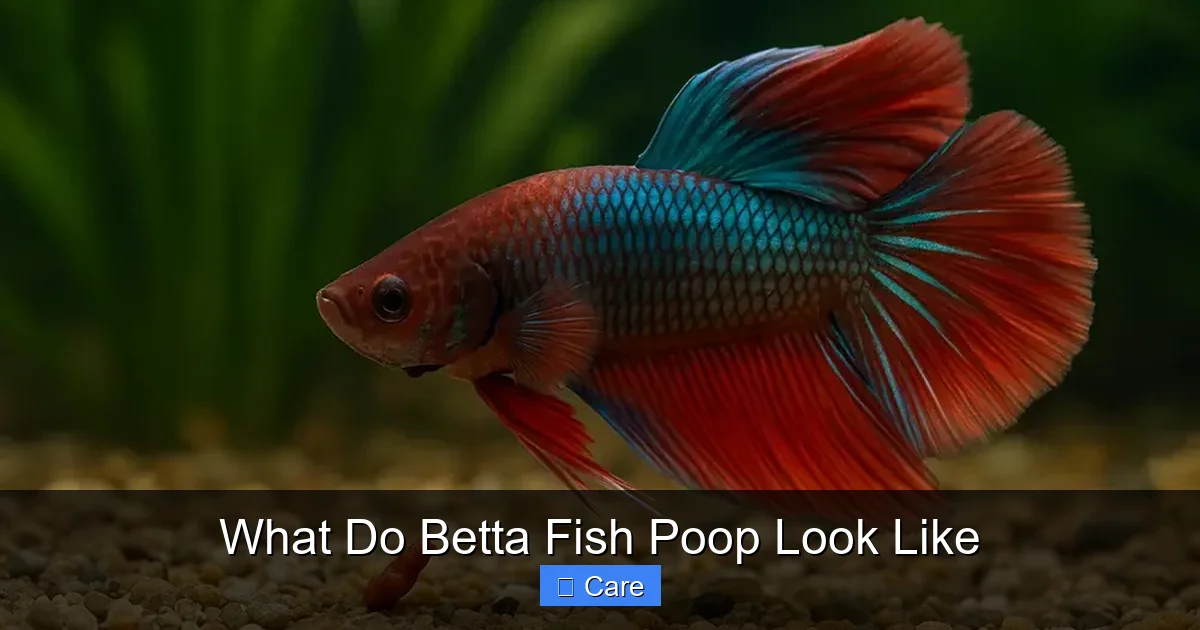
Visual guide about What Do Betta Fish Poop Look Like
Image source: bettacarefishguide.com
Color Palette
Most healthy poop ranges from dark brown to black, sometimes with a slight greenish tint if the fish has been eating a lot of plant‑based foods. The darkness comes from the natural pigments in the insect and worm meals most bettas love.
Consistency
A firm but slightly soft consistency is ideal. It should hold its shape long enough to sink, but not be so hard that it floats. If the poop breaks apart into tiny pieces, it could be a sign of over‑feeding or a digestive upset.
Where It Ends Up
Betta fish release waste through their vent, located just behind the anal fin. The feces fall straight down, so a clear view of the tank bottom makes spotting easier. For a visual guide, see our article on where do betta fish poop.
2. What Abnormal Poop Looks Like and What It Means
Unusual Colors
- Green: Often a sign of excess algae in the diet or a parasitic infection.
- Orange or Red: May indicate blood, a bacterial infection, or a diet heavy in carotenoid‑rich foods.
- White or Chalky: Could be a sign of fungal growth or undigested food particles.
Texture Problems
Loose, watery stools that dissolve quickly suggest diarrhea, commonly caused by a sudden change in temperature, poor water quality, or an over‑abundance of live foods. On the other hand, very hard, pellet‑like feces can mean the fish isn’t getting enough fiber.
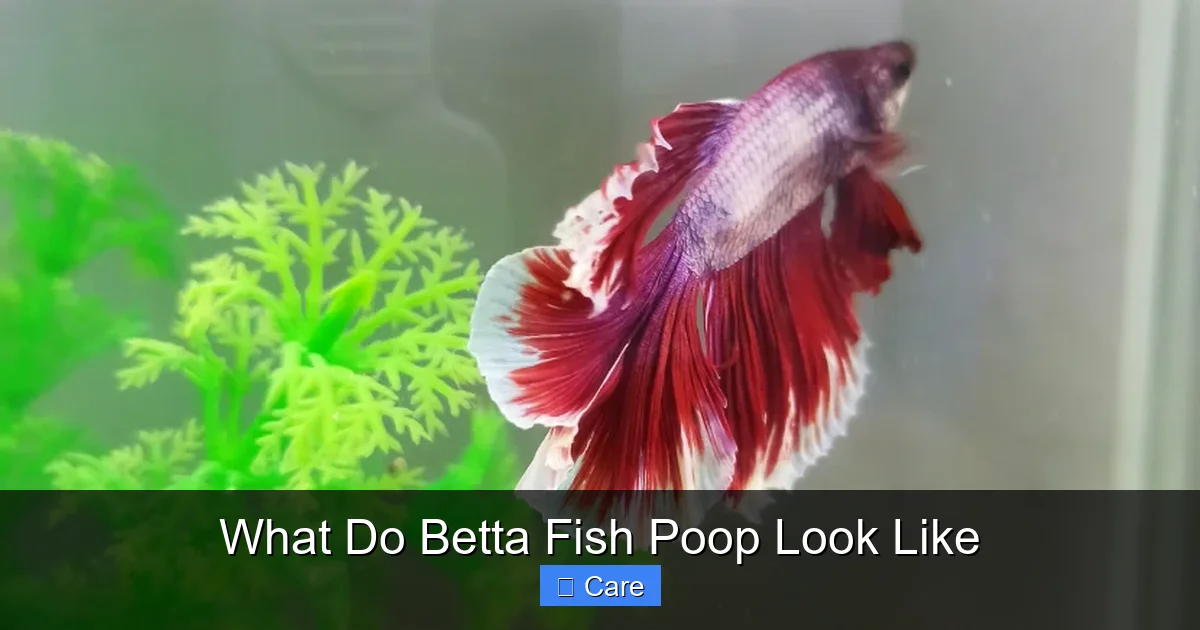
Visual guide about What Do Betta Fish Poop Look Like
Image source: japanesefightingfish.org
Frequency Fluctuations
Betta fish typically poop 2‑4 times a day. A sudden drop to once a day, or a spike to many more, signals stress. Stressors include aggressive tank mates, temperature swings, or a dirty tank.
When to Seek Help
If you notice any of the above abnormalities for more than two days, consider testing water parameters and consulting a vet. Our guide on what does a sick betta fish look like can help you spot other warning signs.
3. How Diet Directly Influences Betta Poop
Best Foods for Stable Digestion
High‑quality betta pellets are formulated to provide balanced protein and fiber, leading to consistent, dark brown waste. Supplementing with occasional live or frozen foods—like brine shrimp or bloodworms—adds variety but should be limited to 10‑15% of the diet.
Visual guide about What Do Betta Fish Poop Look Like
Image source: memfish.net
Feeding Frequency
Feeding two small meals per day is ideal. Over‑feeding creates excess waste, turning poop lighter and more frequent. If you’re unsure, try the “pinch test”: feed only what you can pinch off between your thumb and forefinger.
Impact of Plant‑Based Additions
Adding a few blanched peas can help with mild constipation, producing firmer poop. However, too many vegetables may turn feces greenish, which is normal but worth noting.
Link to Other Articles
Learn more about betta nutrition in our post on what do betta fish eat.
4. Water Quality and Its Effect on Poop Appearance
Key Parameters to Monitor
- Ammonia & Nitrite: High levels irritate the gut, leading to loose stools.
- Nitrate: Keep below 20 ppm to prevent stress.
- pH: Betta thrive in 6.5‑7.5; swings can cause digestive issues.
- Temperature: Ideal range is 76‑82 °F; sudden drops cause diarrhea.
Cleaning the Substrate
Using a fine‑grained gravel or sand makes it easier to see poop patterns. Perform a gentle siphon during water changes, and keep a small net handy to remove any clumps that could decompose and foul the water.
Water Changes and Poop Visibility
Regular 25‑30% water changes not only keep the environment healthy but also give you a clear view of the tank bottom. When the water is cloudy, spotting poop becomes difficult, and you may miss early warning signs.
5. Observing Poop: Practical Tips for the Everyday Keeper
Set Up a Observation Routine
Spend a few minutes after each feeding watching the bottom of the tank. Use a flashlight if needed. Note the color, size, and how quickly the waste sinks.
Keep a Simple Log
Write down observations in a notebook or phone app. Include date, feeding amount, and any changes in poop. Over weeks, patterns emerge that help you fine‑tune care.
Use a Transparent Tank
Clear glass or acrylic makes spotting small ribbons of waste easier. If you have a heavily planted tank, trim some foliage temporarily to get a better view.
When to Adjust Feeding
If poop becomes lighter or more frequent, cut back on treats and stick to pellets. If it gets hard and infrequent, add a small amount of boiled peas or a high‑fiber supplement.
Link to Related Care Topics
Understanding where bettas poop helps with cleaning; see how do betta fish poop for a deeper dive.
Conclusion: Turn Poop Into a Health Dashboard
Knowing what do betta fish poop look like isn’t just trivia—it’s a practical health tool. By watching the color, shape, and frequency of waste, you gain insight into diet, water quality, and possible illness. Simple daily checks, a clean substrate, and a balanced feeding plan keep your betta’s poop—and your peace of mind—in perfect shape. Remember, when something looks off, act quickly: test the water, adjust the diet, and don’t hesitate to consult a vet if needed. Your betta will thank you with vibrant colors and lively flares.
Frequently Asked Questions
What color indicates a healthy betta poop?
Healthy betta feces are usually dark brown to black, sometimes with a slight green tint if the diet includes plant matter.
How often should a betta fish poop?
Most bettas will poop 2‑4 times a day. Significant changes in frequency can signal stress or health issues.
Can diet cause green poop?
Yes. A diet high in algae or certain live foods can turn poop greenish, which is generally normal but worth monitoring.
What does watery, orange poop mean?
Orange, watery waste often points to a bacterial infection or a sudden change in water temperature. Test your water and consider a vet visit.
How can I make it easier to see my betta’s poop?
Use a clear tank with fine gravel or sand, keep the water clean with regular changes, and observe the bottom after each feeding.
Should I be worried if my betta’s poop looks different for one day?
One day’s variation isn’t usually a problem. Keep a log, and if the change persists for more than two days, investigate diet and water parameters.