Is Betta Fish Fighting Illegal Here Is What You Need to Know
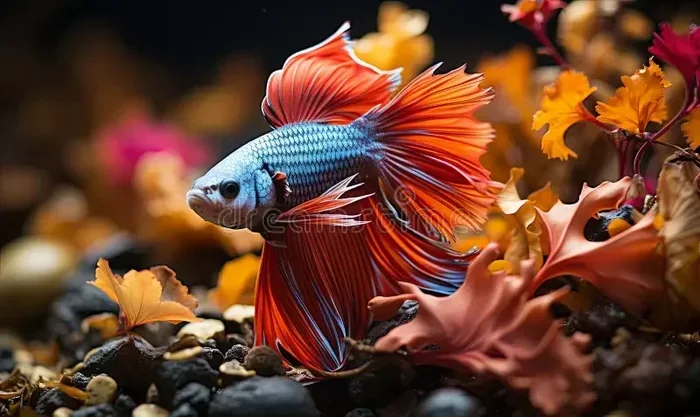
Is betta fish fighting illegal in most places? Yes, organized animal fighting is banned in many regions due to animal cruelty laws. However, keeping Bettas as pets is completely legal and rewarding. This guide explains the laws, risks, and best care practices so you can protect your fish and stay compliant.
Many people ask is betta fish fighting illegal because they see these colorful fish flaring and darting at each other. It looks intense. It can even look like a real match. The truth is simpler. Organized animal fighting is banned in many places. But keeping a Betta as a pet is not a crime. In fact, it is a wonderful hobby when you give your fish the right care.
Bettas are famous for their bold personalities. They flare their gills, spread their fins, and guard their space. This behavior is normal. It does not mean your fish wants to fight to the death. It means your fish feels protective. When you understand this, you can set up a tank that lowers stress and keeps everyone safe. That is the heart of good Betta care.
In this guide, we will break down the legal side, the behavior side, and the care side. You will learn why Bettas act aggressive, how to reduce conflict, and what kind of tank setup works best. We will also share practical tips so your Betta stays healthy, calm, and active. If you have ever wondered is betta fish fighting illegal, you are in the right place.
Key Takeaways
- Animal fighting bans: Most regions prohibit organized fish fighting under animal cruelty laws.
- Pet ownership is legal: Keeping Bettas as pets is fully allowed when you follow basic care rules.
- Aggression is natural: Male Bettas defend territory, so proper tank setup prevents stress and injury.
- Tank size matters: A spacious, filtered tank reduces aggression and supports healthy behavior.
- Water quality is key: Clean, warm, stable water keeps your Betta calm and less likely to act out.
- Avoid risky tank mates: Choose peaceful companions or keep your Betta alone to prevent conflicts.
- Know local rules: Always check regional regulations before breeding, showing, or transporting Bettas.
📑 Table of Contents
- Is Betta Fish Fighting Illegal Understanding the Law
- Is Betta Fish Fighting Illegal and Why Bettas Act Aggressive
- Is Betta Fish Fighting Illegal and How to Reduce Conflict in a Tank
- Is Betta Fish Fighting Illegal and the Role of Water Quality and Equipment
- Is Betta Fish Fighting Illegal and Responsible Care for Long-Term Health
- Is Betta Fish Fighting Illegal Final Thoughts for Owners
Is Betta Fish Fighting Illegal Understanding the Law
The short answer is that organized animal fighting is generally prohibited in many regions. Laws vary by country, state, and city. Some places treat any staged animal combat as a serious offense. Others focus on cruelty, neglect, or unsafe conditions. The key point is that using animals for entertainment fighting is not accepted in most modern legal systems.
That does not mean owning a Betta is restricted. Pet ownership is allowed. Breeding for responsible hobby purposes is usually allowed too. What matters is how you treat the fish. Good care, clean water, proper food, and safe housing are the real standards. If you are ever unsure, check your local rules before you start breeding or hosting any kind of show or contest.
Here is a simple way to think about it:
- Pet keeping: Legal in most places when basic welfare needs are met.
- Organized fighting: Often banned under animal cruelty or public morality laws.
- Responsible breeding: Usually allowed, but local rules may apply.
- Public exhibitions: May require permits or follow animal welfare guidelines.
If you want to dig deeper into Betta behavior and anatomy, you may find it helpful to read about Do Betta Fish Have Teeth Japanese Fighting Fishjapanese Fighting Fish. Understanding their mouth structure helps explain how they grab, hold, and defend, which is useful context when you are learning about aggression and care.
Why the Confusion Exists
People often confuse natural territorial behavior with illegal animal fighting. A male Betta may flare at his reflection. He may chase a tank mate. He may posture when he sees another male through the glass. These are defensive actions. They are not the same as staged combat. The law usually targets deliberate fighting for gambling, entertainment, or profit. It does not target a fish that acts grumpy in a tank.
Another source of confusion is the old nickname “Siamese fighting fish.” That name comes from the species’ reputation for aggression, not from a legal status. The name stuck because males will defend their space. It does not mean you are breaking the law by keeping one. It simply means you should respect their nature and give them a calm environment.
What Good Welfare Looks Like
Good welfare is simple to describe and important to practice. Your Betta needs stable temperature, clean water, enough space, and low stress. He also needs a balanced diet and a tank that feels secure. When those needs are met, aggressive displays usually drop. You may still see the occasional flare, but constant hostility is a sign that something is off.
Quick tips for better welfare:
- Keep water warm and stable, not cold or swinging.
- Use gentle filtration that does not blast the fish.
- Add places to hide and rest.
- Avoid overstocking the tank.
- Feed a varied diet in sensible portions.
If you are curious about temperature needs, you can explore Can I Keep My Betta Fish Is Cold. Temperature stress can make any fish more irritable, so keeping conditions steady is a smart first step.
Is Betta Fish Fighting Illegal and Why Bettas Act Aggressive
Aggression in Bettas is mostly about territory. In the wild, these fish live in shallow, often crowded waters. They claim a patch of space and defend it. That instinct stays strong in captivity. When a male sees another male, he may treat him as a rival. When he sees his own reflection, he may treat it like an intruder. This is normal, not a sign that your fish is broken.
Stress makes the behavior worse. Poor water, small tanks, bright constant light, and lack of cover can all raise tension. A stressed Betta is more likely to chase, bite, or hide. A calm Betta is more likely to rest, explore, and show off his colors without constant posturing. The goal is not to erase natural behavior. The goal is to keep it manageable.
Common Triggers
Here are the usual reasons a Betta gets worked up:
- Seeing another male: Direct line of sight can spark posturing.
- Reflections: Glass and shiny surfaces can look like rivals.
- Small or bare tanks: No cover means no sense of safety.
- Dirty water: Bad water quality raises stress and irritation.
- Sudden changes: New decor, new tank mates, or loud noise can unsettle fish.
If you want to understand more about what Bettas notice around them, check out Do Betta Fish Hear Noise. Noise and vibration can affect stress levels, so a quiet room helps more than many people expect.
Flaring Versus Real Conflict
Flaring is a warning display. The fish raises his fins, opens his gill covers, and looks bigger. That is a message, not a fight. Real conflict involves chasing, nipping, and physical contact. You can usually tell the difference by watching body language. A brief flare is normal. Constant chasing is not. If one fish is always the target, you need to act fast.
A good rule is to interrupt prolonged conflict. Use a tank divider, separate the fish, or rearrange the setup. Do not let bullying continue for hours. Fish can be hurt quickly, and stress can lead to illness. Prevention is always easier than treatment.
Is Betta Fish Fighting Illegal and How to Reduce Conflict in a Tank
You do not need a huge palace for a Betta, but you do need enough room for him to feel secure. A cramped tank can make a male feel trapped and defensive. A better setup gives him open swimming space, some cover, and a clear place to rest. That balance lowers tension and supports natural behavior.
Many beginners ask is betta fish fighting illegal because they see two males flaring and assume the law is involved. In reality, the bigger issue is tank design. If you place two males where they can see each other all day, you are creating a stress machine. The solution is simple: avoid direct contact between males and give each fish a proper home.
Smart Tank Setup Choices
Here are practical setup ideas that help reduce conflict:
- Use a tank that gives your Betta room to move and rest.
- Add live or safe artificial plants for cover.
- Leave some open space so the fish can swim freely.
- Choose gentle flow so the fish is not fighting the current all day.
- Keep lighting steady and avoid constant bright glare.
If you are deciding on tank size, you may want to read Do Betta Fish Like A Lot Of Space. More space usually means less tension, especially when the tank is arranged well. You can also look at Do Betta Fish Like 10 Gallon Tank for a practical example of a setup that works well for many hobbyists.
Tank Mates and Compatibility
Some people want a community tank. That can work, but it takes care. Bettas may chase slow fish, nip at finny tank mates, or feel threatened by active swimmers. The safest path is to choose calm, peaceful companions and watch the interaction closely. If you see chasing that does not stop, separate the fish.
Good practice for community setups:
- Add only one male Betta per tank.
- Pick peaceful species that do not nip fins.
- Avoid similar-looking fish that may trigger rivalry.
- Introduce new fish slowly and monitor closely.
- Be ready to remove any fish that gets bullied.
If you are wondering about specific companions, you can read Do Betta Fish Kill Guppies and Do Betta Fish Kill Shrimp. These guides explain common compatibility concerns so you can make safer choices.
Is Betta Fish Fighting Illegal and the Role of Water Quality and Equipment
Water quality has a huge impact on behavior. A Betta in clean, stable water is calmer and more resilient. A Betta in dirty or unstable water is more likely to feel stressed and defensive. That does not mean water quality causes fighting. It means bad conditions can amplify aggressive behavior and weaken health.
Filtration and aeration are part of the picture too. A filter helps keep water clean by moving debris and supporting beneficial bacteria. Some Bettas prefer calm water, so strong currents can be tiring. The best choice is gentle filtration that keeps water clear without pushing the fish around. If you want to learn more, see Do Betta Fish Like Air Filters and Do Betta Fish Like Air Pump Circulation.
Water Parameters That Support Calm Behavior
Keep these basics in mind:
- Temperature: Warm and steady is best for this tropical fish.
- Ammonia and nitrite: Should stay at zero in a cycled tank.
- Nitrate: Keep it low with regular partial water changes.
- pH: Stable is more important than chasing a perfect number.
- Dechlorinator: Always treat tap water before adding it to the tank.
If you are curious about water chemistry, you can read Do Betta Fish Like Acidic Water. The main lesson is that stability matters most. Sudden swings are stressful, even if the final number looks fine.
Maintenance Habits That Lower Stress
A simple routine works best. Do partial water changes on a regular schedule. Vacuum the substrate lightly. Rinse filter media in old tank water, not tap water. Replace worn decor that is hard to clean. These small habits keep the tank healthy and reduce the kind of stress that can lead to more aggressive displays.
Common mistakes to avoid:
- Changing too much water at once.
- Using hot or cold tap water without treating it.
- Cleaning the filter too aggressively.
- Ignoring cloudy water or strange smells.
- Overfeeding, which fouls the water faster.
Is Betta Fish Fighting Illegal and Responsible Care for Long-Term Health
Responsible care is the real answer to most Betta problems. When people ask is betta fish fighting illegal, they are often really asking how to stop trouble before it starts. The best prevention is a healthy environment, a sensible tank layout, and careful observation. Those habits protect your fish and make the hobby more enjoyable.
Bettas also benefit from mental stimulation. They notice their surroundings. They respond to routine. They can even learn to associate their owner with feeding time. If you want to explore that bond, you can read Do Betta Fish Know Their Owner. A fish that feels secure is more likely to show natural, interesting behavior instead of constant hostility.
Food, Rest, and Routine
A balanced diet supports energy and immunity. Offer a main food the fish can digest easily, and add variety in moderation. Do not overfeed. Excess food sinks, decays, and harms water quality. A regular schedule also helps your Betta feel settled. Fish like routine because it makes their world predictable.
Rest matters too. Bettas sleep, and they need downtime. If you want to know how they rest, see Do Betta Fish Leave There Eyes Open When The Sleep. Understanding sleep helps you avoid disturbing your fish with constant light, tapping on the glass, or too much movement around the tank.
When to Get Help
Sometimes a Betta shows signs that something is wrong. You may see hiding, fading color, clamped fins, gasping, or unusual floating. Those signs can come from stress, water issues, or illness. The first step is always to check the water. The second step is to look at the setup. The third step is to act quickly if the fish seems unwell.
Helpful checks:
- Test water for ammonia, nitrite, nitrate, and pH.
- Confirm the temperature is stable.
- Look for signs of injury or disease.
- Review feeding amounts and schedule.
- Reduce stressors like strong flow or constant noise.
If you notice strange behavior like lying on the bottom for long periods, you can read Do Betta Fish Lay On Rocks and Do Betta Fish Lay Sideways. Those guides help you separate normal resting from possible trouble.
Is Betta Fish Fighting Illegal Final Thoughts for Owners
So, is betta fish fighting illegal? In most places, organized animal fighting is not allowed. Keeping a Betta as a pet is allowed. The real responsibility is in how you care for the fish. A well-kept tank, stable water, gentle equipment, and thoughtful tank mate choices make a huge difference. They reduce stress, limit conflict, and help your Betta live a fuller life.
The best owners do not try to erase natural behavior. They channel it into a safe, comfortable home. They watch their fish closely. They adjust the setup when needed. They treat the Betta as a living animal with real needs, not as a decoration or a spectacle. That approach is both ethical and practical.
If you are starting out or improving your current setup, focus on the basics first. Warm water, clean water, enough space, and low stress will solve many problems before they grow. Once those pieces are in place, you will see a calmer, brighter, more active Betta. And that is the goal for any responsible fish keeper.
Frequently Asked Questions
Is betta fish fighting illegal in most places?
Organized animal fighting is usually banned under animal cruelty or public welfare laws in many regions. Keeping a Betta as a pet is generally legal, but staged fighting for entertainment or profit is not accepted. Always check your local rules if you plan to breed or exhibit fish.
Do betta fish fight each other naturally?
Yes, male Bettas can be territorial and may flare, chase, or posture when they see another male. This is natural defensive behavior, not necessarily a sign that a real fight is happening. Proper tank setup and separation help reduce conflict.
Can two male bettas live in the same tank?
It is usually safest to keep only one male Betta per tank. If they can see each other constantly, stress and aggression often increase. If you want to keep more than one, use a tank divider or separate tanks.
What makes a betta fish more aggressive?
Small tanks, poor water quality, lack of hiding spots, constant reflections, and sudden changes can all raise stress and aggression. Stable conditions and a secure environment usually make a Betta calmer.
Do betta fish need a filter and heater?
Most Bettas do best with gentle filtration and a stable warm temperature because they are tropical fish. A filter helps keep water clean, while a heater keeps conditions steady. The exact setup should match your tank size and the fish’s comfort.
How can I tell if my betta is stressed or sick?
Watch for hiding, clamped fins, fading color, unusual floating, or long periods of resting on the substrate. These signs can point to water problems, illness, or stress. Start by testing the water and reviewing the tank setup.