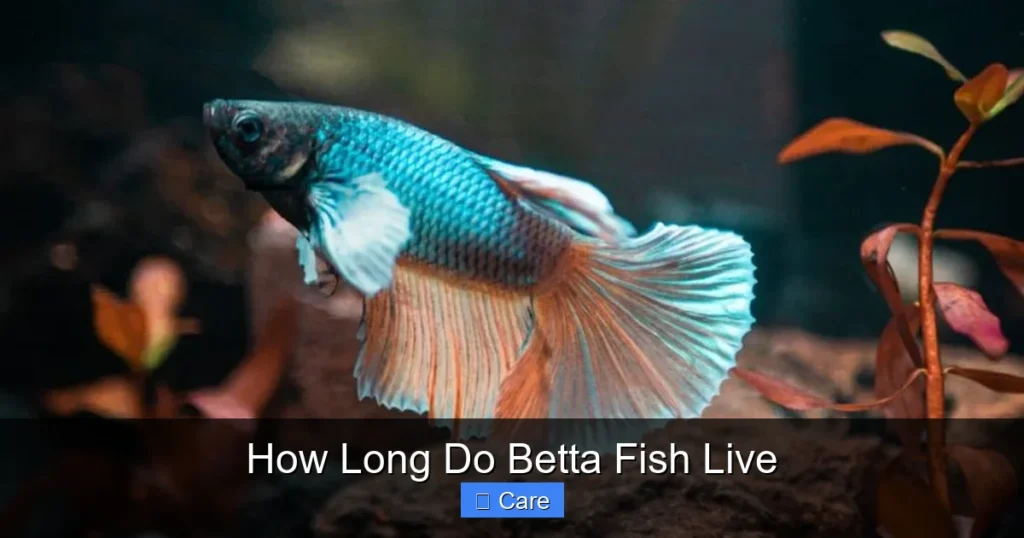
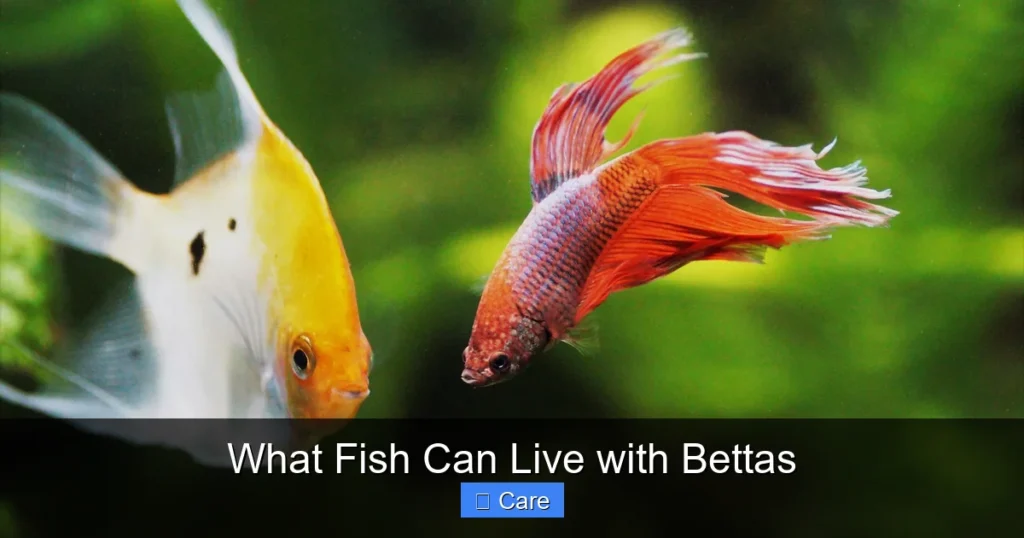
Yes, you can often put other fish with a betta, but success depends entirely on the individual betta’s temperament and meticulous tank setup. Choosing peaceful, non-fin-nipping species from the right water conditions and providing ample space and hiding spots is critical. A careful, monitored introduction process is non-negotiable to prevent aggression and stress. Always have a backup plan, as some bettas are simply too aggressive for community life.
Key Takeaways
- Your Betta’s Personality is Everything: A betta’s willingness to tolerate tank mates is highly individual; some are peaceful, others are violently territorial.
- Tank Size is the #1 Priority: A minimum of 20 gallons is strongly recommended for a community tank with a betta to provide enough space to establish territories and avoid constant conflict.
- Choose Tank Mates with Care: Ideal mates are peaceful, fast-moving, from similar water conditions (tropical), and do not have long, flowing fins that trigger a betta’s aggression.
- The Environment is a Co-Pilot: A heavily planted tank with rocks, driftwood, and decorations creates visual barriers and breaks up line of sight, which is essential for reducing stress and aggression.
- Introduction is a Delicate Process: Never just drop new fish in. Use the “drip acclimation” method for water parameters and a “tank divider” or separate quarantine tank for initial visual monitoring.
- Always Have a Backup Plan: Be prepared to separate the betta or the other fish immediately if signs of persistent aggression, fin-nipping, or extreme stress appear.
- Some Species are Absolute “No’s”: Avoid other long-finned fish (fancy guppies, fancy goldfish), fin-nippers (tiger barbs, some tetras), and aggressive or large cichlids.
📑 Table of Contents
- Can You Put Other Fish with a Betta? The Honest Answer
- Understanding Your Betta: It’s All About Personality
- Choosing the Perfect Tank Mates: The Compatibility Checklist
- Tank Setup: The Foundation for Success
- The Introduction Process: Patience is Not Optional
- Common Pitfalls and Troubleshooting
- Alternatives to Fish: Shrimp, Snails, and Frogs
- Conclusion: A Rewarding Endeavor with the Right Approach
Can You Put Other Fish with a Betta? The Honest Answer
So, you have a beautiful, flaring betta fish in a solo tank. Maybe it’s a stunning half-moon with flowing fins, or a vibrant veiltail that seems to put on a show. You love him, but you can’t shake the feeling that his world is a little… lonely. You dream of a vibrant community tank—a underwater garden teeming with life. The big question burns: can you put other fish with a betta?
The short, frustratingly common answer is: it depends. The longer, more helpful answer is what this entire guide is about. For decades, bettas (Betta splendens) have been unfairly labeled as solitary, aggressive monsters who must live alone. While there is a kernel of truth in their reputation—they are, after all, called Siamese fighting fish for a reason—the reality for most modern bettas is far more nuanced. With careful species selection, a properly sized and decorated tank, and a patient introduction process, many bettas can live peacefully alongside other aquatic creatures.
This guide will strip away the myths and give you a practical, step-by-step framework to decide if your betta can have friends. We’ll dive deep into understanding your betta’s mind, choosing the safest tank mates, setting up the perfect environment, and executing a stress-free introduction. Our goal is to help you create a thriving, harmonious community tank where your betta is just one star in a beautiful constellation.
Understanding Your Betta: It’s All About Personality
Before we even think about other fish, we must talk about the star of the show: your individual betta. The blanket statement “bettas are aggressive” is a disservice to these intelligent, personality-filled fish. Aggression in bettas exists on a massive spectrum, influenced by genetics, upbringing, and even individual mood.
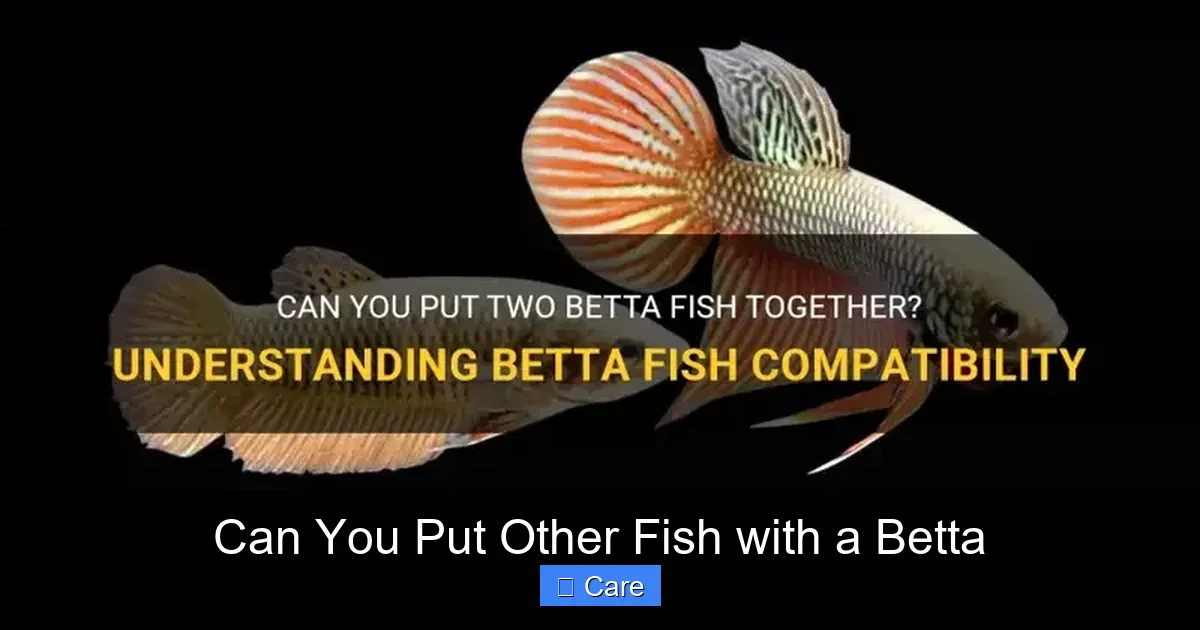
Visual guide about Can You Put Other Fish with a Betta
Image source: petshun.com
The Spectrum of Betta Temperament
You can roughly categorize bettas into three personality types:
- The Peaceful Citizen: This betta is curious but not confrontational. It might flare at a new fish once or twice out of surprise but quickly ignores it. It will often hover in the mid to upper water column and coexist without harassing tank mates. These are the ideal candidates for community tanks.
- The Grumpy Guard: This is the most common type. This betta will establish a favorite spot (a plant, a log) and patrol it. It will flare at any fish that enters its “bubble” but usually won’t chase relentlessly unless provoked. With the right tank setup and adequate space, it can learn to tolerate permanent residents.
- The Bully: This betta is relentless. It will chase, nip, and harass any fish that moves, often leading to the other fish hiding constantly, losing weight, and having torn fins. This betta is not a candidate for a community tank and is best kept as a solitary king or queen.
How do you know which you have? Observation is key. Have you ever tried a temporary introduction using a divider or a clear container in the tank? How does he react to his own reflection (a classic test, but not always accurate)? A truly peaceful betta might show mild curiosity. A grumpy one will put on a full, extended flare display. A bully will try to attack the “intruder” through the glass. Start by honestly assessing your betta’s baseline behavior.
The Role of Environment in Shaping Behavior
A betta’s behavior is not static. A betta in a barren, 1-gallon bowl with no stimulation is more likely to be irritable and aggressive due to stress and boredom. The same fish, in a spacious, planted 20-gallon tank with plenty to explore, may mellow significantly. A rich environment provides mental stimulation and, crucially, breaks up sight lines. We will talk more about this in the tank setup section, but it’s vital to understand that you can influence your betta’s behavior through its surroundings.
Choosing the Perfect Tank Mates: The Compatibility Checklist
Assuming your betta shows signs of being at least a “Grumpy Guard” or better, the next step is choosing appropriate company. This is where most hobbyists go wrong. They pick fish based on color or cuteness, not on compatibility. Your selection criteria must be strict and logical.
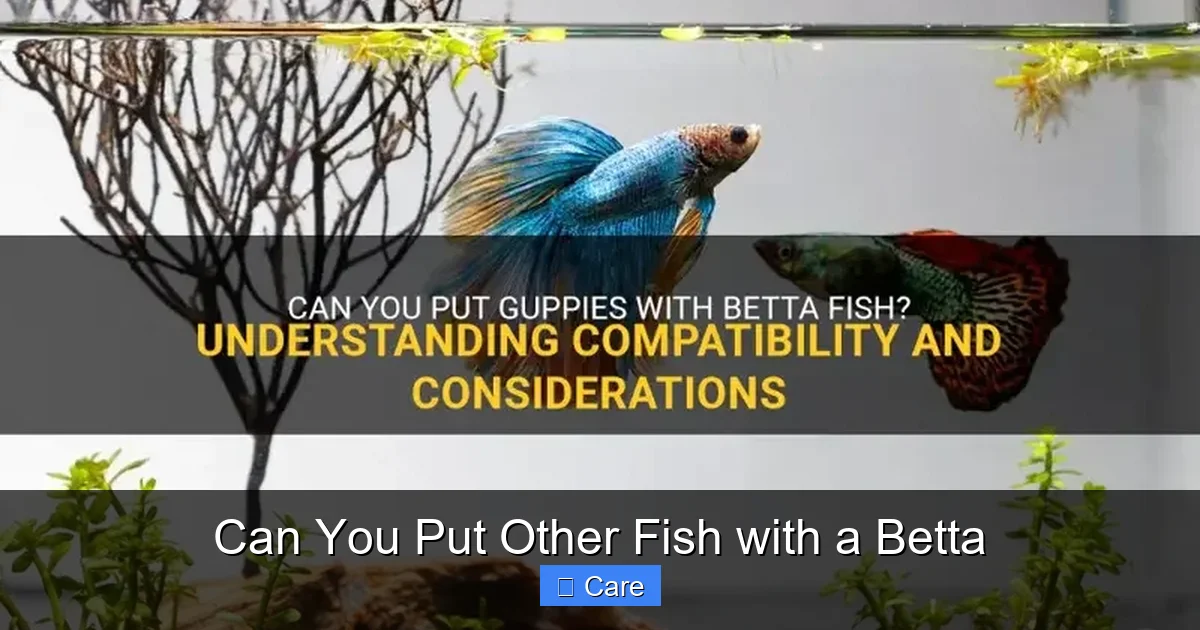
Visual guide about Can You Put Other Fish with a Betta
Image source: petshun.com
The Golden Rules of Tank Mate Selection
When evaluating any potential tank mate, run it through this checklist:
- 1. Temperament: The fish must be peaceful, non-aggressive, and not a fin-nipper. It should be confident enough to not be bullied by your betta but not assertive enough to challenge it.
- 2. Activity Level & Water Column: The ideal mate occupies a different “zone” of the tank than your betta. Bettas are primarily top and mid-level swimmers. Look for fish that stay near the bottom (like corydoras catfish) or are fast, mid-schoolers that can quickly move out of the way if a flare occurs.
- 3> Fin Type: Absolutely avoid fish with long, flowing fins (fancy guppies, fancy goldfish, some angelfish). These trigger the betta’s instinct to attack anything that looks like a rival male betta. Short-finned or normal-finned varieties are a must.
- 4. Size: The other fish should be a similar size or slightly smaller. Very large fish can intimidate or eat the betta. Very tiny fish (like some tiny rasboras) might be seen as food.
- 5. Water Parameters: All inhabitants must thrive in the same water conditions. Bettas are tropical fish, preferring warm water (78-80°F / 25.5-26.5°C) and a neutral to slightly acidic pH. Do not pair them with cold-water fish like goldfish.
- 6. Schooling Requirement: Many of the best candidates are schooling fish. They must be kept in groups of 6 or more. This is for their stress levels—a single schooling fish is a stressed, nervous fish that will draw unwanted attention.
Top Recommended Tank Mates for Bettas
Here are species that consistently score well on the compatibility checklist. Remember, no fish is 100% guaranteed, but these are your safest bets.
- Neon Tetras & Other Small Tetras (Cardinal, Rummy-nose, Ember): These are classic choices. They are small, peaceful, schooling fish that stay primarily in the mid-water column. Their speed and tight schooling behavior make them difficult for a betta to single out. Keep them in groups of 10+ for the best effect. Caution: Some individual bettas may fixate on a straggler.
- Harlequin Rasboras: Similar to tetras but with a more robust body. They are hardy, peaceful, and active. Their orange/red coloration can be stunning against a blue betta. A school of 8-10 creates beautiful, active movement in the tank.
- Corydoras Catfish (Cory Cats): The #1 bottom-dweller recommendation. These small, armored catfish are adorable, peaceful scavengers that sift the sand for food. They occupy a completely different tank zone, are hardy, and come in many varieties (Pygmy, Panda, Bronze). Keep them in groups of 6+. Their spiny fins provide no temptation for a betta.
- Kuhli Loaches: If you want something more unique, Kuhli loaches are eel-like, peaceful bottom dwellers that are mostly nocturnal. They burrow and slither through decorations, providing endless fascination without ever bothering your betta. Keep in groups of 3+.
- Otocinclus Catfish (Otto Cats): The dedicated algae eater. These tiny, suckermouth catfish are completely harmless and spend their time clinging to glass and leaves, cleaning the tank. They are very sensitive to water quality, so a mature, clean tank is essential. Get 3-5.
- African Dwarf Frogs (ADF): A truly unique invertebrate companion! These fully aquatic frogs are peaceful, funny, and occupy the bottom/mid levels. They are slow-moving and can be bullied by an aggressive betta, so careful observation is needed. They require excellent water quality and easy access to the surface to breathe.
- Amano Shrimp & Ghost Shrimp: Large shrimp like Amanos are excellent cleanup crew. They are too big to be considered food by most bettas and are fascinating to watch. Ghost shrimp are even more expendable but can be a good test. Note: Cherry shrimp are often eaten, especially by larger bettas.
Fish to Avoid at All Costs
This list is just as important as the “good” list. Steer clear of these categories:
- Fin-Nippers: Tiger Barbs, Serpae Tetras, some Danios (like the Giant Danio), and even some Black Skirt Tetras have a notorious habit of nipping at the long, flowing fins of a betta. This causes severe stress, infection, and a ragged, miserable betta.
- Aggressive or Territorial Fish: Most Cichlids (like Oscars, convicts), some Gouramis (other Bettas, Paradise Fish, some Dwarf Gouramis), and large, aggressive Barbs will either fight with or terrorize your betta.
- Fish with Long, Flowing Fins: Fancy Guppies, Fancy Goldfish (even the “common” comet or shubunkin goldfish are too messy and cold-water), and Fancy Mollies. Their fins are a red flag to a betta.
- Very Large or Predatory Fish: Anything that could fit your betta in its mouth is an obvious no. This includes large catfish, large gouramis, and many larger cichlids.
- Goldfish (Any Kind): This cannot be stated enough. Goldfish are cold-water fish that produce massive amounts of waste. They belong in a completely different ecosystem than a tropical betta. Do not mix them.
Tank Setup: The Foundation for Success
You could have the most peaceful betta in the world and the most docile neon tetras, but if you put them in a bare 5-gallon tank, it will end in disaster. The aquarium itself is your most powerful tool for managing behavior. A good setup provides escape, reduces stress, and makes it impossible for your betta to constantly harass other fish.
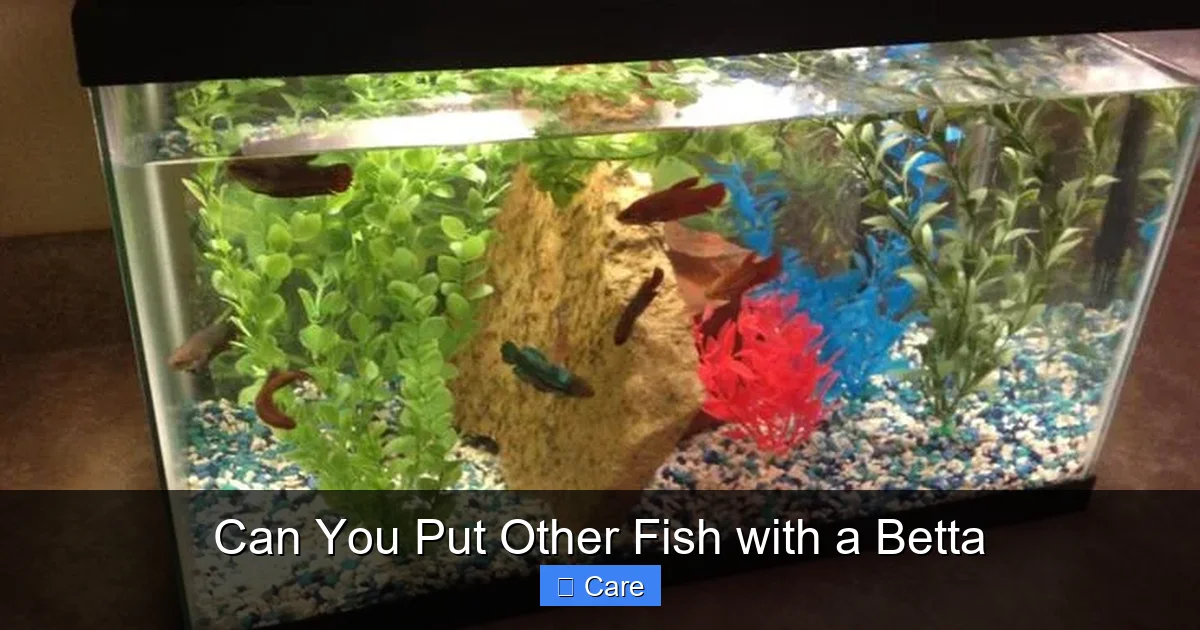
Visual guide about Can You Put Other Fish with a Betta
Image source: i.pinimg.com
Tank Size: Bigger is Infinitely Better
Let’s be clear: a betta can live in a 5-gallon tank alone and have a good life. But for a community tank, 5 gallons is the absolute, bare minimum and is not recommended. The goal is to dilute the betta’s presence and provide territories for everyone. The widely accepted minimum for a betta community is a 20-gallon long tank.
Why 20 gallons? In a 20-gallon long (30″ x 12″ x 12″), the horizontal swimming space is key. Your betta can patrol one end, while a school of tetras actively swims the other. The water volume dilutes any aggression and makes waste management easier. A 20-gallon tank also allows you to create distinct zones with decor. If you have the space and budget, a 29-gallon or larger is even better. The extra space is always a bonus for fish health and your viewing pleasure.
Aquascaping for Peace: Creating a Visual Maze
The single most important aspect of your decor is to break the line of sight. If your betta can see a fish across an open expanse, it will perceive it as an intruder in its territory. The solution is to create a physical barrier.
- Plants, Plants, and More Plants: Use live plants (Anubias, Java Fern, Cryptocoryne, Amazon Swords) or high-quality silk plants. Create dense patches, especially in the mid-level and along the back and sides. Floating plants (like Frogbit or Salvinia) are a godsend; they cover the surface, which bettas love, and block the view from above.
- Hardscape is Key: Rocks, driftwood, and terracotta pots create caves, overhangs, and tunnels. Position them to create nooks and crannies where smaller fish can dart into and be out of sight. A well-placed piece of driftwood can be the dividing line between the betta’s domain and the school of tetras’.
- Open Swimming Space: While you need barriers, you also need a clear area in the center or front for active swimmers like tetras and rasboras to exhibit their natural behavior. Aim for a balance: about 50% structured with plants/decor, 50% open.
Essential Equipment
A community tank has a higher bioload than a solo betta tank.
- Filtration: A filter rated for at least your tank size (e.g., a filter for a 30-gallon tank on a 20-gallon) is essential. Choose one with an adjustable flow, as bettas prefer calm water. Use the filter’s outflow spray bar or a pre-filter sponge to baffle the current and prevent it from blowing your betta around.
- Heater: A reliable, adjustable aquarium heater is non-negotiable. Maintain a stable temperature of 78-80°F (25.5-26.5°C). A sudden drop can trigger aggression or illness.
- Lighting: Standard aquarium lighting is fine. Avoid extremely bright lights, which can stress fish. If using live plants, ensure your lighting meets their needs.
- Cover/Lid: Bettas are labyrinth fish and need access to the air. A secure lid is mandatory to prevent escapes. Ensure there is space between the water surface and the lid for your betta (and any frogs) to gulp air.
The Introduction Process: Patience is Not Optional
You have a 20-gallon, fortress-like aquascape. You have a peaceful betta and a school of neon tetras. Now, the moment of truth. How you introduce them will make or break the entire endeavor. Never, ever simply net the new fish and drop them into the betta’s established tank. This is a recipe for instant, fatal aggression.
Step 1: Quarantine and Acclimate the New Fish
First, any new fish should be quarantined in a separate tank for at least 2-4 weeks. This prevents the introduction of diseases or parasites into your main display tank. It also gives you time to observe them for illness.
When the time comes, you must acclimate the new fish to your main tank’s water parameters. The drip acclimation method is the gold standard:
- Float the bag or container with the new fish in your main tank for 15-30 minutes to equalize temperature.
- Set up a siphon line (airline tubing with a knot to control drip) from your main tank to the quarantine container.
- Slowly drip main tank water into the quarantine container over 1-2 hours. The water volume in the container should roughly double.
- Gently net the fish from the quarantine container and place it into the main tank. Do not add any bag water.
Step 2: The Visual Barrier Introduction (The “Tank Divider” Method)
This is the most critical and recommended method for introducing a betta to new tank mates. You need a clear divider that fits snugly inside your tank, or a separate clear tank/container that can sit inside the main tank.
- Prepare: Have your community tank fully cycled, decorated, and running with the betta already inside. The betta should have been in this tank for at least a week to establish its territory.
- Acclimate: Acclimate your new fish (e.g., the tetras) to the main tank water using the drip method, but place them in the clear divider section or the internal container.
- The Observation Period: For the next 24-48 hours, watch the interactions through the clear barrier. The betta will likely flare. This is normal. What you are looking for is escalation. Is the betta persistently trying to get through the divider? Is it displaying at the same spot for hours? Or does it flare once or twice and then go about its business?
- The Decision Point: After 48 hours of observation, if the betta’s aggression seems to be diminishing (it flares less, ignores the fish), you can proceed. If the betta is in a constant, heightened state of aggression, the introduction is a no-go. You will need to return the new fish or set up a permanent divided system.
- Release: At night, when fish are less active, slowly remove the divider or internal container, allowing the new fish to swim freely. Keep a close eye for the first few hours. Have a net and a backup quarantine tank ready to remove either party at the first sign of trouble.
Step 3: Post-Introduction Monitoring
For the first week, be a silent observer. Watch for:
- Normal Flaring: A few initial flares are okay. Bettas need to assert dominance.
- Chasing: A quick chase that ends is usually okay. Relentless, all-day chasing is not.
- Hiding: The new fish should explore within a day or two. If they are permanently hiding in the back corner, the betta’s presence is too stressful.
- Fin Damage: Check your betta and the other fish daily for torn, shredded, or missing fins. This is a clear sign of bullying.
- Loss of Appetite: A stressed fish will often stop eating. Ensure all fish are taking food.
If problems persist beyond a week without improvement, you must separate them. Do not hope they will “work it out.” The stress will compromise their immune systems and lead to disease or death.
Common Pitfalls and Troubleshooting
Even with the best planning, things can go wrong. Here’s how to handle common scenarios.
“My betta is chasing the new fish constantly!”
First, ensure your tank is large enough and heavily decorated. If it is, the betta may just be establishing dominance. Give it 48-72 hours. If chasing is relentless (non-stop for hours, the other fish is exhausted), you have an incompatible betta. You must separate them. The other fish’s life is at risk from stress.
“My betta has torn fins!”
This is usually a sign the other fish is a fin-nipper, even if you didn’t think it was. Remove the betta immediately to a hospital tank to recover. The other fish is the problem and must be rehomed.
“The new fish are always hiding and won’t eat.”
This indicates your betta’s presence is too intimidating. The tank may need more hiding spots, or the betta may be too aggressive for this particular group. You can try adding a large, opaque background to one side of the tank to give the school a “safe wall.” If behavior doesn’t improve in a week, rehome the school.
“Can I put a female betta with other fish?”
Yes! Female bettas are often (but not always) less aggressive than males. They can sometimes be housed in sororities (groups of 4-5 females in a 40+ gallon tank) or even with peaceful tank mates under the same guidelines as males. However, individual female bettas can still be quite territorial, so the same careful introduction process applies. Their smaller fins also tend to trigger less aggression from other fish.
Alternatives to Fish: Shrimp, Snails, and Frogs
If your betta proves too feisty for fish companions, don’t despair! There are other, often hardier, invertebrates that can make fantastic tank mates.
The Shrimp Conundrum
Shrimp are a popular addition, but with caveats.
- Amano Shrimp (Caridina multidentata): The best choice. They are large (2+ inches), fast, and primarily algae eaters. Most bettas ignore them or can’t catch them. They thrive in groups of 3-5.
- Ghost Shrimp / Glass Shrimp: These are transparent and very inexpensive. They are a good “canary in the coal mine”—if your betta eats one, you know it’s predatory. They can often be kept in groups, but some will be lost.
- Cherry Shrimp & Other Neocaridina: These colorful, smaller shrimp are at high risk. A curious or hungry betta will see them as tasty snacks. Only attempt with a very peaceful, well-fed betta in a large, heavily planted tank. You may start with a large colony and lose many over time.
Snails: The Ultimate Peaceful Janitors
Snails are almost always safe. They are too slow and hard-shelled to be of interest.
- Nerite Snails: The best algae eaters. They come in many beautiful patterns (zebra, horned, olive). They do not reproduce in freshwater (they need brackish water to breed), so you won’t have a population explosion.
- Mystery / Apple Snails: Larger, peaceful snails that will eat leftover food and some algae. They can produce a lot of waste, so don’t overstock. Some varieties can grow quite large (tennis ball size).
- Ramshorn & Trapdoor Snails: Smaller pest snails that can actually be beneficial cleanup crew. Some hobbyists consider them pests if they overpopulate, but a betta will usually leave them alone.
African Dwarf Frogs (ADF)
As mentioned earlier, these are fascinating, fully aquatic frogs. They are peaceful, social (keep in pairs or groups), and have a quirky personality. They require pristine water quality and easy access to the surface. The main risk is a very aggressive betta bullying them. A peaceful betta and a group of ADFs can make a wonderful, unique community.
Conclusion: A Rewarding Endeavor with the Right Approach
So, can you put other fish with a betta? The answer, after all this consideration, is: you can try, but you must do it right. It is not a casual decision. It is a project that requires research, investment in proper equipment, patience, and a willingness to make adjustments.
Start by knowing your betta. Is it a chill dude or a tiny tyrant? Then, build the environment first—a 20+ gallon tank that is a jungle of hiding spots and visual barriers. Choose your tank mates from the safe list, respecting their schooling needs. Go through the slow, deliberate introduction process with a divider. And above all, be prepared to be the judge, jury, and executioner of the community if it’s not working. Your responsibility is to the well-being of every creature in that tank.
The reward for getting it right is immense. A well-chosen community tank is a dynamic, ever-changing piece of living art. You’ll see your betta interacting—maybe even tolerating—the other fish. You’ll see the neon tetras flashing like jewels in the open water and the cory cats waddling along the sand in a cute, synchronized dance. It transforms your betta from a solitary showpiece into a participant in a vibrant ecosystem. It is one of the most rewarding achievements in the aquarium hobby. Go in with eyes open, plan meticulously, and you just might create the peaceful community you’ve been dreaming of.
Frequently Asked Questions
Can a male and female betta live together?
No, not permanently. A male and female can be temporarily housed for breeding under strict supervision, but a male will almost always harass and kill a female if kept together long-term. They are not compatible tank mates.
What is the smallest tank I can use for a betta with other fish?
While a 5-gallon tank is the absolute minimum for a *solo* betta, it is not suitable for any tank mates. The minimum recommended size for a betta community is 20 gallons to provide enough space for territories and reduce stress.
Can bettas live with goldfish?
Absolutely not. Goldfish are cold-water fish that pollute the water heavily and prefer temperatures around 65-70°F. Bettas are tropical fish needing 78-80°F. Their needs are completely incompatible, and the goldfish’s waste would quickly foul a betta’s water.
Are shrimp safe with bettas?
It depends on the shrimp and the betta. Large, fast shrimp like Amanos are usually safe. Small, colorful shrimp like Cherry shrimp are at high risk of being eaten, especially by larger or more aggressive bettas. Treat it as a calculated risk.
How long should I wait before adding other fish to a new betta tank?
You should wait at least 4-6 weeks after setting up a new tank before adding any fish, including tank mates for your betta. This allows the tank to fully cycle, establishing beneficial bacteria that process fish waste. Adding fish to an uncycled tank will cause toxic ammonia spikes and kill your fish.
My betta flares at me through the glass—does that mean it’s aggressive?
Not necessarily. Flaring at a reflection or a moving finger is often a sign of curiosity or territorial defense of its own space against a perceived intruder (you). It doesn’t directly predict how it will react to a slow-moving, non-threatening fish like a cory catfish. Use the divider test for an accurate assessment.