Where Do Betta Fish Live in the Wild
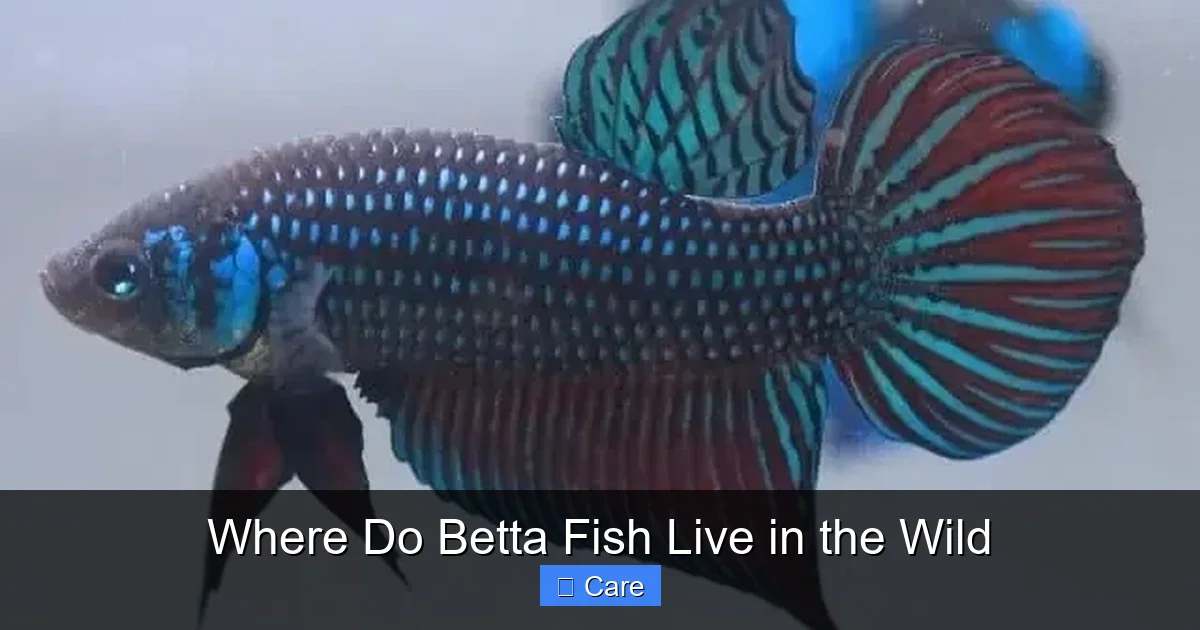
Contrary to popular belief, wild betta fish (Betta splendens) are not found in tiny, isolated puddles. They are native to the slow-moving, shallow waters of Southeast Asia, including rice paddies, marshes, and the vegetated edges of streams and canals. Their environment is warm, often low in oxygen, and densely planted. Understanding this natural habitat is crucial because it reveals why bettas need warm water, surface access for breathing, and hiding places in captivity. Their famous aggression is a trait honed for defending small territories within these vast, complex ecosystems, not for surviving in cramped bowls.
Key Takeaways
- Geographic Origin: Wild bettas are native to the tropical regions of Southeast Asia, specifically Thailand, Cambodia, Vietnam, and parts of Malaysia and Indonesia.
- Habitat Type: They inhabit shallow, slow-moving or stagnant bodies of water like rice paddies, marshes, swamps, drainage ditches, and the vegetated margins of streams and canals.
- Water Conditions: Their natural water is warm (often 75-85°F / 24-29°C), can be low in dissolved oxygen, and ranges from slightly acidic to slightly alkaline, with a soft to moderately hard composition.
- Key Adaptation: The betta’s famous labyrinth organ allows it to breathe atmospheric air directly from the surface, a critical survival tool in their oxygen-poor habitats.
- Vegetation is Vital: Dense aquatic and overhanging surface plants provide essential shelter, breeding sites, security, and help maintain water quality by absorbing excess nutrients.
- Territorial Behavior: Males are highly territorial and defend small, resource-rich patches of habitat (like a clump of plants), which explains their solitary nature and aggression towards other males.
- Conservation Status: While not currently endangered, wild betta populations face threats from habitat loss due to palm oil plantations, pollution, and the aquarium trade, making habitat preservation important.
📑 Table of Contents
- Introduction: Beyond the Bowl
- The Cradle of the Betta: Geographic Origins in Southeast Asia
- Natural Habitat: Not a Puddle, but a Complex Ecosystem
- Water Conditions: The Physical and Chemical Blueprint
- Behavioral Ecology: Territory, Breeding, and Survival
- Human Impact and Conservation: A Fragile Wild Home
- Connecting the Wild to Your Tank: Applying the Knowledge
- Conclusion: A Privilege and a Responsibility
Introduction: Beyond the Bowl
When you picture a betta fish, the classic image is often one of a solitary, flamboyant fish swimming in a small, ornate vase or bowl. This pervasive myth, while convenient for marketing, is a profound disservice to one of the aquarium world’s most fascinating creatures. To truly understand the betta fish—to provide it with the life it deserves in our care—we must journey to its ancestral home. Where do betta fish live in the wild? The answer is a world away from a glass prison, revealing a complex, dynamic, and surprisingly robust ecosystem that forged the betta’s iconic traits.
Wild bettas, scientifically known as Betta splendens and often called Siamese fighting fish, are native to the tropical heart of Southeast Asia. Their natural distribution is not random; it’s a story written in water, vegetation, and climate. They are creatures of the monsoon, adapted to environments that shift with the seasons. By exploring their true wild habitat—the rice paddies of Thailand, the flooded forests of Cambodia, the blackwater streams of Vietnam—we unlock the secrets to their physiology, their fiery temperament, and, most importantly, the blueprint for their optimal welfare in our homes. This isn’t just an academic exercise; it’s the foundation of ethical and enlightened betta husbandry.
The Cradle of the Betta: Geographic Origins in Southeast Asia
The story of the wild betta begins in a specific geographic theater. The genus Betta comprises over 70 species, but the iconic Betta splendens hails from a core region that includes central and northern Thailand, the Mekong River basin in Cambodia and Vietnam, and parts of southern Myanmar and Malaysia. This area is characterized by a tropical monsoon climate with distinct wet and dry seasons, a rhythm that dictates the betta’s entire existence.
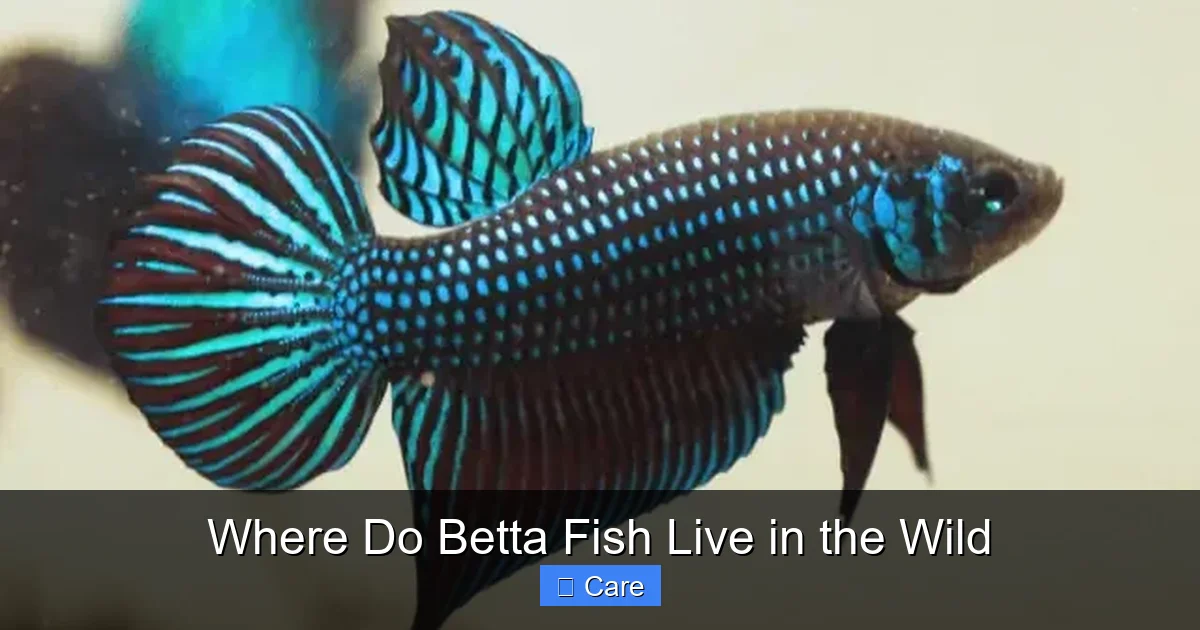
Visual guide about Where Do Betta Fish Live in the Wild
Image source: japanesefightingfish.org
A Landscape Shaped by Water
Imagine the landscape not as permanent rivers, but as a vast, seasonal sponge. During the heavy rains, low-lying plains flood completely. Fields become lakes, forests become swamps, and tiny drainage channels overflow. It is in these newly formed, transient aquatic worlds that bettas thrive. They are not fish of deep, fast-flowing rivers. Instead, they are masters of the ephemeral floodplain. This seasonal flooding creates a mosaic of isolated but connected shallow water bodies—perfect for a species that can survive in low-oxygen conditions and uses these floods to disperse to new territories. The dry season then concentrates them into remaining pools and deep channels, increasing competition and shaping their tenacious survival skills.
Natural Habitat: Not a Puddle, but a Complex Ecosystem
The most critical misconception to dismantle is that wild bettas live in muddy, isolated puddles. While they can be found in such conditions during the harshest dry periods, their preferred and most abundant habitat is a surprisingly rich and structured environment. The quintessential wild betta home is the shallow, slow-moving water body choked with vegetation.
The Rice Paddy Paradise
Perhaps the most famous and well-documented habitat is the flooded rice paddy. During the growing season, these agricultural fields are ankle-deep in still, warm water. They are not barren mud flats. They are teeming with life: algae blooms on the surface, submerged grasses, insect larvae, and tiny crustaceans. The water is often tannin-stained from decaying plant matter, creating soft, acidic conditions. For a betta, a rice paddy is a paradise of food, cover from predators like herons and cats, and perfect territory-defining vegetation. The dikes between paddies and the irrigation canals that feed them form interconnected highways for bettas to move through.
Marshes, Swamps, and Blackwater Streams
Beyond agriculture, natural marshes and swamps offer similar conditions. These are areas where water accumulates in dense, root-filled soils. The water is typically dark brown—hence “blackwater”—due to tannins and humic acids from decaying vegetation. This dark water provides camouflage and is slightly acidic and very soft. At the edges of slower-moving streams and canals, where the current is negligible and plants like water hyacinth, duckweed, and hornwort form dense mats, bettas establish their domains. The key unifying feature across all these habitats is dense, complex structure at and near the water’s surface.
Water Conditions: The Physical and Chemical Blueprint
The physical and chemical parameters of a betta’s wild home are not arbitrary; they are the direct selective pressure that shaped its most famous biological feature: the labyrinth organ. Understanding these parameters is non-negotiable for proper captive care.
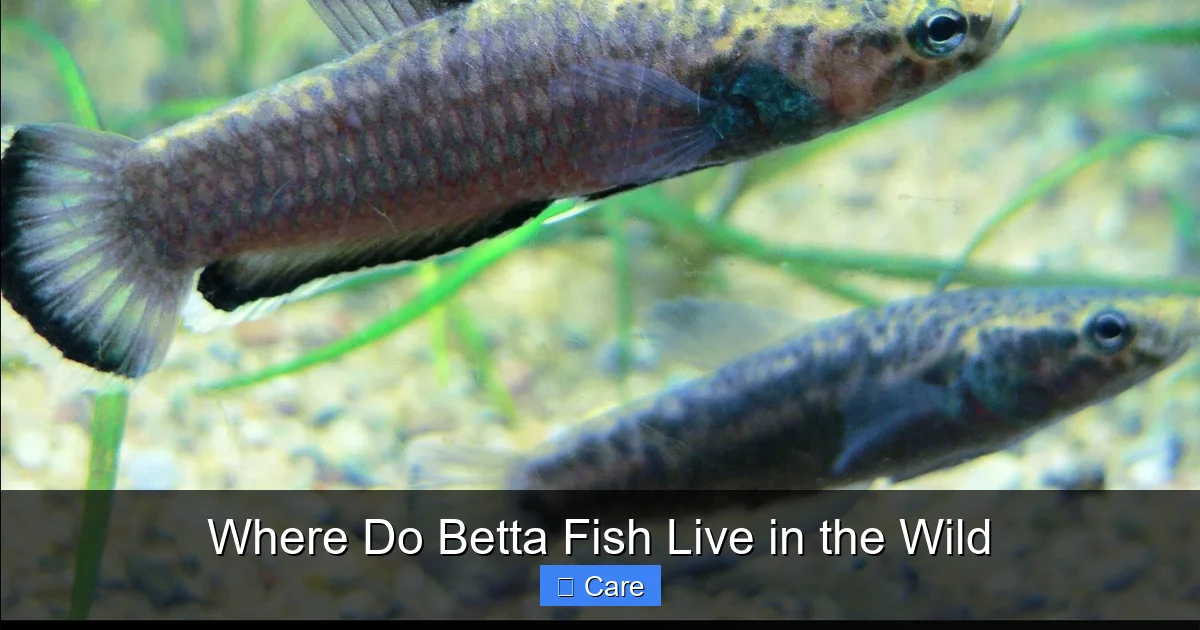
Visual guide about Where Do Betta Fish Live in the Wild
Image source: buildyouraquarium.com
Temperature and Oxygen: The Labyrinth’s Purpose
The tropical sun beats down on shallow water, rapidly warming it. Daytime temperatures in a Thai rice paddy can easily soar to 85-90°F (29-32°C). This warmth is a double-edged sword. Warm water holds far less dissolved oxygen than cool water. In a stagnant, plant-choked pool, oxygen levels can plummet, especially at night when plants respire. This is the environmental crucible that led to the evolution of the labyrinth organ—a specialized structure that allows bettas to gulp air from the surface and extract oxygen from it. In captivity, this means bettas must have access to clean air at the water’s surface. A tight lid that restricts surface access, or a water surface covered entirely by dense floating plants that prevent gulping, can suffocate them. A water temperature consistently below 75°F (24°C) can also impair their metabolism and immune function, as they are evolved for warm conditions.
pH, Hardness, and Tannins
The water chemistry in blackwater habitats is typically soft (low in dissolved minerals) and acidic (pH 5.5-7.0), due to the tannins from decaying vegetation. However, bettas are found across a range, including slightly alkaline limestone-influenced streams. Their adaptability is key, but the stable, soft, slightly acidic to neutral conditions of their core habitat are ideal. In the aquarium, this translates to a preference for softer water. While they can adapt to harder, more alkaline tap water, using driftwood, Indian almond leaves, or peat filtration can help replicate the beneficial tannins and humic substances from their wild home. These tannins have mild antibacterial and antifungal properties and can help reduce stress, mirroring their natural environment.
Behavioral Ecology: Territory, Breeding, and Survival
Observing a betta’s behavior in a tank—its flaring, its bubble nest building, its territorial pacing—is a direct window into the survival strategies honed in the wild. Every instinct has a wild origin story.
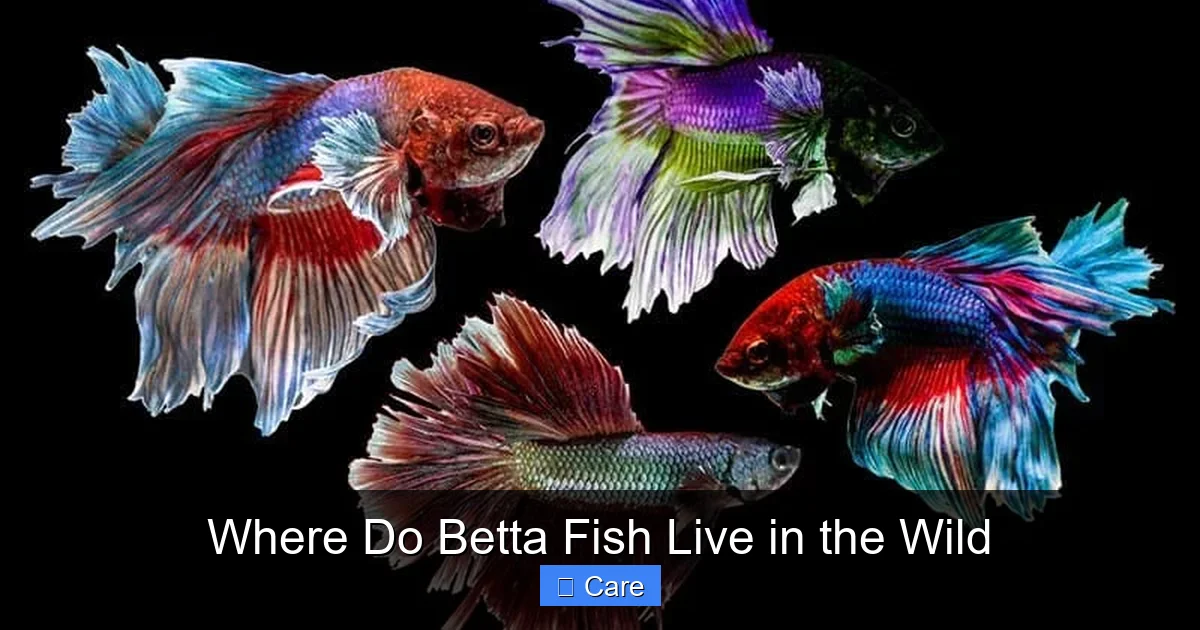
Visual guide about Where Do Betta Fish Live in the Wild
Image source: petpad.net
The Solitary Territorial Male
The male betta’s infamous aggression is not a personality flaw; it is a resource-defense strategy. In the wild, a male claims a small, valuable patch of habitat—a clump of plants, a shady spot under a overhanging leaf, a root system. This territory must contain or be adjacent to: 1) a surface for building a bubble nest, 2) ample hiding places for the female to approach safely, and 3) a good supply of insect larvae and other food. He will vigorously chase away any intruding male to protect these resources. This is why housing two male bettas together is a recipe for disaster; in the wild, they would simply establish separate territories, not share one. The female, in contrast, is less territorial and will move through various areas, choosing a mate based on the quality of his territory and nest.
The Bubble Nest: An Engineering Marvel
The iconic bubble nest is one of the most remarkable reproductive adaptations in the fish world. A male betta uses air gulped from the surface and coated with saliva to create a floating raft of bubbles. This structure serves multiple purposes: it oxygenates the eggs after spawning, protects them from soil and debris in the murky water, and provides a visual signal to the female of a successful, territory-holding male. The nest is built under a overhanging leaf or plant stem for stability and camouflage. In your aquarium, providing a smooth leaf (like an Indian almond leaf) or a piece of floating vegetation gives a male a natural anchor point for this instinctual behavior, reducing stress and encouraging breeding.
Human Impact and Conservation: A Fragile Wild Home
The wild habitats that gave us the betta are under increasing pressure. While Betta splendens is listed as “Least Concern” by the IUCN, this belies localized threats that are eroding wild populations and genetic diversity. The very landscapes that shaped this fish are changing rapidly.
Habitat Loss: The Palm Oil and Agriculture Threat
The biggest threat is outright habitat destruction. Vast areas of Southeast Asian wetlands are being drained and converted to palm oil plantations or other agricultural uses. This permanently removes the shallow, vegetated waters bettas require. Pollution from agricultural runoff (pesticides, fertilizers) and urban development degrades water quality, making habitats toxic. In Thailand, the type locality for the original wild betta, many traditional habitats have been significantly altered. This loss of pure wild habitat not only reduces population numbers but also fragments them, making genetic exchange between groups difficult.
The Aquarium Trade: A Double-Edged Sword
The global popularity of bettas has created a multi-billion dollar industry, almost entirely based on captive-bred fish. This has, in a way, relieved pressure on wild populations for the ornamental trade. However, there is a niche market for “wild-type” bettas, and collectors sometimes harvest from the wild. More insidiously, the release of non-native, captive-bred bettas (often with altered colors and finnage) into local waterways can threaten native Betta species through competition, hybridization, and disease transmission. Responsible aquarists must never release pet fish into the wild. True conservation focuses on protecting the wild habitats and the pure, native genetic lines that exist there, which are a reservoir of genetic diversity crucial for the species’ long-term health.
Connecting the Wild to Your Tank: Applying the Knowledge
This journey into the wild is not just interesting trivia; it is the ultimate guide to betta care. Every element of their natural habitat provides a direct instruction for their captive environment. The goal is not to create a sterile, minimalist “betta bowl,” but to build a rich, complex micro-habitat that caters to their physical and psychological needs.
Tank Size and Layout: More Than a Cup
The “small bowl” myth stems from a misunderstanding of their ability to survive in oxygen-poor water. Survival is not thriving. In the wild, a male’s territory might span several square feet of interconnected plants and channels. The absolute minimum tank size for a single betta is 5 gallons (19 liters), but 10 gallons (38 liters) or more is vastly preferable. This space allows for a proper thermal gradient, stable water parameters, and, most importantly, the space to create a complex landscape. Use this space to replicate the vertical structure of their home: a substrate of soft sand or fine gravel, dense clusters of live plants (like Cryptocoryne, Anubias, Java Fern), and especially floating plants or broad-leaved plants like Java Moss or Water Sprite that reach the surface. These provide the critical sense of security and territory that reduces stress and fin-nipping.
Water Quality and Filtration: Still, but Clean
Their wild home is still, not stagnant. It is nutrient-rich but cycled by the ecosystem of plants and microorganisms. In the aquarium, this means a gentle filter is essential to process waste, but the flow should be minimal. A sponge filter is an excellent choice, as it provides gentle biological filtration and a source of micro-bubbles without creating a strong current. The water should be kept warm (78-80°F / 25.5-26.5°C is ideal) and clean. Regular water changes (25-50% weekly in a filtered tank) are non-negotiable to remove nitrates and replenish trace elements, mimicking the natural dilution that occurs with seasonal rains. The use of botanicals like Indian almond leaves or alder cones can help soften water, release beneficial tannins, and create a more natural blackwater environment.
Conclusion: A Privilege and a Responsibility
To ask “where do betta fish live in the wild?” is to uncover a narrative of resilience, beauty, and ecological specificity. The betta is not a disposable ornament for a desk; it is a product of the monsoon-flooded plains of Southeast Asia, a fish that breathes air, builds floating castles for its young, and defends its patch of green with spectacular courage. Its vibrant colors and flowing fins, so exaggerated in captivity, are the flamboyant banners of a male advertising a prime territory in a competitive, plant-filled world.
When we bring a betta into our homes, we inherit a responsibility. That responsibility is to honor its wild ancestry by providing not just the bare minimum—a warm cup of water—but a thriving ecosystem. A spacious, planted tank with warm, clean water, surface access, and hiding places is not a luxury; it is the translation of its natural habitat into our living rooms. By understanding the rice paddies, the blackwater swamps, and the seasonal floods, we move beyond myth and into a realm of true appreciation. We become not just owners, but stewards of a wild spirit, ensuring that the betta’s story, both in the wild and in our care, continues to flourish for generations to come. The next time you see a betta flare its gills, remember: you are not just seeing a pretty fish in a tank. You are witnessing the echo of a territorial dispute in a Cambodian marsh, a display of survival honed over millennia in the aquatic wilds of Southeast Asia.
Frequently Asked Questions
Do betta fish live in small puddles in the wild?
While they can survive in isolated, shrinking pools during the dry season, their preferred and most common habitat is larger, shallow, vegetated waters like rice paddies and marshes. They are adapted to low-oxygen environments but thrive in complex ecosystems, not tiny puddles.
What is the natural water temperature for wild bettas?
The natural water temperature in their Southeast Asian habitats typically ranges from 75°F to 85°F (24°C to 29°C), often on the warmer side due to shallow, sun-exposed waters. They are tropical fish and require consistently warm water in captivity to thrive.
Why do bettas need access to the water’s surface?
Wild bettas possess a labyrinth organ, which allows them to breathe atmospheric air. This adaptation evolved to survive in warm, oxygen-poor waters. In captivity, they must have access to clean air at the surface; a completely covered water surface can suffocate them.
Are wild bettas more aggressive than pet store bettas?
The aggression level is similar, as it’s an innate territorial trait. However, wild bettas are generally smaller, with shorter fins, and their aggression is focused on defending a small patch of real territory against rival males in a vast, complex environment—a context very different from a small tank.
Can I replicate a wild betta’s habitat in my aquarium?
Absolutely! You can mimic their habitat by using a tank of at least 5 gallons, adding a soft substrate, densely planting it with live plants (especially floating and surface-reaching types), maintaining a warm temperature (78-80°F), using a gentle filter, and optionally adding botanicals like Indian almond leaves to soften water and release tannins.
Are wild betta fish endangered?
The species Betta splendens is currently listed as “Least Concern” by conservation organizations. However, wild populations face localized threats from habitat destruction (e.g., for palm oil plantations), pollution, and drainage of wetlands. Preserving their natural wetland habitats is crucial for their long-term survival in the wild.