Is Fishing Better in the Rain
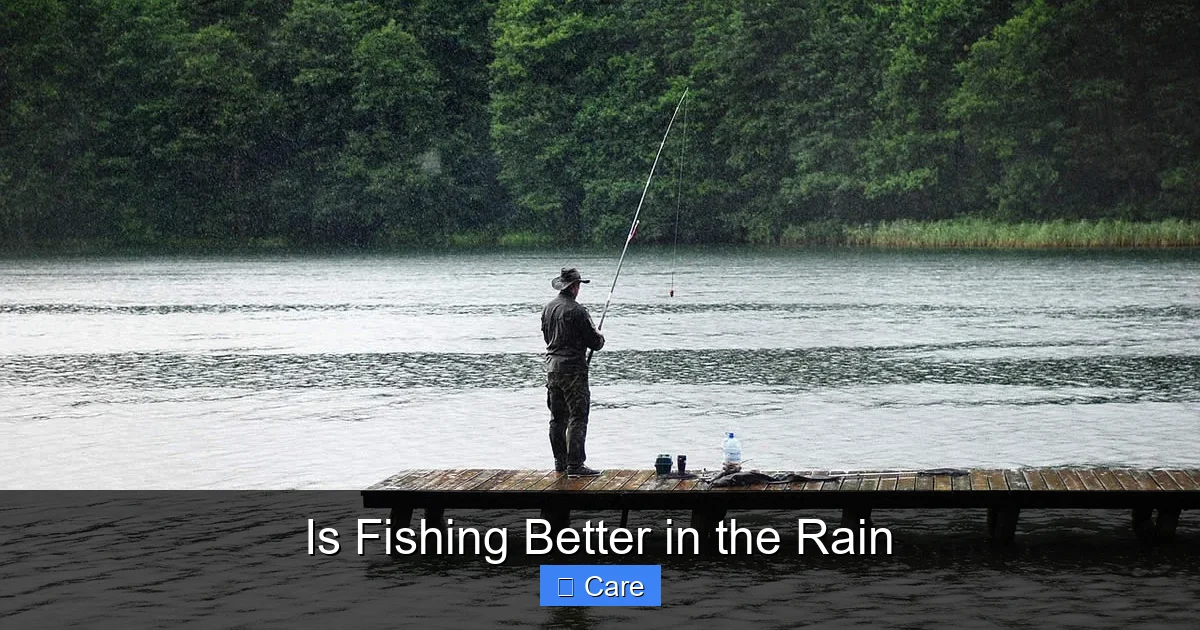
Fishing in the rain can be surprisingly productive. Cloud cover, cooler water, and active insects often make fish more aggressive. With the right gear and safety steps, rainy‑day angling can become your new favorite routine.
Key Takeaways
- Fish behavior changes: Rain triggers feeding, especially for bass, trout, and panfish.
- Water clarity improves: Overcast conditions reduce glare, making fish easier to spot.
- Safety first: Proper clothing and slip‑resistant footwear are essential on wet docks.
- Gear tweaks matter: Use brighter lures and protect electronics from moisture.
- Post‑rain benefits: After a storm, oxygen spikes and insects hatch, creating a feeding frenzy.
- Location matters: Shallow, structure‑rich spots often produce the best bites during rain.
- Patience pays: Even if the first hour is quiet, give fish time to adjust to the changing conditions.
📑 Table of Contents
- Introduction: Why the Question Keeps Coming Up
- How Rain Affects Fish Behavior
- Choosing the Right Spot When It’s Wet
- Gear Tips for Rainy‑Day Success
- Safety First: Staying Dry and Secure
- Post‑Rain Fishing: The Golden Window
- Real‑World Examples: Stories From the Shore
- Conclusion: Should You Pack Your Gear When It’s Pouring?
Introduction: Why the Question Keeps Coming Up
Every angler has heard the old saying, “The best fishing is on a rainy day.” Yet many still wonder, is fishing better in the rain or is it just a myth? The short answer is: often, yes. Rain changes the whole underwater world, and those changes can turn an ordinary outing into a trophy‑catch experience.
In this article we’ll walk through the science behind fish behavior, share practical tips for staying comfortable and safe, and show you how to choose the right spots and lures when the clouds open up. By the end, you’ll feel confident planning a rainy‑day trip that could become your new favorite fishing habit.
How Rain Affects Fish Behavior
1. Oxygen Levels Get a Boost
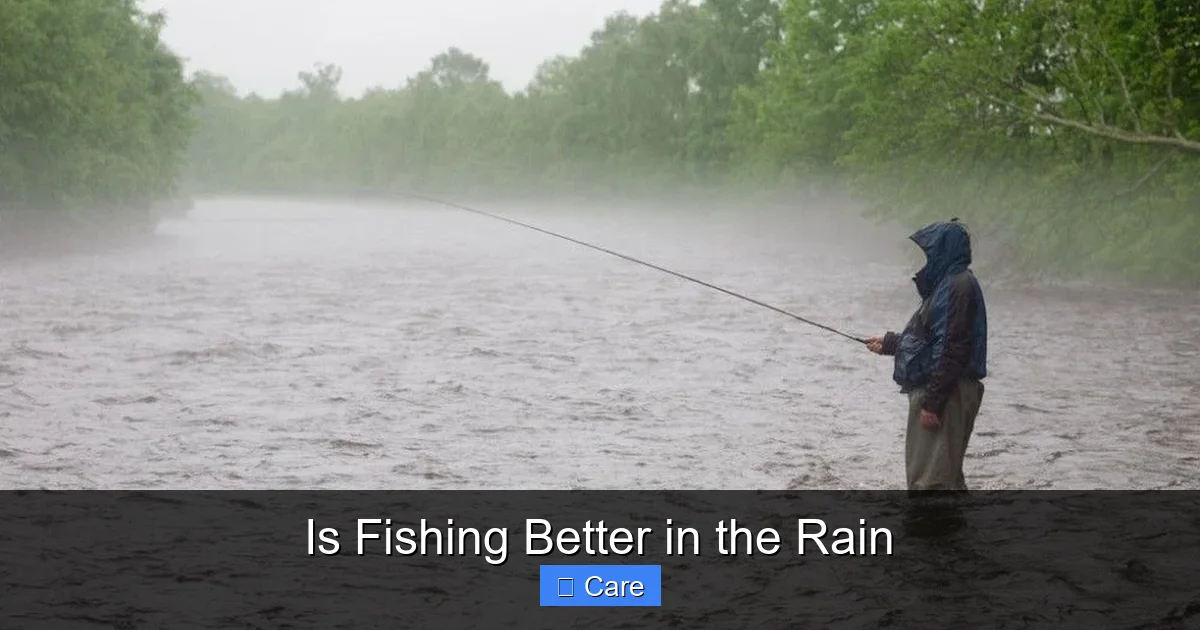
Rainfall stirs the surface and pushes oxygen‑rich air into the water. Fresh oxygen means fish are more active and willing to chase prey. This is especially true for species that rely on a high‑oxygen environment, like trout and salmon.
Visual guide about Is Fishing Better in the Rain
Image source: i.pinimg.com
2. Insect Hatches and Surface Food
Many insects lay eggs just before a storm. When the rain hits, those eggs hatch and drift to the surface, creating a buffet for fish. Bass, crappie, and panfish love to rise and feed on the sudden bounty.
3. Light Levels Drop, Vision Improves
Cloud cover reduces glare, making it easier for fish to see silhouettes and movement. Your lure’s profile becomes more visible, and fish can spot it from farther away.
4. Temperature Changes
Rain often cools the water surface, especially in summer. Cooler water can bring fish out of deeper, cooler layers and into the shallows where you’re casting.
5. Stress and Feeding Urges
Sudden changes in pressure and water movement can stress fish, prompting a frantic feeding response. This is why you’ll often see a “feeding frenzy” after a heavy downpour.
Choosing the Right Spot When It’s Wet
Shallow Structure Is King
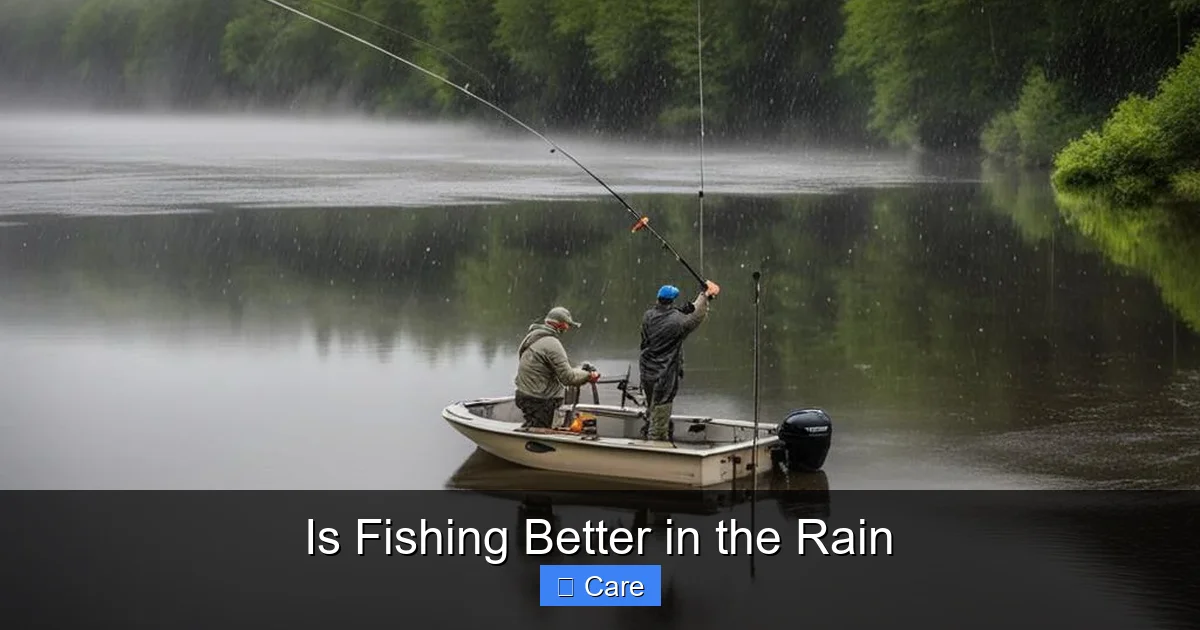
Fish love hiding near rocks, fallen trees, and weed beds when rain stirs the water. These structures provide cover and a place to ambush drifting insects.
Visual guide about Is Fishing Better in the Rain
Image source: spinningpole.com
Edges and Drop‑offs
Look for the edge of a lake or river where the depth changes quickly. Rain‑driven currents push food toward these zones, making them natural feeding highways.
Bridges and Overpasses
Man‑made structures create shade and shelter. During rain, they also channel water flow, concentrating baitfish and attracting larger predators.
Reference: Is It Better To Fish In The Rain?
For more detailed spot‑selection ideas, see our article Is It Better To Fish In The Rain, which breaks down specific locations that perform best under overcast skies.
Gear Tips for Rainy‑Day Success
1. Protect Your Electronics
Use waterproof cases for phones, fish finders, and GPS units. A simple zip‑lock bag can save expensive gear from a sudden splash.
Visual guide about Is Fishing Better in the Rain
Image source: dotesports.com
2. Choose Bright, High‑Contrast Lures
Rainy water can look dull. Lures in chartreuse, orange, or fluorescent colors stand out better. Spinnerbaits and topwater plugs that create vibration also help fish locate you.
3. Dress for the Weather
Layering is key. A breathable base layer, waterproof jacket, and insulated hat keep you warm without overheating. Waterproof boots with good traction prevent slips on slick docks.
4. Use a Rain‑Resistant Rod and Reel
Many modern rods have sealed guides that stop water from seeping into the blank. Pair this with a corrosion‑resistant reel, and you’ll avoid rust after a long wet session.
5. Adjust Your Retrieve
In rain, fish often react to slower, more natural movements. Try a steady, pause‑and‑pull retrieve to mimic a wounded baitfish.
Safety First: Staying Dry and Secure
Slip‑Resistant Footwear
Wet rocks and wooden piers become treacherous. Invest in boots with aggressive tread patterns and consider a non‑slip shoe strap for extra grip.
Watch the Weather Forecast
Even a light drizzle can turn into a thunderstorm. Keep a portable weather radio or app handy, and know the nearest shelter in case lightning strikes.
Stay Warm
Hypothermia can set in quickly if you’re standing in cold water. Keep a dry change of clothes in your tackle box, and consider a pocket‑size hand warmer.
Know the Regulations
Some jurisdictions close certain areas during heavy rain due to safety concerns. Always check local regulations before heading out.
Post‑Rain Fishing: The Golden Window
Why the Hours After a Storm Matter
Once the rain stops, the water is saturated with oxygen, and insects are still drifting. This creates a “golden window” of 2‑4 hours where fish are most active.
What to Target
In freshwater, focus on bass, crappie, and trout. In saltwater, look for redfish, snook, and tarpon that feed on the surf zone’s bounty.
Techniques That Shine
- Topwater plugs: Perfect for surface insects still lingering after rain.
- Jigs with soft plastics: Work well near structure where fish hide.
- Slow‑rolling spinnerbaits: Mimic the erratic movement of rain‑tossed baitfish.
Related Reading: Is Fishing Better After Rain?
Explore the nuances of post‑storm fishing in our guide Is Fishing Better After Rain, which offers timing tips and species‑specific strategies.
Real‑World Examples: Stories From the Shore
Lake Michigan – June Thunderstorm
One angler set out during a sudden June thunderstorm. Within 30 minutes of the rain hitting the lake, he hooked a 4‑lb smallmouth bass on a bright chartreuse jig. The fish was aggressive, striking every time the jig hit the bottom.
Florida Everglades – Evening Drizzle
In the Everglades, a light evening drizzle turned the water’s surface glossy. A pair of anglers using topwater poppers caught three snook in under an hour, each landing over 8 inches long.
Mountain Stream – Early Spring Rain
During a spring rain in the Rockies, trout rose to the surface to feed on emerging mayflies. A fly fisherman using a dry fly pattern reported a “steady stream of nibbles” that turned into multiple 12‑inch trout.
Conclusion: Should You Pack Your Gear When It’s Pouring?
So, is fishing better in the rain? The answer is a confident yes for many species and locations. Rain brings oxygen, food, and reduced glare—all ingredients for an active feeding environment. With the right gear, safety precautions, and spot selection, you can turn a gloomy day into a trophy‑catching adventure.
Next time the forecast calls for clouds, don’t stay inside. Grab your waterproof jacket, choose a bright lure, and head to the water’s edge. You might just discover that the rain was the secret ingredient your fishing routine was missing.
Frequently Asked Questions
Does rain affect all fish species the same way?
No. While many warm‑water species like bass and crappie become more active, some cold‑water fish, such as certain trout, may hold deeper until the water stabilizes.
Can I fish safely from a boat in the rain?
Yes, but make sure the boat is equipped with a canopy or rain cover, and always wear non‑slip shoes. Keep an eye on lightning and avoid open water during severe storms.
What lures work best in rainy conditions?
Brightly colored spinnerbaits, topwater poppers, and soft plastics in chartreuse or orange work well because they stand out in low‑light, murky water.
Is it legal to fish during a rainstorm?
Most places allow fishing in the rain, but some areas may close for safety reasons during severe weather. Always check local regulations before heading out.
How long after a storm should I wait before fishing?
Fish are often most active within the first 2‑4 hours after the rain stops, when oxygen levels are high and insects are still on the surface.
Do I need special equipment for rainy‑day fishing?
Waterproof gear, a rain jacket, non‑slip boots, and sealed rod guides are recommended. Protecting electronics with zip‑lock bags also helps.