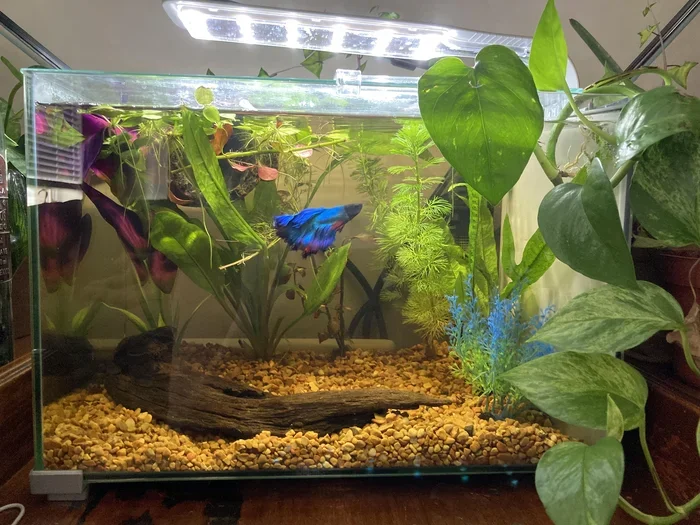
How Many Betta Fish In A 5 Gallon Tank Is Safe
Keeping your betta fish healthy starts with the right tank size. You might wonder how many betta fish in a 5 gallon tank is safe. The short answer is usually just one male betta. Adding more fish can cause stress and fights. This guide will help you make the best choice for your aquarium.
Key Takeaways
- One Male Betta: A 5 gallon tank is perfect for a single male betta fish.
- No Aggressive Tank Mates: Avoid adding other aggressive fish to a small 5 gallon space.
- Snails Are Okay: You can often add a few snails without overcrowding the tank.
- Water Quality Matters: Smaller tanks need more frequent water changes to stay clean.
- Filtration Is Key: A gentle filter helps keep the water safe without stressing the fish.
- Watch for Stress: If your fish hides or loses color, the tank might be too crowded.
- Upgrade Later: If you want more fish, consider moving to a larger tank like 10 gallons.
📑 Table of Contents
Understanding the 5 Gallon Tank Limit
Many new fish owners ask how many betta fish in a 5 gallon tank is safe. It is a very common question. Bettas are beautiful fish. They come in many colors. They also have long fins. But they need space to swim. A 5 gallon tank is small. It is better than a bowl. But it is not huge. You need to be careful with stocking. Overcrowding causes problems. Waste builds up fast. Ammonia levels rise quickly. This hurts your fish.
Betta fish are territorial. Males are very aggressive. They fight with other males. They might also bully other fish. A 5 gallon tank does not have much hiding space. This makes fights worse. You want your fish to be calm. Stress makes them sick. So, less is more. Think about the water volume. Five gallons is about 19 liters. That is not a lot of water. Every fish adds waste. You need to balance the load.
Here are some basic facts about stocking:
- One male betta: This is the safest choice.
- No other males: Never put two males together.
- Few tank mates: Only add very small, peaceful creatures.
- Plants and decor: These take up space too.
You should also think about the shape of the tank. Some tanks are tall. Some are wide. Bettas like to swim at the top. They breathe air from the surface. A wide tank gives more surface area. This helps with oxygen. It also gives more swimming room. A tall tank might look nice. But it might not be better for the fish. Always check the dimensions. Length matters more than height.
Water temperature is another factor. Small tanks lose heat fast. Bettas like warm water. They need about 78 to 80 degrees Fahrenheit. A heater is usually needed. In a 5 gallon tank, heaters can be tricky. Some are too strong. You need a adjustable heater. This keeps the water stable. Stable water means happy fish.
Why Tank Size Matters for Bettas
Bettas originate from shallow waters. They live in rice paddies. They also live in slow streams. These waters are warm. They are also rich in plants. But they are not tiny puddles. People often think bettas live in small spaces. This is a myth. They can survive in small spaces. But they do not thrive. They need room to explore. They need space to establish territory.
A 5 gallon tank is the minimum recommended size. It gives enough room for one betta. It allows for a filter. It allows for a heater. It allows for some plants. You can create a nice environment. But you cannot add many friends. The waste load is the main issue. Fish poop creates ammonia. Beneficial bacteria break this down. But bacteria need surface area. A 5 gallon tank has limited surface. It takes time to cycle. Adding too many fish crashes the cycle. This kills fish quickly.
You might read conflicting advice online. Some people say one betta is fine. Others say you can add shrimp. Some say add snails. It depends on the specific tank. It depends on your maintenance routine. If you change water often, you can handle more bioload. But it is still risky. It is better to be safe. Your fish deserve a good life. They are living creatures. They feel stress. They feel pain. So, respect their needs.
The Risk of Overcrowding
Overcrowding is dangerous. It leads to poor water quality. Poor water quality leads to disease. Ich is a common disease. Fin rot is another issue. These happen when fish are stressed. Crowded tanks cause stress. Fish cannot hide. They cannot escape aggression. They swim in circles. This is not natural behavior. You want your betta to be active. But not frantic.
Also, oxygen levels drop. More fish breathe more oxygen. In a small tank, oxygen depletes fast. Especially at night. Plants consume oxygen at night. Fish also consume it. This can cause gasping. Fish might come to the surface. They try to breathe air. This is a sign of trouble. You need to act fast. Remove fish or add aeration. But adding aeration might stress the betta. They prefer calm water. Strong bubbles annoy them.
So, think carefully before adding fish. Ask yourself if it is worth the risk. Is seeing more fish worth sick pets? Probably not. Focus on the health of the main fish. The betta is the priority. If the betta is happy, the tank is successful. You can enjoy watching one fish thrive. That is better than watching many fish suffer.
Can You Put Two Betta Fish Together?
This is a big question. People want company for their fish. They think fish get lonely. But bettas are not like humans. They do not need friends. Males fight each other. It is in their nature. They fight for territory. In the wild, they spread out. In a tank, they cannot escape. A 5 gallon tank is too small for two males. They will fight until one dies. This is cruel. You must avoid this.
What about a male and a female? This is also risky. Males might harass females. Females might not want to mate. Constant chasing causes stress. Females need breaks. In a 5 gallon tank, there are no breaks. Nowhere to hide. So, this is not recommended for beginners. It requires experience. It requires a larger tank usually. So, for a 5 gallon, stick to one fish.
You might wonder about female bettas. Can you put two females together? Sometimes. This is called a sorority. But it needs a larger tank. Five gallons is too small for a sorority. You need at least 10 gallons. You need many plants. You need many hiding spots. Even then, fights happen. You must monitor them closely. For a 5 gallon tank, a sorority is a bad idea. Stick to one female betta. She will be fine alone.
If you really want more fish, you need a bigger home. You can read more about putting two betta fish in a 5 gallon aquarium to understand the risks. It is important to know the limits. Pushing the limits hurts the fish. So, be responsible. Choose the right number. One is the magic number for 5 gallons.
Male vs Female Compatibility
Male bettas are the most common. They are sold in stores. They have long fins. They are colorful. They are aggressive. They see other males as rivals. They flare their gills. They attack. In a 5 gallon tank, there is no escape. The fight will be intense. It will happen quickly. Do not test this. It is not worth it.
Female bettas are different. They are less flashy. They are sometimes calmer. But they still have hierarchy. They establish a pecking order. This takes time. During this time, they fight. In a small tank, this is dangerous. Injuries happen. Scales get lost. Fins get nipped. Infection follows. So, a single female is best for 5 gallons. She will live a long life. She will show her personality. She does not need a group.
Signs of Aggression to Watch For
Even with one fish, you might add tank mates. Watch for aggression. The betta might chase others. He might nip fins. He might hide constantly. These are bad signs. Remove the tank mate if this happens. The betta’s safety is most important. He is the main resident. He claims the tank. New fish are intruders. Respect this dynamic.
Also watch the other fish. Are they hiding all the time? Are they not eating? This means they are stressed. Stress weakens their immune system. They get sick easily. Then they might die. Then you have a dead fish in the tank. This pollutes the water. It creates a cycle of problems. So, prevent aggression early. Choose peaceful tank mates. Choose very small ones. Give them places to hide.
Best Tank Mates for a 5 Gallon Setup
If you want company, choose carefully. Not all fish work. Some need schools. Some need space. Some are too active. You need calm, small creatures. Snails are a great choice. They clean the tank. They do not swim much. They stay out of the way. Nerite snails are good. They eat algae. They do not breed in freshwater. This controls their population.
Shrimp are another option. Cherry shrimp are popular. They are tiny. They hide in plants. They scavenge food. But bettas might eat them. Shrimp are natural prey. So, there is a risk. You might lose some shrimp. But if you have lots of plants, some will survive. They add activity to the tank. They are interesting to watch. They come in bright colors.
Small fish are risky. Some people suggest guppies. But guppies are active. They might annoy the betta. They also produce waste. In 5 gallons, waste is a problem. So, avoid small fish usually. Stick to invertebrates. Snails and shrimp are safer. They add bioload but less than fish. They are also quieter. They do not dart around. This keeps the betta calm.
Here is a list of potential tank mates:
- Nerite Snails: Great algae eaters.
- Mystery Snails: Fun to watch, but produce more waste.
- Cherry Shrimp: Good cleaners, but may be eaten.
- Ghost Shrimp: Cheap, but also prey for bettas.
Remember, every addition changes the tank. You need to monitor water parameters. Test the water weekly. Ammonia should be zero. Nitrites should be zero. Nitrates should be low. If numbers rise, do a water change. Remove some water. Add fresh treated water. This keeps the environment safe. It allows you to keep tank mates longer.
Snails and Shrimp Considerations
Snails are hardy. They survive well. But they poop a lot. Mystery snails are big. Their waste is significant. In a 5 gallon tank, this matters. Nerite snails are smaller. They are better for small tanks. They also do not overpopulate. You do not want hundreds of snails. That would overcrowd the tank. So, choose the right snail.
Shrimp are sensitive. They need good water. Ammonia kills them fast. So, your tank must be cycled. Do not add shrimp immediately. Wait for the cycle to finish. Test the water first. Ensure stability. Shrimp also need plants. They molt their shells. They need minerals. Hard water helps them. But bettas prefer soft water. Find a balance. It is possible but requires care.
Also, think about food. Snails and shrimp eat leftovers. They eat algae. They help clean. But you might need to feed them. Sink pellets work well. They find the food at the bottom. Bettas eat at the top. This reduces competition. Everyone gets fed. This keeps peace in the tank. A fed fish is a happy fish.
Water Quality and Maintenance in Small Tanks
Small tanks are harder to maintain. People think small is easier. It is not. Water parameters change fast. A spike in ammonia happens quickly. In a big tank, it dilutes. In 5 gallons, it concentrates. You need to be vigilant. Test your water often. Buy a good test kit. Liquid tests are better than strips. They are more accurate.
Filtration is crucial. You need a filter. But bettas hate strong flow. They are not strong swimmers. Long fins slow them down. Strong current exhausts them. They struggle to swim. They get stressed. Look for a sponge filter. It provides gentle flow. It also houses beneficial bacteria. It is great for small tanks. Or use a hang-on-back filter with a baffle. This reduces the flow.
You can learn more about whether betta fish have to be in a filtered tank to understand why filtration helps. It keeps the water clean. It oxygenates the water. It removes debris. Without a filter, you must change water very often. This is stressful for fish. A filter makes life easier. It stabilizes the environment.
Water changes are still needed. Change 25 percent weekly. This removes nitrates. Nitrates build up over time. They are less toxic than ammonia. But high levels are bad. They affect fish health. They stunt growth. They reduce lifespan. So, regular changes are key. Use a gravel vacuum. Clean the substrate. Remove uneaten food. This prevents decay. Decay creates ammonia.
The Importance of Cycling
Cycling is the process of building bacteria. These bacteria eat ammonia. They turn it into nitrite. Then other bacteria turn nitrite into nitrate. This is the nitrogen cycle. You need this before adding fish. A 5 gallon tank cycles faster than a big one. But it still takes time. Usually 4 to 6 weeks. Do not rush this. Add fish only when ready.
You can speed it up with products. Bacteria starters exist. They help establish the cycle. But natural cycling is best. Add a source of ammonia. Use fish food. Or use pure ammonia. Test the water daily. Watch the numbers change. When ammonia and nitrite are zero, you are done. Then add your betta. This ensures a safe home. It prevents shock. It prevents death.
Temperature and Heating Needs
Bettas are tropical fish. They need warmth. Cold water slows their metabolism. They become lethargic. They get sick easier. Ich loves cold water. So, keep the temperature stable. Use a heater. Set it to 78 degrees. Check it with a thermometer. Stick-on thermometers are okay. Digital ones are better. Accuracy matters.
In a 5 gallon tank, heaters can be too powerful. Some are 50 watts. This might be too much. Look for a 25 watt heater. Or an adjustable one. Lower the setting if needed. Monitor the temperature. Make sure it does not swing. Nighttime drops are common. Insulate the tank if needed. Put it away from drafts. Away from windows. This keeps heat stable.
Common Mistakes to Avoid
New owners make mistakes. It is normal. But some mistakes are dangerous. Avoid these to keep fish safe. Here are the most common ones.
- Overfeeding: This pollutes the water. Feed small amounts.
- Ignoring Water Tests: You cannot see ammonia. Test regularly.
- Wrong Tank Mates: Do not add aggressive fish.
- No Filter: Filters are essential for health.
- Small Bowls: Bowls are too small. Use a 5 gallon tank.
Another mistake is tapping the glass. This stresses the fish. They think it is a predator. They hide. They get anxious. Enjoy them from a distance. Let them swim peacefully. Also, do not change all the water at once. This shocks the fish. Change partial amounts. Keep the routine consistent.
Lighting is also important. Too much light causes algae. Too little harms plants. Find a balance. 8 hours of light is good. Use a timer. This automates the process. It ensures consistency. Plants need light to grow. They provide oxygen. They provide hiding spots. Healthy plants help the tank.
Expert Insights on Stocking
Experts agree on minimal stocking. A 5 gallon tank is for one betta. Maybe a snail. Do not push the limit. Quality of life matters. A single happy fish is better than many stressed ones. Focus on enrichment. Add plants. Add caves. Add interesting decor. This keeps the betta busy. It reduces boredom.
You might wonder if bettas get bored. You can read about whether betta fish get bored in a tank for more details. Enrichment helps them stay active. They explore their space. They interact with objects. This is good for their mental health. A stimulated fish is a healthy fish.
Also, consider the future. Fish grow. Waste accumulates. You might want more fish later. Plan for a larger tank. A 10 gallon tank is better for community. It is more stable. It allows more friends. But for now, stick to 5 gallons. Master the care of one fish. Then expand. Learning is part of the hobby.
Conclusion
So, how many betta fish in a 5 gallon tank is safe? The answer is clear. One male betta is best. You can add a snail or shrimp. But do not add more fish. The space is too limited. The water quality will suffer. Your fish will be stressed. Prioritize their health. Give them a clean, warm home. Maintain the tank well. Watch for signs of trouble.
Enjoy your betta fish. They are wonderful pets. They have personalities. They recognize their owners. They can be very rewarding. Treat them with care. Respect their needs. A 5 gallon tank is a great start. It is a good size for beginners. Just remember the limits. Follow the rules. Your fish will thrive. They will live a long life. That is the goal of every owner.
Frequently Asked Questions
Can I put two male betta fish in a 5 gallon tank?
No, you should never put two male betta fish together in a 5 gallon tank. They are highly aggressive and will fight, which can lead to serious injury or death. A 5 gallon space is too small for them to establish separate territories safely.
What tank mates can live with a betta in 5 gallons?
The best tank mates for a 5 gallon betta tank are snails or small shrimp. These creatures are peaceful and produce less waste than fish. However, be aware that your betta might try to eat the shrimp, so plenty of hiding plants are necessary.
How often should I change the water in a 5 gallon betta tank?
You should change about 25 percent of the water once a week. Small tanks accumulate waste and toxins faster than larger ones. Regular water changes keep the water clean and prevent harmful ammonia spikes that can hurt your fish.
Do I need a filter for a 5 gallon betta tank?
Yes, a filter is highly recommended for a 5 gallon tank to maintain water quality. It helps remove debris and houses beneficial bacteria that break down toxins. Just make sure the filter flow is gentle so it does not stress your betta fish.
Can I add plants to a 5 gallon betta tank?
Yes, adding live plants is a great idea for a 5 gallon betta tank. Plants help improve water quality by absorbing nitrates and provide hiding spots for your fish. They also make the tank look more natural and can reduce stress for your betta.
Is a 5 gallon tank too small for a betta fish?
A 5 gallon tank is considered the minimum recommended size for a single betta fish. While they can survive in smaller containers, they will not thrive or live as long. A 5 gallon tank provides enough space for proper filtration, heating, and swimming.