Is Fishing Better After Rain
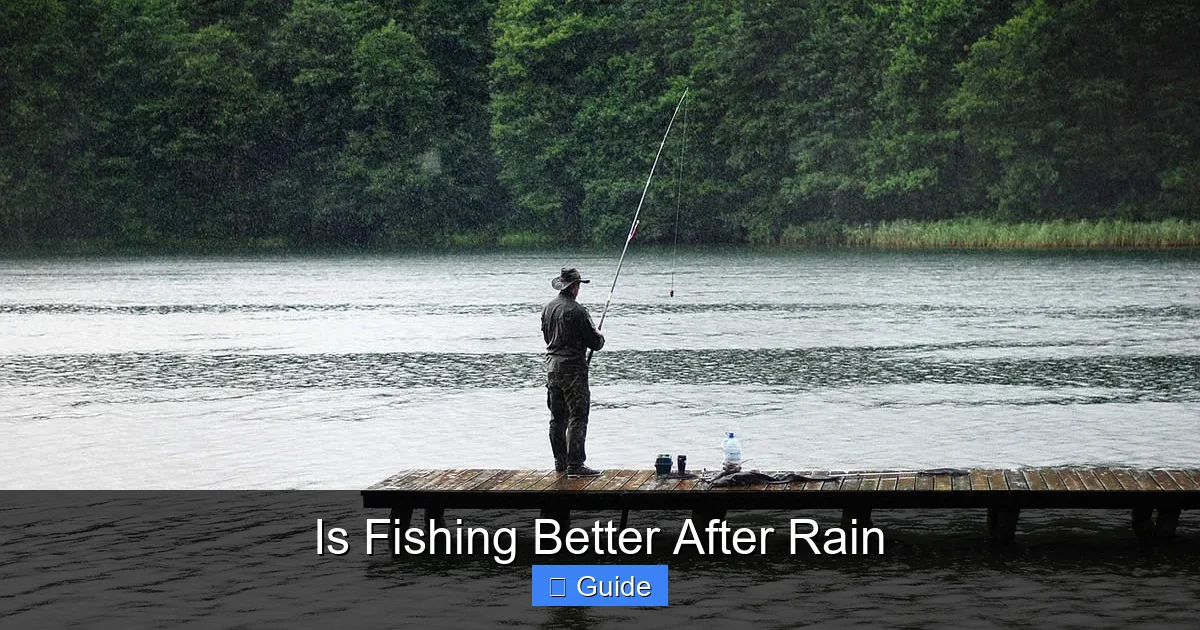
Fishing after rain is often significantly better due to increased oxygen, washed-in food, and changes in fish behavior. A fresh rain can cool water temperatures, infuse it with life-giving oxygen, and flush insects and baitfish into the system, triggering aggressive feeding. However, success depends on the rain’s intensity, the time of year, and your target species. Understanding these dynamics and adjusting your tactics—like using brighter lures in stained water or focusing on runoff points—can turn a rainy day into your best fishing trip yet. Always prioritize safety regarding lightning and rapidly changing water conditions.
Key Takeaways
- Oxygen Boost: Rain aerates water, increasing dissolved oxygen levels, which makes fish more active and energetic.
- Food Delivery System: Runoff washes terrestrial insects, worms, and other food into the water, creating a “buffet” that attracts fish to inflows and shorelines.
- Water Clarity & Temperature: Light rain can improve surface clarity and cool overheated summer water, while heavy rain often muddies water, requiring different presentations.
- Increased Fish Aggression: The combination of more oxygen and abundant food often makes fish less wary and more likely to strike aggressively.
- Safety is Non-Negotiable: Never fish during a thunderstorm. Be extremely cautious of rapidly rising water, slick banks, and submerged hazards after heavy rain.
- Timing is Everything: The bite is often best during and immediately after a light to moderate rain. The “window” closes as water becomes too muddy or levels stabilize days later.
- Tactical Adjustment Required: Post-rain fishing demands changes in lure choice, retrieval speed, and target areas compared to clear, stable conditions.
[FEATURED_IMAGE_PLACEHOLDER]
📑 Table of Contents
- The Science Behind Rain and Fish Behavior
- How Rain Transforms the Aquatic Environment
- Species-Specific Reactions to Post-Rain Fishing
- Essential Gear and Tactics for Fishing After Rain
- Debunking Common Myths About Rain and Fishing
- Safety First: Navigating Post-Rain Conditions
- Conclusion: Embrace the Rain
The Science Behind Rain and Fish Behavior
Have you ever watched the rain fall and wondered if you should be on the water instead of watching from your window? Many anglers have a gut feeling that fishing after rain is better, and science backs up that intuition. To understand why, we need to think like a fish. Fish are cold-blooded creatures whose entire existence is dictated by their aquatic environment. Rain is one of the most powerful forces that alters that environment in a matter of hours. It’s not just about getting wet; it’s about a complete ecological shift that can flip a slow bite into a frenzy.
A Breath of Fresh Air: Oxygen Infusion
The single most critical factor is oxygen. Fish breathe by absorbing dissolved oxygen from the water through their gills. In stagnant, warm summer water, oxygen levels can dip to stressful or even lethal levels. Rain, especially a steady, moderate downpour, acts like a giant aerator. As raindrops hit the surface, they create turbulence and bubbles, forcing oxygen into the water column. This process, called aeration, is immediate and profound. Think of it like opening a window in a stuffy room. The fish, suddenly invigorated by the fresh, oxygen-rich water, become more active, their metabolisms kick into higher gear, and they need to eat more. This is the primary engine behind the famous “post-rain bite.”
Washing In the Buffet
Rain is also nature’s delivery truck for food. On land, a rainstorm dislodges countless insects, worms, and other terrestrial creatures from vegetation and soil. This “worm hatch” is a legendary event for anglers. These morsels get swept into creeks, streams, and lakes via runoff. For fish, it’s like an unexpected, all-you-can-eat buffet falling from the sky. They instinctively move towards these food sources, often congregating at the mouths of tributaries, along muddy banks, and around any point where clear water meets the newly stained runoff. This influx of easy prey can cause even large, wary trophy fish to abandon their deep, secure haunts and feed actively in shallower water.
The Psychological Trigger: Change It Up
Fish, despite their simple brains, are highly attuned to change. A stable, sunny week creates predictable patterns. Fish become lethargic and lock onto specific, often deep, locations. A rainstorm is a major environmental event. The sound, the pressure changes, the cooling water—it all signals a shift. This change can break fish out of their rut. They become curious, aggressive, and willing to move to take a bait or lure that they might have ignored the day before. It’s a psychological reset button for the entire ecosystem.
How Rain Transforms the Aquatic Environment
Not all rain is created equal, and its effects vary dramatically based on intensity, duration, and the existing conditions of your fishing spot. A light sprinkle on a hot July afternoon has a completely different impact than a two-day deluge that causes a river to flood. Understanding these transformations is key to predicting where and how to fish.
Visual guide about Is Fishing Better After Rain
Image source: dotesports.com
The Clarity Spectrum: From Stain to Mud
Water clarity is the most visible change. A light rain on a clear lake might only create a slight surface disturbance, potentially even improving visibility by suppressing surface glare and washing away surface film. This is a golden scenario. However, rain falling directly into a pond or lake will begin to stir up sediment from the bottom and pull tannins from decomposing leaves along the shore, creating a light “stain” or tea color. This stained water has pros and cons. The con is that it reduces visibility for fish. The pro is that it makes fish feel more secure, often causing them to shallower, more aggressive feeding. They rely more on lateral line vibration and smell than sight. On the other end of the spectrum, heavy rain on bare, erodible soil (like construction sites or tilled farmland) can cause massive siltation, turning water the color of chocolate milk. In this “muddy” scenario, fishing becomes extremely difficult, as fish can barely see and may shut down entirely until the sediment settles.
The Thermal Shift: Cooling the Fry
Temperature is a massive driver of fish activity, especially in summer. A sweltering, low-oxygen afternoon can put fish in a coma-like state. Rain is nature’s air conditioner. A cold rain will drop the surface temperature of a shallow pond or the top layer of a lake almost immediately. This cooler, oxygenated water sinks and can create a brief “thermocline” of ideal conditions. Fish that were sulking in deep, cooler water may move up to meet this new, comfortable band of water, often in the 2- to 10-foot range. In winter, a warm rain can have a similar stimulating effect, thawing ice-covered edges and triggering a brief, intense feed.
Current and Level: The Dynamic Duo
For river and stream anglers, rain is the game-changer. It increases flow and current speed. This does two things: it concentrates fish in eddies, behind rocks, and along current breaks where they can rest and ambush food; and it pushes food (insects, small fish) downstream. Fish will position themselves on the downstream side of cover to intercept this conveyor belt of offerings. In lakes and ponds, rain raises water levels slightly, especially in shallow coves and creek arms. This flooded shoreline becomes new, unexplored territory for fish. It can inundate low-lying brush and grass, creating immediate ambush points for bass, pike, and other predators. The key is to fish this newly flooded edge aggressively before the water clears or recedes.
Species-Specific Reactions to Post-Rain Fishing
While the general principles of oxygen and food influx apply to all fish, different species have unique personalities that dictate how they react to a rain event. Knowing your target’s tendencies is half the battle.
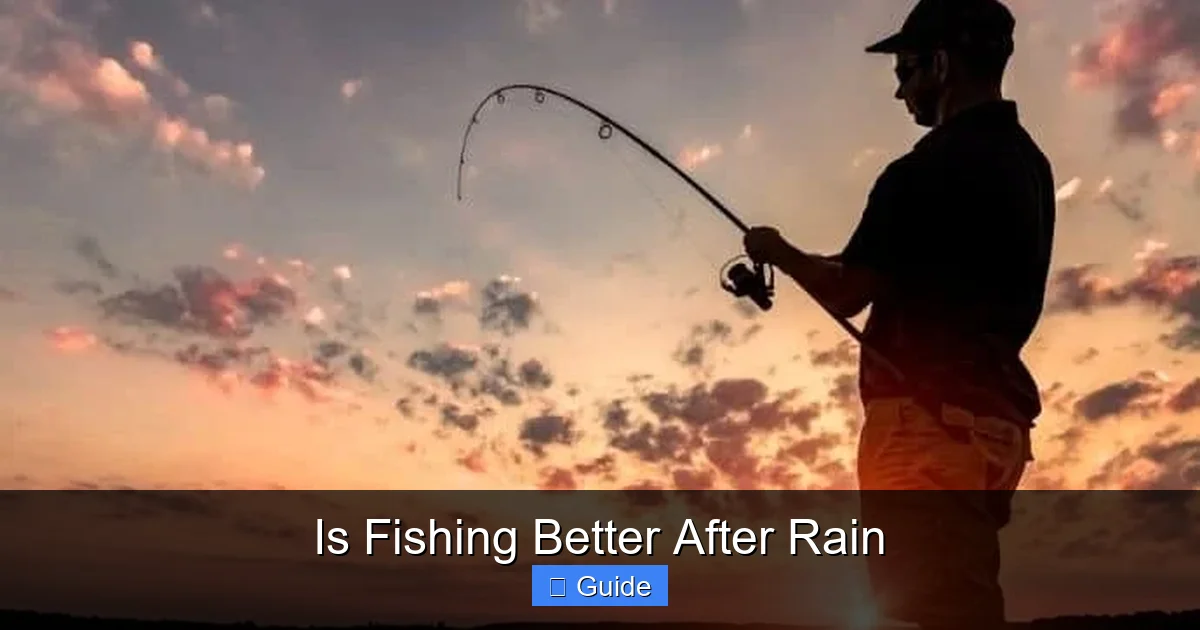
Visual guide about Is Fishing Better After Rain
Image source: castandspear.com
Largemouth & Smallmouth Bass: The Opportunistic Predators
Bass are perhaps the poster children for post-rain success. They are ambush predators that thrive on the disorientation and food influx. Largemouth bass will move shallow, often into the backs of creeks and along muddy banks, to prey on crawfish and baitfish pushed out by runoff. They love the stained water that makes them harder to see. Smallmouth bass in rivers and rocky lakes will use the increased current to their advantage, holding in swift eddies and behind boulders to dart out at disoriented crayfish and minnows. For both, a faster-moving bait like a spinnerbait, chatterbait, or square-bill crankbait can be deadly right after the rain stops, as fish are active and chasing.
Trout: The Picky Eaters with a Soft Spot
Trout are famously selective, but rain can make them surprisingly aggressive. In streams, a rain event can blow out the water, making fishing impossible for a day or two. However, once the water begins to clear but remains slightly stained, the fishing can be magical. The runoff washes terrestrial insects (ants, beetles, worms) into the stream—a high-protein meal trout can’t resist. This is prime time for fishing patterns like the San Juan Worm or a simple bead-head nymph under an indicator. In lakes, rain cools stratified water and can bring trout shallower, making them more accessible to trolling or still-fishing with bait.
Panfish (Bluegill, Crappie): The Shallow Water Specialists
Bluegill and crappie are creatures of shallow, weedy structure. Rain that floods the shoreline or cools the shallows can ignite a massive shallow-water bite. They will move into newly submerged weeds and along mudflats to feed on insects and small crustaceans. For crappie, especially, focus on the first pockets of clean water you find entering a stained backwater. They often stack in these “sweet spots” where the food is concentrated but the water isn’t too turbid. A small jig under a bobber or a tiny crankbait worked slowly can be very effective.
Catfish & Carp: The Bottom-Feeders’ Banquet
For channel catfish and carp, rain is a direct signal of an incoming meal. Runoff washes all sorts of organic matter—decaying leaves, berries, grains—into the water. This triggers a massive feeding event on the bottom. They will move into the inflowing currents and along muddy flats to vacuum up this bounty. This is the perfect time to break out the stink baits, dough baits, or cut bait for cats, and corn or boilies for carp. The bite can be immediate and ferocious as they compete for the easy food.
Essential Gear and Tactics for Fishing After Rain
You’ve felt the rain, checked the radar, and decided to go. Now what? Your standard clear-water, sunny-day approach might fail you. You need to adapt your gear and your strategy to the new conditions.
Visual guide about Is Fishing Better After Rain
Image source: spinningpole.com
Lure & Bait Selection: See Through the Stain
The rule of thumb for stained water is: go bigger, brighter, and noisier. Color: In light stain, natural patterns with a bit of flash (like a perch-colored crankbait) can work. In moderate to heavy stain, switch to high-vis colors: chartreuse, orange, white, or black/blue. These colors create a silhouette that fish can see against the murky background. Profile & Noise: Use lures with a large profile and those that create vibration or sound. Spinnerbaits, chatterbaits, and lipless crankbaits are top choices. The thump and flash of a spinnerbait, especially in tandem willowleaf blades, can be felt and seen from far away in low-vis conditions. For finesse situations, a dark-colored soft plastic (like black or June bug) on a heavy jighead can be effective, as it creates a pronounced silhouette on the bottom.
Reading the New Water: Follow the Food
Your mental map of the lake or river is now obsolete. You must become a detective. For Lakes/Ponds: Your first stop should be any creek or ditch that flows into the lake. Fish these inflows and the surrounding discolored water. Look for the “mud line”—the distinct boundary where clear water meets stained runoff. Fish this edge, as predators will patrol it. Also, check the newly flooded shoreline; look for standing timber or weeds now partially submerged. For Rivers: Focus on current breaks. The inside of bends, eddies behind large rocks or islands, and the seams where fast current meets slow water are goldmines. Fish are resting here, but they are also looking downstream into the main flow for food washing by. Cast upstream and across the current, letting your lure drift naturally downstream.
Timing Your Attack: The Golden Window
The post-rain bite is a window, not a permanent state. The most intense activity is usually during the rain and for the next 6-24 hours after it stops. This is when oxygen is highest, food is first arriving, and fish are most aggressive. As the water continues to rise and become muddier, the bite can decline. After 48-72 hours, if the water begins to clear and level stabilizes, a new, sometimes equally good bite can emerge as fish relocate to their normal structures, now with full bellies and high oxygen. Your best strategy is to hit the water as soon as it is safe to do so after the rain ends.
Debunking Common Myths About Rain and Fishing
Like any fishing topic, there’s a lot of old wives’ tales. Let’s separate fact from fiction.
Myth: “All Rain is Good Rain”
Fact: This is dangerously false. A light, warm rain on a hot day is ideal. A cold, driving rain in early spring can shut the bite down by dropping water temps too fast. A torrential downpour that causes flash flooding and turns the water to mud will almost certainly ruin fishing for days. The quality, not just the presence, of rain matters immensely.
Myth: “You Must Fish Right in the Muddy Water”
Fact: While some species like catfish thrive in the muddiest water, most gamefish prefer to be just at the edge of the stain. They sit in the slightly discolored water where they can see better, but still feel secure, and ambush prey coming from the muddier flow. Fishing in the heart of a mud plume is often a waste of time. Find the transition zone.
Myth: “Rain Makes the Bite Last for a Week”
Fact: The peak activity is a short-term event, usually within 24 hours. After that, fish either adjust to the new conditions or the food source diminishes. While a raised, stained lake can fish well for several days, the explosive, “everything is biting” frenzy is typically brief. Don’t expect a week-long epic bite from one shower.
Safety First: Navigating Post-Rain Conditions
No fish is worth your life. A rainy day introduces serious hazards that demand respect and preparation.
Lightning: The Unforgiving Threat
This is rule number one, two, and three. If you can hear thunder, you are in danger. A fishing pole is a lightning rod. The moment you see lightning or hear thunder, you must get off the water immediately and seek shelter in a vehicle or substantial building. Do not wait for the storm to pass overhead. Lightning can strike miles from the rain shaft. Many tragic accidents have happened to anglers who “just wanted to finish this cast.” It is never worth it.
Rising Water & Changing Currents
After heavy rain, water levels can rise with shocking speed, especially in rivers and on lakes with inflows. What was a safe bank to walk on or a boat ramp to launch from can be underwater in an hour. Be acutely aware of the water level. In rivers, current speed can increase dramatically, making wading dangerous or boat control difficult. What was a gentle riffle can become a raging hydraulic. Constantly reassess your position. Have an escape route planned.
Slick Banks and Submerged Hazards
Rain makes everything slick—muddy banks, boat decks, rocks. Wear proper footwear with good traction. Be extra careful when getting in and out of a boat. Furthermore, rain can wash debris—logs, branches, even entire trees—into the water. These can be just below the surface and are a major collision hazard for boats, especially at speed. Navigate slowly and vigilantly in newly stained water.
Conclusion: Embrace the Rain
So, is fishing better after rain? The evidence is overwhelming: yes, it very often is. It’s a biological jackpot for fish, combining a surge of life-giving oxygen with a smorgasbord of washed-in food. This cocktail triggers instinctive, aggressive feeding behavior that can make fish surprisingly easy to catch. However, success is not automatic. It requires you to be a student of the conditions. You must learn to read the stain, find the food-laden inflows, adjust your lures to be seen and felt, and—above all—respect the raw power of the storm that created the opportunity.
The next time dark clouds gather, don’t just pack up your gear with a sigh. Check the radar. If it’s a safe, moderate system, consider staying out or, better yet, planning your next trip for right after it passes. The rain washes the world clean and resets the underwater game. The fish are hungry, the oxygen is high, and the action can be legendary. Go prepared, fish smart, stay safe, and you might just experience one of those magical days where the fish are practically jumping in the boat. That’s the promise of fishing after rain.
Frequently Asked Questions
Is it safe to fish during a light rain?
Fishing during a light rain is generally safe from a lightning perspective if you are on a small body of water and can see no storms approaching. However, you must remain vigilant and have a plan to seek shelter immediately if conditions worsen. The greater risks are slippery surfaces and decreased visibility, so dress appropriately and be cautious.
How long after rain is the best fishing?
The absolute best window is typically during the rain and for the 6 to 24 hours immediately following. This is when oxygen levels are highest and the influx of new food is peaking. The bite can remain good for 2-3 days as water conditions stabilize, but the initial frenzy is usually the most intense.
What are the best baits for muddy water after a heavy rain?
For muddy water, use lures with strong vibration, noise, and high-vis colors. Top choices include chartreuse or white spinnerbaits, black/blue chatterbaits, and orange or red crankbaits. For finesse, a black or dark purple soft plastic on a heavy jighead provides a solid silhouette. For species like catfish, stink baits and cut bait are excellent.
Should I fish the muddy water or the clear edge?
Almost always, fish the edge—the distinct line where the stained runoff meets the main body of clearer water. Predatory fish use this edge as a patrol route, ambushing prey moving between the two water types. Fishing right in the heart of the mud is usually unproductive.
Can fishing after rain cause a lake or river to close?
Heavy rain can cause dangerous flooding and high water that may lead to temporary closures of boat ramps, parks, or entire water bodies for safety reasons. Always check with local authorities, park services, or the USGS for current river levels and closure notices before heading out after a major storm event.
Does the type of rain (warm vs. cold) matter?
Yes, significantly. A warm rain in summer is ideal, as it cools surface water slightly without a shocking thermal change. A very cold rain in spring or fall can actually shut the bite down by rapidly dropping water temperatures and sending fish into a temporary, cold-water lethargy. The most productive rain is usually a moderate, steady event that doesn’t cause an extreme thermal shock.