What Can Go in a Small Tank with Betta Fish
Knowing what can go in a small tank with betta fish is essential for keeping your pet happy and healthy. A small tank setup requires careful choices about tank mates, plants, decorations, and water conditions. This guide covers everything you need to create a safe and thriving environment for your betta in a compact aquarium.
Setting up a small tank for your betta fish can feel overwhelming. You want everything just right. But knowing what can go in a small tank with betta fish makes the process much easier. A well-planned small aquarium gives your betta a happy, healthy home. You do not need a huge tank to create a beautiful habitat.
Many beginners make the mistake of crowding a small tank. Others skip important elements like plants and filters. This guide walks you through every detail. You will learn about safe tank mates, the best decorations, and how to keep your water clean. By the end, you will feel confident setting up a stunning betta fish tank that your fish will love.
Key Takeaways
- Choose the right tank size: A minimum of 5 gallons is recommended for a single betta fish to thrive.
- Pick compatible tank mates carefully: Not all fish can live peacefully with bettas in a small space.
- Add live plants for comfort: Plants like java fern and anubias help mimic a natural habitat and reduce stress.
- Avoid goldfish and aggressive species: These can harm your betta or require different water conditions.
- Maintain water quality regularly: Small tanks need frequent testing and partial water changes to stay healthy.
- Decorate with purpose: Caves, driftwood, and hiding spots make your betta feel safe and active.
- Monitor temperature and filtration: Stable conditions prevent illness and promote long life.
📑 Table of Contents
- Choosing the Right Tank Size for Your Betta
- Safe Tank Mates for a Small Betta Tank
- Plants and Decorations for a Small Betta Tank
- Essential Equipment for a Small Betta Tank
- Water Quality and Maintenance for Small Tanks
- Common Mistakes to Avoid in a Small Betta Tank
- Creating a Natural Habitat for Your Betta
Choosing the Right Tank Size for Your Betta
The first step is picking the correct tank size. Many people think bettas can live in tiny bowls. That is a common myth. A small tank for a betta should hold at least 5 gallons. This gives your fish enough room to swim and explore.
Why does tank size matter so much? Small volumes mean water parameters change fast. Ammonia spikes happen quickly in tiny containers. A 5-gallon tank stabilizes better than a 1-gallon bowl. It also gives you room to add safe decorations and plants. Your betta will feel less stressed with more space.
What Tank Size Works Best?
Here are the best tank sizes for a single betta fish:
- 5 gallons: The minimum recommended size. Easy to manage and perfect for one betta.
- 10 gallons: A great option if you want to add a few tank mates.
- 3 gallons: Acceptable only if you add no other creatures. Very hard to maintain.
Never go below 3 gallons for a betta. Smaller containers cause stress and shorten your fish’s lifespan. The what can go in a small tank with betta fish question starts with tank size. Get this right, and everything else falls into place.
Safe Tank Mates for a Small Betta Tank
One of the most exciting parts of keeping a betta is choosing companions. But not every fish can share a small tank with a betta. What fish can go in with a betta depends on temperament, size, and water needs.
Bettas can be territorial. Male bettas especially flare at bright colors and long fins. You need peaceful, small, and non-flashy tank mates. The goal is a calm community where everyone coexists.
Best Tank Mates for Small Tanks
Here are some great options for a small tank with betta fish:
- Ghost shrimp: Nearly invisible and very peaceful. They clean up leftover food.
- Amano shrimp: Great algae eaters. They stay small and mind their own business.
- Neon tetras: Small, calm, and stay in the upper levels of the tank.
- Kuhli loaches: Eel-like fish that mind their own business at the bottom.
- Mystery snails: Slow-moving and safe. They help clean algae off glass and plants.
Always watch your betta closely when introducing new tank mates. If you see chasing or fin nipping, remove the new addition immediately. Some fish simply do not work in tight spaces.
Fish to Avoid in a Small Betta Tank
Certain fish should never share a small tank with your betta. Here are some clear no-gos:
- Goldfish: They grow too large and produce too much waste for a small tank.
- Guppies: Their bright colors and flowing fins trigger betta aggression.
- Angelfish: Too large and territorial for a small setup.
- Barbs: Nippy behavior causes stress and fin damage.
Remember, a crowded tank leads to fighting, poor water quality, and sick fish. Keep the numbers low and the species compatible. For more on this topic, check out our guide on what fish can go in with a betta.
Plants and Decorations for a Small Betta Tank
Plants and decorations do more than make your tank look pretty. They give your betta places to hide, rest, and explore. A well-decorated small tank reduces stress and encourages natural behavior.
Best Live Plants for Betta Tanks
Live plants are the best choice for a betta tank. They improve water quality and provide natural hiding spots. Here are top picks for small tanks:
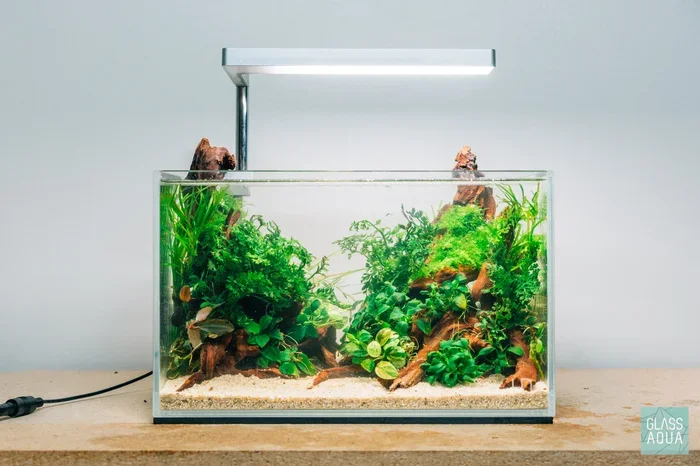
- Java fern: Grows slowly and thrives in low light. Attach it to driftwood or rocks.
- Anubias: Tough and hardy. It survives in almost any condition.
- Amazon sword: Adds a lush green look. Works well in slightly larger tanks.
- Java moss: Great for carpeting the tank floor. Bettas love swimming through it.
Avoid plants with sharp edges. Your betta’s delicate fins can tear easily. Soft, flowing plants mimic their natural habitat and keep them comfortable.
Decorations That Make a Difference
Decorations serve an important purpose in a small tank. They create territory boundaries and hiding spots. Here is what works well:
- Caves and hollow logs: Bettas love sleeping inside cozy spaces.
- Smooth rocks: Add visual interest without harming fins.
- Driftwood: Natural-looking and great for anchoring plants.
- Soft substrate: Sand or fine gravel protects your betta’s delicate belly.
Do not overcrowd the tank. Leave open swimming space. Your betta needs room to move freely. For more ideas on tank setup, see our article on what can you put in a betta fish tank.
Essential Equipment for a Small Betta Tank
A small tank still needs the right equipment. Many people skip filters or heaters for bettas. That is a big mistake. Even in a tiny aquarium, proper equipment keeps your fish healthy.
Do You Need a Filter?
Yes, you need a filter in a small tank. But choose one carefully. Strong filters create too much current for bettas. They are not strong swimmers and prefer calm water.
Use a sponge filter or a filter with adjustable flow. Sponge filters gently clean the water without stressing your fish. They also provide good biological filtration. This keeps ammonia and nitrite levels safe for your betta.
Heating and Lighting
Bettas are tropical fish. They need warm water between 76 and 82 degrees Fahrenheit. A small aquarium heater keeps the temperature stable. Without a heater, room temperature drops too low at night.
Lighting is also important. A simple LED light works well for small tanks. It helps live plants grow and lets you enjoy your fish. Avoid direct sunlight. It causes algae blooms and temperature swings.
Water Quality and Maintenance for Small Tanks
Water quality matters even more in a small tank. There is less water to dilute waste. This means you must stay on top of maintenance. A consistent routine keeps your betta healthy and happy.
How Often Should You Change Water?
For a small tank under 10 gallons, do a 25 to 30 percent water change every week. This removes built-up toxins and refreshes the water. Always use water that has been treated with a conditioner. Tap water contains chlorine that harms bettas.
Test your water parameters regularly. Keep ammonia and nitrite at zero. Nitrate should stay below 20 ppm. A simple test kit makes this easy. For more on water options, read our guide on can you use tap water in a betta fish tank.
Common Water Problems in Small Tanks
Small tanks face unique challenges. Here are the most common issues:
- Ammonia spikes: Happen fast in small volumes. Overfeeding causes this most often.
- Temperature swings: Room temperature changes affect small tanks quickly.
- Algae growth: Too much light or excess nutrients cause green water.
- pH fluctuations: Add driftwood or peat moss to stabilize pH naturally.
The key is consistency. Small tanks reward owners who stay disciplined with maintenance. A little effort each week prevents big problems later.
Common Mistakes to Avoid in a Small Betta Tank
Even experienced fish keepers make mistakes with small tanks. Here are the most common errors and how to avoid them.
Overcrowding the Tank
The biggest mistake is adding too many creatures. A 5-gallon tank is not a community tank by default. Stick to one betta and one or two small companions. Overcrowding causes stress, fighting, and dirty water fast.
Skipping the Cycle
Never add your betta to an uncycled tank. The nitrogen cycle removes harmful toxins. It takes 4 to 6 weeks to establish. Use bottled bacteria starter to speed up the process. Adding fish too early often leads to tragedy.
Using the Wrong Decorations
Avoid decorations with sharp edges or toxic paints. Plastic plants with rough seams can tear betta fins. Stick to smooth, aquarium-safe materials. Natural items like driftwood and rocks are always a safe bet.
Overfeeding Your Betta
Bettas have small stomachs. Feed them two to three pellets twice a day. Remove any uneaten food after five minutes. Excess food rots and spikes ammonia levels. This is especially dangerous in a small tank.
Creating a Natural Habitat for Your Betta
The best small tanks mimic your betta’s natural environment. In the wild, bettas live in warm, slow-moving waters with plenty of cover. You can recreate this feel in your home aquarium.
Start with a dark substrate. This makes your betta’s colors pop. Add tall plants along the back and shorter plants in the front. Place a few caves or leaves for hiding spots. Keep the water flow gentle. Your betta will feel safe and display its best colors.
Consider adding leaf litter like Indian almond leaves. They release natural tannins that soften the water. Many bettas love this. It also has mild antibacterial properties that support fish health. The more natural the setup feels, the more your betta will thrive.
For more tips on setting up a beautiful and healthy habitat, visit our page on what can go in a tank with a betta fish for additional inspiration.
Remember, a small tank can be just as stunning as a large one. The secret is thoughtful planning and gentle care. Choose compatible companions, add living plants, keep the water clean, and watch your betta flourish. Your little aquarium can become a peaceful underwater world that brings you joy every single day.
Frequently Asked Questions
Can I keep two betta fish in a small tank?
No. Two male bettas will fight aggressively and can seriously injure or kill each other. Even two females may not get along in a small space. Stick to one betta per tank unless you have a very large setup with plenty of hiding spots.
What is the smallest tank a betta fish can live in?
A 3-gallon tank is the absolute minimum for a single betta with no tank mates. A 5-gallon tank is much better and easier to maintain. Smaller tanks are extremely hard to keep stable and can shorten your betta’s lifespan.
Can snails go in a tank with betta fish?
Yes. Snails like mystery snails and nerite snails make excellent companions. They are peaceful, stay small, and help clean algae. Just make sure the snail shell is smooth and not sharp, which could harm your betta’s fins.
Do betta fish need a filter in a small tank?
Yes. Even in a small tank, a filter removes harmful toxins and keeps water clean. Choose a sponge filter or a filter with adjustable flow. Bettas prefer gentle water movement and can become stressed by strong currents.
How often should I clean a small betta tank?
Do a 25 to 30 percent water change every week. Wipe the glass to remove algae. Vacuum the substrate lightly to remove debris. Regular small maintenance is better than infrequent large water changes.
Can betta fish live with goldfish in a small tank?
No. Goldfish produce too much waste for a small tank and need cooler water than bettas. They also grow very large. Keeping bettas and goldfish together is one of the worst combinations for fish health and should always be avoided.
=== CONCLUSION ===
Knowing what can go in a small tank with betta fish transforms your setup from basic to beautiful. The right tank size, safe companions, live plants, and proper equipment create a thriving home for your betta. Every choice you make affects your fish’s health and happiness. Focus on quality over quantity. Keep the tank clean, the water stable, and the environment natural. With the tips in this guide, you are ready to build a small aquarium that your betta will truly love. Start today and enjoy the rewarding experience of watching your betta thrive in its perfect little world.