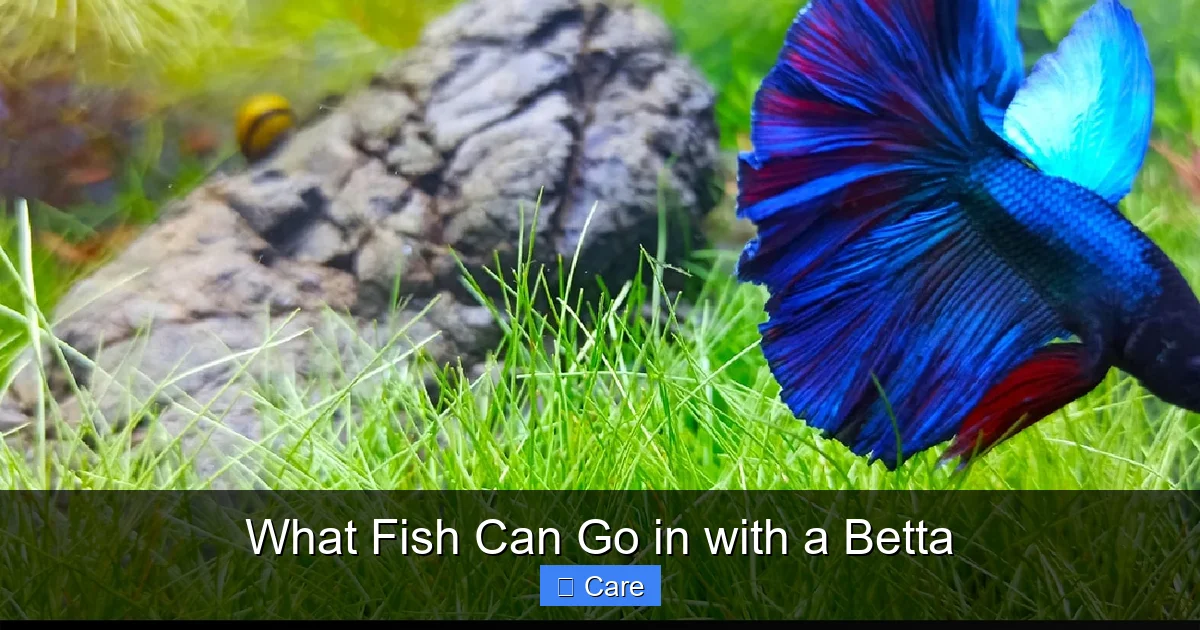
What Fish Can Go in with a Betta

Bettas can live with certain fish, but success depends on the individual betta’s temperament, tank size, and careful species selection. A minimum 20-gallon tank with heavy planting and peaceful, small, non-flashy fish like neon tetras, corydoras catfish, or harlequin rasboras offers the best chance. Avoid other bettas, guppies, and long-finned fish. Always quarantine new arrivals and monitor interactions closely after introduction.
So, you have a beautiful, lone betta fish in its tank, and you’re looking at that empty space and wondering: what fish can go in with a betta? It’s a common and excellent question. The image of a betta—a solitary, flashy fish often sold in tiny cups—seems to beg the question of companionship. But the answer isn’t simple. The reputation of the Siamese fighting fish is well-earned, but it’s also often misunderstood. With the right knowledge, tank setup, and a bit of luck regarding your betta’s personality, you can absolutely create a thriving community aquarium that includes your betta. This guide will walk you through everything you need to know, from understanding your betta’s mind to selecting the perfect tank mates and setting them up for success. We’ll cut through the myths and give you actionable, practical advice to help you answer the question: “What fish can go in with a betta?” for your specific situation.
Key Takeaways
- Bettas are individuals: A betta’s personality is the biggest factor; a peaceful betta may tolerate tank mates that an aggressive one will not.
- Tank size is critical: A 20-gallon (75L) or larger tank is the absolute minimum for any community, providing space to establish territories and reduce stress.
- Ideal mates are small, schooling, or bottom-dwelling: Fish that stay in different areas of the water column (like tetras or corydoras) are less likely to be seen as rivals.
- Avoid flashy, long-finned, or aggressive species: Guppies, fancy goldfish, other bettas, and fin-nippers like tiger barbs are almost always a recipe for disaster.
- Aquascaping is your best defense: Dense plants, wood, and rocks create visual barriers and hiding spots, breaking line of sight and giving the betta places to retreat.
- Quarantine every new fish: Always treat new arrivals in a separate hospital tank for 2-4 weeks to prevent introducing disease into your main aquarium.
- Introduce the betta last: If setting up a new community, add all other fish first and let them establish their routine before adding the betta to its home.
📑 Table of Contents
- Understanding the Betta: More Than Just a “Fighting Fish”
- The Foundation: Creating the Perfect Tank Environment
- The Ideal Candidates: Top Compatible Tank Mates for Bettas
- Fish to Avoid: The High-Risk and Guaranteed Failures
- The Step-by-Step Guide to Introducing Fish to Your Betta Tank
- Troubleshooting: When Things Go Wrong
- Conclusion: Patience, Planning, and a Bit of Luck
Understanding the Betta: More Than Just a “Fighting Fish”
Before we even talk about other fish, we must understand our betta. The common name “Siamese fighting fish” comes from their historic use in combat matches in Southeast Asia. This history has painted them with a broad brush of aggression, which is both accurate and incomplete. To figure out what fish can go in with a betta, we need to separate the myth from the behavioral reality.
The Myth of the Inherently Vicious Betta
The idea that all bettas are bloodthirsty killers is a myth. In the wild, bettas are relatively solitary. They are not schooling fish. They establish small territories around plants or debris and will defend that space from other male bettas, which is where the “fighting” moniker originates. They are not, however, relentless hunters that will attack and kill any fish that enters their domain. Their aggression is primarily directed at things they perceive as rivals—other fish with bright colors, long, flowing fins (like another male betta), or fish that invade their personal bubble. This distinction is crucial for selecting tank mates.
Individual Personality is Everything
If you’ve ever met two different dogs, you know they have distinct personalities. Bettas are the same. One betta might be a curious, laid-back fish that ignores a passing neon tetra. Another might be a grumpy, territorial guard who flares at his own reflection and chases any fish that comes near his favorite leaf. Your betta’s unique temperament is the single most important variable in the “what fish can go in with a betta” equation. There is no 100% guaranteed safe list because of this. The best we can do is provide you with species that have the highest probability of success based on their behavior and appearance, and teach you how to set the stage for peace.
Signs of a generally peaceful betta include: calm swimming, ignoring other fish, building a nest (even without a female present), and only flaring occasionally at his reflection. A more aggressive betta will constantly flare at anything that moves, chase tank mates relentlessly, and may even bite fins. When selecting tank mates, you must honestly assess your betta’s current behavior in his solitary tank. If he’s already flaring at you through the glass or attacking his reflection, adding tank mates is a high-risk endeavor that may require a backup plan (like a tank divider).
The Foundation: Creating the Perfect Tank Environment
You could have the most peaceful betta in the world, but if you put him in a bare 5-gallon tank with a rowdy school of fish, it will fail. The environment is non-negotiable. A proper setup does two critical things: it provides the betta with enough space and security to feel less threatened, and it offers the other fish places to escape his attention if needed. So, what makes the ideal tank for a betta community?
Visual guide about What Fish Can Go in with a Betta
Image source: fishlaboratory.com
Tank Size: Bigger is Infinitely Better
This is the first and most common mistake. The tiny, decorative tanks often sold with bettas are not suitable for any fish, let alone a community. The absolute minimum tank size for considering tank mates is 20 gallons (75 liters). A 20-gallon long provides a generous footprint—more horizontal swimming space is more important than height for most tropical fish. This gives your betta a large territory to claim and, more importantly, gives other fish room to establish their own territories away from the betta’s. A 29-gallon or larger is even better and provides a more stable ecosystem. In a small tank, any perceived threat is in the betta’s face immediately, with no room for escape, making aggression almost inevitable.
Aquascaping: The Art of the Barrier
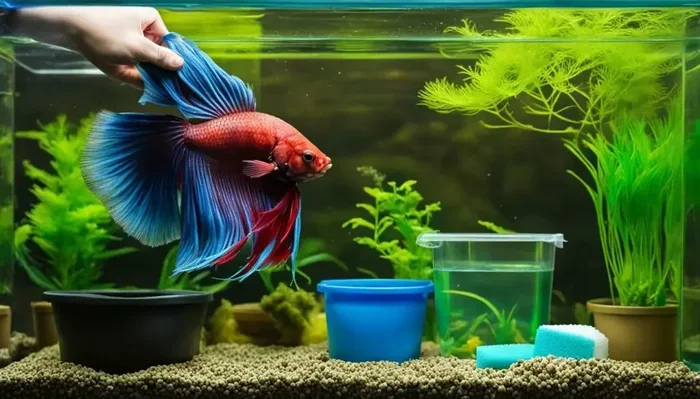
In a community tank with a betta, the goal of your decor is to break line of sight. A betta that can see another fish constantly will perceive it as a constant threat. Your tank should be heavily planted, both with live plants and silk decorations. Use a mix of:
- Floating plants: Floating plants like Salvinia or Water Sprite are fantastic. They create a canopy at the water’s surface where bettas love to rest and build bubble nests. They also block the betta’s downward view, reducing his awareness of fish below.
- Tall stem plants: Plants like Rotala, Hygrophila, or Amazon swords create vertical barriers.
- Driftwood and Rock Caves: These provide essential hiding spots for smaller, shyer fish. A corydora catfish needs a place to dart into if the betta gets curious.
- Dense Midground: Use plants like Anubias and Java fern tied to wood, or Cryptocoryne in the substrate to create thickets.
Think of it like designing a house with many rooms instead of one big open studio. The more walls (plants) you have, the more privacy everyone gets.
Water Parameters and Filtration
Bettas are tropical fish from warm, slow-moving waters. They prefer a temperature between 76°F and 82°F (24-28°C). Any tank mates must share this temperature preference. A stable, cycled tank with a gentle filter is essential. A strong current will stress a betta, as they have long fins designed for still waters. Use a sponge filter or a hang-on-back filter with the flow adjusted to a gentle trickle. Water quality must be pristine; a community tank produces more waste, so regular water changes (25% weekly) are critical for everyone’s health.
The Ideal Candidates: Top Compatible Tank Mates for Bettas
Now for the fun part. Based on decades of aquarist experience, certain types of fish have a very high success rate living with bettas. The common thread? They are generally small, peaceful, fast-moving (to avoid a slow-moving betta’s notice), and occupy different parts of the tank. They also tend to be drab in color—think silvers, browns, and blacks—so they don’t look like a rival male betta.
Visual guide about What Fish Can Go in with a Betta
Image source: buildyouraquarium.com
Small Schooling Fish: The Dazzling Distractions
Small, active schooling fish are arguably the best and most popular choice for betta tank mates. Their key advantage is that they are almost constantly moving in a group. A single, slow-moving fish is an easy target for a betta’s curiosity or aggression. A shimmering, fast-moving school, however, is much harder to single out and chase. The betta may give a half-hearted chase at one, but the school disperses and reforms instantly, making the chase pointless. They add brilliant activity to the middle and upper levels of the tank.
- Neon Tetras & Cardinal Tetras: The classic choice. Their iridescent blue and red stripes are stunning against green plants. They are very peaceful and stay small (1.5 inches). A school of 8-10 in a 20+ gallon tank is a beautiful, safe bet. Note: Ensure your tank is well-planted and dimly lit; tetras can be prone to “Neon Tetra Disease” and stress in poor conditions.
- Ember Tetras: Perfect for smaller community setups. Their tiny size (0.8 inches) and glowing orange color make them a favorite. Their small stature means they are less likely to be seen as a threat, and their schooling nature is mesmerizing.
- Harlequin Rasboras: Another excellent, hardy choice. They have a distinctive black triangle near their tail and swim in the upper half of the tank. They are bold, active, and their reddish color is not typically seen as a threat by bettas like blue/red is.
- Celestial Pearl Danios (CPDs): These tiny, jewel-like fish are a more advanced but stunning choice. They are very shy and need tons of plants and cover. In a heavily planted tank, they will darter around the bottom mid-levels, largely ignoring and being ignored by the betta.
Tip: Always buy schooling fish in groups of at least 6, preferably 8-10. A single or pair will be stressed and may become targets themselves.
Peaceful Bottom-Dwellers: The Clean-Up Crew & Substrate Dwellers
Fish that occupy the very bottom of the tank are ideal because they inhabit a completely different world from the betta, who is a top- and mid-level swimmer. They are usually drab, armored, or whiskered, and their slow, deliberate movements are not provocative.
- Corydoras Catfish (“Cory Cats”): The undisputed king of betta companions. These adorable, armored catfish are social and must be kept in groups of 5 or more. They sift through the substrate for food, making a gentle clicking sound. Their bony plates and whiskers make them uninteresting to a betta. A school of 6-8 Corydoras pygmaeus (pygmy corys) or C. habrosus (salt and pepper corys) is a delightful addition to any betta tank.
- Kuhli Loaches: For a truly unique bottom-dweller, the eel-like kuhli loach is fantastic. They are nocturnal, shy, and spend their days burrowed in the substrate or hiding under decorations. They are completely harmless and fascinating to watch when they come out.
- Otocinclus Catfish (“Otos”): These tiny, algae-eating catfish are great for a planted tank. They are very delicate and require established tanks with plenty of biofilm and algae to graze on. Their small size and constant grazing motion make them low-profile residents.
Shrimp and Snails: The Invertebrate Option
Adding invertebrates is a popular way to add life and activity without the competition of another fish. However, caution is still required.
- Amano Shrimp: These are the largest common aquarium shrimp (2-3 inches), making them less likely to be seen as a snack. They are prolific algae eaters and have a fascinating, active personality. They are generally safe with most bettas, but a very hungry or aggressive betta might still try to nip one.
- Ghost Shrimp & Bamboo Shrimp: Ghost shrimp are cheap and can be used as “testers” to see if your betta will eat shrimp. Bamboo shrimp are filter feeders and are larger, but they require specific water flow. Success varies wildly by betta.
- Nerite Snails: Absolutely safe and highly recommended. They come in beautiful patterns, eat algae off glass and leaves, and have a hard shell a betta cannot crack. They will not reproduce in freshwater.
- Mystery Snails (Apple Snails): Also safe due to their size and shell, but they produce a lot of waste and can sometimes be targeted by a persistent betta. Their large size makes them less likely to be eaten.
- Important: Cherry shrimp and other small, colorful dwarf shrimp are a high-risk addition. Their bright red color can trigger a betta’s aggression, and their small size makes them look like food. Some bettas will ignore them, others will hunt them relentlessly. Only try with a proven, peaceful betta in a heavily planted tank.
Fish to Avoid: The High-Risk and Guaranteed Failures
Just as important as knowing who to add is knowing who to leave out. Some fish are almost universally incompatible with bettas due to their appearance, fin type, or behavior.
Visual guide about What Fish Can Go in with a Betta
Image source: buildyouraquarium.com
Other Bettas and Flashy, Long-Finned Fish
This is the most obvious rule: Never house two male bettas together. They will fight to the death. Female bettas can sometimes be housed in sororities (5+ females in a large, heavily planted tank), but this is advanced and risky. Avoid any fish that resembles a betta: long, flowing fins and bright, bold colors. This includes:
- Fancy Guppies: Their long, colorful caudal fins are a direct challenge to a male betta. He will almost certainly nip them to shreds, leading to stress, infection, and death for the guppy.
- Male Siamese Fighting Fish (of course): Repeat after me: one male per tank.
- Fancy Goldfish (like Orandas or Ranchus): Beyond the temperature mismatch (goldfish are coldwater), their slow-moving, wen-headed appearance and trailing fins are irresistible targets for a betta.
- Other Anabantoids: Fish like dwarf gouramis and paradise fish are closely related and have similar body shapes and behaviors. They are known to be territorial and will likely squabble with the betta.
Fin-Nippers and Large, Boisterous Fish
Some fish have a habit of nipping at the long, flowing fins of other fish. A betta’s fins are its pride and joy, and nipping causes immense stress and opens the door to infection.
- Tiger Barbs: The classic fin-nipper. They are active, boisterous, and will relentlessly chase anything with flowing fins. Completely incompatible.
- Serpae Tetras: While they can work with some fish, they are notorious for nipping fins, especially the long fins of a betta.
- Most “Active” Tetras: Species like Buenos Aires tetras or black skirt tetras grow larger and can be boisterous, often harassing slower-moving fish like a betta.
- Large Cichlids (like Oscars or Jack Dempseys): These are powerful, aggressive fish that will either eat a betta or terrorize it. Size discrepancy alone makes this a non-starter.
- Large Catfish (like Plecos): While some small plecos (like bristlenose) can work, large common plecos can grow over a foot long, are messy, and may suck on the slime coat of a sleeping betta.
The Step-by-Step Guide to Introducing Fish to Your Betta Tank
So you’ve chosen your betta, set up a beautiful 20-gallon planted tank, and selected a school of neon tetras. Now what? The introduction process is just as important as the selection. A rushed or improper introduction can doom the entire project before it starts.
Step 1: Quarantine, Quarantine, Quarantine
This cannot be stressed enough. Every single new fish you bring into your home should first go into a separate hospital/quarantine tank for a minimum of 2-4 weeks. This tank can be simple—a bare 10-gallon with a filter and heater. The purpose is to observe the new fish for any signs of illness (ich, velvet, parasites, bacterial infections) and treat it if necessary. Introducing a sick fish to your main tank will almost certainly infect your betta and all your other fish. It’s a risk no responsible aquarist should take.
Step 2: Rearrange the Decor (The “Rearrange the Territory” Method)
Before you move the new fish into the main tank, do a major rearrangement of all the plants, rocks, and driftwood. Move everything around to create new hiding spots and, most importantly, to completely disrupt the betta’s established territory. When you then add the new fish and finally the betta (if you’re adding him to a new community), the betta will see the tank as a new, undefended space. He will be busy exploring and claiming new spots rather than immediately defending his old patch from the newcomers. This simple trick can drastically reduce initial aggression.
Step 3: The Actual Introduction
There are two main schools of thought for the final introduction:
- The “Add Tank Mates First” Method (Recommended): This is the safest approach. Set up and fully cycle your community tank without the betta. Add all your other fish (tetras, corydoras, etc.) and let them live together for several weeks. They will establish their school and territories. Then, when you add your betta (using the cup he came in, floated to equalize temperature), he is the new guy in an established community. He is more likely to be seen as an intruder by the others, but they will generally ignore him if he’s not actively chasing them. The betta, in turn, is less likely to feel like the tank is “his” to defend.
- The Drop Method: If you must have the betta in the tank first, use a divider (a physical acrylic or mesh barrier sold for this purpose) for a week or two. This allows the fish to see each other but not interact. Then, remove the divider and supervise closely. Be prepared to separate them immediately if fighting breaks out.
Never simply dump the new fish into the tank. Float their bag or container in the tank for 15-20 minutes to equalize temperature, then slowly add small amounts of tank water to the bag over 30 minutes to acclimate them to the water parameters. Finally, use a net to transfer them, avoiding getting bag water into your tank.
Troubleshooting: When Things Go Wrong
Even with the best planning, you might encounter issues. Here’s how to handle common problems.
The Betta is Chasing the New Fish Relentlessly
This is the most common initial reaction. Some chasing is normal as hierarchies are established. However, if the betta is in constant, non-stop pursuit, causing the other fish to hide and not eat, you have a problem.
- First, ensure your tank is large enough and well-planted. The solution is almost always more space and more hiding places.
- Use a tank divider temporarily. Give the fish a few weeks to get used to each other’s presence through the barrier, then try removing it again.
- Consider a “time-out” for the betta. Move the betta to a separate tank for 24-48 hours. When you return him, the other fish will have established their routine and may be less of a novelty to chase.
- Be prepared to rehome the betta or the other fish. Some bettas simply cannot live with others. Your betta’s wellbeing and the safety of your other fish must come first. It is not a failure to have a betta that prefers to be a solo showpiece.
The Betta is Hiding or Not Eating
This indicates the betta is stressed, likely by the new, more active fish in his space. He feels threatened and is withdrawing.
- Reassess tank size and decorations. He needs more places to hide that are his alone, like a large leaf or a betta log.
- Check water parameters immediately. Stress from poor water quality can exacerbate the problem.
- Try feeding the betta in a separate container. This ensures he gets his food without competing with or being bullied by other fish.
- If the behavior persists for more than a week, the community may not be working.
The New Fish are Hiding All the Time
This means they are terrified of the betta. While some initial hiding is normal, if they refuse to come out to eat after several days, the environment is not safe for them.
- Add even more plants and hiding spots specifically for the smaller fish. Use PVC pipes, densely planted corners, or ceramic caves.
- Ensure you have a large enough school. A school of 6 neon tetras will feel safer than a school of 3.
- Again, a divider may be necessary.
The key to troubleshooting is patience and keen observation. Watch your tank for 30 minutes a day. Note who flares at whom, who is eating, who is hiding. Your fish are telling you a story; you just have to learn to read it.
Conclusion: Patience, Planning, and a Bit of Luck
So, what fish can go in with a betta? The answer is a carefully selected list of peaceful, small, non-flashy fish like neon tetras, harlequin rasboras, corydoras catfish, and certain shrimp and snails, all housed in a spacious, heavily planted 20-gallon (or larger) aquarium. The foundation of success is understanding that your betta is an individual. Start with a peaceful species in a perfect environment, and you’ve given yourself the best possible chance. Remember the golden rules: big tank, lots of plants, quarantine all new fish, and add the betta last. Be prepared to intervene with dividers or separate tanks if needed. And always, always have a backup plan. Sometimes, the most beautiful and peaceful community is the one where your betta reigns supreme as the sole, stunning star. But if your betta’s temperament allows, adding compatible tank mates can create a dynamic, captivating underwater world that is infinitely more rewarding for both you and your fish. Do your research, set up for success, and enjoy the process of building your own little piece of the aquatic world.
Frequently Asked Questions
Can betta fish live with shrimp?
It depends entirely on the betta’s personality and the shrimp species. Larger, hardy shrimp like Amanos have a good chance of survival in a well-planted tank with a peaceful betta. Small, colorful dwarf shrimp like Cherries are high-risk and are often viewed as food. Always introduce shrimp first and observe closely.
Can I put a betta with guppies?
No, it is not recommended. Male guppies have long, colorful fins that will trigger a betta’s aggression, leading to the guppy’s fins being nipped and eventually causing fatal infection. Even female guppies can be at risk due to their vibrant colors.
What is the smallest tank I can use for a betta with tank mates?
20 gallons (75 liters) is the absolute minimum recommended size for a betta community. A 10-gallon tank is too small to provide adequate territory and hiding space, significantly increasing the likelihood of aggression and stress for all inhabitants.
How do I know if my betta will be aggressive with other fish?
Observe your betta in its current tank. If it constantly flares at its reflection, your finger, or any movement outside the tank, it has a more aggressive temperament and is a poor candidate for a community. A betta that is calm, curious, and only occasionally flares is a better prospect.
Are snails safe with betta fish?
Yes, most aquarium snails are completely safe with bettas. Their hard shells protect them from being eaten. Nerite snails and mystery snails are excellent choices as they also help clean algae. They produce waste, so ensure your filtration can handle the bio-load.
Can I put corydoras catfish with my betta?
Yes, corydoras catfish are one of the best and most popular tank mates for bettas. They are peaceful bottom-dwellers that occupy a completely different area of the tank. They must be kept in groups of 5 or more to be healthy and confident, which also makes them less likely to be singled out by the betta.