How to Sex Baby Betta Fish
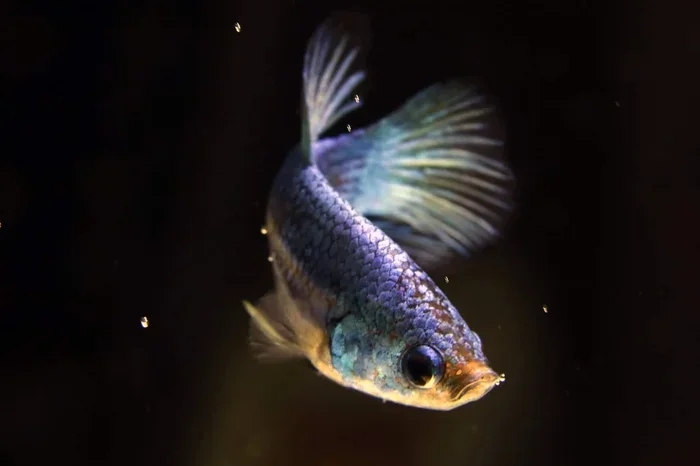
Figuring out how to sex baby betta fish can feel tricky, but it is easier than you think. With the right approach, you can identify male and female baby bettas within weeks of hatching. This guide walks you through every method, from venting to spotting the egg spot, so you can confidently tell your betta fry apart.
Key Takeaways
- Venting is the most reliable method: gently examining the vent area reveals key differences between male and female baby bettas.
- The egg spot is a clear indicator: females have a visible white spot near the underside that males typically lack.
- Wait until your bettas are at least 2-3 months old: sexing becomes much more accurate as they grow and develop physical traits.
- Behavioral differences appear early: males tend to flare and show more aggression, while females are often calmer.
- Proper betta fry care supports healthy development: good water quality and nutrition help sexing features become more visible over time.
- Patience is key: do not try to sex newborns too early, as their features are not yet developed enough to identify.
📑 Table of Contents
- How to Sex Baby Betta Fish: A Complete Guide for Beginners
- Why Sexing Baby Betta Fish Matters
- When Can You Start Sexing Baby Betta Fish?
- Methods for Sexing Baby Betta Fish
- Visual Comparison: Male vs Female Baby Betta
- Common Mistakes When Sexing Baby Betta Fish
- Tips for Successful Sexing
- What to Do After You Have Determined the Sex
- Final Thoughts on Sexing Baby Betta Fish
How to Sex Baby Betta Fish: A Complete Guide for Beginners
So you have a batch of baby betta fish swimming around, and you want to know if they are boys or girls. How to sex baby betta fish is one of the most common questions new betta keepers ask. The truth is, it is not as hard as it sounds. With a little patience and a keen eye, you can start telling the difference between male and female bettas even at a young age.
Sexing baby bettas matters for a few reasons. You might want to separate them to avoid fighting. Or maybe you are breeding bettas and need to know which fish are male and which are female. Whatever your reason, this guide will walk you through every step clearly and simply. Identifying betta fish gender early on gives you a big advantage in caring for them properly.
Most people think you have to wait months to tell baby bettas apart. That is not entirely true. While full accuracy comes a bit later, you can start noticing differences within the first few weeks. Let us dive into the methods and signs that make sexing baby bettas straightforward and even fun.
Why Sexing Baby Betta Fish Matters
Understanding how to sex baby betta fish early helps you plan better care. Male and female bettas have very different needs when kept together. Males are known to be territorial and aggressive. Females can also be territorial, but usually less so.
Here are a few reasons why knowing the gender of your baby bettas is important:
- Avoiding fights: two males in the same tank will almost always fight, sometimes to the death.
- Breeding purposes: if you want to breed bettas, you need a proper male-female pair.
- Tank setup: knowing the gender helps you decide on the right tank size and decorations.
- Health monitoring: some health issues are specific to one gender, so early identification helps with care.
Also, if you are raising betta fry, you will want to know how to properly care for baby betta fish as they grow. Separating by gender early prevents unwanted stress and aggression in your tank.
When Can You Start Sexing Baby Betta Fish?
Timing matters a lot when you are trying to figure out the gender of your baby bettas. Newborn bettas look almost identical at first. Their features simply have not developed enough yet.
Here is a general timeline to keep in mind:
- 0-2 weeks old: Almost impossible to sex. The fry are tiny and features are too subtle.
- 2-4 weeks old: You may start to notice slight differences in body shape and behavior.
- 4-8 weeks old: This is the sweet spot. Most differences become visible, including the egg spot and fin development.
- 8+ weeks old: Sexing is highly reliable at this stage. You can confidently identify male vs female bettas.
If you are wondering what to feed your growing fry during this time, check out our guide on what to feed baby betta fish. Proper nutrition supports healthy growth and makes sexing features easier to spot.
Methods for Sexing Baby Betta Fish
There are several ways to tell male and female baby bettas apart. Some methods work better than others, and some require more experience. Let us go through each one in detail.
Method 1: Venting
Venting is the most reliable method for sexing baby bettas. It involves gently looking at the area just below the belly, near the tail. This area is called the vent, and it reveals important differences between males and females.
Here is how to do it safely:
- Use a small net to gently lift the baby betta out of the water.
- Hold the fish carefully with clean, wet hands or a soft cloth.
- Look closely at the small opening near the bottom of the belly.
- Compare the shape and size of the vent across several fish.
Female baby bettas usually have a slightly rounder and larger vent. Males tend to have a smaller, more pointed vent area. This method takes practice, so do not worry if it feels tricky at first. With a few tries, you will get the hang of it.
Method 2: Looking for the Egg Spot
The egg spot is one of the easiest visual clues to spot. It is a small white or yellowish dot located on the underside of the female betta. This spot is where the eggs come from, so only females have it.
Here are some tips for finding the egg spot:
- Use a bright light to get a clear view of the fish’s underside.
- Look near the middle of the belly, just in front of the anal fin.
- The spot is tiny, so be patient and look carefully.
- Males do not have a visible egg spot, but they do have a small tubercle (a small white bump) during breeding season.
Keep in mind that the egg spot may be hard to see on very young fry. As the fish grows, it becomes easier to spot. This is another reason why waiting until your bettas are at least a month old makes the process much simpler.
Method 3: Observing Fin Development
Fin differences between male and female baby bettas start to show as they grow. Males tend to develop longer, more flowing fins earlier than females. The dorsal fin (the fin along the back) and the anal fin (near the belly) are especially telling.
Here is what to look for:
- Male bettas: Longer fins, especially the dorsal and caudal (tail) fins. The anal fin may also appear more pointed.
- Female bettas: Shorter, more compact fins. The overall body shape tends to be rounder.
These differences are subtle in young fish, so comparing multiple bettas side by side helps a lot. If you are raising bettas in separate containers, it is easier to observe these details without distractions.
Method 4: Checking for the Beard
Male bettas are known for their beard, which is a small flap of tissue under the gills. This feature becomes visible when the male flares or feels threatened. Baby males may show a tiny beard even without flaring, but it is much easier to see in adults.
To check for the beard:
- Place a mirror near the tank briefly (no more than a few minutes).
- Watch the fish carefully for flaring behavior.
- Look under the gill area for a small, dark line or flap.
- Females may flare too, but their beard is much less prominent.
Be careful not to stress the fish with mirrors for too long. A quick check is all you need. This method works better on older fry, around 6-8 weeks and up.
Method 5: Behavioral Differences
Behavior can also give you clues about betta fish gender. While it is not a foolproof method on its own, it works well when combined with the visual methods above.
Here is what to watch for:
- Male baby bettas tend to flare more often and show more aggression toward other fish.
- Female baby bettas are generally calmer but may show territorial behavior in groups.
- Males often build bubble nests at the surface, even at a young age.
- Females may display horizontal stripes when stressed, a sign called breeding bars.
Behavior alone is not enough to confidently sex baby bettas. But when you combine it with venting and visual checks, you get a much clearer picture of how to sex baby betta fish accurately.
Visual Comparison: Male vs Female Baby Betta
Sometimes a side-by-side comparison makes things much clearer. Here is a quick look at the key differences between male and female baby bettas.
| Feature | Male Baby Betta | Female Baby Betta |
|---|---|---|
| Egg Spot | Absent or very faint | Visible white or yellow dot |
| Vent Shape | Smaller, more pointed | Rounder and slightly larger |
| Fin Length | Longer, more flowing | Shorter, more compact |
| Beard | More prominent | Less visible |
| Body Shape | Slimmer, more elongated | Rounder, wider body |
| Behavior | More flaring and aggressive | Calmer, occasional flaring |
| Bubble Nests | Common, even in young males | Rare |
Use this table as a quick reference when you are trying to identify your baby bettas. Remember that no single feature is 100% conclusive on its own. The best approach is to look at the fish as a whole and consider multiple signs together.
Common Mistakes When Sexing Baby Betta Fish
Even experienced fish keepers make mistakes when sexing young bettas. Here are some common errors to avoid:
- Trying to sex newborns too early: Baby bettas under two weeks old are nearly impossible to sex accurately.
- Relying on just one method: Always use a combination of methods for the best results.
- Ignoring water quality: Poor water conditions can stress your fish and make features harder to see. Learn how to properly care for betta fish water to keep your fry healthy.
- Not comparing fish side by side: Looking at one fish alone makes it hard to spot differences. Compare multiple fish at the same time.
- Assuming color tells the gender: Color has nothing to do with sex. Both males and females come in the same range of colors.
Avoiding these mistakes saves you time and frustration. It also keeps your baby bettas safe and stress-free during the process.
Tips for Successful Sexing
Here are some practical tips to make sexing your baby bettas easier and more accurate:
- Use a magnifying glass: Baby bettas are tiny, and some features are hard to see with the naked eye.
- Work in a well-lit area: Good lighting helps you spot the egg spot and vent differences clearly.
- Be gentle: Always handle your baby bettas with care. Use soft nets and wet hands.
- Take notes: Write down what you observe for each fish. This helps you track changes over time.
- Be patient: Wait until your fish are at least a month old before making final determinations.
If you are new to raising bettas, you might also want to learn how to properly take care of betta fish in general. A healthy environment makes it easier to observe and identify your fish at every stage of development.
What to Do After You Have Determined the Sex
Once you know which of your baby bettas are male and which are female, you need to plan your next steps. This is where proper betta fry care really matters.
For males, you will want to house them separately. Two males in the same container will fight. For females, you can sometimes keep a small group together, but watch for signs of aggression.
If you are planning to breed your bettas in the future, separating them into male and female groups now gives them time to mature properly. You can also start preparing the right water parameters for breeding, which includes maintaining warm, clean water with stable temperature.
And if you are simply raising your bettas as pets, knowing their gender helps you choose the right tank setup. Males need their own space, while females can share with the right number of tank mates.
Final Thoughts on Sexing Baby Betta Fish
How to sex baby betta fish is a skill that gets easier with practice. Start by waiting until your fry are at least a month old. Then use venting, the egg spot, fin development, and behavior together to make accurate identifications. Avoid common mistakes like rushing the process or relying on just one clue.
Remember, every fish is different. Some bettas show clear gender traits early, while others take a bit longer. The key is to be patient, gentle, and observant. With time, you will become confident in telling male from female baby bettas with ease.
Whether you are a beginner or an experienced betta keeper, understanding betta fish gender early on sets you up for success. Apply the tips in this guide, keep learning, and enjoy the rewarding journey of raising healthy, happy bettas.
Frequently Asked Questions
Can you sex a baby betta fish right after it is born?
No, it is almost impossible to sex a baby betta immediately after birth. The physical features are too tiny and undeveloped. Wait at least 2 to 4 weeks before trying any sexing methods, and aim for 4 to 8 weeks for the most accurate results.
What is the easiest way to tell if a baby betta is male or female?
The easiest way is to look for the egg spot on the underside of the fish. Females have a visible white or yellowish dot, while males do not. Combine this with venting and fin observation for the best results.
Do male and female baby bettas look different in color?
No, color does not indicate gender. Both male and female baby bettas come in the same range of colors and patterns. Focus on physical features like the egg spot, fin length, and body shape instead.
Is venting safe for baby betta fish?
Yes, venting is safe when done gently. Use a small net and wet your hands before handling the fish. Be very careful not to squeeze or injure the tiny fry. If you are unsure, practice on a few fish at a time until you feel confident.
How long does it take for baby bettas to show their gender?
Most baby bettas start showing visible gender differences between 4 and 8 weeks of age. By 8 weeks, the differences in fin length, body shape, and behavior are usually clear enough to make a confident identification.
Can baby female bettas live together?
Yes, female baby bettas can sometimes live together in a group, but you need to monitor them closely. Provide plenty of hiding spots and space. Watch for signs of aggression and be ready to separate any fish that show bullying behavior.