Can Betta Fish Eat Cereal

Betta fish should not be fed cereal. The sugary, processed grains can harm their delicate digestive system and lead to water quality problems. Instead, stick to high‑protein foods designed for bettas and occasional natural treats.
Key Takeaways
- Never feed regular cereal: It contains sugar, gluten and fillers that bettas cannot digest.
- Watch the water quality: Uneaten cereal breaks down quickly, clouding the tank and fostering harmful bacteria.
- Choose protein‑rich foods: Live or frozen brine shrimp, daphnia, and high‑quality betta pellets are ideal.
- Offer occasional treats: Small pieces of peeled, cooked vegetables can be used sparingly.
- Read the label: If a food is labeled for “tropical fish” and low in carbs, it may be safe, but most cereals are not.
- Monitor feeding habits: Over‑feeding leads to constipation and swim‑bladder issues.
- Consult reputable sources: Articles like What Can Betta Fish Eat provide reliable diet guidelines.
📑 Table of Contents
Introduction: Why the Question Comes Up
Many new betta owners wonder if they can share a quick breakfast bite with their finned friend. After all, cereal is a staple in many households, and the bright colors of some flakes look a lot like the tiny grains in a bowl of cornflakes. It’s an easy mistake to make, especially when you’re trying to be “creative” with pet care.
But bettas are not like goldfish or guppies that can munch on a wide variety of foods. They are tropical carnivores with very specific nutritional needs. In this article we’ll break down exactly why cereal is a bad idea, what can happen if you feed it, and what safe, tasty alternatives you can offer instead.
Understanding a Betta’s Natural Diet
What Betta Fish Eat in the Wild
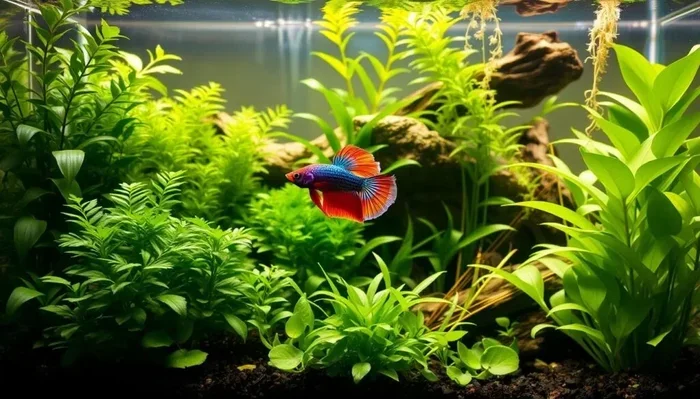
In their native Southeast Asian rivers and rice paddies, bettas hunt for tiny insects, mosquito larvae, and small crustaceans. Their diet is high in protein and low in carbohydrates. This natural preference shapes their digestive system: a short gut designed to process animal protein quickly.

Visual guide about Can Betta Fish Eat Cereal
Image source: charismaticplanet.com
How Captive Diets Replicate the Wild Menu
Commercial betta pellets, frozen or live brine shrimp, daphnia, and bloodworms are formulated to match that high‑protein profile. These foods also contain essential fatty acids, vitamins, and minerals that keep a betta’s colors vibrant and its immune system strong.
Why Carbs Don’t Belong
Carbohydrates, especially refined sugars found in most cereals, are difficult for bettas to break down. Their enzymes are tuned for protein, not starch. Feeding carbs can cause bloating, constipation, and even liver stress over time.
What Happens If You Feed Cereal?
Immediate Effects on the Fish
When a betta gulps down a piece of cereal, a few things can happen within minutes:

Visual guide about Can Betta Fish Eat Cereal
Image source: ador-cgis.rightinthebox.com
- Floating debris: Most cereals are less dense than water and will float, making it hard for the fish to swallow.
- Over‑eating: The bright colors may trigger a feeding frenzy, leading the betta to consume more than it needs.
- Digestive upset: The sugary coating can cause rapid fermentation in the gut, resulting in gas and discomfort.
Long‑Term Health Risks
Repeated cereal feedings can lead to chronic issues:
- Constipation and swim‑bladder problems: Undigested grain can block the intestines, making the betta float or sink erratically.
- Fungal and bacterial growth: Uneaten cereal decomposes quickly, raising ammonia levels and encouraging harmful microbes.
- Loss of color and vigor: A protein‑deficient diet dulls the iridescent fins that make bettas so popular.
Impact on Water Quality
Even a small amount of cereal left in the tank can cloud the water within hours. The sugars feed bacteria, leading to a spike in bio‑load. This forces you to perform more frequent water changes, which can stress the fish.
Safe Alternatives to Cereal
High‑Quality Betta Pellets
Look for pellets that list “fish meal” or “shrimp meal” as the first ingredient. These provide a balanced protein source and are sized for a betta’s small mouth.
Visual guide about Can Betta Fish Eat Cereal
Image source: i.pinimg.com
Live and Frozen Foods
Brine shrimp, daphnia, and bloodworms are excellent treats. They mimic the movement of natural prey, encouraging hunting behavior and exercise.
Occasional Natural Treats
If you want to give your betta something different, try a tiny piece of peeled, boiled zucchini or a pea (shelled). These are low in carbs and can help with constipation when fed sparingly.
DIY Betta Snacks
Blend a small amount of cooked shrimp with a dash of gelatin, pour into a silicone mold, and freeze. The result is a protein‑rich cube that your betta can nibble on like a natural bite.
How to Properly Feed Your Betta
Portion Control
A betta’s stomach is roughly the size of its eye. Feed 2–3 small pellets or a few shrimp once or twice a day. If any food remains after two minutes, remove it to keep the tank clean.
Feeding Schedule
Consistency helps prevent over‑eating. Many keepers feed in the morning and evening, mirroring the natural feeding times of insects in the wild.
Monitoring Health
Watch for signs of a healthy betta: active swimming, bright colors, and regular feeding response. If you notice bloating, lethargy, or faded fins, review the diet immediately.
Linking to Expert Guides
For a deeper dive into what bettas can safely eat, read What Can Betta Fish Eat. If you’re curious about cross‑species feeding, see Can Betta Fish Eat Goldfish Food for comparative insights.
What to Do If You Accidentally Feed Cereal
Immediate Water Change
Perform a 25‑30% water change within an hour to dilute any dissolved sugars and reduce bacterial spikes.
Observe for Symptoms
Watch the betta for any signs of distress over the next 24‑48 hours. If constipation appears, a single peeled pea can help move the gut.
Adjust Feeding Routine
Replace cereal with a proper betta pellet and resume a regular feeding schedule. Keep a log of what you feed to avoid future slip‑ups.
Conclusion: Keep It Simple, Keep It Healthy
While it might be tempting to share your breakfast cereal with your betta, the risks far outweigh any novelty. Betta fish thrive on a protein‑rich, low‑carb diet that mirrors their wild hunting habits. By sticking to high‑quality pellets, live or frozen crustaceans, and occasional natural veggies, you’ll ensure your betta stays vibrant, active, and long‑lived.
Remember, a happy betta is a healthy betta—no cereal required.
Frequently Asked Questions
Can betta fish eat any type of cereal?
No. All common breakfast cereals contain sugars, gluten, and additives that bettas cannot digest and can harm their health.
What are the signs that my betta ate something it shouldn’t?
Look for bloating, floating or sinking erratically, loss of color, and reduced appetite. These can indicate digestive distress.
How often should I feed my betta?
Two small feedings per day are ideal. Offer only what the fish can eat in 2‑3 minutes and remove any leftovers.
Can I give my betta a tiny piece of fruit as a treat?
Fruits are high in sugar and should be avoided. If you want a treat, stick to protein‑based options like brine shrimp or a small pea for constipation relief.
Will feeding cereal affect the tank’s water parameters?
Yes. Sugary foods break down quickly, raising ammonia and nitrite levels, which can stress the fish and promote algae growth.
Is there any cereal that is safe for bettas?
There is no cereal formulated for bettas. Even “grain‑free” or “low‑sugar” cereals contain ingredients unsuitable for their digestive system.