How To.clean Betta Fish Tank
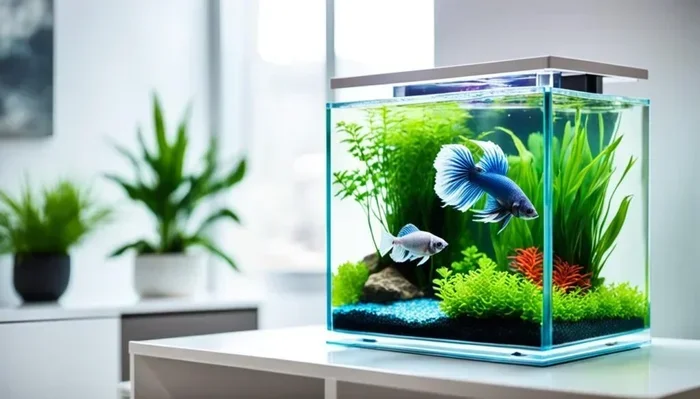
Keeping your betta fish tank clean is essential for your fish’s health and happiness. This guide walks you through the entire process of cleaning a betta fish tank, from partial water changes to gravel vacuuming and filter maintenance. You will learn simple routines that prevent disease and keep your aquarium crystal clear.
Key Takeaways
- Regular Maintenance: Clean your betta tank on a consistent schedule to maintain water quality and fish health.
- Partial Water Changes: Replace 25-30% of tank water weekly to remove toxins without disrupting beneficial bacteria.
- Gentle Cleaning Tools: Use soft sponges and gravel vacuums designed for aquariums to avoid harming your betta.
- Filter Care: Rinse filter media in old tank water to preserve good bacteria that keep the tank balanced.
- Avoid Soap and Chemicals: Never use household cleaners in your betta tank as they are deadly to fish.
- Monitor Water Parameters: Test ammonia, nitrite, and nitrate levels regularly to catch problems early.
- Live Plants Help: Healthy plants naturally filter water and reduce algae growth in your betta aquarium.
📑 Table of Contents
- How To Clean Betta Fish Tank The Right Way
- What You Need Before You Start
- How Often Should You Clean a Betta Tank
- Cleaning Without a Filter
- Maintaining Your Filter Properly
- Dealing With Algae in Your Betta Tank
- Common Mistakes to Avoid When Cleaning
- Expert Tips for a Sparkling Clean Betta Tank
- Conclusion
How To Clean Betta Fish Tank The Right Way
Cleaning a betta fish tank is one of the most important skills any betta owner needs. A dirty tank leads to stressed fish, illness, and even death. But cleaning does not have to be complicated or time-consuming.
In this guide, we break down everything you need to know about betta tank maintenance. Whether you own a small 1-gallon bowl or a larger 10-gallon setup, these steps apply. You will learn how often to clean, what tools to use, and how to do it safely for your fish.
Think of aquarium maintenance like brushing your teeth. A little effort every day saves you from big problems later. Your betta fish depends on you to keep its home clean and safe. Let us dive into the process.
Why Cleaning Your Betta Tank Matters
Betta fish are tropical creatures that thrive in clean, warm water. Waste, leftover food, and algae build up fast in small tanks. Without regular cleaning, toxic chemicals like ammonia and nitrite spike quickly.
These toxins burn your betta’s fins and gills. They weaken the immune system and make your fish vulnerable to disease. A clean tank means a happy, active betta with vibrant colors and long fins.
Beyond fish health, a clean tank simply looks beautiful. Crystal clear water lets you enjoy your betta’s colors and personality. Regular fish tank maintenance also prevents unpleasant odors in your home.
What You Need Before You Start
Gathering your tools before you begin makes the process smooth and efficient. You do not need fancy equipment, but a few essentials make a big difference.
- Aquarium gravel vacuum or siphon for substrate cleaning
- Bucket dedicated only to fish tank use
- Water conditioner or dechlorinator for tap water
- Soft sponge or algae pad (never use soap)
- Thermometer to check water temperature
- Fish net for gently moving your betta
- Tank water test kit for monitoring parameters
- Towel or rag for spills and drips
Pro tip: Never use household sponges or soap on anything that touches your tank water. Residue from cleaners is extremely toxic to betta fish. Keep all aquarium tools separate from your household cleaning supplies.
Step-by-Step Cleaning Process
Follow these steps in order for the best results. Each step targets a specific part of tank maintenance that keeps your betta healthy.
Step 1: Prepare New Water. Fill your bucket with tap water and add water conditioner. Let it sit for 15 minutes so the temperature matches your tank. This prevents temperature shock when you add it back.
Step 2: Remove Your Betta Safely. Use a fish net to gently transfer your betta to a temporary container with some original tank water. This keeps your fish stress-free during the cleaning process.
Step 3: Remove Decorations. Take out plants, caves, and ornaments. Rinse them in the old tank water you removed. Never use soap or scrub brushes on decorations.
Step 4: Vacuum the Gravel. Use your gravel vacuum to suck up debris from the substrate. Focus on areas where food accumulates. Remove about 25-30% of the total water volume.
Step 5: Clean the Glass. Use your soft algae pad to wipe the inside glass. Move in gentle circular motions. For stubborn spots, a magnetic algae cleaner works wonders.
Step 6: Rinse the Filter. Squeeze your filter media in the bucket of removed tank water. This preserves beneficial bacteria. Never rinse filter media under tap water because chlorine kills good bacteria.
Step 7: Refill the Tank. Add your conditioned water back slowly. Use a plate or bowl to diffuse the flow and prevent disturbing the substrate. Check the temperature before reintroducing your betta.
Step 8: Return Your Betta. Gently place your fish back into the clean tank. Watch for a few minutes to make sure your betta settles in comfortably.
How Often Should You Clean a Betta Tank
Cleaning frequency depends on tank size, filtration, and whether you have live plants. Smaller tanks need more frequent maintenance because waste concentrates faster.
- 1-3 gallon tanks: Partial water changes twice per week
- 5 gallon tanks: Weekly partial water changes
- 10 gallon tanks: Weekly or bi-weekly water changes
For more detailed guidance on cleaning frequency, check out our article on how often to clean a betta fish tank. The size of your tank and the number of fish play a huge role in determining your schedule.
A good rule of thumb is to test your water every week. If ammonia or nitrite levels are above zero, you need to do a water change sooner. Consistent testing prevents problems before they become emergencies.
Signs Your Betta Tank Needs Immediate Cleaning
Watch for these warning signs that your tank requires attention right away:
- Cloudy or murky water that does not clear after a water change
- Strong unpleasant odor coming from the tank
- Algae blooms covering glass and decorations rapidly
- Your betta staying at the bottom or gasping at the surface
- Visible waste buildup in the substrate
- High readings on your water test kit
If you notice any of these signs, do a partial water change immediately. Your betta’s health depends on quick action when water quality drops.
Cleaning Without a Filter
Not all betta tanks have filters, and that is okay. Many betta owners keep their fish in unfiltered bowls or tanks. Cleaning without a filter requires a slightly different approach.
Without a filter, beneficial bacteria colonies are smaller or nonexistent. This means waste breaks down slower and water quality drops faster. You will need to do more frequent water changes to compensate.
For detailed instructions on maintaining a tank without filtration, read our guide on how to clean a betta fish tank without a filter. The process is very similar but requires extra attention to water parameters.
The key difference is that unfiltered tanks need smaller water changes more often. Instead of 30% weekly, consider 20% changes three times per week. This keeps toxin levels stable without removing too much beneficial bacteria.
Using a Siphon Without a Filter System
Even without a filter, a gravel vacuum or siphon is still your best friend. It removes debris from the substrate that would otherwise decompose and pollute the water.
Hand-operated siphons are inexpensive and easy to use. Simply start the flow by sucking on one end or using a priming pump. Guide the other end into your bucket and let gravity do the work.
Focus your vacuuming on corners and areas under decorations where waste collects. These spots are easy to miss but can become major pollution sources if neglected.
Maintaining Your Filter Properly
If your betta tank has a filter, proper maintenance is crucial. The filter removes physical debris and hosts beneficial bacteria that break down toxic waste. But cleaning it the wrong way can actually harm your tank.
Never clean all filter media at once. Replace only one-third of the media at a time, spaced out over several weeks. This preserves the bacteria colony that keeps your tank cycling properly.
For comprehensive filter cleaning instructions, see our article on how to clean betta fish tank with filter. Different filter types require slightly different maintenance approaches.
Types of Filter Media and How To Clean Them
Most aquarium filters use three types of media. Each requires different cleaning methods.
- Mechanical media: Foam or floss that traps particles. Rinse in old tank water when it looks dirty.
- Biological media: Ceramic rings or bio balls that host good bacteria. Rinse gently in tank water never let it dry out completely.
- Chemical media: Carbon or resin that removes impurities. Replace according to manufacturer instructions typically every 2-4 weeks.
Understanding what each media type does helps you clean it correctly. Mishandling biological media is the most common mistake beginners make when maintaining filters.
Dealing With Algae in Your Betta Tank
Algae is a natural part of any aquarium. A little algae is normal and even beneficial. But too much algae ruins the look of your tank and can affect water quality.
The main causes of excess algae are too much light and too many nutrients. Reduce lighting to 8-10 hours per day. Avoid placing the tank in direct sunlight. And keep up with regular water changes to remove excess nutrients.
For specific algae removal techniques, visit our guide on how to clean algae from betta fish tank. We cover natural methods and safe tools for keeping algae under control.
Algae Eaters and Natural Control
Some tank mates can help manage algae in your betta tank. Snails like nerite snails are excellent algae eaters and stay small enough for betta setups. Just be cautious about adding any new inhabitants to a betta tank.
Live plants also compete with algae for nutrients. A well-planted betta tank naturally resists algae growth. Plants like java fern, anubias, and amazon sword work great in betta aquariums.
Common Mistakes to Avoid When Cleaning
Even experienced fish keepers make mistakes sometimes. Knowing what to avoid saves you time and protects your betta fish.
Mistake 1: Using Soap or Household Cleaners. This is the number one deadly mistake. Soap residue is lethal to fish even in tiny amounts. Always use aquarium-specific products only.
Mistake 2: Replacing All the Water at Once. A full water change shocks your fish and destroys beneficial bacteria. Stick to partial changes of 25-30% maximum.
Mistake 3: Using Tap Water Without Conditioner. Chlorine and chloramine in tap water harm fish gills and kill beneficial bacteria. Always treat water with a quality conditioner before adding it to your tank.
Mistake 4: Cleaning Everything at Once. Replace filter media gradually. Clean decorations in stages over multiple days. This preserves the bacterial colonies that keep your tank stable.
Mistake 5: Ignoring Water Temperature. Betta fish are tropical and need warm water around 78-80°F. Adding cold water causes temperature shock and stress. Always match the temperature of new water to your tank.
For more information on common errors, read our beginner-friendly guide on how to clean a betta fish tank for beginners. It covers these mistakes in greater detail with solutions.
Expert Tips for a Sparkling Clean Betta Tank
Here are some pro tips that take your tank cleaning to the next level. These small habits make a huge difference over time.
- Feed your betta less food. Uneaten food is the biggest source of tank pollution. Two small feedings per day is plenty.
- Keep a dedicated set of cleaning tools. Never share aquarium tools with household cleaning supplies.
- Perform a quick visual check every morning. Catching cloudiness or debris early makes cleaning easier.
- Use a turkey baster to remove surface debris without disturbing your betta.
- Add live plants to naturally filter water and reduce maintenance needs.
- Keep a cleaning log to track water changes and test results over time.
- Quarantine new plants or decorations before adding them to your main tank.
These tips come from years of experience in betta fish care. Implementing even a few of them will keep your tank cleaner longer and your fish healthier.
Conclusion
Cleaning a betta fish tank does not have to be intimidating. With the right tools, a consistent schedule, and gentle techniques, you can maintain a beautiful and healthy aquarium. Remember that regular partial water changes are the foundation of good tank hygiene.
Your betta fish relies on you for a clean home. By following the steps in this guide, you provide the best possible environment for your fish to thrive. Clean water means a happy betta with bright colors and active behavior.
Start with small consistent actions. Clean a little bit regularly rather than doing big infrequent cleanings. Your betta will thank you with years of vibrant life and companionship. Keep up the great work and enjoy your beautiful aquarium.
Frequently Asked Questions
How often should I clean my betta fish tank?
For most betta tanks, a partial water change of 25-30% once per week is ideal. Smaller tanks under 5 gallons may need cleaning twice a week. Larger tanks over 10 gallons can go longer between cleanings if properly filtered.
Can I use soap to clean my betta fish tank?
Never use soap or household cleaners on anything that touches your tank water. Soap residue is extremely toxic to betta fish and can be fatal. Only use aquarium-safe products and rinse tools with old tank water.
How do I clean a betta fish tank without a siphon?
You can use a turkey baster to remove debris from the substrate. You can also do small water changes by gently scooping water out with a cup. For a more thorough clean, consider getting a simple hand siphon that costs just a few dollars.
Is it safe to clean a betta fish tank with live plants?
Yes, cleaning a tank with live plants is safe and actually beneficial. Plants help filter water naturally. Just be gentle when vacuuming near plant roots and avoid uprooting them during the cleaning process.
What is the best way to clean a betta fish tank filter?
Rinse filter media in old tank water removed during a water change. Never use tap water directly on filter media because chlorine kills beneficial bacteria. Replace mechanical media like foam when it becomes too dirty to rinse clean.
How do I remove algae from my betta fish tank glass?
Use a soft algae pad or magnetic algae cleaner designed for aquariums. Avoid abrasive scrubbers that can scratch the glass. Reducing light exposure to 8-10 hours daily helps prevent excess algae growth in the first place.