How To.cycle a Fish Tank For.betta
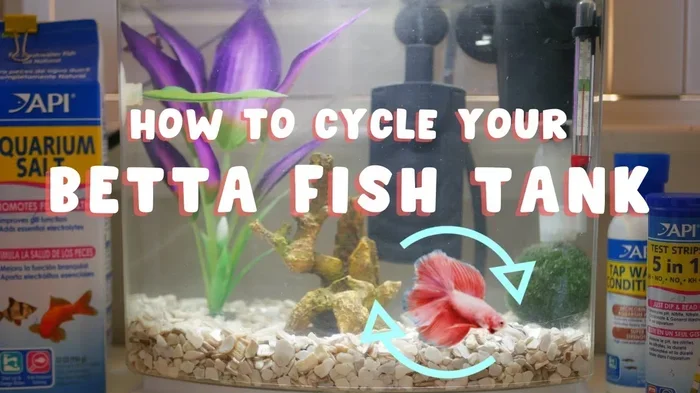
Cycling a fish tank for betta is the most important step before adding your fish. This process builds beneficial bacteria that remove toxic ammonia and nitrite from the water. A fully cycled tank keeps your betta safe, healthy, and thriving for years to come.
Key Takeaways
- The nitrogen cycle is essential: It converts harmful ammonia into less toxic nitrate through beneficial bacteria.
- Fishless cycling is the safest method: It protects your betta from toxic water conditions during the process.
- Testing water parameters regularly is critical: You need to track ammonia, nitrite, and nitrate levels throughout the cycle.
- A fully cycled tank takes 4 to 6 weeks: Patience is the key to a healthy aquarium environment.
- Avoid common mistakes like rushing the process: Adding your betta too early can be fatal.
- Regular maintenance keeps the cycle stable: Water changes and filter care prevent ammonia spikes.
📑 Table of Contents
- How To Cycle a Fish Tank For Betta: The Complete Guide
- How To Cycle a Fish Tank For Betta: Step-by-Step
- Fish-In vs. Fishless Cycling for Betta Tanks
- How To Tell When Your Tank Is Fully Cycled
- Common Mistakes To Avoid When Cycling a Betta Tank
- Maintaining Your Cycled Tank After Adding Your Betta
- Quick Tips for Faster and Safer Cycling
- Conclusion
How To Cycle a Fish Tank For Betta: The Complete Guide
Cycling a fish tank for betta might sound complicated, but it is actually a simple process. The goal is to build a colony of beneficial bacteria that can break down toxic waste in your tank. Without this process, ammonia and nitrite levels can spike and harm or even kill your betta fish.
Whether you are a complete beginner or a hobbyist looking to refresh your setup, this guide will walk you through every step. You will learn what the nitrogen cycle is, how to cycle with or without fish, and how to test your water like a pro. By the end, you will feel confident and ready to give your betta the safest home possible.
If you have not yet set up your tank, check out our guide on how to set up a fish tank for betta fish before you start cycling. Having the right equipment in place makes the entire process much smoother.
Why the Nitrogen Cycle Matters for Betta Fish
Betta fish are hardy creatures, but they are not immune to poor water quality. In a new tank, there are no beneficial bacteria yet. This means that waste from food, plants, and your fish turns into ammonia. Ammonia is extremely toxic, even in small amounts.
The nitrogen cycle solves this problem. It is a natural process where beneficial bacteria convert ammonia into nitrite, and then nitrite into nitrate. Nitrate is much less harmful and can be removed through regular water changes. Think of it as building a tiny waste treatment system inside your aquarium.
When you cycle a fish tank for betta properly, you create a stable environment. Your betta will be less stressed, eat better, and display vibrant colors. A stable aquarium also reduces the risk of common diseases like fin rot and ich.
How To Cycle a Fish Tank For Betta: Step-by-Step
The cycling process follows a clear path. Each step builds on the last. Here is exactly what you need to do to get your betta tank ready.
Step 1: Set Up Your Tank and Equipment
Before you start the cycle, make sure your tank is ready. You will need a few basic items:
- A tank that is at least 5 gallons in size
- A tank filter rated for your tank size
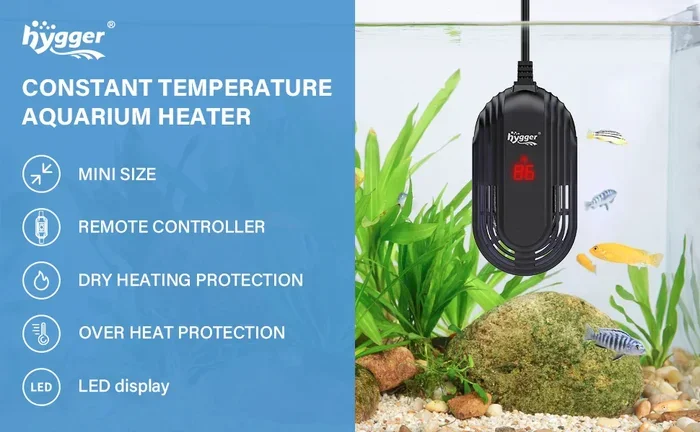
- An aquarium heater set to 78 to 80 degrees Fahrenheit
- Substrate like gravel or sand
- Water conditioner to remove chlorine from tap water
- A water test kit for ammonia, nitrite, and nitrate
Fill your tank with dechlorinated water and run your filter and heater from day one. The water temperature should be stable. Bettas thrive in warm, clean water, so getting the heater right from the start matters a lot.
If you need help preparing your water, read our article on how to prepare water for a betta fish. This ensures your tap water is safe before it ever enters the tank.
Step 2: Introduce a Source of Ammonia
Beneficial bacteria need food to grow, and their favorite food is ammonia. In a fishless cycle, you can add pure ammonia or use fish food to slowly produce it. Drop a small amount of ammonia into the tank each day to reach about 2 to 4 parts per million (ppm).
Do not add too much ammonia. High levels can stall the cycle and slow down bacteria growth. A small, consistent dose works best. Over the next few weeks, you will see the ammonia levels drop as bacteria begin to colonize your filter and substrate.
Step 3: Test the Water Every Few Days
Testing is the backbone of successful cycling. Use a reliable liquid test kit to check ammonia, nitrite, and nitrate levels. Test the water every two to three days and write down your results.
You will notice a pattern over time:
- Ammonia starts high and then drops
- Nitrite rises as ammonia drops, then falls
- Nitrate appears and gradually increases
When you see ammonia and nitrite at zero and nitrate rising, your tank is almost done cycling. This is a great sign that your beneficial bacteria colonies are established and working.
Step 4: Wait for the Tank to Mature
Patience is the hardest part of cycling a tank. Most tanks take 4 to 6 weeks to fully cycle. Some tanks can take longer depending on temperature, bacteria starters, and water conditions.
Do not rush this step. Adding your betta to an uncycled tank is one of the most common mistakes new fish keepers make. A mature tank with stable water parameters gives your betta the best chance at a long, healthy life.
Once the cycle is complete, you can move on to decorating and preparing for your betta. If you want tips on making the tank comfortable, our guide on how to decorate a betta fish tank has great ideas.
Fish-In vs. Fishless Cycling for Betta Tanks
There are two main ways to cycle a tank. Each method has its pros and cons. Understanding both helps you choose the right approach for your situation.
Fishless Cycling
Fishless cycling is the recommended method for most hobbyists. You cycle the tank before adding any fish. This means your betta never has to survive in toxic water conditions.
Benefits of fishless cycling include:
- No risk of ammonia burns or nitrite poisoning
- You can control ammonia levels precisely
- The tank is fully mature before your fish arrives
- Less stress for both you and your future pet
Fishless cycling takes a bit more time and patience, but it is the safest way to go. Your betta will thank you for it.
Fish-In Cycling
Fish-in cycling means adding your betta to the tank while the cycle is still in progress. Some people use this method because it feels faster. However, it puts your fish at risk.
During a fish-in cycle, ammonia and nitrite levels can spike unexpectedly. Even hardy bettas can suffer from these spikes. If you must use this method, test the water daily and do small water changes whenever ammonia rises above 0.5 ppm.
For more information on keeping your betta healthy during and after cycling, visit our how to care for a betta fish guide.
How To Tell When Your Tank Is Fully Cycled
Knowing when your tank is done cycling removes all the guesswork. Look for these clear signs that your aquarium has matured:
- Ammonia: 0 ppm
- Nitrite: 0 ppm
- Nitrate: Below 20 ppm after a water change
- Stable water parameters over several days of testing
- No cloudy water or unpleasant odors
When all of these conditions are met, your tank is fully cycled and ready for your betta. The beneficial bacteria in your filter and substrate are now doing the hard work of keeping the water clean.
Keep in mind that the cycle can take a hit if you clean your filter too aggressively or change all the water at once. Always use gentle cleaning methods and never replace all filter media at the same time.
Common Mistakes To Avoid When Cycling a Betta Tank
Even experienced hobbyists make mistakes during the cycling process. Here are the most common ones and how to avoid them:
- Skipping water tests: You cannot cycle blind. Testing is the only way to know what is happening in your tank.
- Adding your betta too early: If ammonia or nitrite is above zero, your fish is not safe yet.
- Overcleaning the filter: Rinse filter media in tank water only. Never use soap or tap water directly.
- Using too much ammonia: More is not better. Small, measured doses work best.
- Ignoring temperature: Cold water slows down bacteria growth. Keep the tank warm and stable.
Avoiding these mistakes saves you time, money, and most importantly, your betta fish. A little patience goes a long way in building a thriving aquarium.
Maintaining Your Cycled Tank After Adding Your Betta
Once your tank is cycled and your betta is settled in, the work is not done. Regular maintenance keeps the cycle stable and your fish happy.
Here is a simple maintenance routine to follow:
- Test water weekly: Check ammonia, nitrite, and nitrate levels every week.
- Do partial water changes: Replace 25 to 30 percent of the water every one to two weeks. Learn how with our guide on how to do a water change for betta fish.
- Vacuum the substrate: Remove debris from the gravel or sand during water changes.
- Clean the filter gently: Rinse filter media in removed tank water once a month.
- Feed sparingly: Overfeeding causes excess waste and spikes in ammonia.
Following these steps ensures your tank stays cycled and your betta stays healthy. A well-maintained aquarium is a beautiful and peaceful addition to any home.
Quick Tips for Faster and Safer Cycling
Want to speed up the cycling process without risking your betta’s health? Try these expert tips:
- Use a bacteria starter product to add beneficial microorganisms to your tank
- Keep the water temperature between 78 and 80 degrees Fahrenheit
- Add a few hardy plants to help absorb ammonia naturally
- Avoid turning off your filter, even at night
- Be patient and resist the urge to add your betta before the cycle is complete
These small actions add up to a big difference. Your tank will cycle faster and more safely, giving your betta the best possible start in life.
Conclusion
Cycling a fish tank for betta is the foundation of good fish keeping. It takes time, patience, and a little effort, but the results are well worth it. A fully cycled tank means safe, clean water for your betta to thrive in.
Follow the steps in this guide, test your water regularly, and avoid common mistakes. Your betta will live a longer, happier life in a stable and healthy aquarium. Remember, a little work upfront saves you from heartache later.
Now that you know how to cycle your tank properly, you are ready to start. Your betta is counting on you to give them the best home possible. Get out there and build that perfect aquarium today.
Frequently Asked Questions
How long does it take to cycle a fish tank for betta?
Most tanks take 4 to 6 weeks to fully cycle. The exact time depends on water temperature, the method you use, and whether you add a bacteria starter. Warmer water speeds up bacteria growth, so keep your tank between 78 and 80 degrees Fahrenheit for the best results.
Can I put my betta fish in the tank while it is still cycling?
It is not recommended. Cycling produces ammonia and nitrite, both of which are toxic to bettas. Fishless cycling is the safest approach because it protects your fish from harmful water conditions until the tank is fully mature.
What is the fastest way to cycle a betta tank?
Using a bottled bacteria starter product is the fastest method. These products contain live beneficial bacteria that help jumpstart the nitrogen cycle. Combine this with warm water temperatures and regular testing for the quickest results.
How do I know if my tank is fully cycled?
A fully cycled tank shows zero ammonia, zero nitrite, and rising nitrate levels. The water should be clear with no unpleasant odors. Test your water consistently for several days to confirm that parameters remain stable before adding your betta.
Do I need to cycle a tank if I already have a filter?
Yes, absolutely. A filter alone does not make a tank cycled. The filter provides a home for beneficial bacteria, but those bacteria need time to grow and establish. Without cycling, the bacteria colonies are not yet large enough to handle your fish’s waste.
Can I use tap water when cycling my betta tank?
Yes, but you must treat it first. Tap water contains chlorine and chloramine, which kill beneficial bacteria and harm your betta. Always use a water conditioner to remove these chemicals before adding tap water to your aquarium.