How to Clean a Betta Fish Tank Without Filter
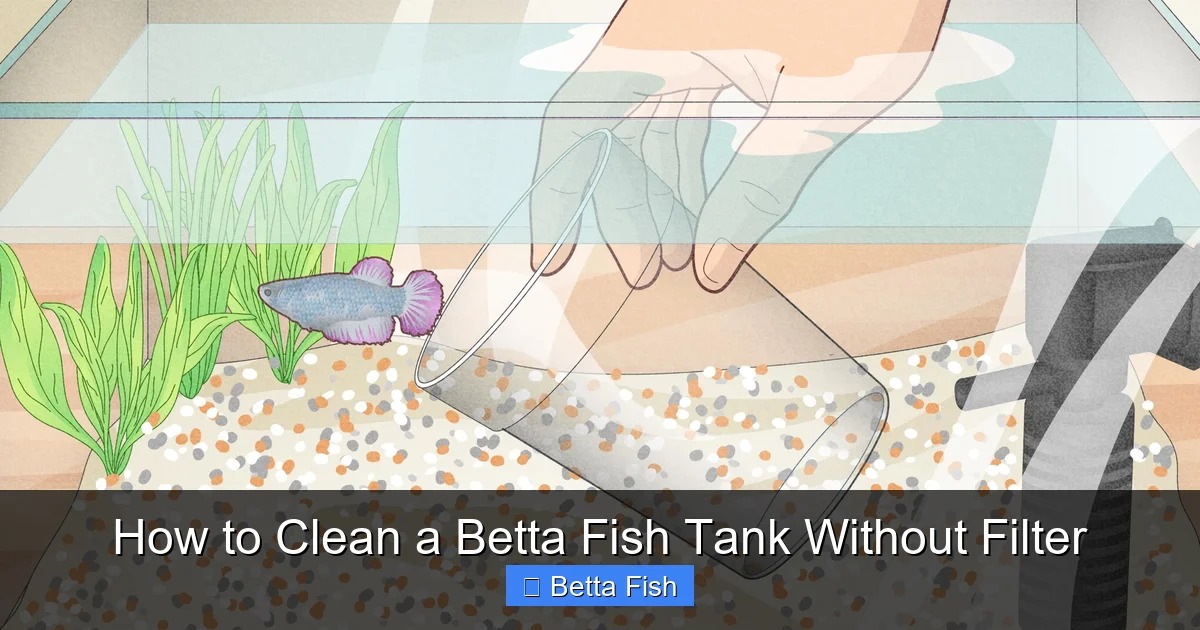
Cleaning a betta tank without a filter is easy when you follow a simple routine. Just gather a few tools, do regular water changes, and keep the substrate tidy, and your betta will thrive.
Key Takeaways
- Frequent small water changes: Swap 25‑30% of water every week to control ammonia.
- Use a siphon or cup: Even without a filter, a siphon removes debris from the substrate.
- Gravel vacuuming: Gently stir and vacuum the bottom to prevent waste buildup.
- Temperature & pH check: Keep water at 76‑80°F and pH 6.5‑7.5 for optimal health.
- Live plants help: Plants absorb nitrates and give the tank a natural look.
- Cleaning schedule matters: A consistent routine beats occasional deep cleans.
- Safe handling: Use a soft net or cup to move the betta while cleaning.
📑 Table of Contents
- Why Cleaning a Betta Tank Without a Filter Still Works
- Gather the Right Tools
- Step‑by‑Step: Cleaning the Tank
- How Often Should You Clean?
- Using Live Plants as Natural Helpers
- When to Use a Siphon Even Without a Filter
- Common Mistakes and How to Avoid Them
- Putting It All Together: A Weekly Cleaning Schedule
- Additional Resources
- Conclusion
Why Cleaning a Betta Tank Without a Filter Still Works
Many beginners think a filter is mandatory for a betta, but bettas are hardy little fish that can live happily in a well‑maintained, filter‑free environment. Without a filter you have full control over water changes, and you avoid the noise and current that some bettas dislike.
The key is to keep the water clean by removing waste before it turns into harmful ammonia. With a little routine and the right tools, you’ll keep the tank sparkling and your betta thriving.
Gather the Right Tools
What You’ll Need
- Bucket: A clean, fish‑safe bucket (no soap residues).
- Gravel vacuum or small siphon: Even a simple kitchen siphon works.
- Algae scraper or soft sponge: For glass cleaning.
- Water conditioner: Removes chlorine and chloramines.
- Thermometer and test kit: To monitor temperature, ammonia, nitrite, and nitrate.
- Soft net or cup: For moving the betta safely.
Choosing a Bucket
Use a bucket that’s dedicated only to aquarium work. Rinse it thoroughly with dechlorinated water before each use. This prevents accidental chemical contamination.

Visual guide about How to Clean a Betta Fish Tank Without Filter
Image source: png.pngtree.com
Step‑by‑Step: Cleaning the Tank
1. Prepare Fresh Water
Fill your bucket with tap water that matches the tank’s temperature (within 2°F). Add the correct dose of water conditioner to neutralize chlorine.
Visual guide about How to Clean a Betta Fish Tank Without Filter
Image source: bestmetaltrade.com
2. Safely Remove Your Betta
Gently coax the betta into a soft net or a clean cup. Betta fins are delicate, so avoid squeezing. Place the fish in the bucket of conditioned water for a few minutes while you work.
3. Remove Debris From the Bottom
Insert the siphon into the substrate and start a gentle flow. Let the water swirl, lifting uneaten food and waste. Move the siphon tip across the gravel, but avoid stirring up too much sand – you want a clean but undisturbed environment.
4. Clean the Glass
Use an algae scraper or a soft sponge to wipe the inside of the glass. Work from top to bottom, rinsing the scraper frequently in the bucket water.
5. Replace Water
Slowly pour the conditioned water back into the tank, aiming for the middle to avoid creating a current that could stress the betta. Fill to the original level, then re‑check temperature.
6. Return the Betta
Gently lift the cup or net and let the betta swim out on its own. Watch for any unusual behavior – a quick check ensures the fish is comfortable.
How Often Should You Clean?
Without a filter, regular water changes are the lifeline of the tank. A good rule of thumb is 25‑30% weekly, but you can adjust based on tank size and fish activity.

Visual guide about How to Clean a Betta Fish Tank Without Filter
Image source: static.zerochan.net
- Small 1‑2 gallon tanks: Change 30% twice a week.
- 3‑5 gallon tanks: Change 25% once a week.
- 5‑10 gallon tanks: Change 20‑25% weekly, or 30% every 10 days.
Testing water weekly with a simple kit helps you spot spikes in ammonia or nitrite early, so you can increase the cleaning frequency if needed.
Using Live Plants as Natural Helpers
Live plants act like a living filter. They absorb nitrates, produce oxygen, and give your betta places to explore. Fast‑growing species such as Java fern, Anubias, and Marimo moss balls are low‑maintenance and perfect for a filter‑free setup.
If you add plants, trim them regularly and remove any dead leaves, as they can decay and raise ammonia levels.
When to Use a Siphon Even Without a Filter
A siphon isn’t just for filtered tanks. It’s the most efficient way to pull water and debris out of a filter‑free tank without spilling. If you don’t have a siphon, a clean cup works fine for smaller water changes, but a siphon speeds up the process and reduces stress on the fish.
For more detailed tips on siphon‑free cleaning, check out our guide on how to clean a betta fish tank without a siphon.
Common Mistakes and How to Avoid Them
Using Tap Water Directly
Never add untreated tap water. Chlorine and chloramine are toxic to bettas. Always treat the water first.
Changing Too Much Water at Once
A sudden 100% water change can shock the fish and strip beneficial bacteria. Stick to partial changes.
Skipping the Test Kit
Even with diligent water changes, ammonia can build up quickly. A test kit is your safety net.
Over‑Cleaning Decorations
Rinse ornaments with tank water, not tap water, to preserve the beneficial bacteria that live on surfaces.
Putting It All Together: A Weekly Cleaning Schedule
Here’s a simple checklist you can print and stick on your fridge.
- Monday: Test water parameters.
- Tuesday: 25% water change, gravel vacuum.
- Wednesday: Trim plants, wipe glass if needed.
- Thursday: Feed a light diet, observe fish behavior.
- Friday: Spot‑clean any algae, check filter‑free equipment.
- Saturday: Optional extra water change if ammonia is high.
- Sunday: Rest day – enjoy watching your betta!
Additional Resources
If you’re new to betta care, you may also find these articles helpful: how to clean a betta fish tank properly, how to set up a tank for a betta fish, and how often to clean betta fish tank.
Conclusion
Cleaning a betta fish tank without filter may sound daunting, but with a regular routine, the right tools, and a few simple habits, it becomes second nature. Remember to change water partially, vacuum the substrate, keep an eye on temperature and pH, and let live plants do some of the work for you. Your betta will reward you with vibrant colors and lively behavior, proving that a filter‑free tank can be just as healthy as a filtered one.
Frequently Asked Questions
How often should I change the water in a filter‑free betta tank?
Change 25‑30% of the water every week. Smaller tanks may need two changes per week to keep ammonia low.
Can I use tap water directly for a betta tank?
No. Always treat tap water with a water conditioner to remove chlorine and chloramines, which are harmful to bettas.
Do bettas need a filter at all?
Betas can thrive without a filter if you perform regular water changes and keep the tank clean. A filter is helpful but not mandatory.
What’s the best way to move my betta during cleaning?
Use a soft net or a clean cup filled with conditioned water. Gently guide the fish into the cup and keep it there while you clean.
How can I tell if the water quality is poor?
Test kits will show ammonia, nitrite, nitrate, and pH levels. Cloudy water, a strong odor, or a stressed fish are also warning signs.
Are live plants necessary in a filter‑free tank?
They’re not required, but live plants help absorb nitrates, provide oxygen, and create a natural environment that benefits both the fish and the tank’s balance.