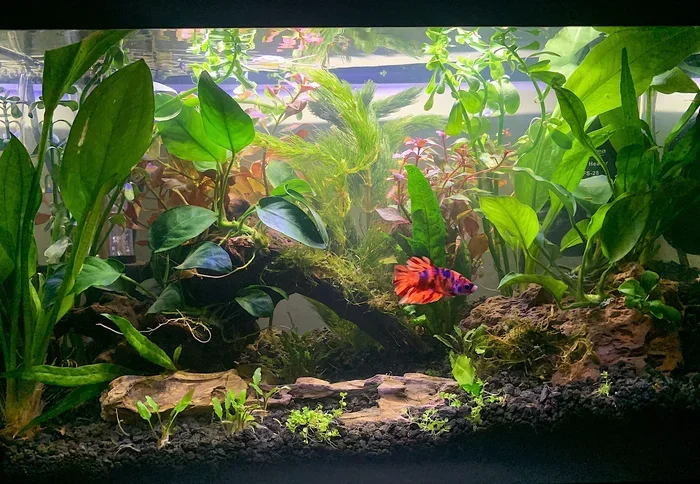
Do Betta Fish Need a Air Filter for Clean Water
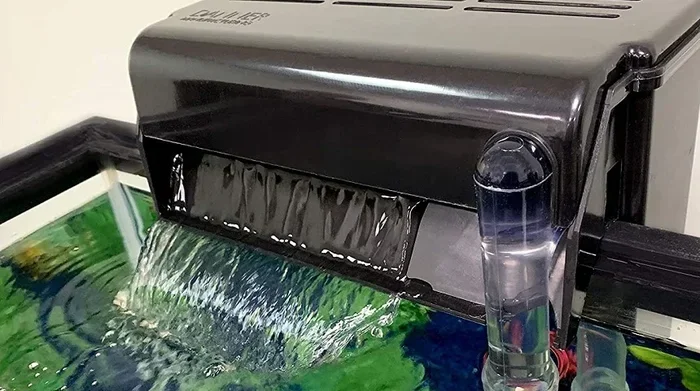
Do betta fish need a air filter for clean, safe water? The short answer is yes, but the type of filtration matters just as much as having one. A good filter keeps ammonia low, removes debris, and supports beneficial bacteria that break down waste. You do not need a powerful machine that creates strong currents, since bettas prefer calm water. Choosing the right setup will help your fish thrive while making tank maintenance easier for you.
Key Takeaways
- Filtration matters: Do betta fish need a air filter? Yes, because filters remove waste and keep water clean.
- Gentle flow is best: Bettas prefer calm water, so pick a filter with adjustable or low current.
- Beneficial bacteria: Filters host good bacteria that break down harmful ammonia and nitrites.
- Air filters vs. power filters: Air-driven filters create mild circulation, while power filters move more water.
- Tank size affects choice: Smaller tanks need compact filters, while larger tanks benefit from stronger filtration.
- Regular maintenance: Clean filter media in old tank water to protect good bacteria.
- Signs of trouble: Cloudy water, algae blooms, or stressed fish often mean your filtration needs attention.
📑 Table of Contents
- Do Betta Fish Need a Air Filter for Clean Water?
- Why Filtration Matters for Betta Fish
- Do Betta Fish Need a Air Filter or a Different Type?
- Can You Keep a Betta Tank Clean Without a Filter?
- Choosing the Right Filter for Your Betta Tank
- Common Signs Your Betta Needs Better Filtration
- Quick Tips for Healthy Betta Filtration
- Common Mistakes to Avoid
- Expert Insights on Betta Filtration
- Final Thoughts on Do Betta Fish Need a Air Filter
Do Betta Fish Need a Air Filter for Clean Water?
Many new fish keepers ask the same question: do betta fish need a air filter to stay healthy? The idea of adding equipment can feel confusing at first. You want your fish to live well, but you also do not want to make the tank too busy or too strong for a delicate swimmer. The good news is that filtration is one of the simplest ways to protect water quality. A proper filter helps remove waste, supports helpful bacteria, and keeps the tank looking clear. That said, not every filter works well for bettas. The flow rate, size, and type all matter. In this guide, we will walk through what filtration really does, which options fit betta tanks, and how to choose a setup that keeps water clean without stressing your fish.
Why Filtration Matters for Betta Fish
Bettas produce waste like every other fish. Their food breaks down into ammonia, which is toxic in small amounts. Without filtration, that waste builds up quickly and can harm your fish. A filter helps by moving water through media that traps debris and gives beneficial bacteria a place to live. These bacteria convert dangerous compounds into less harmful substances. This process is often called the nitrogen cycle, and it is the foundation of a healthy tank.
Some people believe bettas can live in small bowls without any equipment. While a betta may survive for a short time in those conditions, long-term health is much harder without filtration. Stagnant water allows toxins to rise and oxygen exchange to stay low. A gentle filter solves both problems. It keeps water moving just enough to support gas exchange at the surface while also clearing out solid waste. If you want to understand more about whether bettas need heated water alongside filtration, you can read this helpful guide on do betta fish bowls need a heater.
How Filters Support Water Quality
A filter does three main jobs. First, it physically traps particles like leftover food and plant debris. Second, it provides surface area for beneficial bacteria. Third, it encourages mild water movement that helps distribute temperature and oxygen. These tasks work together to create a stable environment. Stable water means less stress for your fish and fewer sudden health issues.
The Role of Beneficial Bacteria
Beneficial bacteria are tiny living helpers that settle on filter media, gravel, and other surfaces. They turn ammonia into nitrite and then into nitrate. Nitrate is still something you need to manage, but it is far less dangerous than ammonia. When you clean a filter, you should never use tap water directly on the media. Chlorine can kill these helpful bacteria. Instead, rinse the media in water removed from the tank during a water change. This simple habit protects your cycle and keeps the tank balanced.
Do Betta Fish Need a Air Filter or a Different Type?
The phrase do betta fish need a air filter often comes up because people see air-driven sponge filters or air stones and wonder if those are the best choice. The answer depends on your tank size, your budget, and how much flow your fish tolerates. Air-driven filters use bubbles to push water through a sponge or cartridge. They usually create very gentle circulation, which many bettas enjoy. Power filters, also called hang-on-back filters, move more water and often provide stronger mechanical filtration. Both can work well when matched correctly to the tank.
If you are curious about how air circulation affects bettas, you may also want to explore do betta fish like air pump circulation. Understanding water movement helps you avoid currents that are too strong. Bettas are not built for racing through fast water. They prefer calm conditions where they can rest near the surface and swim comfortably. That is why the best filter for a betta is one that cleans the water without turning the tank into a small river.
Air-Driven Filters and Their Benefits
Sponge filters are a popular choice for betta tanks. They are inexpensive, simple, and gentle. The sponge catches debris and houses bacteria at the same time. Air pumps push air through the sponge, which creates upward water flow. This movement is usually mild enough for bettas, especially if the pump strength is moderate. Sponge filters also leave plenty of open space in the tank, since there is no large hang-on-back unit. For breeding tanks or quieter setups, this style can be a great fit.
Power Filters and Hang-On-Back Options
Hang-on-back filters are common in community tanks and larger betta setups. They pull water up through a tube, pass it through media, and return it to the tank. These filters often offer more filtration capacity and easier media access. The downside is that the outflow can be too strong for some bettas. You can reduce the current by adjusting the flow setting, baffle the output with a small sponge, or position decorations to break the stream. When set up thoughtfully, a power filter can keep water very clean without bothering your fish.
Can You Keep a Betta Tank Clean Without a Filter?
This is a common follow-up question after asking do betta fish need a air filter. Technically, you can keep a betta in an unfiltered tank if you are willing to do frequent water changes and monitor water closely. Some keepers maintain small, lightly stocked setups this way. However, the work is higher, and the margin for error is smaller. Without a filter, waste accumulates faster, and oxygen exchange may be limited. Even a small filter reduces daily maintenance and adds stability.
If you are considering a filter-free setup, it helps to understand the trade-offs. You will need to change water more often, remove uneaten food quickly, and watch for signs of poor water quality. You should also be careful with feeding, since extra food becomes waste fast. For most keepers, a gentle filter is the easier and safer path. If you want to compare filtered and unfiltered approaches, this article on can you keep betta fish without a filter explains the practical differences well.
When Frequent Water Changes Can Help
Small bowls or tanks without filtration can stay acceptable for short periods if you perform regular partial water changes. Removing a portion of the water and replacing it with treated, temperature-matched water helps dilute toxins. This method can work for a single betta in a very small setup, but it demands consistency. Missed changes can lead to rapid water quality decline. A filter adds a buffer that makes the tank more forgiving.
Why Stability Beats Perfect Clarity
Clear water looks nice, but stability matters more. A filtered tank usually holds steadier water parameters because the biological filtration is always working. That steady environment supports the fish’s immune system and reduces stress. Stress can show up as faded color, hiding, or loss of appetite. A good filter helps prevent those problems by keeping the water balanced day after day.
Choosing the Right Filter for Your Betta Tank
When you shop for filtration, think about tank size, flow control, and maintenance. A filter that is too weak will not clean the water well. A filter that is too strong will create stressful currents. The sweet spot is a system that turns over the tank volume several times per hour without blasting the fish. For bettas, gentleness is a priority. You can often find filters with adjustable flow, sponge options, or internal designs that suit small aquariums.
You may also wonder whether an air filter is the same as an air pump. They are related but not identical. An air pump sends bubbles into the tank, while a filter moves and cleans water. Some filters use air to operate, and some tanks use both. If you are trying to decide whether your betta would benefit from extra air movement, check out can betta fish need an air pump for more context. The main idea is to match equipment to your tank’s needs rather than adding everything at once.
Matching Filter Flow to Betta Behavior
Watch how your betta swims. If the fish struggles against the current, the flow is too high. If the water looks stagnant and debris settles everywhere, the flow may be too low. Adjust the output or change the filter type until the fish looks relaxed. A happy betta will explore, rest at the surface, and eat eagerly. Behavior is one of the best signs that your setup is working.
Media Choices and Maintenance
Filter media usually includes mechanical, chemical, and biological layers. Mechanical media catches particles. Chemical media can help with odor or discoloration. Biological media supports bacteria. For betta tanks, mechanical and biological filtration are the most important. Replace or rinse media as needed, but avoid swapping everything out at once. Keeping some established media helps preserve your beneficial bacteria. Regular maintenance keeps the filter effective and the water fresh.
Common Signs Your Betta Needs Better Filtration
Water quality problems often show up before fish keepers realize the filter is not doing enough. Cloudy water, algae growth, foul smell, or a film on the surface can all point to filtration issues. Your fish may also give clues. If your betta spends too much time gasping near the surface or hides constantly, check the water parameters. Poor filtration can lead to higher ammonia or nitrite levels, which are dangerous. Testing the water is the fastest way to know what is happening.
If you suspect your current setup is not enough, start by checking the filter flow and media condition. A clogged sponge or cartridge can stop water movement. A dirty filter may also smell bad and lose efficiency. Cleaning or replacing the right parts often solves the problem quickly. For more on whether bettas must breathe atmospheric air and how surface access matters, see do betta fish have to come up for air. Surface breathing is normal for bettas, but constant gasping can signal a water quality issue.
Testing Water Parameters
A simple test kit tells you a lot. Ammonia and nitrite should stay at zero in a cycled tank. Nitrate will rise over time and should be managed with water changes. If ammonia appears, the filter may be too small, clogged, or newly established. If the tank is brand new, the cycle may still be developing. Patience and careful maintenance help the tank mature. Testing gives you real information instead of guesses.
Adjusting Your Setup
Small changes can make a big difference. Lower the flow, add a baffle, clean the media, or upgrade to a filter better suited to the tank size. You can also add live plants, which help absorb some nutrients and improve the tank’s look. Plants are not a replacement for filtration, but they can support a healthier environment. The goal is a balanced system where the fish feels safe and the water stays clean.
Quick Tips for Healthy Betta Filtration
- Pick a filter with adjustable flow or a gentle sponge design.
- Rinse filter media in old tank water, not tap water.
- Clean the filter regularly so it does not clog.
- Feed small amounts to reduce waste buildup.
- Test water often, especially in new tanks.
- Use a baffle if the outflow feels too strong.
- Keep the surface accessible so your betta can breathe comfortably.
Common Mistakes to Avoid
One common mistake is choosing a filter based only on price or appearance. A cheap filter that moves water too aggressively can stress a betta. Another mistake is overcleaning the filter and washing away beneficial bacteria. People also forget to maintain the filter until water quality drops. A third mistake is assuming a small bowl does not need any filtration at all. Even in a compact tank, waste builds up and water quality matters. Avoiding these errors makes fish keeping much easier.
Another issue is adding too many decorations that block water movement. Some flow is helpful, but blocked areas can create dead spots where debris collects. Keep the layout simple enough for water to circulate. At the same time, avoid open spaces with direct, strong currents. Balance is the key to a comfortable betta home.
Expert Insights on Betta Filtration
Experienced keepers usually recommend starting with gentle filtration and adjusting from there. The best setup is one you can maintain consistently. A filter that fits your routine will get used properly, and that matters more than having the most powerful unit. Many hobbyists also value sponge filters for their simplicity and biological filtration. Others prefer hang-on-back filters for convenience and media options. Both can work when matched to the tank and the fish.
It also helps to remember that bettas are individuals. Some tolerate slightly more current than others. Some prefer very still water. Watch your fish and let its behavior guide your choices. If the fish looks relaxed and healthy, your filtration is likely appropriate. If the fish seems stressed, make small changes and observe the result. Careful observation is one of the most useful tools in fish keeping.
Final Thoughts on Do Betta Fish Need a Air Filter
So, do betta fish need a air filter to live well? They need filtration that keeps water clean, supports beneficial bacteria, and avoids harsh currents. An air-driven sponge filter can be an excellent choice for many betta tanks. A power filter can also work if the flow is controlled. The most important thing is not the label on the equipment, but how well it suits your tank and your fish. With the right filter and regular care, you can enjoy a clear, stable tank and a healthy, active betta.
Frequently Asked Questions
Do betta fish need a air filter in a small tank?
Yes, even small tanks benefit from filtration because waste builds up quickly. A gentle filter helps keep water clean and stable without creating strong currents.
Can a sponge filter work well for betta fish?
A sponge filter is often a great choice because it provides mild flow and good biological filtration. It is simple, affordable, and usually comfortable for bettas.
Do betta fish prefer still water or moving water?
Bettas generally prefer calm water with only gentle movement. Strong currents can stress them, so a low-flow filter is usually the best option.
How often should I clean a betta filter?
Clean the filter when water flow slows or debris builds up, but avoid overcleaning. Rinse media in old tank water so you do not remove beneficial bacteria.
Is an air pump the same as a filter?
No, an air pump adds bubbles and circulation, while a filter cleans and moves water. Some filters use air to operate, but they serve different purposes.
What happens if the filter flow is too strong?
If the flow is too strong, your betta may struggle to swim comfortably and may hide more often. You can reduce the current with adjustments, baffles, or a different filter style.