How to Treat Betta Fish with Kanaplex
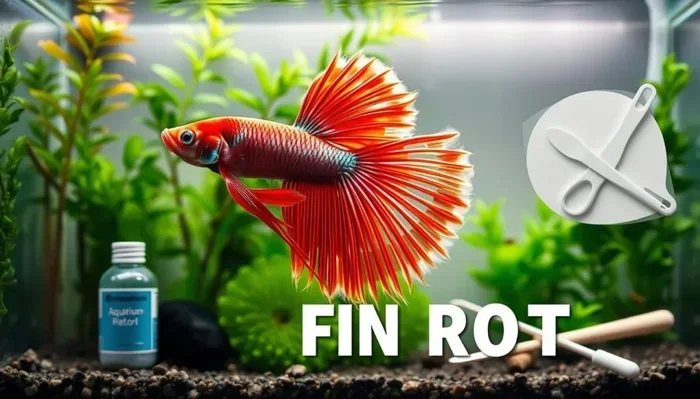
Kanaplex is a powerful antibiotic that treats common betta fish bacterial infections like fin rot, body fungus, and ich. This guide walks you through proper kanaplex dosage, treatment steps, and safety tips to help your betta recover quickly. You will learn exactly how to use kanaplex in a quarantine tank and what to expect during the treatment process.
Betta fish are beautiful, vibrant creatures that bring life to any aquarium. But when your betta gets sick, it can be really scary. One of the most common problems betta owners face is bacterial infections. These infections can cause fin rot, body slime, and other serious health issues fast. Kanaplex is one of the most trusted medications for treating these problems. It is a fish-specific antibiotic that targets gram-negative bacteria effectively. In this guide, we will walk you through everything you need to know about how to treat betta fish with kanaplex. You will learn the correct dosage, step-by-step treatment process, and tips to make sure your fish recovers fully.
Whether your betta has a mild infection or a more serious condition, kanaplex can be a game-changer. But it is important to use it correctly. Using too much or too little can either harm your fish or fail to clear the infection. This guide breaks it all down in simple, easy-to-follow steps. By the end, you will feel confident treating your betta at home. Let us dive in and help your fish feel better.
Key Takeaways
- Kanaplex targets bacterial infections: It is effective against common betta diseases caused by gram-negative bacteria.
- Correct dosage matters: Always follow the recommended kanaplex dosage to avoid harming your fish or beneficial bacteria.
- Use a quarantine tank: Treating your betta in a separate tank protects your main aquarium and makes monitoring easier.
- Treatment duration is typically 7 days: Completing the full course ensures the infection is fully eliminated.
- Watch for side effects: Some bettas may show mild stress during treatment, but serious side effects are rare when dosed correctly.
- Combine with good water quality: Clean water and stable parameters speed up recovery and prevent reinfection.
- Consult a vet for severe cases: If your betta does not improve, seek professional help from a fish veterinarian.
📑 Table of Contents
- What Is Kanaplex and How Does It Work?
- How to Prepare for Kanaplex Treatment
- Kanaplex Dosage and Treatment Schedule
- What to Expect During Treatment
- Common Mistakes to Avoid When Using Kanaplex
- When to Seek Veterinary Help
- Preventing Future Infections
- Kanaplex vs. Other Betta Medications
- Final Thoughts
What Is Kanaplex and How Does It Work?
Kanaplex is a brand-name antibiotic that contains kanamycin sulfate as its active ingredient. It is specifically formulated for use in aquarium fish. The medication works by stopping bacteria from building new cell walls. Without strong cell walls, the bacteria cannot survive or multiply. This makes it very effective against a range of common fish diseases.
What Kanaplex Treats
Kanaplex is most effective against gram-negative bacteria. Here are the infections it commonly treats in betta fish:
- Fin rot: A condition where the fins start to fray, decay, or develop white edges.
- Body fungus: A cotton-like growth on the skin and scales of the fish.
- Bacterial gill disease: Infection of the gills that causes labored breathing.
- General bacterial infections: Redness, swelling, open sores, and lethargy caused by bacteria.
- Secondary infections from parasites: When parasites damage the skin, bacteria can move in and cause further illness.
It is important to note that kanaplex does not treat viral or fungal infections on its own. For treating ich on a betta fish, you may need a different medication or a combination approach. Always identify the disease correctly before starting treatment. If you are unsure, observing your betta for stress signs can help you narrow down the problem.
How to Prepare for Kanaplex Treatment
Before you dose your tank, proper preparation makes a big difference. Rushing into treatment without preparation can reduce the effectiveness of the medication. Here is what you need to do first.
Step 1: Set Up a Quarantine Tank
You should always treat your betta in a separate quarantine tank. Here is why:
- It prevents the medication from affecting beneficial bacteria in your main tank.
- It allows you to monitor your betta closely during treatment.
- It keeps other fish safe from the medication, which can be harmful to invertebrates and sensitive species.
- It makes water changes easier during the treatment process.
A simple 5-gallon tank with a heater and a sponge filter works perfectly. Make sure the water parameters match your main tank as closely as possible. This reduces stress on your betta during the transition.
Step 2: Gather Your Supplies
Before starting treatment, have everything ready. You will need:
- A bottle of kanaplex
- A measuring syringe or dropper for accurate dosing
- A thermometer to monitor water temperature
- Clean water for water changes
- A water conditioner like a tap water conditioner to remove chlorine
- A notebook to track symptoms and progress
Step 3: Test Your Water Parameters
Dirty water can make treatment less effective. Test your water before you begin. Check ammonia, nitrite, nitrate, and pH levels. If ammonia or nitrite are high, do a water change first. Clean water gives kanaplex the best environment to work in. It also reduces the stress on your already sick betta.
Kanaplex Dosage and Treatment Schedule
Getting the dosage right is the most important part of using kanaplex. Too little will not clear the infection. Too much can harm your fish. Always follow the manufacturer’s instructions on the label.
Recommended Dosage
The standard kanaplex dosage is 1 gram of powder per 10 gallons of water. Here is how to calculate it:
- Measure the volume of your quarantine tank.
- Use the ratio of 1 gram per 10 gallons.
- Dissolve the powder in a small cup of tank water first.
- Add the dissolved mixture evenly into the tank.
For smaller tanks under 10 gallons, you can scale down proportionally. For example, a 5-gallon tank would need half a gram of kanaplex.
Treatment Schedule
Kanaplex is typically dosed once every 24 hours for 7 days. Here is the standard treatment schedule:
- Day 1: Dose kanaplex and remove activated carbon from your filter.
- Days 2-6: Dose once daily. No water changes needed during this period.
- Day 7: Dose the final time.
- Day 8: Do a 25-50% water change. Replace filter media if needed.
Activated carbon will absorb the medication, making it useless. Remove any carbon in your filter before starting treatment. If your quarantine tank does not have carbon, you are already good to go.
What to Expect During Treatment
Every betta responds to treatment differently. Some fish show improvement within 2-3 days, while others take longer. Here is what you might observe during the kanaplex treatment process.
Early Signs (Days 1-3)
In the first few days, your betta may seem slightly more lethargic. This is normal. The medication is working, and your fish is fighting the infection. You might also notice the infection area looks slightly worse before it gets better. This is called a “die-off” reaction, where dying bacteria release toxins. Do not panic if this happens.
Mid-Treatment (Days 3-5)
By days 3 to 5, you should start seeing positive changes. Fin edges may look less ragged. Redness around sores may fade slightly. Your betta may become more active and start eating again. These are all good signs that the medication is working.
Final Days (Days 6-7)
By the last days of treatment, most visible symptoms should be significantly reduced. The fins may start regrowing, and the body should look healthier. After completing the full 7-day course, do a water change and resume normal tank maintenance.
For more information on helping your betta recover fully, check out our guide on how to regrow betta fish fins. Healthy fin regrowth is a great sign that treatment was successful.
Common Mistakes to Avoid When Using Kanaplex
Even experienced fish keepers make mistakes when using medications. Here are the most common errors and how to avoid them.
Mistake 1: Skipping Doses
Missing a dose can allow bacteria to become resistant to the medication. Set a daily alarm on your phone to remind you. Consistency is key to successful treatment. Skipping even one day can undo progress you have made.
Mistake 2: Using Kanaplex in a Tank with Carbon
Activated carbon filters will absorb kanaplex and remove it from the water. This makes the treatment ineffective. Always remove carbon media before starting treatment. If you are unsure whether your filter has carbon, check the product specifications.
Mistake 3: Stopping Treatment Too Early
It can be tempting to stop treatment once you see improvement. But stopping early can cause the infection to come back, often stronger than before. Always complete the full 7-day course. This ensures all bacteria are eliminated, not just the weakened ones.
Mistake 4: Treating in the Main Display Tank
Treating in your main tank can harm beneficial bacteria colonies and other tank mates. Always use a quarantine tank for medication. This protects your entire aquarium ecosystem. If you are wondering about keeping bettas with other fish, remember that treating diseases in a community tank is much riskier.
Mistake 5: Not Monitoring Water Quality
Sick fish are more sensitive to poor water conditions. Ammonia spikes during treatment can be fatal. Test your water daily and do small water changes if needed. Clean water supports the healing process and keeps your betta comfortable.
When to Seek Veterinary Help
Kanaplex works well for most common bacterial infections. However, there are times when professional help is necessary. If your betta does not show any improvement after 5-7 days of treatment, consult a fish veterinarian. Severe infections that have spread to internal organs may require stronger or different medications. Also, if your betta stops eating entirely or starts gasping at the surface, these are emergency signs. A vet can provide a proper diagnosis and a tailored treatment plan.
Remember that treating a stressed betta fish goes hand in hand with medication. Reducing stress through clean water, stable temperatures, and a quiet environment supports the healing process. If you want to learn more about reducing stress, our ich treatment guide also covers stress management strategies that apply to many fish diseases.
Preventing Future Infections
Once your betta has recovered, you want to prevent infections from coming back. Prevention is always easier than treatment. Here are some simple steps to keep your betta healthy long-term:
- Maintain clean water: Do regular water changes of 20-30% every week.
- Test water parameters: Keep ammonia and nitrite at zero. Nitrate should be below 20 ppm.
- Feed a balanced diet: High-quality pellets and occasional treats like bloodworms boost immunity.
- Avoid overcrowding: A single betta needs at least 5 gallons of space. Overcrowding increases stress and disease risk.
- Quarantine new fish: Always isolate new fish for 2-4 weeks before adding them to your main tank.
- Keep the tank stress-free: Avoid sudden temperature changes and loud noises near the tank.
Following these simple practices greatly reduces the chance of your betta getting sick again. A healthy environment is the best medicine. For more tips on keeping your betta in top shape, read our article on how to properly take care of betta fish.
Kanaplex vs. Other Betta Medications
There are many medications on the market for treating betta fish diseases. Here is a quick comparison of kanaplex with other common treatments:
| Medication | Best For | Type | Treatment Length |
|---|---|---|---|
| Kanaplex | Bacterial infections, fin rot | Antibiotic | 7 days |
| Tetracycline | Broad-spectrum bacterial infections | Antibiotic | 7-10 days |
| Metronidazole | Parasitic infections, hole-in-the-head | Antiparasitic | 7-10 days |
| Salt baths | Mild fungal infections, stress relief | Natural remedy | Varies |
Kanaplex stands out for its targeted action against gram-negative bacteria. It is one of the most widely recommended medications by experienced betta keepers. If you want to learn more about using tetracycline as an alternative, check out our guide on how to use tetracycline for betta fish.
Final Thoughts
Treating your betta fish with kanaplex can be a straightforward and effective process when you follow the right steps. From setting up a quarantine tank to completing the full 7-day treatment course, every step matters. The key is patience, consistency, and clean water. Kanaplex is a powerful tool in your betta care toolkit, but it works best when combined with good husbandry practices and a watchful eye. Always monitor your fish closely during treatment and do not hesitate to seek professional help if things do not improve. Your betta depends on you to make the right decisions. With the knowledge you have gained from this guide, you are well-equipped to handle bacterial infections and give your fish the best chance at a full recovery.
Frequently Asked Questions
Can I use kanaplex with other medications?
It is generally not recommended to combine kanaplex with other medications unless directed by a veterinarian. Mixing medications can cause chemical reactions that harm your fish. If you need to treat multiple conditions at once, consult a professional for a safe combination plan.
How long does it take for kanaplex to work on betta fish?
Most bettas start showing improvement within 2 to 3 days of starting kanaplex treatment. However, you should always complete the full 7-day course to ensure the infection is fully cleared. Visible signs like fin regrowth may take 1-2 weeks after treatment ends.
Is kanaplex safe for all betta fish?
Kanaplex is generally safe for betta fish when dosed correctly. However, fish with severe organ damage or very young fry may be more sensitive to medications. Always observe your betta closely after dosing and adjust if you notice unusual behavior or stress signs.
Can I treat my betta in the main tank with kanaplex?
It is best to treat your betta in a separate quarantine tank. Kanaplex can harm beneficial bacteria in your main tank and may affect sensitive tank mates or invertebrates. A quarantine setup gives you better control over the treatment environment and makes monitoring much easier.
What should I do if my betta refuses to eat during kanaplex treatment?
Some loss of appetite during treatment is normal. Try offering small amounts of highly appealing food like live or frozen bloodworms. If your betta completely refuses food for more than 3 days, consider doing a small water change and reducing the dose slightly. Consult a vet if the refusal continues beyond 5 days.
Where can I buy kanaplex for betta fish treatment?
Kanaplex is available at most local fish stores and online retailers. You can also find it on aquarium specialty websites. Always purchase from reputable sellers to ensure you get a genuine, unexpired product. Check for freshness dates before buying.