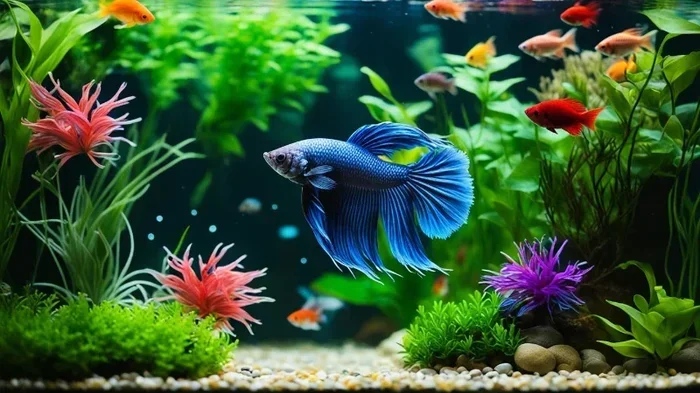
How to Use Tap Water Conditioner for Betta Fish

Tap water conditioner is essential for turning ordinary tap water into a safe home for your betta. Follow our simple guide to measure, mix, and test the water, and you’ll keep your finned friend healthy and vibrant every day.
Key Takeaways
- Why condition? Tap water contains chlorine, chloramine, and heavy metals that can harm bettas.
- Choose the right product – look for conditioners that neutralize both chlorine and chloramine.
- Correct dosage matters – follow the label and adjust for tank size and water temperature.
- Test before adding – use a simple test kit to confirm chlorine is gone.
- Routine matters – condition every water change, not just the first fill.
- Combine with good practices – regular water changes and proper filtration keep the water pristine.
- Safety first – never over‑dose; excess chemicals can stress your betta.
📑 Table of Contents
- Introduction: Why Tap Water Needs a Little Help
- 1. Understanding What’s Inside Your Tap Water
- 2. Choosing the Right Tap Water Conditioner for Betta Fish
- 3. How to Properly Dose Tap Water Conditioner
- 4. Testing Water After Conditioning
- 5. Integrating Conditioning into Your Regular Maintenance Routine
- 6. Common Mistakes and How to Avoid Them
- Conclusion: A Simple Step for a Happy Betta
Introduction: Why Tap Water Needs a Little Help
If you’ve ever filled a betta bowl with water straight from the faucet, you might have wondered why some experts warn against it. The answer is simple: most municipal water is treated with chlorine or chloramine to keep it safe for humans. While those chemicals are harmless to us, they are toxic to fish, especially delicate bettas.
Tap water conditioner for betta fish is a liquid or powder that neutralizes these harmful substances instantly. Think of it as a translator that turns “human‑safe” water into “fish‑safe” water. In this guide we’ll walk you through everything you need to know—from picking the right conditioner to dosing, testing, and keeping your water crystal clear.
1. Understanding What’s Inside Your Tap Water
Chlorine vs. Chloramine
Most cities use chlorine because it evaporates quickly. Some have switched to chloramine, a more stable combination of chlorine and ammonia that doesn’t evaporate. Both kill bacteria, but both are lethal to bettas at even low concentrations.

Visual guide about How to Use Tap Water Conditioner for Betta Fish
Image source: i-blog.csdnimg.cn
Other Hidden Culprits
- Heavy metals such as copper and lead can leach from old pipes.
- pH fluctuations caused by mineral content can stress a betta’s delicate gills.
- Hardness (GH/KH) affects how well your betta can regulate its internal salts.
Conditioners are formulated to address chlorine, chloramine, and often heavy metals in one easy step.
2. Choosing the Right Tap Water Conditioner for Betta Fish
What to Look For on the Label
When you shop, check for these key claims:

Visual guide about How to Use Tap Water Conditioner for Betta Fish
Image source: cdn.mainichi.jp
- Neutralizes both chlorine and chloramine.
- Removes heavy metals (copper, lead).
- Safe for all freshwater fish – no “salt” additives.
- Fast‑acting (works within minutes).
Popular Brands and Their Features
Brands like API, Seachem, and Tetra all make conditioners that meet the above criteria. Some offer added “bio‑boost” to protect beneficial bacteria, which is handy if you’re cycling a new tank.
When a Conditioner Isn’t Enough
If your water source contains high levels of nitrate or phosphate, a conditioner won’t fix that. You’ll need additional filtration or water changes. For those cases, see our article on how to condition tap water for betta fish for advanced steps.
3. How to Properly Dose Tap Water Conditioner
Measure Your Tank Size Accurately
First, know the exact volume of water you’re treating. A 2.5‑gallon (≈9.5 L) tank needs a different dose than a 5‑gallon (≈19 L) bowl. Most bottles list the dosage per gallon or per 10 L.
Visual guide about How to Use Tap Water Conditioner for Betta Fish
Image source: e0.365dm.com
Step‑by‑Step Dosing Guide
- Gather supplies: conditioner, a clean cup or syringe, and a water test kit.
- Fill the tank: Add tap water to the desired level.
- Calculate the dose: Example – if the label says 5 ml per 10 L, a 9.5 L tank needs 4.75 ml.
- Measure and add: Pour the exact amount into the water. Stir gently with a clean spoon.
- Wait 5‑10 minutes: This allows the chemicals to neutralize.
- Test: Use a chlorine test strip to confirm zero residual chlorine.
Tips for Consistency
- Keep a small measuring spoon dedicated to your fish tank.
- Write the dosage on a sticky note and place it on the tank lid.
- Replace the conditioner bottle every 6‑12 months – potency fades.
4. Testing Water After Conditioning
Why Test Even After Adding Conditioner?
Even the best conditioners can miss a spot if the dosage is off or the water temperature is extreme. A quick test gives you peace of mind.
Simple Test Kit Options
- Chlorine test strips – dip, wait 30 seconds, compare color.
- Liquid test kits – more precise, good for tracking pH and hardness too.
Interpreting Results
If the strip shows any pink or green hue, add another half dose of conditioner, wait, and retest. Never exceed the manufacturer’s maximum recommended dose.
5. Integrating Conditioning into Your Regular Maintenance Routine
Water Changes: The Perfect Time to Condition
Every time you perform a water change, you’re adding fresh tap water. That’s the moment to dose conditioner. If you change 25 % of the water weekly, you’ll condition only the new portion.
How Often Should You Change Water?
Most betta owners change 20‑30 % of the water every week. For a more detailed schedule, read how often change water for betta fish. Consistency is key to preventing ammonia spikes.
Combining with Filtration and Aeration
A gentle filter keeps debris out, but it also removes some beneficial bacteria. Use a conditioner that also supports the bio‑filter, or add a “bio‑boost” dose once a month.
Special Situations
- New tanks: Condition the water before adding the betta, then again after the first 24 hours.
- Temperature changes: Very cold water can slow the neutralization reaction. Warm the water to 78‑80 °F before dosing for faster results.
- Travel or emergencies: Keep a small bottle of conditioner on hand for quick water fixes.
6. Common Mistakes and How to Avoid Them
Over‑Dosing
More isn’t better. Excess conditioner can cause a temporary pH shift and stress your betta. Stick to the label.
Skipping the Test
Assuming the conditioner worked without testing can lead to hidden chlorine exposure.
Using the Wrong Type of Water
Distilled or RO water lacks minerals, which can cause other health issues. For best results, use conditioned tap water or add a mineral supplement. See what water to use for betta fish for guidance.
Ignoring Temperature
Very cold tap water slows the reaction. Warm the water slightly before adding conditioner.
Conclusion: A Simple Step for a Happy Betta
Using tap water conditioner for betta fish is one of the easiest, most effective ways to protect your pet from hidden toxins. By measuring accurately, testing after each dose, and making conditioning a habit during water changes, you create a stable, healthy environment where your betta can show off its brilliant colors and playful personality.
Remember, good water is the foundation of good health. Pair your conditioner with regular water changes, proper filtration, and a balanced diet, and you’ll enjoy a thriving betta for years to come.
Frequently Asked Questions
Do I need a water conditioner every time I add tap water?
Yes. Every addition of tap water brings fresh chlorine or chloramine, so you should condition each batch before it meets your betta.
Can I use the same conditioner for a community tank?
Most conditioners are safe for all freshwater fish, but check the label for any species‑specific warnings. Betta‑only tanks often need less dosage because of smaller volumes.
How long does it take for the conditioner to work?
Most products neutralize chlorine and chloramine within 5‑10 minutes at room temperature. Warmer water speeds up the process.
What if my test shows a small amount of chlorine after dosing?
Add half the recommended dose again, wait a few minutes, and retest. If it persists, verify you measured correctly and that the conditioner isn’t expired.
Is it safe to over‑condition water to be extra cautious?
No. Over‑conditioning can alter pH and add unnecessary chemicals, which can stress your betta. Always follow the manufacturer’s instructions.
Can I use bottled water instead of tap water?
Bottled water often lacks essential minerals and may still contain chlorine. It’s better to use conditioned tap water or add a mineral supplement. See our guide on can u use tap water for betta fish for more details.