Is a Dual Length Paddle Better for Kayak Fishing
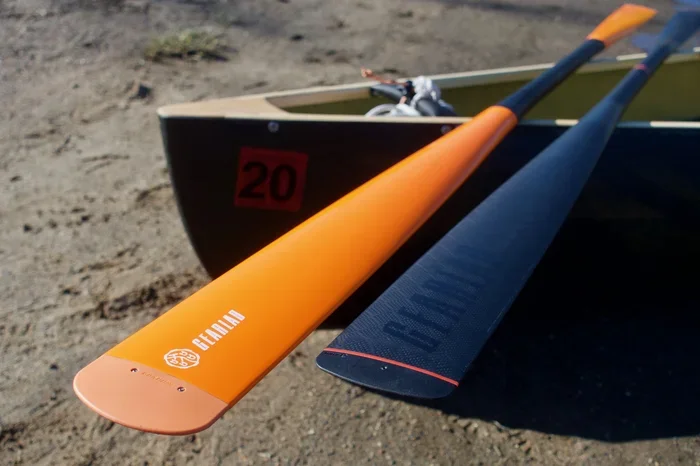
Is a dual length paddle better for kayak fishing? The answer depends on your fishing style, water conditions, and personal comfort. A dual length paddle lets you adjust the shaft length, giving you more control and reducing fatigue. Many anglers find that adjustable kayak fishing gear like this saves money and space. In this guide, we break down everything you need to know.
This is a comprehensive guide about is a dual length paddle better for kayak fishing.
Key Takeaways
- Adjustable Length: A dual length paddle lets you change the shaft length to match different fishing situations.
- Reduced Fatigue: Using the right paddle length reduces arm and shoulder strain during long fishing trips.
- Cost Effective: One dual length paddle replaces two fixed-length paddles, saving you money and storage space.
- Better for Variable Conditions: Whether you fish in shallow or deep water, a dual length paddle adapts to your needs.
- Improved Kayak Stability: The right paddle length helps you maintain balance and control while fishing from a kayak.
- Not Perfect for Everyone: Some anglers prefer fixed-length paddles for their stiffness and consistent feel.
[FEATURED_IMAGE_PLACEHOLDER]
What Is a Dual Length Paddle for Kayak Fishing?
A dual length paddle is a kayak paddle that lets you change the shaft length. You can make it shorter or longer depending on the situation. This is different from a regular paddle that stays one size forever.
The idea is simple. You fish from a kayak. But not every trip is the same. Sometimes you paddle in tight spots. Other times you cross open water. A kayak fishing paddle that adjusts gives you the best of both worlds.
Most dual length paddles use a twist or click system. You twist the shaft to lock in your preferred length. Some models use a lever mechanism. Either way, the goal is the same. Get the right length fast, without carrying extra gear.
If you fish from a kayak often, this type of paddle can be a game changer. It saves space in your kayak. It saves money too. Instead of buying two paddles, you get one that does both jobs.
But is it really better than a fixed paddle? That is what we will dig into next. Keep reading to find out.
Why Paddle Length Matters for Kayak Fishing
The Connection Between Paddle Length and Comfort
Your paddle length affects everything. It affects your speed. It affects your comfort. And it affects how tired you get. When you fish from a kayak, you spend hours on the water. A bad paddle can ruin your whole day.
Too short, and you hunch over. Your shoulders hurt. Your strokes feel weak. Too long, and you strain to reach the water. Your arms burn. You waste energy.
The right length keeps your strokes smooth and natural. You glide through the water with less effort. This matters a lot when you are fishing all day long.
How Water Conditions Change Your Needs
Different water conditions call for different paddle lengths. In shallow water, you might want a shorter paddle. In deep water, a longer one works better. Windy days need more power, so a longer paddle helps. Calm days let you use a shorter one for better control.
This is where a dual length paddle really shines. You adjust on the fly. No need to stop and swap paddles. Just twist, lock, and keep fishing.
If you are comparing options, you might also want to check out whether a canoe or kayak is better for fishing. That can help you decide if a kayak is even the right choice for your setup.
Pros and Cons of a Dual Length Paddle
The Benefits
Here are the main reasons anglers love dual length paddles:
- Versatility: You get two paddle lengths in one tool. Short for tight spaces, long for open water.
- Space Saving: One paddle takes up less room in your kayak than carrying two fixed-length paddles.
- Cost Savings: Buying one adjustable paddle costs less than buying two separate ones.
- Quick Adjustments: Change the length in seconds without any tools.
- Less Fatigue: The right length means less strain on your arms and shoulders during long fishing sessions.
The Drawbacks
But it is not all perfect. Here are some things to watch out for:
- Weight: Adjustable paddles are often heavier than fixed ones. The mechanism adds a few ounces.
- Durability Concerns: Moving parts can wear out over time. Salt water and dirt can cause issues.
- Feel: Some paddlers say adjustable paddles do not feel as stiff as fixed-length ones. This can affect your stroke efficiency.
- Price: Good quality dual length paddles can be pricey. You pay a premium for the adjustability feature.
Overall, the pros outweigh the cons for most kayak anglers. But your personal style matters a lot here.
Dual Length Paddle vs Fixed Length Paddle
Let us compare the two side by side. This table shows the key differences:
- Adjustability: Dual length paddles win. Fixed paddles do not change at all.
- Weight: Fixed paddles are usually lighter. They have fewer parts and simpler designs.
- Price: Fixed paddles cost less on average. A good one can be found for under $50.
- Durability: Fixed paddles last longer. No moving parts means nothing to break.
- Versatility: Dual length paddles are clearly better here. One paddle fits many situations.
- Performance: Fixed paddles often feel more responsive. The stiffer shaft transfers power better.
If you fish in different conditions often, a dual length paddle makes sense. If you always fish the same way in the same spot, a fixed paddle might be enough.
You might also want to read about whether shorter rods work better for kayak fishing. Rod length and paddle length both play a role in your overall fishing setup.
How to Choose the Right Dual Length Paddle
Consider Your Kayak Width
Wide kayaks need longer paddles. Narrow kayaks work well with shorter ones. Measure your kayak width first. Then match it to the right paddle length range.
A good rule of thumb is this. Sit in your kayak. Hold the paddle upside down. Put one blade on the floor. The shaft should reach your nose. If it is way off, you need a different size.
Think About Your Fishing Style
Do you cast far? You might want a shorter paddle for better control. Do you paddle long distances between fishing spots? A longer paddle gives you more power per stroke.
Also think about what you fish for. If you target bass in weedy areas, a shorter paddle helps you navigate tight spots. If you fish open lakes, go longer.
Look at Paddle Material
Dual length paddles come in different materials. Plastic blades are cheap but heavy. Fiberglass offers a good balance of weight and strength. Carbon fiber is light and strong but costs more.
Your choice depends on your budget and how often you fish. A casual weekend angler does fine with plastic. A serious kayaker will appreciate carbon fiber.
If you are new to kayak fishing, check out whether sit-on-top kayaks are better for fishing. The type of kayak you use also affects your paddle choice.
Check the Adjustment Mechanism
Not all dual length paddles are built the same. Some use a simple push-button lock. Others use a more complex lever system. Look for one that is easy to use and holds its position well.
You do not want your paddle slipping mid-stroke. That is frustrating and can throw off your balance. Test the mechanism before you buy if possible.
Tips for Using a Dual Length Paddle While Fishing
Here are some practical tips to get the most out of your dual length paddle:
- Adjust Before You Launch: Set your paddle length while you are still on land. It is much easier than adjusting while balancing in a kayak.
- Match Length to Conditions: Use a shorter paddle for tight coves and a longer one for open water. Think about wind, current, and distance.
- Keep It Clean: Rinse your paddle with fresh water after each trip. Salt and dirt can damage the adjustment mechanism.
- Practice Your Stroke: A new paddle length feels different. Take a few practice strokes before you start fishing to get comfortable.
- Pack a Backup: Even the best paddle can break. Bring a spare or know where you can rent one nearby.
These small habits make a big difference over time. Your paddle will last longer, and your fishing trips will be more enjoyable.
Common Mistakes Anglers Make With Paddle Length
Avoid these mistakes to get the best results from your dual length paddle:
- Guessing the Length: Do not just pick a random setting. Measure properly and test different lengths before your trip.
- Ignoring Your Body Type: Taller paddlers generally need longer paddles. Shorter paddlers do better with shorter lengths. Your height matters.
- Never Adjusting: Some anglers set the paddle once and never change it. This wastes the whole point of having a dual length paddle.
- Over-Tightening the Lock: You can strip the adjustment mechanism if you crank it too hard. Tighten just enough to hold firm.
- Forgetting About Blade Angle: Some dual length paddles also let you change the blade angle. This affects your stroke efficiency too.
Steer clear of these mistakes, and you will enjoy every fishing trip more.
Expert Insights on Dual Length Paddles
Many experienced kayak anglers swear by dual length paddles. They say the ability to adjust on the fly gives them a real edge. One angler shared that he uses a short setting for bass fishing in weeds and a long setting for open lake trolling.
Another expert pointed out that paddle length affects more than just comfort. It affects how stable your kayak feels. A properly sized paddle helps you maintain balance. This is especially important when you are fighting a fish or casting a line.
Most pros agree that a dual length paddle is a smart investment for anyone who fishes from a kayak regularly. The flexibility and convenience are hard to beat.
Final Thoughts: Is a Dual Length Paddle Better for Kayak Fishing?
The answer is yes, for most anglers. A dual length paddle offers flexibility, comfort, and value that fixed paddles simply cannot match. You get two lengths in one tool. You save space and money. And you fish with less fatigue.
That said, it is not perfect for every situation. If you fish the same way every time in the same spot, a fixed paddle might be simpler and cheaper. But if you like variety and adventure on the water, go with a dual length paddle.
Your kayak fishing experience will improve the moment you find the right length. And with a dual length paddle, you never have to guess again. Adjust, cast, and enjoy every minute on the water.
For more tips on fishing gear and techniques, check out our guides on fishing with or without a bobber and other helpful topics. Tight lines and happy fishing!
Frequently Asked Questions
What is the best length for a kayak fishing paddle?
The best length depends on your kayak width and your height. Most kayak fishing paddles range from 220 cm to 240 cm. A dual length paddle lets you adjust within this range. Try different lengths to find what feels most comfortable for your body and kayak setup.
Can I use a dual length paddle in saltwater fishing?
Yes, you can. Just make sure to rinse your paddle with fresh water after every saltwater trip. Salt can corrode the adjustment mechanism over time. A quick rinse keeps your paddle working smoothly for many seasons of fishing.
Are dual length paddles more expensive than fixed paddles?
They usually cost more. You are paying for the adjustable mechanism and extra features. However, one dual length paddle replaces two fixed paddles. So the overall value is often better, especially if you fish in different conditions regularly.
How often should I adjust my dual length paddle?
Adjust it whenever your fishing conditions change. Shorter paddles work well in tight or shallow areas. Longer paddles give you more power in open water or windy conditions. Making the adjustment before you launch saves time and frustration on the water.
Do dual length paddles affect kayak stability?
Yes, indirectly. The right paddle length helps you maintain proper posture and balance. A paddle that is too long or too short can throw off your stroke and make your kayak feel less stable. Using the correct length improves your overall control on the water.
What material is best for a dual length kayak fishing paddle?
Carbon fiber is the lightest and strongest option, but it costs more. Fiberglass is a great middle ground. Plastic blades are the most affordable and work well for casual anglers. Choose based on your budget and how often you plan to use the paddle.