Which Fish Is Better Sea or River
Choosing between sea and river fish can feel overwhelming, but it doesn’t have to be. This article breaks down flavor, health benefits, and care requirements so you can decide which fish is better sea or river for your kitchen and tank. Read on for practical tips and easy comparisons.
Key Takeaways
- Flavor profile: Sea fish often have a richer, briny taste, while river fish are milder and sweeter.
- Nutrition: Both provide protein, but sea fish generally contain more omega‑3 fatty acids.
- Environmental impact: Wild‑caught river fish may be more sustainable than over‑fished ocean species.
- Aquarium care: Freshwater (river) bettas are easier for beginners than saltwater (sea) marine setups.
- Cost: River fish are usually cheaper and more widely available in local markets.
- Cooking versatility: Sea fish shine in grilling, while river fish excel in steaming and poaching.
- Health considerations: People with certain allergies may tolerate river fish better than sea fish.
📑 Table of Contents
Introduction: Why the Debate Matters
When you stand in front of the seafood counter or scroll through an online pet store, a common question pops up: which fish is better sea or river? The answer isn’t a simple yes or no. It depends on what you value—taste, nutrition, price, or the ease of keeping a pet fish at home.
In this guide we’ll chat like old friends, comparing sea and river fish side by side. You’ll get clear, bite‑size facts that help you decide whether a salty ocean catch or a fresh river fillet fits your lifestyle best.
1. Flavor and Culinary Experience
Sea Fish: The Briny Goodness
Ocean‑dwelling fish grow in salty water, which gives their flesh a distinct, sometimes “fishy” flavor. Species like salmon, cod, and mackerel develop a rich umami taste that many cooks love for grilling, smoking, or searing. The natural oils in sea fish keep them moist, making them forgiving in high‑heat cooking.
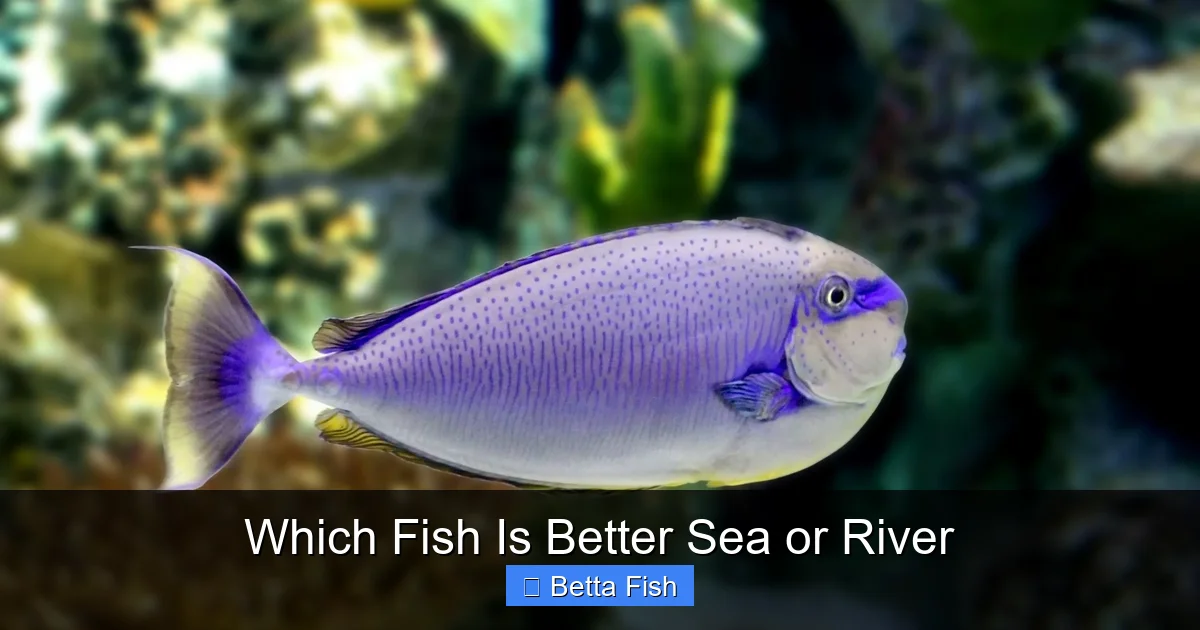
Visual guide about Which Fish Is Better Sea or River
Image source: publicdomainpictures.net
River Fish: Mild and Sweet
Freshwater fish such as trout, catfish, and tilapia live in softer water, resulting in a milder, slightly sweet flavor. Because they contain less oil, they absorb marinades quickly and work well in delicate preparations like steaming, poaching, or light sautéing.
Practical Tip
If you’re new to cooking fish, start with a mild river fish like tilapia. Season simply with lemon and herbs, then pan‑fry for 3‑4 minutes per side. For a more adventurous palate, try a sea fish like salmon brushed with a honey‑soy glaze and grilled.
2. Nutritional Differences
Omega‑3 Power in Sea Fish
Sea fish are famous for high levels of EPA and DHA, the two most beneficial omega‑3 fatty acids. A 3‑ounce serving of wild salmon can deliver over 1,500 mg of omega‑3s, supporting heart health, brain function, and inflammation reduction.
Visual guide about Which Fish Is Better Sea or River
Image source: publicdomainpictures.net
Protein and Minerals in River Fish
River fish still pack a protein punch—usually 20‑25 g per serving—and are rich in minerals like iron and potassium. Some freshwater species, like trout, also contain a respectable amount of omega‑3s, though typically less than their ocean cousins.
Health Consideration
People watching cholesterol may favor river fish because they often have lower total fat. However, if you need a boost of omega‑3, sea fish are the clear winner. For a balanced diet, mix both types throughout the week.
3. Environmental and Sustainability Factors
Ocean Overfishing
Many popular sea fish face pressure from overfishing. Species such as bluefin tuna are listed as critically endangered. Choosing responsibly sourced, MSC‑certified ocean fish can help protect marine ecosystems.
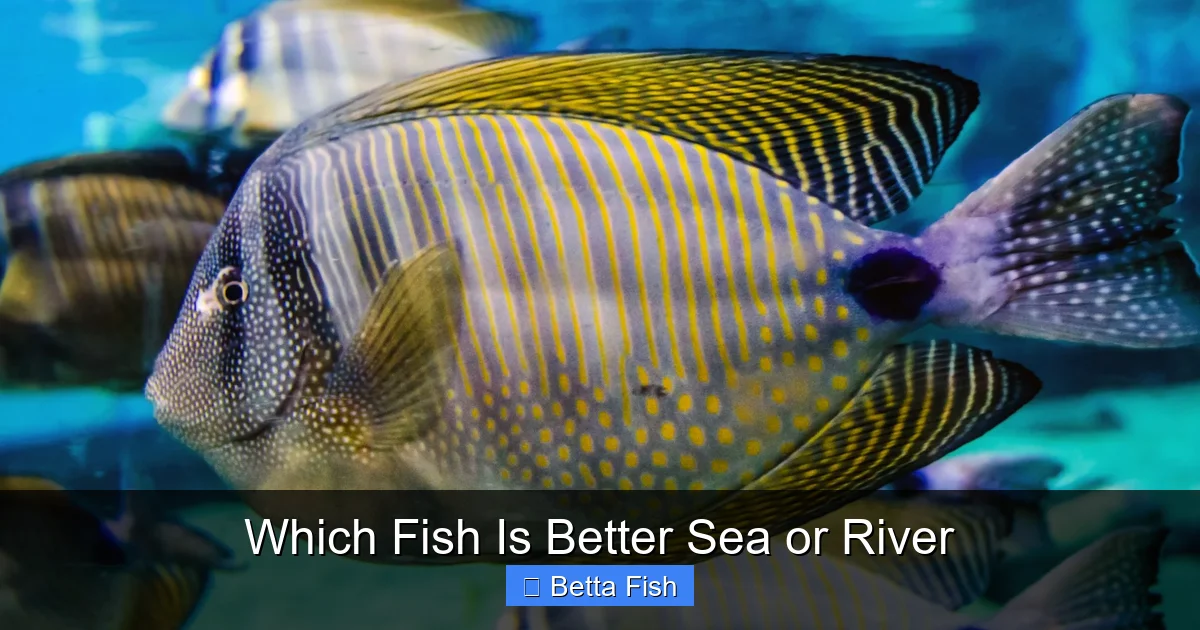
Visual guide about Which Fish Is Better Sea or River
Image source: publicdomainpictures.net
River Ecosystems
Freshwater habitats are also vulnerable—pollution, dam construction, and invasive species threaten native fish. Yet, many river fish are farm‑raised in controlled environments, reducing pressure on wild populations.
Making a Greener Choice
Look for labels like “wild‑caught, sustainably harvested” for sea fish, and “certified organic” for farmed river fish. Supporting local fisheries that practice responsible management is a win‑win for taste and the planet.
4. Keeping Fish as Pets: Freshwater vs. Saltwater
Freshwater (River) Betta Tanks
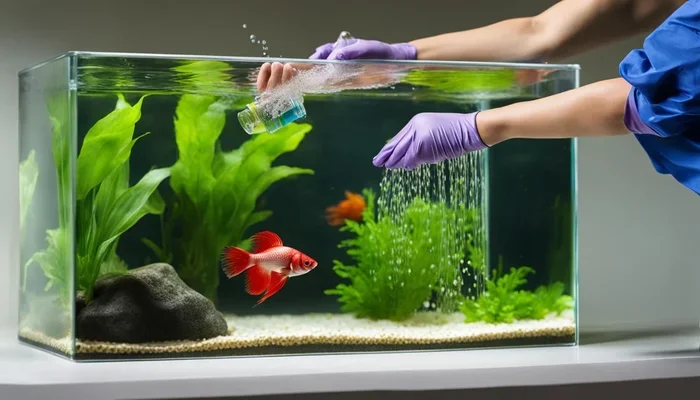
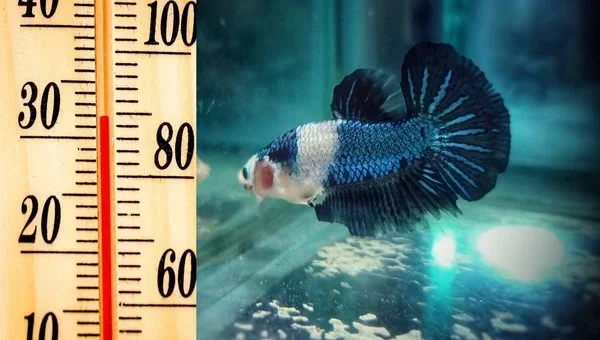
Betta fish, a staple of the freshwater hobby, thrive in simple tanks with warm, soft water. A 5‑gallon tank, a heater, and a few live plants are enough. They are hardy, forgiving of minor water fluctuations, and ideal for beginners.
Saltwater (Sea) Marine Setups
Marine tanks require a reef‑ready system: protein skimmer, powerheads, live rock, and precise salinity control (specific gravity 1.025). Species like clownfish or gobies are beautiful but demand more time, money, and knowledge.
Choosing the Right Aquarium
If you’re just starting, a freshwater betta is the easier, more affordable route. For hobbyists seeking vibrant colors and a challenge, a well‑maintained saltwater tank can be incredibly rewarding.
For a deeper dive into freshwater vs. saltwater considerations, see our guide on which is better freshwater or saltwater fish.
5. Cost, Availability, and Convenience
Price Points
Generally, river fish are less expensive than premium sea fish. A pound of catfish or tilapia can cost under $5, while wild‑caught salmon often exceeds $12 per pound.
Market Access
Supermarkets stock a wide variety of freshwater fish year‑round. Sea fish may be seasonal, especially high‑quality wild catches. Frozen sea fish offers a convenient alternative without sacrificing nutrition.
Budget Tips
Buy frozen sea fish in bulk during sales and portion it for later meals. Pair with fresh river fish for a varied weekly menu.
6. Which Is Better for You?
Assess Your Priorities
- Flavor lover? Sea fish’s bold taste may win.
- Health focus? Sea fish’s omega‑3s give it an edge.
- Budget‑conscious? River fish are usually cheaper.
- Pet hobbyist? Freshwater bettas are beginner‑friendly.
Final Verdict
There is no universal champion. The “better” fish depends on the context—culinary, nutritional, ecological, or hobby‑related. By mixing both sea and river options, you enjoy a diverse palate, balanced nutrition, and a more sustainable lifestyle.
Conclusion: Your Personal Choice Matters
Now that you’ve seen the flavor, health, environmental, and practical angles, you can answer the question, which fish is better sea or river, with confidence. Whether you grill a salty salmon steak, steam a delicate trout fillet, or set up a thriving freshwater betta tank, the best fish is the one that fits your taste, budget, and lifestyle.
Remember, the world of fish is vast—there’s always something new to try. Keep exploring, stay curious, and enjoy the wonderful flavors and colors that both sea and river fish bring to your table and tank.
Frequently Asked Questions
Is sea fish always healthier than river fish?
Sea fish usually contain more omega‑3 fatty acids, but river fish still provide high‑quality protein and essential minerals. A balanced diet includes both.
Do sea fish require more cooking time than river fish?
Because sea fish are often fattier, they stay moist with shorter high‑heat cooking. River fish, being leaner, may need gentle methods like steaming to avoid drying out.
Can I keep a sea fish as a pet in a home aquarium?
Yes, but saltwater tanks are more complex and costly than freshwater setups. They need precise salinity, filtration, and lighting.
Which fish is better for a beginner aquarist?
Freshwater bettas are ideal for beginners— they thrive in small, simple tanks and are forgiving of minor water changes.
Are there sustainability certifications for both sea and river fish?
Yes. Look for MSC (Marine Stewardship Council) for ocean fish and ASC (Aquaculture Stewardship Council) or local organic certifications for farmed river fish.
How can I tell if a sea fish is fresh?
Fresh sea fish should have clear eyes, firm flesh, and a mild salty smell. If it smells overly “fishy” or has dull eyes, it’s likely past its prime.