How to Tell If Your Betta Fish Is Old
Figuring out how old your betta fish is can be tricky, but there are clear signs to watch for. From fading colors and slower movement to changes in appetite and fin condition, your betta gives you plenty of clues. This guide covers every major aging sign and what you can do to support your older fish.
Watching your betta fish grow older is a journey. These beautiful creatures bring so much joy to a home aquarium, and understanding how they change over time helps you give them the best life possible. But how do you actually know if your betta fish is old? What should you look for?
Many fish owners miss the early signs of aging because they seem subtle at first. A slightly slower swimming pace, a tiny change in color, or a small shift in appetite can all mean your betta is entering its senior years. The good news is that once you know what to look for, you can make smart adjustments to keep your fish comfortable and healthy.
Learning how to tell if your betta fish is old is not just about curiosity. It is about giving your fish the care it deserves at every stage of life. Let us walk through all the signs and what they mean.
Key Takeaways
- Color changes are one of the first signs: As betta fish age, their vibrant colors often fade or become dull.
- Activity levels drop with age: An aging betta swims less and spends more time resting near the bottom or on plants.
- Fins may deteriorate over time: Older bettas often show torn, ragged, or shorter fins compared to their younger years.
- Appetite shifts signal aging: Senior bettas may eat less or become pickier with food.
- You can estimate age by size and appearance: Body shape, stripe patterns, and overall build help you gauge how old your betta is.
- Senior bettas need special care: Warmer water, softer food, and a stress-free tank make a big difference for aging fish.
- Knowing the signs early helps you act faster: Catching aging symptoms early lets you adjust care routines before problems worsen.
📑 Table of Contents
- Understanding the Betta Fish Lifespan
- Top Signs Your Betta Fish Is Getting Old
- How to Estimate Your Betta’s Age Accurately
- How to Care for an Aging Betta Fish
- Common Mistakes People Make With Old Betta Fish
- When to Seek Veterinary Help for an Aging Betta
- Making the Most of Your Senior Betta’s Golden Years
Understanding the Betta Fish Lifespan
Before you can spot the signs of aging, it helps to know how long betta fish typically live. On average, a betta fish lives between three and five years. Some well-cared-for bettas even reach six or seven years old. That is a long time to share your home with a little colorful companion.
The betta fish lifespan depends a lot on how you care for your fish. Water quality, diet, tank size, and stress levels all play a role. A betta that lives in clean, warm water with a good diet will likely age more gracefully than one kept in poor conditions.
Growth Stages of a Betta Fish
Betta fish go through several betta fish growth stages during their life. Understanding these stages helps you place your fish in the right age range.
- Baby (0-3 months): Very small, mostly transparent, and extremely active.
- Juvenile (3-6 months): Colors start to show, fins begin to grow, and personality emerges.
- Young Adult (6-12 months): Full color development, flowing fins, and peak energy levels.
- Adult (1-3 years): Fully mature, vibrant colors, and stable behavior patterns.
- Senior (3+ years): Gradual changes in appearance, movement, and appetite begin to appear.
If you are unsure about your fish’s current stage, you can check out our guide on how to tell how old a betta fish is for more detailed age estimation tips.
Top Signs Your Betta Fish Is Getting Old
So, how do you actually know your betta is aging? There are several clear signs that most betta fish owners will notice over time. Let us break them down one by one.
Fading or Changing Colors
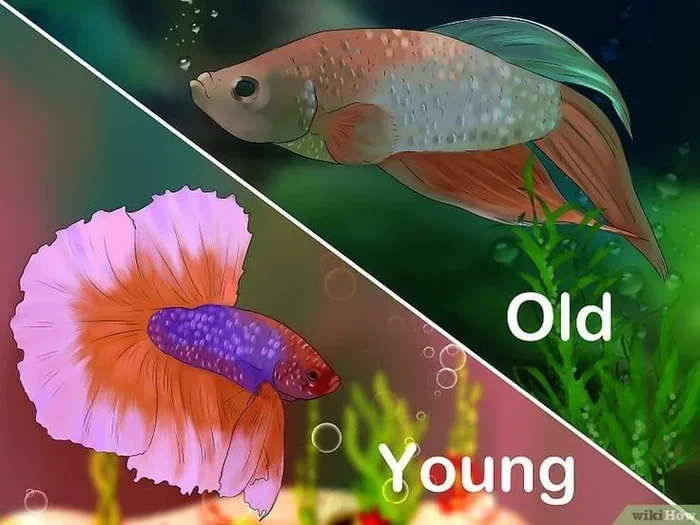
One of the most obvious signs of an aging betta is a change in color. Young bettas are often bright and vivid. Their reds glow, their blues shimmer, and their fins look almost translucent. As they get older, however, those colors can fade significantly.
Your betta might look washed out or pale. Some older bettas develop a pale white or grayish tint across their body. This is a natural part of the aging process and does not always mean something is wrong. However, if the color change happens suddenly, it could signal illness, so keep an eye on other symptoms too.
Slower Movement and Increased Resting
Young betta fish are energetic swimmers. They zip around the tank, explore every corner, and build bubble nests with enthusiasm. An older betta, on the other hand, tends to slow down. You might notice your fish spending more time resting on the bottom of the tank or lounging on plant leaves.
This decrease in betta fish activity level is a normal part of aging. Just like people become less active as they get older, bettas lose some of their zoom. That said, you want to make sure the reduced movement is not caused by illness or poor water conditions. If your fish seems lethargic and unresponsive, test your water parameters and look for other signs of sickness.
Changes in Appetite
An aging betta often eats less than it used to. You might notice your fish ignoring food or taking much longer to finish meals. Some senior bettas become picky eaters and refuse certain foods they once loved.
A slight decrease in appetite is usually fine. But if your betta stops eating entirely, that is a red flag. Check out our article on what to do when your betta fish won’t eat for helpful tips on encouraging appetite and identifying underlying issues.
Fin Deterioration and Physical Changes
Betta fish are famous for their long, flowing fins. Over time, though, those fins can show signs of wear. Older bettas may develop torn or ragged fins. The fins might look shorter or less vibrant than they once did.
Some physical changes come with age as well. The body may become slightly curved or the belly might look different. These changes happen gradually, so watch for slow shifts rather than sudden transformations. You can learn more about identifying physical changes in our guide on how to tell the age of a betta fish.
Behavioral Shifts
Older bettas often change their behavior in noticeable ways. A once-friendly fish might become more withdrawn or less interested in interacting. Some senior bettas stop building bubble nests entirely, which is perfectly normal at an older age.
You might also notice your betta reacting differently to light or movement around the tank. These betta fish behavior changes are part of the natural aging process and usually nothing to worry about. Still, any sudden or dramatic behavior shift deserves a closer look to rule out health problems.
How to Estimate Your Betta’s Age Accurately
If you want a more precise idea of how old your betta is, there are a few methods you can try. None of them are perfect, but they give you a reasonable estimate.
Checking Body Size and Shape
Young bettas tend to be smaller and more streamlined. As they age, their body shape can change. Older fish may appear slightly rounder or more compact. Males often develop a more pronounced beard and thicker body as they mature, while females stay sleeker.
If you bought your betta from a pet store as a juvenile, you already have a rough idea of its age. Most store-bought bettas are around three to six months old when you bring them home.
Looking at Stripe Patterns
Betta fish have horizontal stripes that can give clues about their age. Younger fish often display more vivid and numerous stripes. As bettas age, these stripes may fade or become less defined. Some older bettas lose their stripes altogether, especially if their base color is very dark.
Examining Fin Length and Condition
The condition of your betta’s fins tells a story. Juveniles and young adults have long, flowing fins with smooth edges. Older fish often show shorter fins with slightly torn or frayed edges. This is not a sign of bad care; it is simply a natural result of aging.
For a deeper dive into aging specifically in female bettas, check out our article on how to tell the age of a female betta fish.
How to Care for an Aging Betta Fish
Once you have figured out that your betta is getting older, the next step is adjusting your care routine. Senior bettas have different needs than young, energetic fish. Small changes in their environment and diet can make a huge difference in their quality of life.
Adjust the Water Temperature
Betta fish are tropical and need warm water to thrive. For aging bettas, keeping the water at the right temperature is even more important. Aim for a steady temperature between 78 and 80 degrees Fahrenheit. Warm water helps maintain metabolism and keeps your older fish comfortable.
If you struggle to maintain consistent warmth, read our guide on how to keep your betta fish warm for practical heating tips and equipment recommendations.
Switch to Softer, Easier-to-Eat Foods
Older bettas may have trouble eating hard pellets or flakes. Consider soaking their food before feeding or switching to softer options like frozen bloodworms or brine shrimp. These foods are easier to chew and digest for a senior fish.
Feed smaller portions more frequently throughout the day rather than one large meal. This helps aging digestive systems process food more comfortably.
Keep the Tank Clean and Stress-Free
A clean tank is essential for any betta, but it becomes even more critical for older fish. Aging bettas have weaker immune systems, which makes them more vulnerable to infections and diseases caused by poor water quality.
Stick to a regular cleaning schedule. Change about 25 percent of the water every week, and always treat new water with a conditioner before adding it to the tank. Learn more about proper maintenance in our article on how to clean your betta fish tank.
Reduce Tank Stressors
Older bettas are more sensitive to stress. Avoid sudden changes in lighting, loud noises near the tank, or aggressive tank mates. Keep the environment calm and predictable. Add gentle plants and hiding spots so your senior fish feels safe and secure.
If you want ideas for creating a comfortable environment, our guide on how to decorate your betta fish tank offers great tips for building a stress-free home for your fish.
Monitor Health Closely
Senior bettas need more frequent health check-ins. Watch for white spots, unusual swelling, clamped fins, or any signs of discomfort. Catching health issues early gives you the best chance of treating them successfully. Our article on how to tell if my betta fish is sick walks you through the most common illness symptoms to watch for.
Common Mistakes People Make With Old Betta Fish
Even well-meaning fish owners sometimes make mistakes when caring for aging bettas. Here are a few common pitfalls to avoid.
- Ignoring the signs: Many owners assume behavioral changes are just “quirks” and do not investigate further. Pay attention to what your fish is telling you.
- Overfeeding: Older fish have slower metabolisms. Too much food leads to bloating and water quality issues. Feed small amounts and remove uneaten food promptly.
- Making sudden tank changes: Rearranging decorations or changing the entire setup can stress an elderly betta. Keep the environment stable and familiar.
- Skipping water tests: Older fish are more sensitive to ammonia and nitrate spikes. Test your water regularly and never skip water changes.
- Assuming all changes are just age: Some symptoms that look like aging could actually be treatable illnesses. Always rule out sickness before assuming it is just old age.
When to Seek Veterinary Help for an Aging Betta
There is a difference between normal aging and a health crisis. If your older betta shows sudden weight loss, severe color loss, open sores, or difficulty staying upright, it is time to consult a fish veterinarian or an experienced aquatic specialist.
Early intervention can save a senior fish’s life. Many common betta diseases are treatable at any age, and catching them early leads to better outcomes. Do not wait until it is too late to seek professional advice.
Making the Most of Your Senior Betta’s Golden Years
Aging does not have to mean a decline in quality of life. With the right care, your old betta can remain comfortable, healthy, and even happy in its final years. The bond you build with your fish deepens as it ages, and there is something truly special about caring for a creature through its entire life journey.
Focus on what you can control: clean water, proper nutrition, a calm environment, and attentive observation. These simple steps go a long way toward keeping your senior betta thriving. For tips on boosting happiness at any age, read our guide on how to make your betta fish happy.
Knowing how to tell if your betta fish is old empowers you to be the best caretaker possible. You do not need to be an expert. Just pay attention, stay curious, and respond to what your fish is showing you. That is what makes a great fish owner.
Frequently Asked Questions
What age is considered old for a betta fish?
Most experts consider a betta fish to be “senior” once it reaches around three years old. By this age, you may start to notice subtle changes in color, activity, and appetite. However, some bettas remain lively well into their fourth or fifth year, so age varies from fish to fish.
Can you tell exactly how old a betta fish is?
No method gives you an exact birth date for your betta. You can estimate age based on size, color intensity, fin condition, and behavior, but it is always an approximation. If you purchased your fish as a juvenile, you have a better starting point for calculating its age.
Do old betta fish stop eating?
Older bettas often eat less than younger fish, but they should not stop eating entirely. A complete loss of appetite can signal illness or poor water conditions. If your senior betta refuses food for more than two days, investigate the cause and consider consulting a fish specialist.
Is it normal for old betta fish to lose their color?
Yes, gradual fading of color is a normal part of the aging process. However, sudden or severe color loss could indicate stress, illness, or poor water quality. Monitor your fish closely and test your water parameters if the change seems rapid.
How can I make my old betta fish more comfortable?
Keep the water warm and clean, offer soft and easy-to-digest foods, reduce tank stressors, and provide plenty of gentle hiding spots. Consistent routines and a calm environment go a long way toward keeping your senior betta comfortable and relaxed.
What is the difference between a sick betta and an aging betta?
Aging changes happen gradually over weeks or months, while illness symptoms tend to appear suddenly and worsen quickly. Look for additional signs like white spots, clamped fins, swelling, or difficulty breathing to determine if your betta is sick rather than simply old. When in doubt, always check water quality first.
=== CONCLUSION ===
Learning how to tell if your betta fish is old is one of the most rewarding parts of fish ownership. The signs are all there if you know what to look for: fading colors, slower movement, changes in appetite, and fin wear. Each of these tells a story about your fish’s journey through life.
Aging is a natural process, and with the right care, your senior betta can enjoy its remaining years comfortably. Adjust the water temperature, switch to softer foods, keep the tank clean, and reduce stress. These small efforts add up to a big difference in your fish’s quality of life.
Pay attention, stay proactive, and enjoy every moment with your aging companion. Your betta has given you years of beauty and entertainment. The least we can do is return the favor by giving it the best care possible in its golden years.