How to Make Tuna Fish Better
Making tuna fish better is easier than most people think. With the right preparation, storage, and cooking techniques, you can transform plain tuna into a delicious and nutritious meal. This guide covers practical steps to enhance tuna fish quality for both eating and feeding your pets.
There are few things as simple and satisfying as a good piece of tuna fish. But let us be honest, not all tuna is created equal. Sometimes you open a can or pull a fillet from the fridge, and it just feels… plain. The good news is that learning how to make tuna fish better does not require a culinary degree. A few smart choices and simple techniques can turn basic tuna into something truly impressive.
Whether you are cooking tuna for yourself, your family, or even as a special treat for your pets, this guide has you covered. We will walk through everything from picking the right tuna at the store to cooking it in ways that bring out the best flavor and texture. By the end, you will never look at tuna the same way again.
Key Takeaways
- Choose the right tuna: Fresh or high-quality canned tuna makes a big difference in taste and texture.
- Storage matters: Proper storage keeps tuna fish fresh longer and preserves its flavor.
- Seasoning unlocks flavor: Simple ingredients like lemon, garlic, and herbs can make tuna fish taste significantly better.
- Cooking methods change everything: Searing, grilling, or poaching tuna brings out the best qualities.
- Tuna works as fish food too: Prepared tuna can be a healthy treat for betta fish when done right.
- Avoid common mistakes: Overcooking, using poor-quality tuna, and wrong storage are the top pitfalls to avoid.
📑 Table of Contents
Why Tuna Fish Deserves Better
Tuna is one of the most popular fish in the world. It is affordable, packed with protein, and full of omega-3 fatty acids. Yet many people treat it as a boring, forgettable ingredient. The truth is, tuna has incredible potential. It just needs a little attention to reach its full potential.
The problem often starts at the store. Low-quality tuna, poor storage, and lazy preparation all lead to bland results. But when you take the time to make tuna fish better from the very start, the difference is night and day. You get richer flavor, better texture, and a more enjoyable eating experience every single time.
Understanding Different Types of Tuna
Not all tuna is the same. Different species and preparation methods create very different results. Here are the most common types you will encounter:
- Skipjack tuna: Smaller fish with a milder flavor. Often used in canned tuna. Great for everyday meals.
- Albacore tuna: Lighter in color and milder in taste. A favorite for tuna salad and sandwiches.
- Yellowfin tuna: Firmer texture and richer flavor. Excellent for searing and grilling.
- Bluefin tuna: The premium option. Fatty, buttery, and ideal for sushi and sashimi.
- Canned tuna: Convenient and shelf-stable. Works well in many recipes when prepared well.
Each type responds differently to cooking methods and seasonings. If you want to make tuna fish better, start by choosing the right type for your recipe. A can of skipjack will never taste like seared yellowfin, and that is perfectly fine. Play to each type’s strengths.
If you are curious about how tuna compares to other fish, check out our guide on which fish is better salmon or tuna for a helpful comparison.
How to Pick Better Tuna Fish
The journey to better tuna starts before you even cook it. Choosing the right tuna at the store or market sets the foundation for everything that follows. Here is what to look for.
For Fresh Tuna
- Color: Look for a deep red or ruby color. Avoid tuna that looks brown or dull.
- Smell: Fresh tuna should smell clean and ocean-like, not fishy or ammonia-like.
- Texture: The flesh should be firm and bounce back when pressed. Never buy tuna that feels mushy.
- Fat content: Look for visible marbling of fat. More fat means more flavor and a better texture when cooked.
- Source: Buy from reputable fish markets or stores with high turnover. Freshness is everything.
For Canned Tuna
- Check the label: Look for tuna packed in olive oil or water, not vegetable oil.
- Solid vs. chunk: Solid albacore gives you better texture for most recipes.
- Brands matter: Quality brands use better sourcing and fewer additives.
- Expiration date: Always check the date. Even canned tuna has a freshness window.
Taking an extra minute to pick quality tuna pays off big time. Good ingredients are the secret to making tuna fish better without adding complicated steps.
Storage Tips to Keep Tuna Fresh
Even great tuna goes wrong if you store it improperly. Proper storage preserves flavor, texture, and safety. Here is how to handle tuna the right way.
Storing Fresh Tuna
Fresh tuna should go in the coldest part of your refrigerator right away. Use it within one to two days for the best results. If you are not planning to cook it soon, wrap it tightly in plastic wrap or aluminum foil and place it in the freezer. Frozen fresh tuna can last for up to three months without losing quality.
When you are ready to use frozen tuna, thaw it slowly in the refrigerator overnight. Never thaw tuna at room temperature. This causes the texture to break down and can invite bacteria.
Storing Canned Tuna
Unopened canned tuna stays good for years. Once opened, transfer leftovers to an airtight container and use them within two to three days. Do not leave opened tuna sitting in its liquid, as this affects the taste and texture.
Proper storage is one of the simplest ways to make tuna fish better without any extra effort. It keeps your tuna at peak quality until you are ready to use it.
Seasoning and Flavor Boosters for Tuna
This is where the magic happens. The right seasonings can turn a plain piece of tuna into something memorable. Tuna has a naturally rich flavor, but it loves a little help from its friends.
Simple Seasonings That Work Wonders
- Lemon juice: A squeeze of fresh lemon brightens tuna and cuts through its richness.
- Garlic: Minced fresh garlic adds depth and aroma. Works beautifully with both raw and cooked tuna.
- Fresh herbs: Dill, parsley, and cilantro complement tuna perfectly.
- Sesame oil: A small drizzle adds a nutty, savory dimension.
- Black pepper and sea salt: Simple but essential. They bring out the natural flavor of the fish.
- Soy sauce: A splash adds umami and savory depth. Great for Asian-inspired dishes.
Marinating Tuna for Better Flavor
Marinating tuna is one of the best ways to make tuna fish better. A quick marinade adds flavor throughout the fish. Try mixing olive oil, soy sauce, minced garlic, and a pinch of ginger. Let the tuna sit in this mixture for 15 to 30 minutes before cooking. The result is a more flavorful and tender piece of fish.
For canned tuna, you can still add flavor after draining. Mix in a little lemon juice, olive oil, fresh herbs, or a dash of hot sauce. These small additions transform a basic can of tuna into something worth eating.
If you want to explore more ways to enhance fish flavor, check out our article on how do you make fish taste better for additional tips.
Cooking Methods That Make Tuna Better
How you cook tuna matters just as much as what you season it with. Different methods bring out different qualities in the fish. Here are the best techniques for making tuna shine.
Searing Tuna
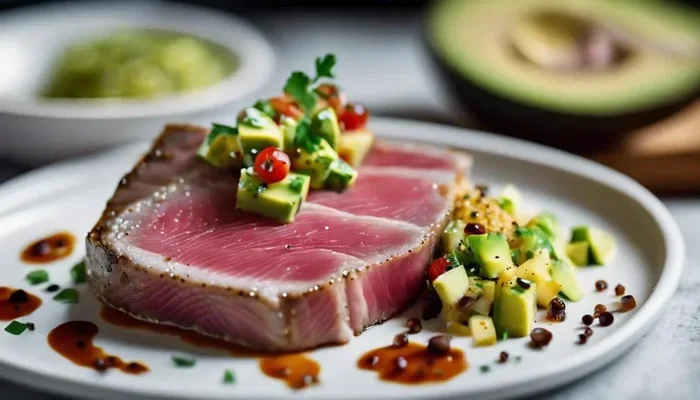
Searing is the gold standard for tuna. A hot pan, a little oil, and 30 to 60 seconds per side create a beautiful crust while keeping the center raw and tender. This method works best with fresh yellowfin or bluefin tuna steaks.
Make sure your pan is ripping hot before the tuna touches it. Pat the fish dry first so it sears instead of steams. A hot sear locks in moisture and creates that irresistible caramelized exterior.
Grilling Tuna
Grilling adds a smoky flavor that pairs wonderfully with tuna. Brush the grill grates with oil to prevent sticking. Grill tuna steaks for about two to three minutes per side over medium-high heat. The goal is a charred outside and a slightly pink, tender inside.
Poaching Tuna
Poaching is a gentler method that keeps tuna moist and delicate. Simmer tuna gently in a flavorful liquid like fish stock, white wine, or water with herbs. This method works especially well for chunkier cuts and is perfect for salads and pasta dishes.
Cooking Canned Tuna
Even canned tuna can be cooked into something better. Try mixing it into a warm pasta sauce, folding it into an omelet, or baking it into crispy fish cakes. Heat opens up new textures and flavors that cold tuna simply cannot match.
Avoid overcooking at all costs. Tuna dries out quickly and turns chalky. Cook it just until it is done, and you will have a much better result.
If you are looking for ways to prepare fish at home, our guide on how to make betta fish food at home offers great insights on preparing fish-based meals.
Using Tuna Fish for Pets
Tuna is not just for people. Many pet owners wonder if they can share tuna with their fish or other pets. The answer is yes, with some important precautions.
Tuna as a treat for betta fish: Small amounts of cooked, plain tuna can be a healthy occasional treat for betta fish. It provides protein and variety. But do not make it a regular meal. Tuna should never replace a balanced betta diet.
Here are some tips for feeding tuna to your fish:
- Always cook the tuna thoroughly before offering it to fish.
- Use plain tuna with no added salt, oil, or seasonings.
- Cut it into very small, bite-sized pieces.
- Offer only a tiny amount and remove any uneaten portions within a few hours.
- Feed tuna treats no more than once or twice a week.
If you are interested in creating homemade meals for your betta, our article on how to make betta fish food at home covers this topic in much more detail.
For those who want to make tuna-based meals more appealing for their pets, you might also enjoy our guide on how to make tuna fish sandwich better for creative serving ideas.
Common Mistakes That Make Tuna Worse
Knowing what not to do is just as important as knowing what to do. Here are the most common mistakes that ruin good tuna.
Overcooking the Fish
This is the number one mistake. Tuna goes from perfectly cooked to dry and tough in seconds. If you prefer cooked tuna, pull it off the heat just before it looks fully done. The residual heat will finish the job.
Using Low-Quality Canned Tuna
Cheap canned tuna often has more water, less flavor, and lower nutritional value. Spending a little more on quality canned tuna makes a noticeable difference in taste and texture.
Skipping the Rest
After cooking tuna, let it rest for a few minutes before cutting or serving. This allows the juices to redistribute. Skipping this step leads to dry, less flavorful fish.
Adding Too Many Flavors
Tuna has a beautiful natural flavor. Over-seasoning it with too many competing flavors masks what makes tuna special in the first place. Keep it simple and let the fish shine.
Poor Storage
Leaving tuna out at room temperature for too long is a food safety risk. Always refrigerate or freeze tuna promptly, and never leave cooked tuna sitting out for more than two hours.
Avoiding these mistakes alone can make tuna fish better dramatically. Sometimes the simplest changes produce the biggest improvements.
Quick Tips to Make Tuna Fish Better Right Now
- Always pat fresh tuna dry before cooking for a better sear.
- Use a very hot pan when searing tuna to get a crisp crust.
- Add a squeeze of lemon at the end of cooking for brightness.
- Let canned tuna drain well before mixing it with other ingredients.
- Experiment with one new seasoning at a time to find your favorite combinations.
- Freeze fresh tuna in portion sizes so you only thaw what you need.
- Serve tuna at room temperature for the best flavor and texture.
These quick tips are easy to remember and even easier to put into practice. Start with one or two and build from there. Before long, making better tuna will become second nature.
Conclusion
Learning how to make tuna fish better is a skill that pays off every time you open a can or pick up a fresh fillet. From choosing the right type of tuna to storing it properly, seasoning it well, and cooking it with care, every step matters. You do not need fancy techniques or expensive ingredients. Just a little knowledge and a little effort.
Remember, the best tuna is the tuna you prepare with intention. Take the time to pick quality fish, store it correctly, season it thoughtfully, and cook it just right. Your taste buds will thank you, and if you are feeding tuna to your pets, they will benefit too.
Start applying these tips today. The next time you make tuna, you will taste the difference immediately. Making tuna fish better is not about complexity. It is about doing a few simple things well. And once you start, you will never go back to plain tuna again.
Frequently Asked Questions
Can I feed canned tuna to my betta fish?
Yes, in small amounts and only occasionally. Make sure the tuna is plain, cooked, and free of added salt or seasonings. Canned tuna should never replace a balanced betta fish diet. Think of it as an occasional treat, not a regular meal.
What is the best way to store leftover tuna fish?
Refrigerate leftover tuna in an airtight container and use it within two to three days. For longer storage, wrap it tightly and freeze it for up to three months. Always let cooked tuna cool before storing it.
How do I know if tuna fish has gone bad?
Check for a strong fishy or ammonia-like smell, discoloration, or a slimy texture. If the tuna smells off or looks different from when you bought it, throw it away. When in doubt, do not take chances with spoiled fish.
Is fresh tuna or canned tuna better for cooking?
It depends on the recipe. Fresh tuna is best for searing and grilling, while canned tuna works well for salads, casseroles, and baked dishes. Both can taste great when prepared with care and the right seasonings.
What seasonings pair best with tuna fish?
Lemon juice, garlic, fresh herbs, soy sauce, sesame oil, and black pepper all pair wonderfully with tuna. Keep it simple and let the natural flavor of the fish shine through. Experiment to find your favorite combinations.
How often can I feed tuna to my pet fish?
Feed tuna to pet fish no more than once or twice a week. Always serve it in very small portions and make sure it is plain and fully cooked. A varied diet is important, so do not rely on tuna as the main food source.