How to Tell If Your Betta Fish Is Malnurish
Knowing how to tell if your betta fish is malnurish can save its life. A malnourished betta shows clear signs like dull colors, sunken belly, low energy, and loss of appetite. This guide walks you through every symptom, cause, and fix so you can act fast and keep your fish thriving.
Watching your betta fish lose its spark is worrying. You want your fish to thrive, but sometimes the signs of trouble are easy to miss. One of the most common and overlooked problems is malnutrition. If you have ever wondered how to tell if your betta fish is malnurish, you are in the right place. This guide breaks down every sign, cause, and solution in simple terms.
Malnutrition in betta fish happens when they do not get the right nutrients over time. It is not always about not eating enough. Sometimes, it is about eating the wrong things. Bettas are carnivores. They need protein-rich food to stay healthy. When their diet falls short, their body starts showing warning signs. Catching these signs early makes all the difference.
Many fish owners assume their betta is fine as long as it eats a little flake food now and then. That is a common mistake. Flakes alone do not provide complete nutrition. Over time, this gap leads to health problems that can shorten your fish’s life. The good news is that identifying malnutrition is straightforward once you know what to look for.
## What Does a Malnurished Betta Fish Look Like?
The visual signs of a malnourished betta are often the first thing you notice. A healthy betta should look vibrant, rounded, and active. When nutrition is lacking, the body changes in noticeable ways.
### Faded or Dull Colors
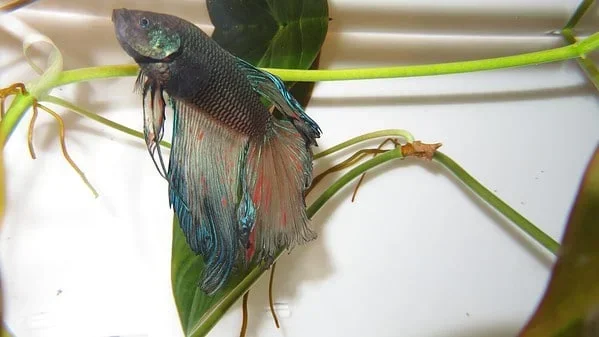
A well-fed betta displays bright, vivid colors. Reds should be deep. Blues should be rich. When your betta starts looking pale or washed out, it could be a sign of poor nutrition. Color fading happens because the body stops producing pigments when it lacks essential nutrients. This is one of the most obvious clues that something is wrong with your fish’s diet.
### Sunken or Thin Belly
A healthy betta has a slightly rounded belly. If the belly looks pinched or sunken, your fish may not be getting enough food or the right type of food. A thin body shape is a classic sign of malnutrition. You should be able to see a gentle curve from the head to the belly, not a sharp indent.
### Clamped Fins
When a betta holds its fins close to its body instead of spreading them out, it is often a sign of discomfort or poor health. While clamped fins can also signal illness, nutrition plays a big role. A weak immune system from poor diet makes fish more prone to stress, and clamped fins are a common stress response.
### Slow or Stunted Growth
Young bettas that are not getting proper nutrition may grow slowly or stop growing altogether. If your betta seems smaller than expected for its age, diet could be the reason. Stunted growth is especially common in bettas kept on an inadequate diet from a young age.
## Behavioral Signs Your Betta Is Not Getting Enough Nutrition
Beyond looks, the way your betta behaves tells you a lot about its health. Bettas are naturally curious and active fish. When they are malnourished, their energy drops, and their behavior shifts.
### Lethargy and Low Energy
A healthy betta swims around its tank with purpose. It explores, flares, and interacts with its environment. A malnourished betta, on the other hand, often looks tired and sluggish. Low energy levels mean the body is running low on fuel. If your fish spends most of its time resting at the bottom or floating listlessly, take notice.
### Loss of Appetite
This might seem obvious, but many owners do not realize their betta has stopped eating until it is too late. A betta that refuses food or only picks at flakes is telling you something is wrong. Sometimes the fish is full from poor-quality food that lacks nutrition. Other times, the body simply shuts down its hunger signals because it is too weak.
### Hiding and Avoiding Interaction
Bettas are not shy fish by nature. If yours suddenly hides behind decorations or avoids the open areas of the tank, it may be feeling unwell. Malnutrition weakens the body, and fish respond by seeking safe, hidden spots. This behavior is a clear shift from normal and should not be ignored.
## Common Causes of Malnutrition in Betta Fish
Understanding why your betta is malnourished is just as important as recognizing the signs. Several common feeding mistakes lead to poor nutrition over time.
### Feeding Only Flakes or Pellets
Many budget fish foods are filled with fillers and lack the protein levels bettas need. Betta fish nutrition requires a diet that is at least 30 to 40 percent protein. Cheap flakes often fall far short of this. If flakes are the only food your betta receives, it will slowly become deficient in essential vitamins and minerals.
### Overfeeding or Underfeeding
Both extremes are harmful. Overfeeding leads to bloating and obesity, which can mask the real issue of poor nutrition. Underfeeding leads to weight loss and vitamin deficiencies. Finding the right feeding schedule is key. Most experts recommend feeding adult bettas two small meals per day.
### Skipping Varied Foods
Bettas get bored of the same food, just like we do. More importantly, they need variety to get all their nutrients. A diet of only one food type creates gaps in nutrition. Adding frozen or live foods like bloodworms, brine shrimp, and daphnia helps fill those gaps.
### Poor Water Conditions
Even if you feed your betta perfectly, bad water quality can stop it from absorbing nutrients. Dirty water stresses the fish and weakens its immune system. Stress also reduces appetite, creating a cycle of poor health. Keeping the tank clean is part of proper nutrition.
## How to Feed Your Betta Fish Properly
Fixing a malnourished betta starts with a better feeding plan. Here is how to do it right.
### Choose High-Quality Betta Food
Look for pellets or flakes specifically made for bettas. The ingredient list should show fish meal or whole fish as the first ingredient. Avoid foods that list wheat flour, corn, or fillers at the top. High-quality betta food provides the protein and nutrients your fish needs.
### Add Variety to the Diet
Rotate between pellets, frozen bloodworms, brine shrimp, and occasional treats like daphnia. This mimics what bettas eat in the wild and ensures a broader range of vitamins and minerals. Aim to offer variety at least three to four times a week.
### Follow a Consistent Feeding Schedule
Feed your betta at the same times each day. Morning and evening meals work well for most owners. Remove any uneaten food after five minutes to keep the water clean. A consistent feeding routine helps your betta stay active and healthy.
### Watch Portion Sizes
A betta’s stomach is roughly the size of its eye. That is a helpful rule to remember. Offer only what your fish can eat in two to three minutes. Overfeeding causes more problems than underfeeding, so keep portions small and controlled.
## How to Help a Malnurished Betta Recover
If your fish is already showing signs of malnutrition, do not panic. Recovery is possible with the right approach.
### Step-Up the Nutrition Gradually
Do not suddenly change everything at once. Start by introducing high-quality pellets alongside the current food. Slowly increase the variety and quality over one to two weeks. This gives the fish’s digestive system time to adjust.
### Check for Illness
Sometimes, malnutrition is a symptom of a deeper problem. If your betta is not eating or continues to look unwell despite dietary improvements, it may be sick. Learn how to tell if your betta fish is sick and rule out common diseases. Conditions like fin rot, ich, or internal parasites can mimic malnutrition symptoms.
### Improve Tank Conditions
Clean the tank and check the water parameters. Ammonia and nitrite should be at zero. Nitrate should be below 20 ppm. A clean, warm tank helps your betta recover faster. If you are unsure about water changes, check out how to change your betta fish water for a simple guide.
### Monitor Progress Daily
Keep a close eye on your betta during recovery. Look for improvements in color, energy, and appetite within one to two weeks. If there is no progress, consider consulting a fish veterinarian. A healthy diet and clean environment are the foundation of full recovery.
## How to Prevent Malnutrition in the Future
Prevention is always easier than treatment. Once your betta is back to full health, keep it that way with smart habits.
### Stick to a Balanced Diet
Never rely on a single food source. Mix high-quality pellets with frozen and live foods for complete betta fish care. Think of it like eating a balanced meal instead of just snacking on one thing all day.
### Keep the Tank Clean
Regular water changes and filter maintenance prevent stress and illness. A stress-free fish absorbs nutrients better and stays active. Clean tank water supports both physical and mental health in bettas.
### Observe Your Fish Daily
Spend a few minutes each day watching your betta. Notice how it swims, eats, and interacts. Early detection of any problem gives you the best chance to fix it quickly. If you want to build a stronger connection with your fish, learn how to grow a bond with your betta fish through daily observation and gentle interaction.
## Quick Tips for Spotting Malnutrition Early
– Check your betta’s color every time you feed it. Fading is an early red flag.
– Feel the belly gently. It should be soft and slightly rounded, not hard or sunken.
– Track how much food your betta eats. A sudden drop in appetite is worth investigating.
– Keep a simple log of feeding times and food types to spot patterns.
– Watch for clamped fins, especially after water changes or temperature drops.
## Common Mistakes Fish Owners Make
Many well-meaning owners accidentally contribute to their betta’s malnutrition without realizing it.
### Relying on Tank Algae as Food
Some owners believe their betta can survive on algae growing in the tank. While bettas might nibble on it, algae alone do not provide enough protein or nutrition. Your fish needs a proper diet.
### Feeding Only When You Remember
Inconsistent feeding leads to nutritional gaps. Even if you are busy, setting a simple routine helps. If you are going on vacation, learn how to feed your betta fish while on vacation so your fish stays nourished even when you are away.
### Ignoring Expired or Low-Quality Food
Old or cheap food loses its nutritional value over time. Always check expiration dates and store food in a cool, dry place. Using fresh, high-quality food is one of the easiest ways to keep your betta healthy.
## Conclusion
Learning how to tell if your betta fish is malnurish empowers you to protect your fish’s health and happiness. The signs are there if you know what to look for. Faded colors, a thin belly, low energy, and loss of appetite are all clear signals. The good news is that malnutrition is reversible. With a better diet, cleaner water, and consistent care, your betta can bounce back to full health.
Take action today. Review your feeding habits, check your tank conditions, and watch your fish closely. A little attention goes a long way in keeping your betta vibrant and full of life. If you ever feel unsure, always reach out to a knowledgeable fish expert or vet. Your betta deserves the best care you can give.
Key Takeaways
- Visual cues are the first clue: Faded colors, a thin or sunken belly, and clamped fins often point to malnutrition in betta fish.
- Behavior changes matter: Lethargy, hiding, and refusing food are strong indicators that your betta is not getting proper nutrition.
- Diet quality is the root cause: Feeding only flakes or skipping meals regularly leads to vitamin deficiencies and weak immunity.
- Recovery is possible: With the right food, feeding schedule, and tank conditions, you can help a malnourished betta regain strength.
- Prevention beats treatment: A balanced diet of pellets, frozen foods, and occasional treats keeps your betta healthy long-term.
- Know when to seek help: If symptoms persist despite dietary changes, consulting a fish vet or checking for illness is the next step.
Frequently Asked Questions
What are the first signs that my betta fish is malnurished?
The earliest signs include faded colors, a slightly sunken belly, and reduced energy levels. Your betta may also eat less or lose interest in food altogether. Catching these signs early makes recovery much easier.
Can a malnurished betta fish recover fully?
Yes, most bettas recover fully with proper nutrition and care. Switch to high-quality pellets and add variety with frozen or live foods. Keep the tank clean and monitor your fish daily. Recovery usually takes one to three weeks.
How often should I feed my betta fish to prevent malnutrition?
Feed your adult betta two small meals per day, about 12 hours apart. Offer only what your fish can eat in two to three minutes. A consistent feeding schedule ensures your betta gets the nutrients it needs every day.
Is it okay to feed my betta only flakes?
Flakes alone are not enough. They often lack the protein and vitamins bettas need for good health. Use high-quality pellets as the staple and supplement with frozen or live foods several times a week for a balanced diet.
What is the best food to help a malnurished betta gain weight?
High-protein foods like bloodworms, brine shrimp, and quality betta pellets are the best options. Feed small portions multiple times a day and gradually increase variety. Avoid overfeeding, which can cause bloating and other health issues.
How can I tell if my betta is sick or just malnurished?
Malnutrition often causes faded colors and a thin body, while illness may show additional signs like white spots, torn fins, or unusual swimming patterns. If your betta does not improve with better feeding, check how to tell if my betta fish is sick to rule out disease.