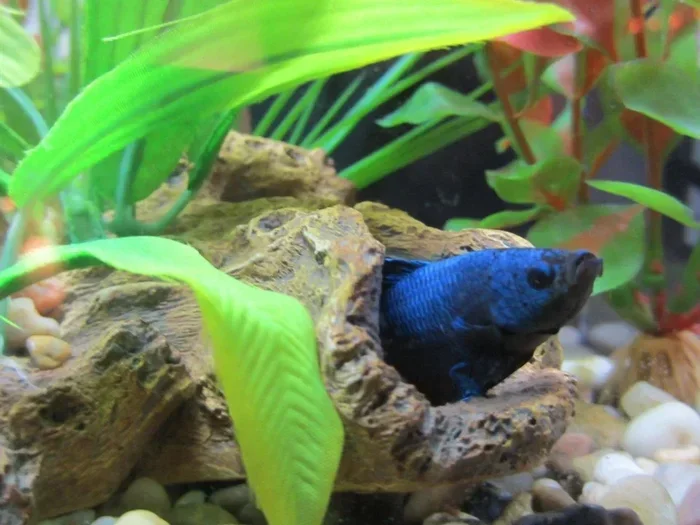
How to Tell If My Betta Fish Is Healthy

A healthy betta fish displays vibrant colors, active swimming, a good appetite, and clear fins. Understanding what normal betta behavior looks like helps you catch problems early and keep your fish happy for years. This guide covers the top health indicators, tank requirements, feeding habits, and warning signs every betta owner should know.
Your betta fish is more than just a pretty face in a tank. It’s a living creature that depends on you for its well-being. But how do you actually know if your betta is healthy? Many new fish owners assume their fish is fine as long as it’s still swimming. The truth is, betta fish health goes much deeper than that.
Whether you just brought home a new betta or you’ve had one for years, understanding what a healthy betta looks and acts like is crucial. This guide walks you through every major sign of wellness, from color and fins to behavior and appetite. You’ll also learn what tank conditions keep your fish thriving and how to spot trouble before it becomes serious. By the end, you’ll feel confident knowing exactly how to care for your betta the right way.
Let’s start with the most obvious indicator: how your betta looks.
Key Takeaways
- Vibrant colors and flowing fins are the most visible signs of a healthy betta fish.
- Active swimming and curiosity show your betta is feeling good and engaged.
- Clean water and proper temperature are essential for maintaining betta fish health.
- A consistent appetite is one of the easiest ways to monitor your betta’s wellness.
- Knowing the warning signs early can prevent serious illness and save your fish’s life.
- Regular tank maintenance keeps stress levels low and supports a strong immune system.
📑 Table of Contents
What Does a Healthy Betta Fish Look Like?
Vibrant Colors and Flowing Fins
A healthy betta fish should display bright, vivid colors. Think deep blues, rich reds, and vibrant greens. When a betta is feeling well, its colors pop and its fins flow gracefully as it moves through the water. Faded or dull coloring is often the first signal that something is off.
Check your betta’s fins regularly. Healthy fins should be smooth and fully extended. Look out for torn fins, clamped fins (fins held close to the body), or white edges. These can all point to stress, injury, or disease. If you notice fin rot or fraying, it’s time to investigate further.
Clear Eyes and Smooth Scales
Your betta’s eyes should be bright and clear. Cloudy eyes can indicate infection or poor water quality. The scales should lie flat and smooth against the body. Raised or discolored scales may signal a condition called dropsy, which requires immediate attention.
Take a moment during feeding time to get a good look at your fish. A quick visual check once a day goes a long way in catching problems early.
Behavior Signs of a Healthy Betta Fish
Active Swimming Patterns
A healthy betta explores its entire tank. It swims around with purpose, checks out decorations, and interacts with its environment. Your fish should move smoothly through the water without struggling or dragging itself along the substrate.
If you notice your betta leaning to one side, sinking to the bottom, or having trouble staying upright, these are red flags. Visit why your betta fish is leaning to the side to learn more about potential causes and solutions.
Curiosity and Engagement
Healthy bettas are curious creatures. They respond to movement outside the tank and may even watch you as you walk by. A happy betta will build bubble nests, explore every corner of its home, and show interest in food. If your fish seems lethargic or uninterested in its surroundings, it may be time to evaluate its environment.
Want to know more about what happiness looks like in a betta? Check out how to tell if your betta fish is happy for detailed behavioral cues.
Resting Patterns Are Normal Too
Here’s something many owners don’t realize: bettas sleep. A healthy betta will rest on a leaf or the tank floor for short periods. This is completely normal. The key difference is that a healthy betta wakes up easily and returns to active swimming. If your fish seems completely unresponsive even when you tap the glass gently, that’s a concern.
Tank Conditions That Support Betta Fish Health
Water Temperature and Parameters
Betta fish are tropical creatures. They need warm, stable water to thrive. The ideal temperature range is between 76°F and 82°F (24°C to 28°C). Cold water slows down their metabolism and weakens their immune system. Too-hot water stresses them out and reduces oxygen levels.
Invest in a reliable aquarium heater and a thermometer. These small tools make a huge difference in keeping your betta comfortable. Stable water parameters also matter. Aim for a pH between 6.5 and 7.5, and keep ammonia and nitrite levels at zero.
Tank Size and Filtration
Many people keep bettas in tiny bowls, but this isn’t healthy. A minimum tank size of 5 gallons gives your betta room to swim and helps maintain stable water chemistry. Smaller tanks fluctuate in temperature and toxins much faster, which stresses your fish.
A gentle filter is essential, but make sure the current isn’t too strong. Bettas are slow swimmers and can struggle in heavy flow. If your betta seems to be fighting the current, consider adding a sponge filter or baffle.
Clean Water Equals a Healthy Fish
Regular water changes are non-negotiable. Replace 25 to 30 percent of the water every week to remove waste and keep toxins in check. Always treat new water with a conditioner before adding it to the tank. Dirty water leads to bacterial infections, fin rot, and other serious health problems.
Need help with your water change routine? Read how to change your betta fish water for a step-by-step guide.
Feeding Habits of a Healthy Betta Fish
What and How Often to Feed
A healthy betta has a consistent appetite. Feed your betta once or twice a day with high-quality pellets made specifically for bettas. You can also offer frozen or live foods like brine shrimp and bloodworms as treats. Variety keeps meals interesting and supports balanced nutrition.
Overfeeding is one of the most common mistakes new owners make. Excess food decays in the tank and fouls the water. Feed only what your betta can consume in two minutes. If your fish refuses food for more than a day, that’s worth investigating.
Appetite Changes and What They Mean
A sudden loss of appetite is often the first sign that something is wrong. Stress, poor water quality, and illness can all cause your betta to stop eating. If your betta won’t eat, check your water parameters first. Sometimes a simple water change solves the problem.
For detailed steps on handling a picky eater, visit what to do if your betta fish won’t eat. This resource offers practical solutions to get your fish eating again.
Common Warning Signs Your Betta Fish Is Unhealthy
Physical Symptoms to Watch For
Your betta’s body tells you a lot about its health. Watch for these warning signs:
- White spots on the body or fins — often a sign of ich
- Red or inflamed gills — may indicate infection
- Swollen abdomen — could signal dropsy or constipation
- Clamped fins — a classic stress response
- Loss of color — often tied to illness or poor conditions
Catching these symptoms early gives you the best chance of helping your fish recover. For a deeper look at recognizing illness, check out how to tell if your betta fish is sick.
Behavioral Red Flags
Behavior changes are just as important as physical symptoms. A healthy betta is active and responsive. Here are behaviors that should concern you:
- Hiding constantly — could mean stress or illness
- Flashing or rubbing against objects — often caused by parasites
- Gasping at the surface — may indicate low oxygen or ammonia buildup
- Lethargy and refusal to move — a serious sign that needs immediate attention
If you notice any of these signs, act quickly. Test your water parameters first, then consider treatment options based on the symptoms you observe.
When to Seek Help
Sometimes home care isn’t enough. If your betta shows signs of rapid decline — such as lying on its side, open gills, or complete loss of color — it may be dying. In these situations, you need to act fast. Visit how can you tell if a betta fish is dying to learn the critical signs and what steps to take immediately.
How to Maintain Your Betta Fish’s Health Long-Term
Daily and Weekly Care Routines
Consistency is the secret to a long-lived, healthy betta. Here’s a simple routine to follow:
- Daily: Feed your betta once or twice, check the temperature, and observe behavior.
- Weekly: Test water parameters, remove uneaten food, and perform a partial water change.
- Monthly: Clean the filter media, check equipment, and inspect your betta for any physical changes.
Sticking to a routine reduces stress for both you and your fish. Your betta thrives on predictability, and so does your aquarium ecosystem.
Reducing Stress for Better Health
Stress weakens the immune system and makes bettas vulnerable to disease. Keep stress low by avoiding sudden changes in the tank, placing the aquarium away from loud noises and direct sunlight, and keeping the environment stable. A well-planned tank with hiding spots and gentle lighting helps your betta feel safe.
If you suspect your betta is stressed, learn how to destress your betta fish with proven calming techniques.
Building a Strong Immune System
A healthy diet and clean environment are the foundation of a strong immune system. Feed quality foods, maintain pristine water, and avoid overcrowding the tank. Some owners also use aquarium salt baths as a preventive measure, but always research proper dosages before adding any treatments.
For more tips on bringing your betta back to full health, visit how to make your betta fish healthy again for expert-backed strategies.
Conclusion
Keeping your betta fish healthy comes down to observation, consistency, and a little knowledge. Pay attention to your fish’s colors, behavior, appetite, and tank conditions every day. A healthy betta is vibrant, active, curious, and eager to eat. When something changes, don’t wait — investigate and take action.
The effort you put into understanding your betta’s needs pays off in a happy, thriving companion that brings joy to your home for years. Start applying these tips today, and you’ll be well on your way to mastering betta fish care.
Frequently Asked Questions
How can I tell if my betta fish is healthy?
A healthy betta fish displays vibrant colors, active swimming, clear eyes, smooth scales, and a consistent appetite. It explores its tank, builds bubble nests, and responds to its environment. Any sudden changes in appearance or behavior should prompt closer observation.
What are the first signs that my betta fish is sick?
The first signs often include faded colors, clamped fins, loss of appetite, lethargy, and hiding more than usual. Physical symptoms like white spots, red gills, or a swollen abdomen also indicate illness. Catching these early gives you the best chance of successful treatment.
How often should I test my betta fish tank water?
You should test your water parameters at least once a week. This includes checking ammonia, nitrite, nitrate, and pH levels. Weekly testing helps you catch water quality issues before they stress or harm your betta fish.
Can a healthy betta fish live for many years?
Yes, with proper care, a healthy betta fish can live between 3 and 5 years, and some even reach 7 years. The key factors are clean water, a warm stable temperature, a balanced diet, and a stress-free environment. Consistent care makes all the difference.
Why is my betta fish not eating but still acting normal?
A temporary loss of appetite can happen due to minor stress, water temperature changes, or boredom with food. Try offering a different food type or doing a partial water change. If the refusal lasts more than two days, test your water and look for other symptoms.
What tank size is best for betta fish health?
A minimum 5-gallon tank is recommended for a single betta fish. Larger tanks provide more stable water parameters and give your fish room to swim. Avoid bowls and tanks under 3 gallons, as they make it difficult to maintain healthy conditions.