Can Betta Fish Survive in the Dark

Betta fish can survive short periods in the dark, but they should not live in constant darkness. Like most animals, bettas need a regular day-night light cycle to stay healthy, reduce stress, and maintain their natural behaviors. Providing 8–12 hours of light daily, using a timer, and avoiding direct sunlight are key to keeping your betta happy and active.
Key Takeaways
- Bettas need a light cycle: A consistent 8–12 hours of light per day mimics their natural environment and supports healthy sleep and activity.
- Short-term darkness is okay: Bettas can handle a few days in the dark, but long-term darkness causes stress and health issues.
- Too much light is harmful: Constant bright light or direct sunlight can overheat the tank and cause algae growth.
- Use a timer: An aquarium light timer helps maintain a stable routine, reducing stress for your betta.
- Nighttime should be dark: Bettas need a dark period to rest; avoid leaving room lights on all night.
- Natural vs. artificial light: Both can work, but avoid placing the tank in direct sun; LED aquarium lights are ideal.
- Signs of poor lighting: Lethargy, loss of color, hiding, or erratic swimming can signal lighting problems.
📑 Table of Contents
- Can Betta Fish Survive in the Dark?
- Why Do Betta Fish Need Light?
- What Happens If Betta Fish Are Kept in the Dark?
- How Much Light Do Betta Fish Need?
- Best Lighting for Betta Fish Tanks
- Signs Your Betta Is Stressed from Poor Lighting
- Tips for Maintaining a Healthy Light Cycle
- Common Myths About Betta Fish and Light
- Conclusion
Can Betta Fish Survive in the Dark?
If you’ve ever wondered, “Can betta fish survive in the dark?” you’re not alone. Many new betta owners worry about leaving lights on or off, especially at night. The short answer is: betta fish can handle short periods in the dark, but they should not live in constant darkness. Like most animals, bettas need a regular day-night light cycle to stay healthy, reduce stress, and maintain their natural behaviors.
In this article, we’ll explore how light affects betta fish, what happens if they’re kept in the dark too long, and how to set up the perfect lighting for your betta’s home. We’ll also cover signs that your betta might be stressed from poor lighting and share practical tips to keep your fish happy and active.
Why Do Betta Fish Need Light?
Natural Habitat and Light
Bettas come from shallow, warm waters in Southeast Asia, like rice paddies and slow-moving streams. In the wild, they experience a natural cycle of daylight and darkness. This rhythm helps regulate their sleep, feeding, and activity patterns. Without a proper light cycle, bettas can become stressed, lethargic, or even sick.
How Light Affects Betta Behavior
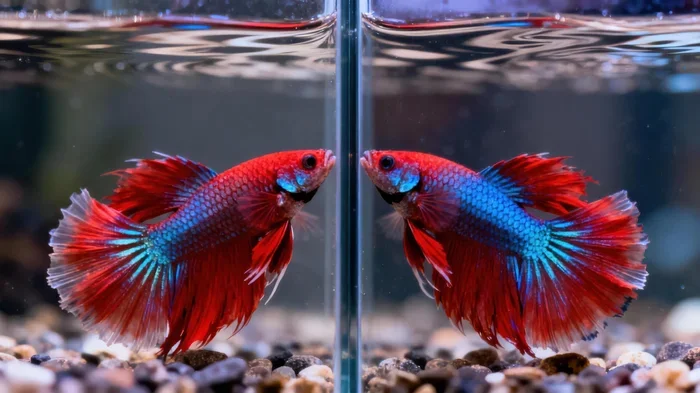
Light plays a big role in how bettas behave. During the day, they’re more active, exploring their tank, flaring at their reflection, and interacting with their environment. At night, they rest. If the tank is always dark, your betta may become confused, less active, or show signs of stress.
What Happens If Betta Fish Are Kept in the Dark?
Short-Term Darkness
If your betta is in the dark for a day or two—like during a power outage or if you forget to turn on the light—it’s usually not a big problem. Bettas are hardy and can handle short periods without light. But long-term darkness is a different story.
Long-Term Darkness
Keeping your betta in constant darkness can lead to several issues:
- Stress: Bettas may become anxious or depressed, leading to hiding or loss of appetite.
- Color Fading: Without light, bettas can lose their vibrant colors.
- Weakened Immune System: Stress and lack of routine can make bettas more prone to illness.
- Disrupted Sleep: Bettas need a dark period to rest, but they also need daylight to stay active and healthy.
How Much Light Do Betta Fish Need?
Ideal Light Cycle
Most experts recommend 8–12 hours of light per day for betta fish. This mimics their natural environment and helps regulate their internal clock. Too much light can cause algae growth and overheating, while too little can stress your betta.
Using a Timer
The easiest way to maintain a consistent light cycle is to use an aquarium light timer. Set it to turn on in the morning and off at night. This way, your betta gets a regular routine, even if you’re not home.
Best Lighting for Betta Fish Tanks
Natural Light vs. Artificial Light
Both natural and artificial light can work for betta tanks, but each has pros and cons:
- Natural Light: Sunlight can provide a natural cycle, but direct sunlight can overheat the tank and cause algae blooms.
- Artificial Light: LED aquarium lights are energy-efficient, don’t heat the water, and can be controlled with a timer.
Recommended Lighting Setup
For most betta tanks, a simple LED light with a timer is the best choice. Avoid placing the tank in direct sunlight, and make sure the light isn’t too bright or too dim. A gentle, consistent light is key.
Signs Your Betta Is Stressed from Poor Lighting
Behavioral Changes
If your betta is stressed from too much or too little light, you might notice:
- Lethargy: Your betta may hide more or swim less.
- Loss of Color: Faded or dull colors can be a sign of stress.
- Erratic Swimming: Darting around the tank or swimming in circles.
- Loss of Appetite: Refusing food or eating less than usual.
Physical Symptoms
In severe cases, poor lighting can lead to physical symptoms like fin rot or fungal infections. If you notice these signs, check your lighting setup and make adjustments.
Tips for Maintaining a Healthy Light Cycle
Use a Timer
As mentioned, a timer is the easiest way to keep your betta’s light cycle consistent. Set it to 8–12 hours of light per day, and let the tank be dark at night.
Avoid Direct Sunlight
Never place your betta tank in direct sunlight. It can overheat the water and cause algae growth. If you use natural light, make sure it’s indirect and filtered.
Monitor Your Betta
Watch your betta’s behavior and appearance. If you notice signs of stress, adjust the lighting or consult a vet.
Keep the Tank Clean
Regular water changes and tank maintenance help keep your betta healthy, regardless of lighting. A clean tank reduces stress and prevents disease.
Common Myths About Betta Fish and Light
Myth: Bettas Don’t Need Light
Some people think bettas can live in complete darkness. While they can survive short periods without light, they need a regular day-night cycle to thrive.
Myth: More Light Is Better
Too much light can stress your betta and cause algae growth. Stick to 8–12 hours per day.
Myth: Bettas Can See in the Dark
While bettas have good vision in low light, they still need a dark period to rest. Learn more about how bettas see in the dark.
Conclusion
So, can betta fish survive in the dark? Yes, for short periods—but they shouldn’t live in constant darkness. A regular light cycle of 8–12 hours per day is essential for your betta’s health and happiness. Use a timer, avoid direct sunlight, and monitor your betta for signs of stress. With the right lighting setup, your betta will stay active, colorful, and healthy for years to come.
If you’re setting up a new tank or adjusting your current one, remember: consistency is key. Your betta will thank you with vibrant colors and playful behavior!
Frequently Asked Questions
Can betta fish live in complete darkness?
Bettas can survive short periods in the dark, but long-term darkness causes stress and health issues. They need a regular day-night light cycle to stay healthy.
How many hours of light do betta fish need?
Most experts recommend 8–12 hours of light per day. This mimics their natural environment and helps regulate their sleep and activity patterns.
Is it okay to leave the aquarium light on all night?
No, bettas need a dark period to rest. Leaving the light on all night can disrupt their sleep and cause stress.
Can I use natural sunlight for my betta tank?
Natural light is okay if it’s indirect, but direct sunlight can overheat the tank and cause algae growth. LED aquarium lights are a safer choice.
What are signs my betta is stressed from poor lighting?
Signs include lethargy, loss of color, erratic swimming, and loss of appetite. If you notice these, check your lighting setup.
Do betta fish need a timer for their light?
Using a timer is the easiest way to maintain a consistent light cycle. It helps reduce stress and keeps your betta on a regular routine.