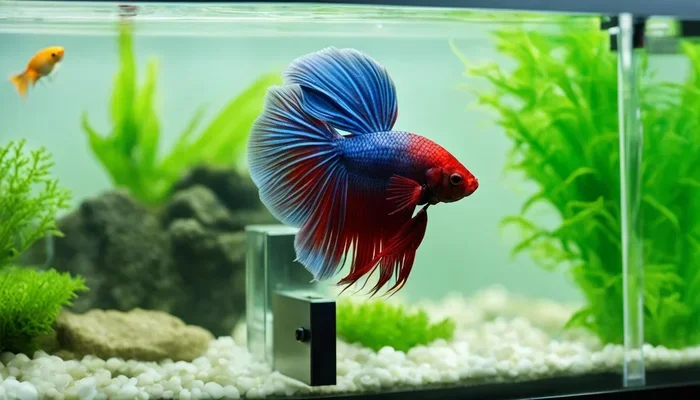
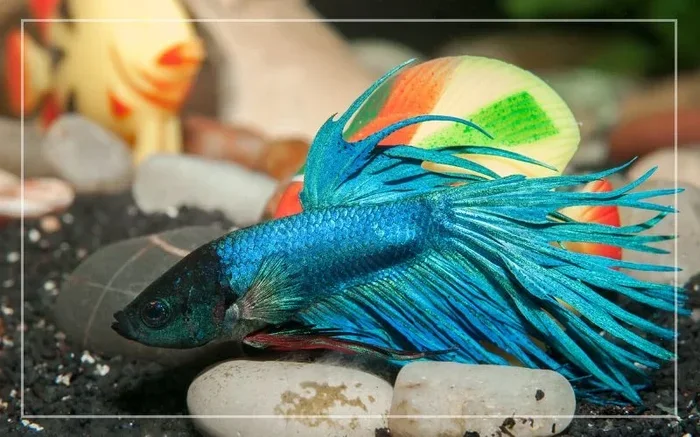
Where to Buy Halfmoon Betta Fish
Finding a healthy, vibrant halfmoon betta fish requires knowing where to shop. Avoid big-box stores and prioritize reputable online breeders or specialized local aquarium shops. Always inspect fish for signs of stress or disease and ask about quarantine practices before you buy halfmoon betta fish to ensure a long, happy life for your new pet.
Key Takeaways
- Reputable Breeders Are King: The healthiest halfmoon bettas come from specialized breeders who focus on genetics, water conditions, and proper care from birth.
- Local Fish Stores Can Be Gems: A dedicated local aquarium shop with knowledgeable staff is often a safer bet than chain pet stores for seeing fish in person before buying.
- Online Requires Research: Buying halfmoon betta fish online offers vast variety, but you must vet sellers thoroughly through reviews, photos, and shipping policies.
- Health Inspection is Non-Negotiable: Learn to spot key signs of a healthy betta (vibrant colors, active swimming, undamaged fins) versus a sick or stressed one.
- Shipping is a Critical Factor: Extreme weather, poor packaging, and long transit times are major risks. Choose sellers who use insulated boxes, heat/cold packs, and guarantee live arrival.
- Ask About Quarantine: Responsible sellers quarantine new fish to prevent disease spread. Always ask, “How long do you quarantine fish before sale?”
- Price Reflects Quality: Extremely cheap halfmoon bettas often come from mass-breeding operations with higher disease risk. Be prepared to invest $30-$100+ for a quality fish.
[FEATURED_IMAGE_PLACEHOLDER]
📑 Table of Contents
- The Allure of the Halfmoon Betta
- Option 1: The Local Aquarium Shop (The Personal Touch)
- Option 2: Reputable Online Betta Breeders (The Premium Choice)
- Option 3: Online Retailers & Marketplaces (Proceed with Extreme Caution)
- The Health Inspection Checklist: Your Buying Superpower
- Setting the Stage: Your Pre-Purchase Preparation
- Conclusion: Your Journey to the Perfect Halfmoon Betta
The Allure of the Halfmoon Betta
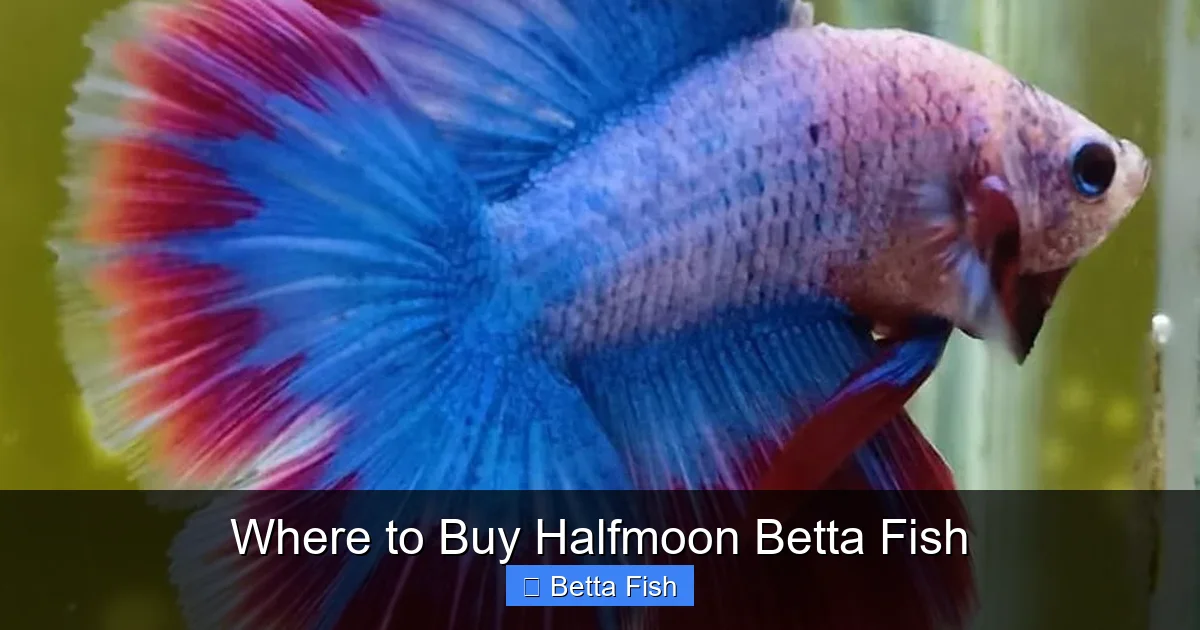
You’ve fallen in love with the halfmoon betta fish. It’s easy to see why. With fins that fan out a full 180 degrees, like a spectacular underwater umbrella, they are living works of art. Their flowing, symmetrical tails create a perfect semicircle when fully spread, a display of elegance that other betta varieties can’t quite match. But this stunning beauty comes with a responsibility. A halfmoon betta isn’t just a decoration; it’s a living creature with specific needs. The first, and most crucial, step in your journey as a betta owner is finding the right source. Where you buy your halfmoon betta fish will directly impact its health, temperament, and lifespan. A poor choice can lead to heartbreak and vet bills. A great choice sets the stage for years of vibrant companionship.
This guide is your roadmap. We’ll cut through the noise and walk you through every legitimate avenue for acquiring a halfmoon betta, from the charming local shop down the street to vetted online breeders across the country. You’ll learn exactly what to look for, what questions to ask, and how to avoid the common pitfalls that trap new enthusiasts. Our goal is simple: to help you bring home a thriving, healthy halfmoon betta fish that will dazzle you with its personality and prismatic colors for years to come.
Option 1: The Local Aquarium Shop (The Personal Touch)
There’s something irreplaceable about walking into a local fish store. The gentle hum of filters, the soft glow of aquarium lights, the scent of clean water—it’s an experience. For buying a halfmoon betta, a high-quality local shop is often the gold standard. Why? Because you can see the fish in person, under conditions that are often more stable than a big-box store.

Visual guide about Where to Buy Halfmoon Betta Fish
Image source: thailandbettafish.com
What to Look For In a Quality Local Shop
A good local aquarium shop is more than a retail space; it’s a hub of expertise. Look for these signs:
- Cleanliness: The water in display tanks should be crystal clear. There should be no excessive algae, dead plants, or floating debris. Wipe-down cloths should be clean, not grimy.
- Fish Health: Observe the bettas. They should be active, responding to your presence at the glass. Their colors should be bright and rich. Fins should be intact, without tears, rot, or clumping. There should be no cotton-like growths (fungus), white spots (ich), or ragged edges (fin rot).
- Tank Setup: Bettas should not be housed in tiny, dirty cups. While many stores still use small display containers, they should be in clean water, with a divider or enough space between them to reduce stress. Some progressive shops keep them in heated, filtered community tanks or larger “betta barracks.”
- Knowledgeable Staff: Ask a simple question: “What do you feed these bettas?” or “How often do you change the water in these tanks?” The answer will tell you everything. Staff who can detail diet, tank cycling, and common betta ailments are a huge asset.
Practical Example: Visit the shop at different times. A betta that is lethargic and clamped (fins held tight) on a Monday might just be resting. But if it’s consistently listless, that’s a red flag. A great shop will have a variety of halfmoon colors and patterns—reds, blues, koi, marbles—not just a handful of generic-looking fish.
The Questions You Must Ask
When you find a halfmoon betta that catches your eye, engage the staff:
- “How long has this fish been here?” (A newly arrived fish is stressed and may hide illness).
- “Do you quarantine new arrivals?” (A “yes” is a very good sign).
- “What’s its feeding routine?” (They should be eating a high-quality pellet or frozen food).
- “Can I see it in a larger tank?” (Some shops will oblige, letting you see its true swimming form).
Tip: Building a relationship with a local shop pays off. They may hold a specific fish for you, offer advice after the sale, and become a valuable resource for food and supplies.
Option 2: Reputable Online Betta Breeders (The Premium Choice)
If your local options are lacking, the internet opens a world of spectacular halfmoon bettas. However, “online” is a broad term. You are not looking at generic marketplaces like eBay or Etsy for live animals. You are seeking dedicated, professional betta breeders who have built their reputation on quality and customer service. These are the artists of the betta world, selectively breeding for color, finnage, and health over generations.

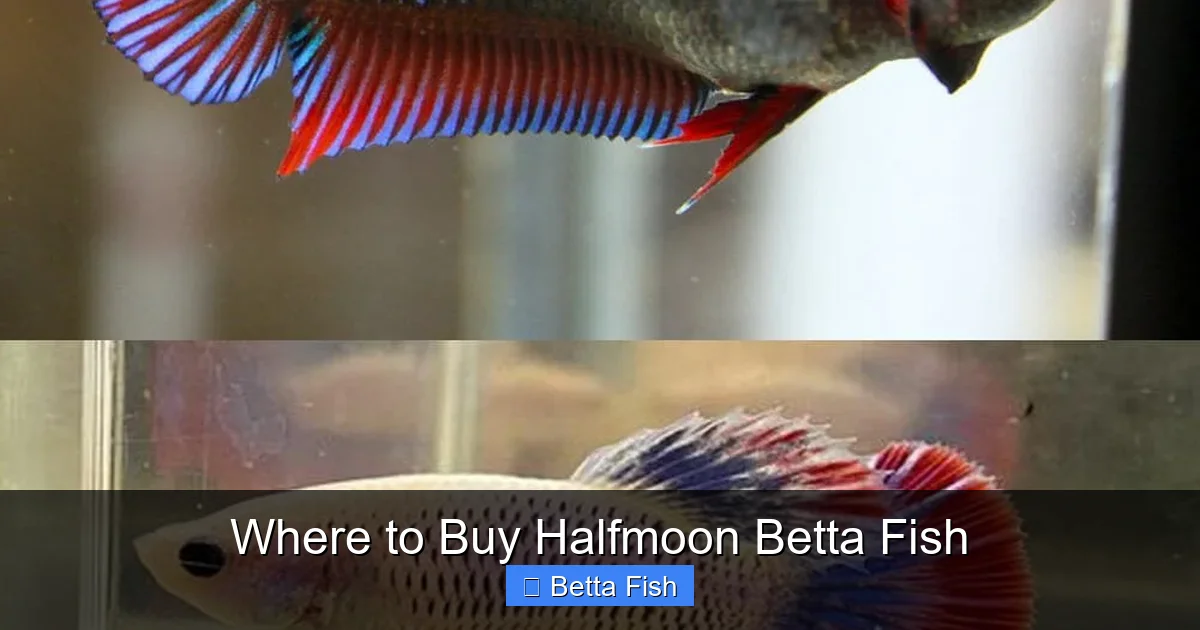
Visual guide about Where to Buy Halfmoon Betta Fish
Image source: tropicflow.com
How to Vet an Online Breeder
Finding a trustworthy breeder requires detective work. Start with a Google search for “halfmoon betta breeder” or “imported halfmoon betta.” Then, apply this filter:
- Professional Website & Portfolio: A serious breeder will have a well-maintained website with high-quality photos and videos of their fish. They showcase their breeding stock (the parent fish) and have clear information on their lines, breeding philosophy, and health guarantees.
- Transparency: They should openly discuss their water parameters, quarantine protocols (typically 2-4 weeks minimum), and how they acclimate fish for shipping. They often have a detailed FAQ section.
- Community Presence: Check for reviews on forums like Betta Fish Talk or Reddit’s r/bettafish. Look for consistent praise about healthy arrivals and good communication. Be wary of sellers with no independent reviews.
- No “Too Good to Be True” Prices: A stunning, show-quality halfmoon from a top breeder can cost $75, $150, or more. A $15 “halfmoon” listed with a blurry photo is likely a mislabeled plakat or a low-grade fish from a mill.
The Shipping Process: What to Expect
Shipping live fish is a science. A reputable breeder will:
- Ship Early in the Week: To avoid fish being held in a warehouse over the weekend, they typically ship Monday-Wednesday.
- Use Insulated Boxes: Often a styrofoam cooler inside a cardboard box.
- Employ Proper Packaging: The fish is usually bagged with clean water and pure oxygen, sealed, and then placed inside a second bag. This double-bagging is critical. The bags are then packed with heat packs (in cold weather) or cold packs (in hot weather) and padding.
- Offer a Guarantee: Most will have a live arrival guarantee, often requiring you to unbox the fish on camera (a standard practice now) and contact them within a few hours if there’s an issue.
Practical Example: A top-tier breeder like “Siam Fighting Fish” or “Betta Squad” (names as examples of the *type* of breeder, not an endorsement) will have videos of their bettas flaring in pristine conditions. They will list specific genetics (e.g., “Halfmoon Koi Marble from the ‘Dragon’ line”) and have a clear application process for purchasing, sometimes with a waitlist. This level of professionalism correlates directly with fish health and your support after the sale.
Option 3: Online Retailers & Marketplaces (Proceed with Extreme Caution)
This category includes large online pet stores and platforms like Amazon, eBay, or even some sections of Etsy. For halfmoon bettas, this is generally the riskiest path. Why? These platforms are aggregators. You are often buying from a third-party seller whose primary business is not fish. They source from wholesale distributors, who in turn source from large-scale breeding operations (sometimes called “betta mills”). The focus is on volume and low cost, not individual fish health or genetics.
Visual guide about Where to Buy Halfmoon Betta Fish
Image source: aquariumfishonline.com.au
The Major Risks
- Misrepresentation: A fish sold as a “halfmoon” may have a tail spread of 150 degrees (a “over-halfmoon”) or even be a plakat (short-tailed). Photos are often stock images, not of the actual fish you’ll receive.
- Poor Shipping Practices: These sellers use the cheapest shipping possible, which often means no insulation, no temperature control, and multi-day transit times via USPS Ground. This is a death sentence for a tropical fish in winter or summer.
- No Accountability: If your fish arrives dead or diseased, the seller may offer a partial refund or simply disappear. The platform’s buyer protection is often weak for live animals.
- Hidden Health Issues: Fish from mass operations are under immense stress, prone to diseases like Columnaris (cotton mouth) or dropsy, which can incubate and manifest days after arrival, infecting your entire quarantine tank.
If You Must Use This Route…
Sometimes, a reputable online retailer that specializes in fish, like LiveAquaria or AquaBid (which connects to vetted breeders), can be a middle ground. If you consider a marketplace:
- Scrutinize the Seller Profile: Read every single review. Filter for reviews that mention “betta” or “halfmoon.” Look for patterns of dead-on-arrival (DOA) complaints.
- Demand Real Photos: Message the seller and ask for a current, unedited photo of the exact fish you’re buying, with a note or date in the frame. If they refuse, run.
- Check Shipping Costs & Methods: Overnight or 2-day shipping via FedEx or UPS is the only acceptable method for a delicate halfmoon betta. If shipping is $5.99, it’s a red flag.
- Understand the “Quarantine Tank” is Mandatory: You must have a separate, cycled hospital/quarantine tank ready. Never, ever put a new online fish directly into your display tank.
The Health Inspection Checklist: Your Buying Superpower
Whether you’re in a shop or judging a photo online, this checklist is your shield against buying a sick fish. Develop a systematic approach.
Visual & Behavioral Red Flags
- Fins: Look for clamped fins (held close to the body), torn or shredded edges, white tips (fin rot), or a cottony or stringy appearance (fungus or internal parasites). Halfmoon fins should be full, flowing, and symmetrical when the fish is calm.
- Body: The body should be streamlined, not bloated or pinecone-like (sign of severe dropsy). Look for sores, ulcers, or raised scales.
- Scales & Color: Scales should lie flat. Lethargic patches of color or significant fading can indicate stress or illness. However, some bettas (especially marbles) change color, so consider context.
- Eyes: They should be clear and protruding normally. Sunken or cloudy eyes are a bad sign.
- Gills: Should open and close evenly. Rapid, labored breathing (gasping at the surface) indicates poor water quality or gill disease.
- Behavior: A healthy betta is curious. It will flare at its reflection or your finger, explore the tank, and rest on a leaf or the substrate periodically. A fish that is listless, hiding constantly, or floating upside down is severely compromised.
The “Flare Test”
A gentle flare test is a great health indicator. Use a small mirror or your reflection. A healthy male betta will flare—extend its gill covers, puff out its body, and spread its fins dramatically. A weak or sick fish will either ignore the stimulus or give a pathetic, half-hearted flare. A strong, full flare is a sign of vitality. (Note: Never leave a mirror in the tank; prolonged flaring causes stress).
Asking the Right Questions (The Breeder/Shop Quiz)
Don’t be shy. A seller proud of their stock will welcome questions.
- “What is your water change schedule on the display tanks?” (Answer should be frequent, 25-50% weekly).
- “What do you feed?” (Answer should be a high-quality pellet, supplemented with frozen or live foods like daphnia or brine shrimp).
- “How long is your quarantine period for new arrivals?” (Minimum 2 weeks, preferably 4).
- “Have you had any recent disease outbreaks in your stock?” (A truthful “yes” with a description of how they handled it is better than a suspicious “no”).
- “Can I see a video of this fish swimming?” (For online sellers, a video is worth a thousand static photos).
Setting the Stage: Your Pre-Purchase Preparation
You’ve found your perfect halfmoon betta. Before you click “buy” or hand over your cash, your work is not done. Success is 90% preparation. Bringing a betta home without a proper setup is like buying a racehorse and putting it in a backyard shed.
The Mandatory Quarantine Tank
This is the single most important piece of equipment you need before your fish arrives. A quarantine tank is a separate, small (5-10 gallon) aquarium with a heater, a sponge filter (gentle flow), and hiding places. It is cycled—meaning it has a established population of beneficial bacteria that process fish waste. Its purpose is to observe your new betta for 2-4 weeks for any signs of disease (ich, velvet, fin rot) that could have been incubating during shipping or from the store. If you skip this, you risk introducing pathogens into your main display tank, potentially wiping out all your fish. A dedicated quarantine tank is not optional for a responsible betta keeper, especially when buying online.
Water Chemistry is Everything
Halfmoon bettas are tropical fish from the warm, shallow waters of Thailand. They need:
- Temperature: 78-80°F (25.5-26.5°C) consistently. A reliable aquarium heater is mandatory.
- Water Type: They prefer soft to moderately hard water. The pH should be stable between 6.5 and 7.5. Stability is more important than hitting an exact number.
- Water Conditioner: You must use a dechlorinator to remove chlorine and chloramines from tap water. Seachem Prime is the industry standard.
Before your fish arrives, your quarantine tank (and eventual display tank) must be fully cycled. This 4-6 week process establishes the nitrogen cycle. You cannot simply fill a tank with water and add a fish. Research “fishless cycling” or “cycling with hardy fish” thoroughly. Adding your halfmoon betta to an uncycled tank will expose it to toxic ammonia, leading to stress, disease, and likely death.
Tankmates & Environment
Halfmoon bettas are notorious for their long, flowing fins, which make them targets for fin-nipping fish. They are also solitary by nature. The safest, and most recommended, setup is a species-only tank. If you must add tankmates, choose with extreme caution: small, fast, non-colorful schooling fish like ember tetras or harlequin rasboras in a heavily planted 20+ gallon tank. Avoid guppies (long fins), tiger barbs (nippy), and any fish with similar body shapes. The tank should have a secure lid (bettas jump!) and gentle filtration—a sponge filter is ideal. Provide plenty of plants, silk or live, and hiding spots to reduce stress.
Conclusion: Your Journey to the Perfect Halfmoon Betta
Choosing where to buy your halfmoon betta is the foundational decision of your entire betta-keeping experience. It’s tempting to be swayed by a low price or the convenience of a big-box store. But remember, you are bringing a living, feeling creature into your home. The $20 you might save by buying from a questionable source will be spent tenfold on medications, replacement fish, and heartache. Investing in a healthy, well-bred halfmoon betta from a reputable local shop or a vetted online breeder is an investment in joy, not just cost.
Take the time. Do the research. Visit that local shop and watch the fish. Read the breeder’s website like it’s a novel. Ask the hard questions. Prepare that quarantine tank with patience and care. When you finally bring your stunning, flaring halfmoon betta home and watch it glide through its planted sanctuary, you’ll know every bit of effort was worth it. You haven’t just bought a fish; you’ve welcomed a masterpiece into your world, and you’ve given it the best possible start. That’s what responsible fishkeeping is all about.
Frequently Asked Questions
Is it better to buy a halfmoon betta from a local store or online?
Generally, a reputable local aquarium shop allows you to inspect the fish in person, which is a major advantage. However, the best online breeders offer superior genetics and health, with meticulous shipping practices. Your best local shop often trumps a mediocre online seller, but a top-tier breeder shipped with care usually beats a typical chain pet store.
How much should I expect to pay for a quality halfmoon betta?
For a healthy, well-cared-for halfmoon from a good source, expect to pay between $30 and $100+. Fish under $20 are typically from high-volume operations with higher disease risk and less focus on ideal finnage. The price reflects the breeder’s time, water quality, quarantine, and genetic quality.
Can I put a new halfmoon betta directly into my main aquarium?
Absolutely not. A quarantine tank is essential for every new betta, especially those shipped or from stores. You must observe it for 2-4 weeks for signs of disease like ich or velvet. Adding it directly to your display tank risks introducing pathogens that could kill all your fish.
What is the biggest red flag when buying a betta online?
The biggest red flag is cheap, slow shipping (e.g., USPS Ground). Bettas require fast, temperature-controlled shipping (overnight or 2-day via FedEx/UPS) in insulated boxes with heat/cold packs. Any seller unwilling to use proper shipping methods is gambling with the fish’s life.
How can I tell if a halfmoon betta photo online is of the actual fish for sale?
Ask the seller for a current, unedited photo or video of the exact fish, with a unique identifier (like a dated note) in the frame. Stock photos are common with disreputable sellers. A legitimate breeder will proudly show you videos of their fish flaring and swimming in their own tanks.
Are halfmoon bettas more fragile than other betta types?
Yes, their large, flowing fins make them more susceptible to fin-nipping tankmates, snagging on decorations, and water current damage. They also require exceptionally clean water to prevent fin rot. Their beauty comes with a need for slightly more attentive care, especially regarding gentle filtration and a safe, obstacle-free tank environment.