How to Tell If My Betta Fish Is Sleeping
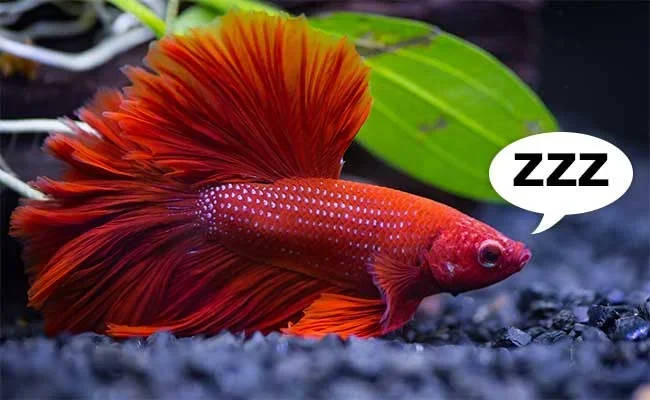
Knowing how to tell if your betta fish is sleeping is essential for every fish owner. Bettas have unique sleep habits that differ from humans, and understanding their resting behavior helps you keep them healthy and happy. This guide covers the top signs, normal sleep patterns, and simple tips to support your betta’s rest.
Have you ever stared at your betta fish tank and wondered if your colorful friend is just sleeping? How to tell if my betta fish is sleeping is one of the most common questions new betta owners ask. Bettas are fascinating creatures with unique rest habits that can confuse even experienced fish keepers. Understanding their sleep behavior is key to keeping your betta healthy and vibrant.
Many people assume fish never really sleep. But that is far from the truth. Bettas enter a rest state that looks very different from human sleep. They do not close their eyes, and they often stay still in strange positions. Once you learn the signs, you will never second-guess whether your betta is resting or unwell.
Betta fish sleep is a natural and essential part of their daily routine. Without proper rest, your betta can become stressed, lose color, and even fall ill. This guide will walk you through everything you need to know about recognizing sleep, setting up the right environment, and spotting warning signs early.
Key Takeaways
- Bettas sleep with their eyes open: Unlike humans, betta fish do not close their eyes when resting.
- Look for a curled body and color fading: These are the most reliable signs your betta is sleeping.
- Normal sleep is 12-14 hours daily: Bettas need both daytime naps and nighttime rest.
- Lighting matters: A proper day-night cycle supports healthy betta fish sleep patterns.
- Excessive sleep can signal a problem: If your betta sleeps all the time, it may be a health concern.
- Create a calm environment: Dim lights and stable temperatures help your betta rest peacefully.
- Know the difference between sleep and illness: Lethargy and sleep look similar but have different causes.
📑 Table of Contents
How Betta Fish Sleep
Betta fish have a very different sleep cycle than mammals. They do not experience deep sleep the way we do. Instead, they enter a light rest state where their body slows down but they remain aware of their surroundings. This is an evolutionary trait that helps them stay safe from predators in the wild.
Your betta needs between 12 and 14 hours of rest every day. This includes both nighttime sleep and daytime naps. Just like humans, bettas follow a day-night cycle that regulates their sleep. Without consistent lighting, their internal clock can get confused, leading to irregular rest patterns.
Do Betta Fish Close Their Eyes?
Here is a fun fact that surprises many people. Bettas cannot close their eyes. They do not have eyelids. So even when your betta is fast asleep, those beautiful eyes will stay wide open. This is why many new owners mistake a sleeping betta for a sick fish.
Because they keep their eyes open, you need to rely on other signs to know if your betta is resting. The good news is that the physical and behavioral cues are pretty easy to spot once you know what to look for.
Common Sleeping Positions
Betta fish can sleep in some pretty funny and unexpected positions. Each position tells you something about how comfortable your fish feels. Here are the most common betta fish sleeping positions you might see:
- Lying on the substrate: Your betta rests flat on the bottom of the tank. This is very common and usually nothing to worry about.
- Floating near the surface: Some bettas sleep just below the waterline, hovering in place with their fins still.
- Curled up on a leaf: Bettas love to rest on silk plants or broad leaves. They may curl their body into a little ball.
- Leaning on decorations: Your betta might rest against a tank ornament or driftwood for support.
- Tucked into a corner: Some bettas feel safer sleeping in quiet corners of the tank where there is less movement.
All of these positions are normal. The key is to watch for any sudden changes. If your betta starts sleeping in a new position and shows other signs of distress, it is worth investigating further.
Signs Your Betta Fish Is Sleeping
Now that you know bettas sleep with their eyes open, let us look at the specific signs that confirm your fish is resting. Recognizing these signs helps you avoid unnecessary worry and keeps you from disturbing your betta during its important rest time.
Physical Signs of Sleep
When a betta enters a rest state, the body goes through noticeable changes. These betta fish resting behavior signs are your first clues:
- Color fading: A sleeping betta often looks paler than usual. This is completely normal and happens because the body relaxes during rest.
- Slow or no fin movement: The fins hang loosely and barely move. Your betta will look completely still.
- Breathing slows down: You may notice the gills moving more gently than usual.
- Body goes limp: The body loses its usual upright posture and may tilt slightly to one side.
- No response to food or movement: Your betta will not react to tapping on the glass or the smell of food.
These signs are very similar to what you would see in a healthy, resting fish. If all of these signs are present and your betta resumes normal activity after waking, everything is fine.
Behavioral Signs of Sleep
Beyond physical changes, there are clear behavioral signs that your betta is sleeping. These include:
- Staying in one spot for a long time: A sleeping betta will not move around the tank.
- Ignoring tank mates or activity: Your fish tunes out everything happening around it.
- Choosing a favorite resting spot: Many bettas return to the same spot every time they nap.
- Becoming less responsive: It takes more stimulation to wake a sleeping betta than a resting one.
You can learn a lot about your betta by simply watching its daily routine over time. Every fish has its own little quirks and preferred napping spots.
Normal vs. Abnormal Sleep Patterns
Understanding what is normal for your betta helps you catch problems early. Not all rest is equal, and some sleep patterns can signal trouble.
How Much Should a Betta Fish Sleep?
A healthy adult betta needs about 12 to 14 hours of rest per day. This usually breaks down into nighttime sleep and several short daytime naps. Young bettas and older fish may sleep even more.
If you notice your betta fish sleep schedule changing suddenly, pay attention. A brief change is usually nothing to worry about. But if the pattern persists for several days, it could indicate an underlying issue.
Some bettas are naturally more lethargic than others. Just like people, individual fish have different energy levels. The key is knowing what is normal for your specific fish.
When to Worry About Sleep
There are times when sleep behavior crosses the line from normal to concerning. Watch for these warning signs:
- Sleeping for more than 16 hours a day: This is a red flag and could indicate illness or poor water conditions.
- Sleeping at the bottom constantly: While occasional bottom-sleeping is fine, always sleeping there is not.
- Difficulty waking up: A healthy betta should respond to food or gentle movement within a few seconds.
- Loss of appetite combined with excessive sleep: This combination often points to a health problem.
If you notice these signs, check your water parameters first. Poor water quality is the most common cause of abnormal sleep in bettas. Test for ammonia, nitrite, and nitrate levels. Also consider whether the tank temperature is within the ideal range of 76 to 82 degrees Fahrenheit.
Creating the Perfect Sleep Environment
A good sleep environment makes a huge difference in your betta’s health and happiness. Bettas are sensitive to light, temperature, and noise. Small adjustments to the tank setup can promote better rest and reduce stress.
Lighting and Day-Night Cycles
Betta fish tank light cycle management is one of the simplest ways to support healthy sleep. Bettas need a consistent schedule of light and darkness to regulate their internal clock.
Here are some easy tips for managing lighting:
- Keep the lights on for 8 to 10 hours a day: This gives your betta enough light to be active and time to rest.
- Turn off the tank light at night: A dark environment signals your betta that it is time to sleep.
- Avoid sudden light changes: Sudden bright light can startle a sleeping betta and cause stress.
- Use a timer: An automatic timer ensures consistent lighting every single day.
- Avoid placing the tank near windows: Natural sunlight creates inconsistent light patterns and temperature swings.
If your betta seems restless at night, try dimming the room lights an hour before turning off the tank light. This gradual transition helps your fish wind down naturally.
Temperature and Comfort
Betta fish tank temperature plays a big role in sleep quality. Bettas are tropical fish and need warm water to stay healthy and well-rested. Cold water can make your betta sluggish and overly sleepy, while too-warm water can cause restlessness.
Keep the water temperature steady between 76 and 82 degrees Fahrenheit. A good aquarium heater helps maintain this range consistently. Sudden temperature drops are especially stressful and can disrupt sleep patterns.
Adding soft plants and hiding spots also helps your betta feel safe enough to relax fully. Silk plants are better than sharp plastic ones because they do not damage fins. A well-decorated tank gives your betta plenty of cozy spots to choose from when it is time to nap.
Sleep vs. Health Concerns
One of the trickiest parts of betta care is telling the difference between normal sleep and a health problem. Many symptoms of illness look a lot like a fish that is simply resting. Understanding the distinction is critical for early intervention.
Is My Betta Sleeping or Sick?
The easiest way to tell the difference is by observing your betta’s behavior when it wakes up. A healthy sleeping betta will become active, responsive, and interested in food after waking. A sick betta will remain lethargic even after being awake for a while.
Here is a quick comparison to help you:
- Normal sleep: Fish wakes up easily, swims actively, eats normally, and shows bright colors after waking.
- Signs of illness: Fish stays limp even after waking, refuses food, shows faded or clamped fins, and breathes rapidly.
If your betta is sleeping at the bottom of the tank and not responding to anything, check the water quality immediately. High ammonia or nitrite levels can cause severe lethargy that mimics deep sleep. Regular water changes and testing keep these problems at bay.
Why Is My Betta Sleeping So Much?
If you find yourself searching why is my betta fish sleeping so much, you are not alone. Excessive sleep in bettas usually comes down to a few common causes:
- Low water temperature: Cold water slows down the metabolism and makes fish sleepy.
- Poor water quality: Toxins in the water stress the fish and cause lethargy.
- Lack of stimulation: A boring tank with no plants or decorations can make a betta depressed and tired.
- Illness or infection: Bacterial or parasitic infections often cause increased sleep.
- Old age: Older bettas naturally sleep more than younger ones.
If you have ruled out water quality and temperature issues, consider whether your betta might be dealing with a health problem. In that case, it is worth learning more about how to tell if my betta fish is sick so you can act quickly. Early detection makes treatment much more effective.
Can Too Much Sleep Be Dangerous?
While sleep itself is healthy, too much of it can mask serious problems. A betta that is always sleeping is not eating, swimming, or interacting with its environment. This inactivity can lead to weight loss, weakened immunity, and a decline in overall health.
If your betta is sleeping all the time, take action. Test the water, check the temperature, and look for other symptoms like swollen fins, white spots, or redness. Addressing the root cause early gives your betta the best chance of a full recovery.
Tips for Supporting Healthy Betta Sleep
Good sleep hygiene is just as important for fish as it is for people. Here are some practical tips to help your betta get the rest it needs:
- Keep a consistent schedule: Feed your betta and turn the lights on and off at the same times every day.
- Avoid tapping on the glass: Sudden noises and vibrations disturb sleep and cause stress.
- Provide plenty of hiding spots: Plants, caves, and decorations give your betta safe places to rest.
- Keep the tank clean: Regular water changes prevent toxins from building up and disrupting rest.
- Watch for signs of betta fish depression: A bored or stressed betta may sleep too much or too little.
- Be patient with new fish: A newly added betta may sleep more than usual as it adjusts to a new environment.
Taking these small steps can dramatically improve your betta’s quality of life. A well-rested betta is a happy betta, and a happy betta shows off its brilliant colors and lively personality every day.
If you want to make sure your fish friend is thriving overall, learning how to know if your betta fish is happy goes hand in hand with understanding its sleep habits. A happy betta sleeps well, eats eagerly, and interacts with its surroundings confidently.
Remember that every betta is different. Some are light sleepers, while others are heavy nappers. The more time you spend observing your fish, the better you will understand its individual needs. Trust your instincts as an owner, and do not hesitate to research further if something seems off.
Conclusion
Learning how to tell if my betta fish is sleeping is a fundamental skill for any betta owner. From recognizing the physical signs like color fading and slow breathing to understanding normal sleep duration and creating the right environment, every piece of knowledge helps you care for your fish better.
Pay attention to your betta’s daily routine. Notice where it likes to nap, how long it sleeps, and how it behaves when it wakes up. These small observations add up to a big picture of your fish’s overall health and well-being.
Keep the water clean, the temperature stable, and the lighting consistent. These simple steps go a long way in supporting healthy betta fish sleep patterns. And if you ever notice something unusual, trust your gut and investigate further. Your awareness is the best tool you have as a betta owner.
A well-rested betta is a vibrant, active, and joyful companion. By understanding your fish’s sleep needs, you are setting the foundation for a long and healthy life together. Enjoy watching your betta drift off into its peaceful rest, knowing you are providing the best care possible.
Frequently Asked Questions
Do betta fish close their eyes when they sleep?
No, betta fish do not have eyelids, so they cannot close their eyes at all. Even when deeply asleep, their eyes remain open. This is completely normal and is one of the first things new betta owners find surprising.
How many hours a day does a betta fish sleep?
A healthy betta fish needs about 12 to 14 hours of rest per day. This includes nighttime sleep and several short daytime naps. The exact amount can vary based on age, activity level, and tank conditions.
Is it normal for my betta fish to sleep at the bottom of the tank?
Occasional bottom-sleeping is perfectly normal. Many bettas prefer to rest on the substrate or near decorations. However, if your betta is always at the bottom and not eating or responding, it could be a sign of illness or poor water quality.
Why is my betta fish sleeping a lot all of a sudden?
Sudden increases in sleep are often caused by low water temperature, poor water quality, or illness. Check your tank parameters and temperature first. If everything looks normal, consider whether your betta might be coming down with something and look for other symptoms.
Can I turn off my betta fish tank light at night?
Yes, turning off the tank light at night is actually recommended. Bettas need a dark environment to sleep properly. Using an automatic timer ensures a consistent day-night cycle, which supports healthy betta fish sleep patterns and overall well-being.
How can I tell if my betta is sleeping or dying?
A sleeping betta will wake up easily and become active and responsive. A dying betta remains unresponsive even when awake, may have difficulty breathing, and often shows other symptoms like loss of color, clamped fins, or inability to swim. If you are unsure, test the water and watch for additional signs of distress.