How to Tell If Betta Fish Is Old
Figuring out how to tell if betta fish is old is easier than you think. From faded colors and slower movement to appetite changes and fin deterioration, there are clear aging signs every fish owner should know. This guide walks you through each sign in detail and offers practical tips to keep your senior betta comfortable and healthy.
Have you had your betta fish for a while and started wondering if it is getting old? It is a question many fish owners ask, especially when they notice changes in their colorful companion. Learning how to tell if betta fish is old helps you give your fish the best care possible during its golden years.
Betta fish, also known as Siamese fighting fish, typically live between three and five years in captivity. Some lucky owners have had their bettas live even longer with great care. But as your fish ages, it goes through changes that are easy to spot if you know what to look for. This guide covers every sign of aging in betta fish, from physical appearance to behavior shifts, and gives you real steps to support your older fish.
The good news is that aging is a natural process, and you can make a big difference just by paying attention. Whether you have a young betta you want to keep healthy for years or a senior fish that needs extra love, this article has you covered. Let us dive right in.
Key Takeaways
- Color fading and body changes: Old bettas often lose their vibrant colors and may develop a thinner or more curved body shape.
- Behavior shifts are a big clue: Reduced activity, less interest in food, and staying near the bottom of the tank can all signal aging.
- Health issues increase with age: Senior bettas are more prone to fin rot, swim bladder problems, and fungal infections.
- Proper tank care matters more than ever: Clean water, warm temperatures, and a stress-free environment help older bettas thrive.
- Knowing when to seek help is key: Some aging signs overlap with illness, so it is important to tell the difference between normal aging and sickness.
- Quality of life can be improved: Simple adjustments to diet, tank setup, and routine can make a huge difference for an aging betta.
📑 Table of Contents
Understanding Betta Fish Lifespan
Before we look at the signs of aging, it helps to understand how long betta fish live and what to expect. Most bettas live around three to five years. Some can reach six or even seven years with excellent care and a healthy environment.
The betta fish lifespan depends on several factors. Genetics plays a role, but so does the quality of the tank, the food you feed, and how well you manage betta fish water quality. Fish that start life in poor conditions may age faster and face more health problems early on.
What Affects How Long a Betta Lives?
Several things influence how long your betta will live. Here are the main factors:
- Tank size: A larger tank with stable conditions helps your betta live longer. Small bowls with fluctuating temperatures stress the fish out.
- Water temperature: Bettas need warm water, ideally between 78 and 80 degrees Fahrenheit. Cold water weakens their immune system.
- Diet quality: Feeding a varied diet of high-quality pellets, frozen foods, and occasional treats keeps your betta healthy.
- Stress levels: Bright lights, aggressive tank mates, and dirty water all cause stress that shortens your betta’s life.
- Genetics: Some bettas are simply bred to be hardier and live longer than others.
If you want to learn more about the basics of betta care, check out our guide on how to take care of betta fish water for simple tips on keeping the water clean and safe.
Physical Signs Your Betta Fish Is Getting Old
The most obvious way to spot an aging betta is through physical changes. These signs show up gradually, so you might not notice them day to day. But if you look back at photos or compare your fish to what it looked like a few months ago, the differences become clear.
Fading Colors
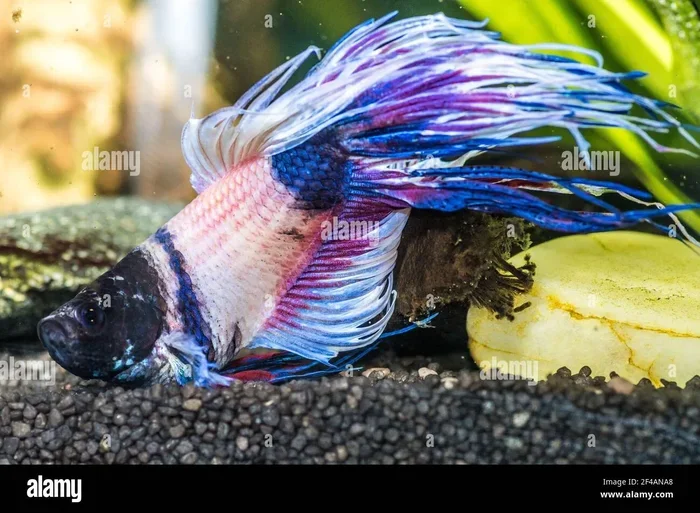
One of the first things you will notice is that your betta’s bright colors start to dull. A young, healthy betta has vivid reds, blues, greens, or turquoise scales. As the fish ages, those colors fade. The body may look more pale or washed out. Some older bettas develop a white or grayish tint along their fins and body.
This color loss happens because the fish’s cells naturally slow down pigment production. It is not a sign of illness on its own, but it does mean your fish is getting up there in age. If the fading happens very quickly, though, it could be a sign of stress or disease, which is different from normal aging.
Body Shape Changes
Old bettas often look different in shape compared to younger fish. Their bodies may become thinner or more sunken. Some older fish develop a curved spine or a slightly hunched back. The belly might look smaller or less rounded than it used to be.
These body changes happen because the fish’s metabolism slows down and muscles lose tone over time. As long as your fish is still eating and swimming, slight body changes are normal. But if the body looks very thin or the fish seems to be losing weight fast, you should investigate further.
Fin Deterioration
Betta fins are one of the most beautiful parts of the fish, and aging takes a toll on them. Older bettas often have fins that look torn, ragged, or shorter than before. The webbing between the fin rays may thin out. Some fish develop split fins or fins that curl at the tips.
Fin deterioration in senior bettas is usually a slow process. If you notice sudden fin damage or redness at the base of the fins, that is more likely fin rot or an infection, which needs quick treatment. You can learn more about treating fin problems in our article on how to treat betta fish fin loss.
Behavior Changes in Aging Betta Fish
Behavior changes are one of the clearest ways to tell if your betta is getting old. Fish cannot tell us when they feel different, so watching how they act is the best clue we have. Many of these behavior shifts are completely normal for senior fish.
Less Energy and Slower Movement
A young betta fish is full of energy. It flares its fins, swims around the tank, and explores every corner. An old betta, on the other hand, slows down. It may spend more time resting near the bottom of the tank or hovering in one spot. Swimming becomes slower and less enthusiastic.
This drop in activity is a natural part of aging. Just like older dogs and cats, senior fish need more rest. If your betta still comes to the surface to eat and reacts to your presence, the lower energy level is probably just age. But if the fish stops moving altogether or seems completely unresponsive, that is a warning sign you should not ignore.
Changes in Eating Habits
Appetite changes are another common sign of an aging betta. Some older fish eat less than they used to. They might skip meals or only nibble at food instead of eating eagerly. Others may stop showing interest in food entirely for short periods.
A slight decrease in appetite is normal with age. But if your betta refuses to eat for more than two or three days, something else could be going on. Loss of appetite can signal illness, poor water conditions, or stress. If you are dealing with a betta that won’t eat, our article on what to do if my betta fish won’t eat has helpful advice.
Staying Near the Bottom of the Tank
Many aging bettas spend more time near the bottom of the tank. They may rest on the gravel or hide behind decorations. This behavior is not always a cause for concern. Older fish simply do not have the energy to swim to the top as often.
However, staying at the bottom for long periods can also be a sign of swim bladder disease or other health issues. If your fish seems to be struggling to stay upright or keeps floating sideways, that is different from simply resting at the bottom. In that case, it is wise to check for illness and consider treatment options.
Reduced Interest in Flaring and Exploring
Young bettas are curious. They flare at their own reflection, chase food, and explore every part of the tank. An old betta loses interest in these activities. It may not flare when it sees another fish or react to movement outside the tank. This calmness is a normal part of getting older.
Think of it like a grandparent who prefers a quiet afternoon over a busy day. Your fish is not bored. It is just content to take things slow. As long as the fish is still alert when it is time to eat, this reduced curiosity is nothing to worry about.
Health Issues Common in Senior Bettas
Aging weakens the immune system, which makes older bettas more vulnerable to diseases. Understanding these common health issues helps you catch problems early and get your fish the right treatment.
Fin Rot and Infections
Fin rot is one of the most common problems in aging bettas. The fins start to look ragged and may develop white or black edges. In severe cases, the fins can melt away entirely. Bacterial and fungal infections often target older fish because their bodies are less able to fight off germs.
Keeping the water clean is the best prevention. Regular water changes and a good filter make a huge difference. If you notice signs of fin rot, treat it quickly with appropriate medication. The sooner you act, the better the chance of recovery.
Swim Bladder Problems
The swim bladder controls your betta’s buoyancy. When it malfunctions, the fish may float upside down, sink to the bottom, or struggle to stay upright. Swim bladder issues are common in older fish because the organ naturally wears down over time.
You can help by feeding your betta easy-to-digest foods and soaking pellets before offering them. Avoid overfeeding, which puts extra strain on the swim bladder. If the problem persists, check the water parameters to make sure nothing in the tank is making things worse.
White Spot Disease (Ich)
Ich is a parasitic infection that shows up as tiny white dots on the fish’s body and fins. Older bettas are more likely to get ich because their immune system is weaker. Stress from aging makes it harder for the fish to fight off the parasite.
If you spot white spots, act fast. Ich spreads quickly and can be fatal if left untreated. Raising the tank temperature slightly and using medication designed for ich can help clear the infection. Learn more about treating this condition in our guide on how to treat ich on a betta fish.
Belly Swelling and Dropsy
An aging betta may develop a swollen belly. This can be caused by constipation, overfeeding, or a more serious condition called dropsy. Dropsy causes the scales to stick out and gives the fish a pinecone-like appearance. It is a serious condition that is often difficult to treat in older fish.
If you notice swelling, reduce feeding and check the water quality immediately. Sometimes a short fast followed by easy-to-digest food helps with simple bloating. But if the swelling does not go down, consult a fish veterinarian or experienced aquarist for guidance.
How to Care for an Old Betta Fish
Caring for a senior betta is different from caring for a young one. Older fish need extra attention to stay comfortable and healthy. The good news is that a few simple changes to your routine can make a big impact.
Keep the Water Warm and Clean
Warm, clean water is the foundation of good betta care at any age, but it matters even more for older fish. Use a heater to keep the temperature steady between 78 and 80 degrees Fahrenheit. Cold or fluctuating water stresses the fish and weakens its immune system.
Perform regular water changes, about 25 to 30 percent every week. Use a water conditioner to remove chlorine and chloramine from tap water. Clean gravel and remove uneaten food to prevent ammonia buildup. A clean tank is one of the best things you can do for an aging betta.
Adjust the Diet for Senior Fish
Older bettas have different nutritional needs than younger fish. Their metabolism slows down, so they need fewer calories but still require high-quality nutrition. Switch to small, easily digestible foods like soaked pellets, frozen bloodworms, or brine shrimp.
Feed smaller amounts more frequently rather than one large meal. This is easier on the digestive system and helps prevent bloating. Avoid overfeeding, which can lead to constipation and water quality problems.
Create a Low-Stress Environment
Stress is hard on any fish, but it hits older bettas especially hard. Keep the tank in a quiet area of your home away from loud noises and direct sunlight. Avoid bright or flashing lights. Use gentle, dim lighting that mimics the fish’s natural habitat.
Add soft plants and hiding spots so your betta feels safe. Avoid aggressive tank mates. A senior betta does best in a peaceful, calm environment where it can rest without feeling threatened. If you want tips on setting up a comfortable home, check out our article on how to set up a fish tank for betta fish.
Monitor Your Fish Daily
Daily observation is one of the most powerful tools you have for keeping an old betta healthy. Spend a few minutes each day watching your fish. Look for changes in color, appetite, swimming patterns, and breathing rate. Catching problems early gives you the best chance to address them before they become serious.
Keep a simple log of your fish’s behavior and any changes you notice. This helps you spot trends over time and gives you useful information if you ever need to consult a vet or experienced fish keeper.
When to Seek Help for Your Aging Betta
Knowing the difference between normal aging and a health problem is not always easy. Some signs of old age look very similar to signs of illness. The key is to pay attention to how quickly changes happen and how severe they are.
Normal aging is slow and gradual. Your betta slowly moves less, eats a little less, and looks slightly paler over weeks and months. Illness, on the other hand, tends to show up quickly and gets worse fast. If your fish suddenly stops eating, develops white spots, starts floating oddly, or shows signs of distress, those are red flags that need immediate attention.
If you are unsure whether your betta is just aging or actually sick, it is always better to check. You can find more information on identifying illness in our guide on how to tell if my betta fish is sick. And if the situation seems serious, do not wait. Reach out to a fish health expert or a knowledgeable veterinarian who treats exotic animals.
Sometimes the kindest choice is to focus on comfort rather than aggressive treatment. Senior fish deserve a peaceful, warm, clean environment where they can enjoy their remaining time without stress. Giving your old betta that quality of life is one of the best things you can do as a fish owner.
Conclusion
Now you know how to tell if betta fish is old. From fading colors and slower movement to changes in appetite and fin condition, the signs of aging are there if you know what to look for. Understanding these signs helps you provide the right care and make your senior betta’s remaining years comfortable and happy.
Aging is a natural part of life for every pet, and betta fish are no different. The love and attention you give your older fish make a real difference. Keep the water clean, the temperature warm, the food appropriate, and the environment stress-free. These simple steps go a long way in supporting a happy, healthy old betta.
Remember, every day you spend with your betta is a gift. Whether you have a young fish just starting its life or a senior companion entering its final years, the care you provide matters. Enjoy the journey and keep learning more about your amazing betta fish.
Frequently Asked Questions
How old is a betta fish when it is considered old?
Most bettas are considered senior once they reach around three to four years old. At this stage, you may start to notice physical and behavior changes that signal the fish is aging. With excellent care, some bettas live past five years and show fewer signs of old age.
Can you tell how old a betta fish is?
It is hard to pinpoint an exact age, but you can estimate based on size, color vibrancy, and behavior. Younger bettas are more colorful and active, while older fish show signs like faded colors, slower movement, and reduced appetite. If you want more details, our article on can you tell how old a betta fish is covers this topic in depth.
Is my old betta fish dying or just aging?
Aging is gradual, while dying from illness tends to happen more quickly. If your fish stops eating for days, develops unusual spots, floats oddly, or breathes rapidly, those are signs of illness rather than normal aging. Learn more about the differences in our guide on how can you tell if your betta fish is dying.
What should I feed an old betta fish?
Feed small amounts of easily digestible food like soaked pellets, frozen bloodworms, or brine shrimp. Avoid overfeeding and skip one day of feeding per week to help prevent constipation. Older fish have slower metabolisms, so less food more often works best.
Can you treat sickness in an old betta fish?
Yes, many illnesses in older bettas can be treated if caught early. The key is to act quickly and identify the problem correctly. Common treatments include water changes, medication for infections, and adjusting the tank temperature. For help with a sick fish, check out our article on how to help a betta fish that is sick.
How can I make my old betta fish more comfortable?
Keep the water warm and clean, reduce tank lighting, add soft plants and hiding spots, and avoid loud noises or sudden movements. A calm, peaceful environment helps senior bettas feel safe and reduces stress. Small adjustments to the daily routine can greatly improve your old fish’s quality of life.