How to Breed Betta Fish Youtube

Ready to turn your betta hobby into a YouTube sensation? This guide walks you through setting up the perfect breeding tank, spotting the right pair, filming the process, and caring for fry—all in friendly, easy‑to‑follow language. Start creating captivating content while raising healthy bettas today!
Key Takeaways
- Proper tank setup: A separate 10‑gallon breeding tank with gentle filtration and stable temperature is essential.
- Identify gender early: Use fin shape and body size to tell male from female before filming.
- Stimulate spawning: Adjust water temperature and provide a flat “bubble nest” surface for the male.
- Film like a pro: Use steady lighting, macro lenses, and short clips to keep viewers engaged.
- Care for fry: Remove parents, feed infusoria, and gradually raise water parameters.
- Safety first: Keep water quality high to prevent disease that could ruin both fish and footage.
- Promote your channel: Add clear titles, timestamps, and links to related betta care articles.
📑 Table of Contents
- Introduction: From Hobbyist to YouTube Breeder
- 1. Setting Up the Perfect Breeding Tank
- 2. Picking the Right Pair: Gender Identification
- 3. Triggering the Spawn: Conditions and Timing
- 4. Filming Tips: Turning Breeding Into Engaging Content
- 5. Caring for the Fry: From Eggs to Juveniles
- 6. Growing Your Channel: Engagement and Community
- Conclusion: Turn Passion into Content
Introduction: From Hobbyist to YouTube Breeder
Betta fish are tiny, colorful, and full of personality—perfect for a YouTube channel that wants eye‑catching visuals and interesting stories. But before you hit “record,” you need a solid plan that covers both the science of breeding and the art of filming. This article shows you how to breed betta fish YouTube style, from tank prep to post‑production tips, all while keeping your fish healthy and happy.
Whether you’re a complete beginner or have a few tanks already, the steps below will help you create compelling videos that attract viewers and, more importantly, produce healthy fry. Let’s dive in!
1. Setting Up the Perfect Breeding Tank
Choose the Right Size and Shape
A 10‑gallon (38‑liter) tank is the sweet spot for a breeding pair. It’s large enough to give each fish space, yet small enough to maintain stable water parameters. Avoid long, narrow tanks; a square or rectangular shape gives you better filming angles.

Visual guide about How to Breed Betta Fish Youtube
Image source: m.media-amazon.com
Essential Equipment
- Heater: Keep the water at 78‑80°F (25‑27°C). A stable temperature triggers spawning.
- Filter: Use a gentle sponge filter to avoid sucking up eggs or fry.
- Cover: A clear acrylic lid prevents jumps while still allowing you to film from above.
- Lighting: Soft white LED lights (6500 K) provide clear video without stressing the fish.
- Bubble Nest Surface: Place a small piece of slate or a smooth leaf for the male to build his nest.
Water Quality Basics
Start with conditioned tap water. Test for ammonia, nitrite, and nitrate; all should be at zero before introducing fish. A pH of 6.5‑7.5 works well. For YouTube creators, a clear water column looks better on camera, so run a carbon filter for extra clarity.
Link to Related Content
Need a deeper dive into tank setup? Check out our guide on how to set up betta fish tank for detailed step‑by‑step instructions.
2. Picking the Right Pair: Gender Identification
How to Tell Male from Female
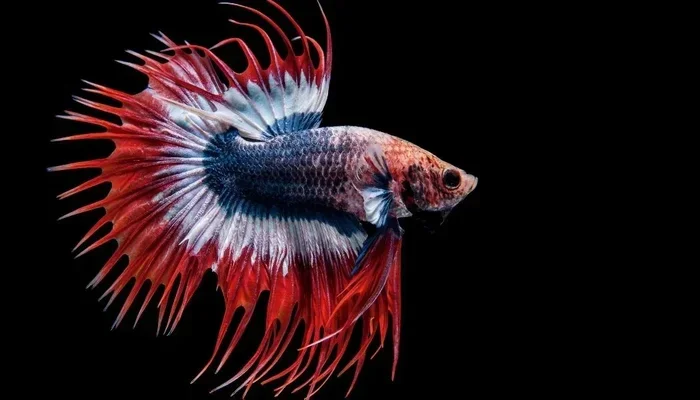
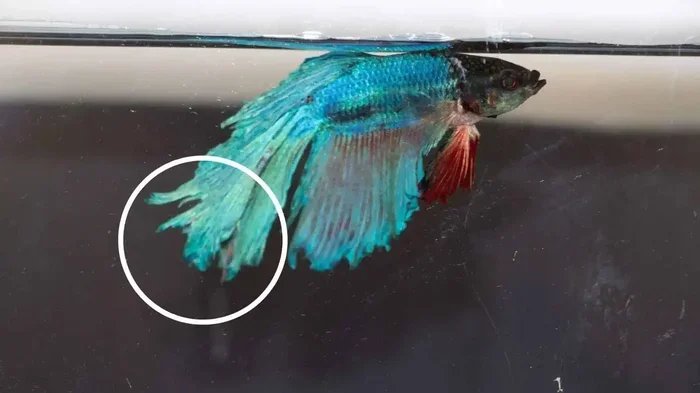
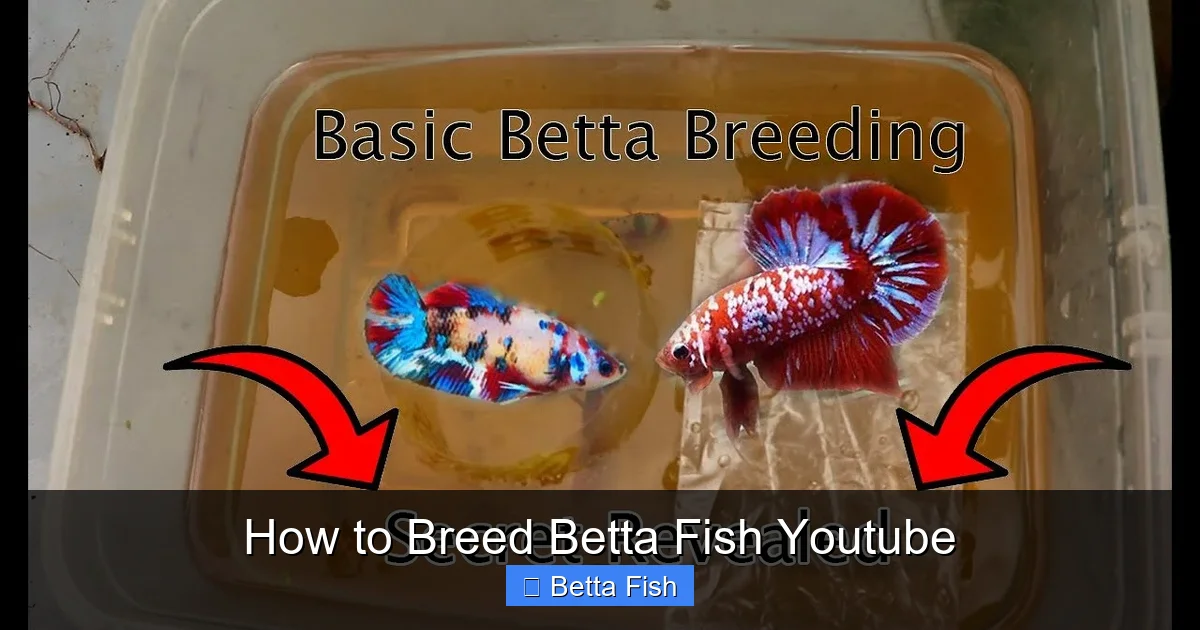
Male bettas flaunt long, flowing fins and a broader, more vivid body. Females have shorter fins, a smaller head, and may display a “egg spot” (a small white dot) near the vent. Use a magnifying glass and compare side‑by‑side photos for accuracy.
Visual guide about How to Breed Betta Fish Youtube
Image source: i.ytimg.com
Health Checks Before Filming
Inspect both fish for signs of fin rot, dropsy, or parasites. Healthy fish not only breed better but also look better on screen. If you spot any issues, treat them first—see our article on how to treat dropsy in betta fish for quick solutions.
Acclimating the Pair
Place each fish in a separate quarantine tank for a few days to monitor health. Then, use the “net transfer” method to introduce them to the breeding tank. Keep the lights dim for the first hour to reduce stress.
3. Triggering the Spawn: Conditions and Timing
Temperature and Light Cycle
Raise the temperature to 80°F (27°C) for 48 hours before spawning. Simulate a natural sunrise by turning lights on gradually over 30 minutes each morning.
Visual guide about How to Breed Betta Fish Youtube
Image source: cbu01.alicdn.com
Feeding to Encourage Breeding
Offer high‑protein foods like bloodworms, brine shrimp, and quality betta pellets twice daily. A well‑fed male will be more vigorous in building his bubble nest.
Creating the Bubble Nest
The male will surface and release bubbles that stick together, forming a floating platform. Position your camera to capture this from a side angle; viewers love seeing the nest form in real time.
Spawning Process
When the female is ready, she will display a “vertical” posture and the male will wrap his fins around her. After the “embrace,” the female releases eggs (usually 20‑30) which the male immediately gathers into the nest. This whole ritual lasts about 5‑10 minutes—perfect for a short, dramatic clip.
4. Filming Tips: Turning Breeding Into Engaging Content
Equipment You’ll Need
- Smartphone or DSLR with macro capability.
- Tripod or flexible arm mount for steady shots.
- Softbox or diffuser for even lighting.
- External microphone (optional) for capturing subtle sounds.
Shot List for a Complete Video
- Tank Overview: Wide shot of the setup, highlight equipment.
- Male Introduction: Close‑up of the male’s fins and bubble nest.
- Female Introduction: Show the female’s size and egg spot.
- Spawning Sequence: Time‑lapse of the embrace and egg collection.
- Post‑Spawn Care: Removing the female, cleaning the tank.
- Fry Development: Daily updates on growth.
Editing for Viewer Retention
Keep each segment under 30 seconds. Add captions that explain what’s happening (“Male builds bubble nest”). Use jump cuts to remove boring pauses, but retain enough footage to show the natural flow.
SEO and Titling
Include the keyword “how to breed betta fish youtube” in the video title, description, and tags. Example: “How to Breed Betta Fish YouTube Style – Complete Guide for Beginners.” This boosts discoverability on both YouTube and Google.
5. Caring for the Fry: From Eggs to Juveniles
Removing the Parents
After the eggs are safely in the nest, gently net out the female and place her in a separate recovery tank. The male may stay for a few hours to guard the nest, then be moved to a holding tank to prevent him from eating the fry.
Hatching and First Feeding
Eggs hatch in 24‑36 hours at 78‑80°F. The fry will absorb their yolk sac for the first 2‑3 days. Start feeding infusoria (tiny protozoa) using a syringe or dropper. As the fry grow, introduce microworms and then finely crushed betta pellets.
Water Changes and Disease Prevention
Perform 25% water changes daily for the first week, using water at the same temperature and pH. Keep an eye out for fungal growth on eggs; a light dip in diluted methylene blue can save them.
Growth Milestones
- Day 5‑7: Fry begin swimming actively.
- Day 10‑14: First true fins appear; start weaning to brine shrimp.
- Day 21‑30: Fry can handle small betta pellets.
Link to Further Breeding Details
For a deeper dive into fry rearing, read our article on how to reproduce betta fish, which covers long‑term care and selective breeding.
6. Growing Your Channel: Engagement and Community
Consistent Posting Schedule
Upload a new video at least once a week. Mix “how‑to” content with updates on your current breeding project to keep viewers hooked.
Interactive Elements
- Polls: Ask viewers which color morph to breed next.
- Live Q&A: Host a stream while feeding fry.
- Comments: Encourage questions about tank setup or fish health.
Cross‑Promotion
Link back to your blog posts in the video description. For example, reference our guide on how to tell the gender of a betta fish for viewers who need help identifying their pair.
Monetization Tips
Once you reach 1,000 subscribers, enable YouTube Partner Program ads. Additionally, affiliate links to aquarium supplies (heaters, filters) can generate extra revenue.
Conclusion: Turn Passion into Content
Breeding betta fish YouTube style blends careful husbandry with creative storytelling. By setting up a proper tank, selecting a healthy pair, mastering the spawning ritual, and filming each step with simple gear, you’ll produce videos that both educate and entertain. Remember to keep water parameters stable, treat any health issues promptly, and engage your audience with clear, concise updates. With patience and practice, your channel will thrive just as your bettas do.
Frequently Asked Questions
What size tank is best for breeding betta fish on camera?
A 10‑gallon (38‑liter) tank provides enough space for a pair while keeping water conditions stable and allowing clear filming angles.
How can I tell if my betta fish is male or female?
Males have longer, flowing fins and a broader body, while females display shorter fins and an “egg spot” near the vent. See our detailed guide on gender identification for more tips.
Do I need special lighting for filming betta breeding?
Soft white LED lights (around 6500 K) give a bright, natural look without stressing the fish. Avoid harsh shadows by using a diffuser.
What should I feed the fry after they hatch?
Start with infusoria for the first few days, then move to microworms and finely crushed betta pellets as the fry grow.
How often should I change the water during the fry stage?
Perform 25% water changes daily for the first two weeks, matching temperature and pH to avoid shocking the fry.
Can I keep the male betta in the tank after spawning?
It’s best to remove the male after the eggs are safely in the bubble nest to prevent him from eating the fry. Transfer him to a separate holding tank.