How to Put Down a Sick Betta Fish
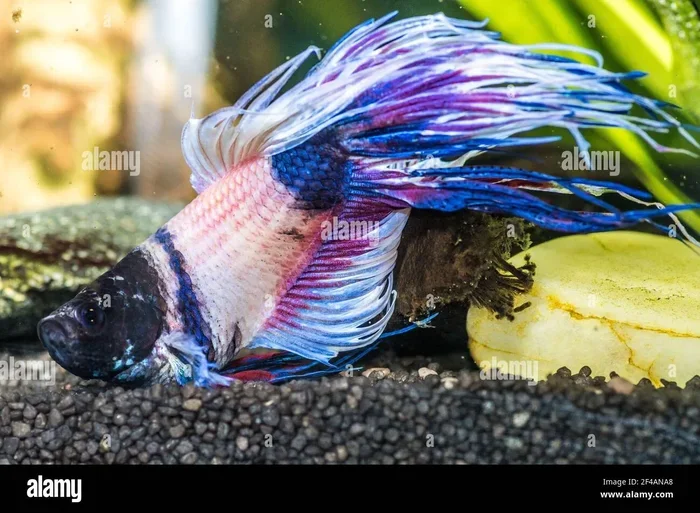
Knowing how to put down a sick betta fish is one of the hardest but most caring decisions a fish owner can make. This guide covers the signs that indicate your betta is suffering, the most humane euthanasia methods, and how to handle the process with compassion. You will learn when treatment is no longer working and how to ensure your fish passes peacefully.
Watching your betta fish decline is heartbreaking. You want to do the right thing, but the process of putting down a sick betta fish feels overwhelming. This guide walks you through every step with clarity and compassion.
Many fish owners avoid this topic until it is too late. That is exactly why we created this resource. Whether your betta is showing signs of a serious illness or has been suffering despite treatment, understanding your options makes a difficult time a little easier.
We will cover the signs of a dying betta fish, the most humane euthanasia methods, and how to handle the situation with dignity. You will also find practical tips for preparation and emotional support during this tough experience.
Key Takeaways
- Recognize the Signs: Learn the physical and behavioral signs that your betta fish is suffering and may be near the end of its life.
- Humane Methods Exist: Clove oil and baking soda are two of the most widely recommended and gentle ways to euthanize a betta fish at home.
- Know When to Act: Timing matters. Putting down a sick betta fish too late can prolong unnecessary suffering.
- Prepare in Advance: Having the right supplies and knowledge ready helps the process go smoothly when the moment comes.
- Disposal Matters: Learn how to safely and respectfully handle your betta fish after the process is complete.
- Grief Is Normal: Losing a pet fish is real loss. Give yourself permission to grieve and remember the good times.
📑 Table of Contents
- How to Recognize a Suffering Betta Fish
- When Is It Time to Put Down Your Betta Fish?
- Humane Methods to Euthanize a Sick Betta Fish
- How to Prepare for the Process
- What to Do After Your Betta Fish Passes
- Coping with the Loss of Your Betta Fish
- Common Mistakes to Avoid When Putting Down a Sick Betta Fish
- Quick Tips for a Peaceful Process
- Conclusion
How to Recognize a Suffering Betta Fish
Before you decide to put down a sick betta fish, you need to understand the signs of genuine suffering. Not every illness means the end is near. Some conditions are treatable with proper care.
Physical Signs of a Sick Betta Fish
- Loss of color: Your betta looks pale, faded, or develops white patches on its body.
- Clamped fins: The fins stay tightly closed against the body instead of flowing freely.
- Labored breathing: The fish breathes rapidly or gasps at the surface constantly.
- Inability to swim: The betta floats uncontrollably, sinks to the bottom, or drifts sideways.
- Visible sores or swelling: Open wounds, bloating, or inflamed areas do not respond to treatment.
- Loss of appetite: The fish refuses food entirely for several days, even favorite foods like bloodworms.
Behavioral Signs That Something Is Wrong
- Lethargy: The betta stays in one spot for hours and shows no interest in its surroundings.
- Hiding excessively: A normally curious betta that suddenly hides behind decorations or stays motionless.
- Erratic swimming: Twitching, spiraling, or rubbing against tank objects repeatedly.
- Floating at the top or sinking: Inability to maintain normal buoyancy over an extended period.
If you notice several of these signs together and they persist despite treatment, it may be time to consider humane euthanasia. For more information on helping a sick betta before making that decision, check out our guide on how to help a betta fish that is sick.
When Is It Time to Put Down Your Betta Fish?
Making the decision to euthanize a pet fish is never easy. But sometimes it is the kindest choice you can make. The goal is to prevent unnecessary suffering when quality of life has diminished beyond recovery.
Quality of Life Assessment
Ask yourself these honest questions:
- Does my betta still respond to food or show interest in its environment?
- Are treatments and medications improving the condition or just prolonging discomfort?
- Is the fish experiencing pain that cannot be managed with care?
- Has a veterinarian confirmed that recovery is unlikely?
If the answer to most of these questions points toward ongoing suffering, then putting down a sick betta fish may be the most loving choice. Delaying the decision can lead to prolonged distress for your fish and emotional anguish for you.
Consult a Veterinarian if Possible
Before making a final decision, consider consulting a fish veterinarian or an experienced aquatic specialist. They can provide a professional assessment of your betta’s condition. Sometimes what looks like a terminal illness actually has a simple treatment. Other times, the vet will confirm that euthanasia is the most compassionate path forward.
Humane Methods to Euthanize a Sick Betta Fish
There are several accepted methods for humanely putting down a betta fish. The most recommended approaches use gentle, painless techniques that minimize stress during the final moments.
Method 1: Clove Oil Euthanasia
This is widely regarded as one of the most effective and humane methods. Clove oil acts as an anesthetic that gradually slows down the fish’s bodily functions until it passes peacefully.
To use this method, you will need:
- A small container with tank water
- Clove oil (pure, without additives)
- A dropper or small measuring spoon
- A quiet, dimly lit space
Start by placing your betta in the container with fresh water. Add a few drops of clove oil and gently stir. The fish will become drowsy and eventually stop moving as the anesthetic takes effect. Add more clove oil gradually until the fish passes. This process is peaceful and typically takes 15 to 30 minutes.
For a detailed step-by-step guide on using clove oil, read our article on how to put a betta fish down with clove oil.
Method 2: Baking Soda Euthanasia
Baking soda is another widely used method that works by gradually increasing the water’s pH, which causes the fish to lose consciousness gently. This method is accessible since most households already have baking soda on hand.
Steps for the baking soda method:
- Fill a container with about one cup of water from the betta’s tank.
- Add three tablespoons of baking soda and stir until fully dissolved.
- Place the betta gently into the solution.
- Observe the fish. It will start to swim slowly and then become limp.
- Wait at least 20 minutes after all movement stops to confirm the fish has passed.
This method is simple and effective. For additional details and alternatives, you can explore our guide on how to euthanize a betta fish with baking soda.
Method 3: Other Acceptable Methods
Some owners prefer methods that do not involve adding substances to water. The American Veterinary Medical Association (AVMA) recognizes several approved euthanasia techniques for fish. These include:
- Decapitation followed by pithing: A quick method performed by experienced individuals.
- Freezing: Only recommended when combined with an anesthetic first.
- Professional veterinary euthanasia: A vet administers the process in a controlled, clinical setting.
Always avoid harmful methods such as flushing the fish down the toilet, using ice directly on the fish, or exposing it to toxic chemicals. These cause unnecessary stress and pain.
How to Prepare for the Process
Preparing ahead of time helps you stay calm and focused when the moment arrives. Having everything ready reduces stress for both you and your fish.
Gather Your Supplies
Before you begin, make sure you have the following ready:
- Your chosen euthanasia solution (clove oil or baking soda)
- A clean container separate from the main tank
- Tank water from the betta’s current environment
- A quiet, private space where you will not be interrupted
- A small towel or cloth for comfort and cleanup
- A respectful disposal option (more on this below)
Create a Calm Environment
Turn off bright lights and reduce noise around the area. Betta fish are sensitive to their environment, and a calm atmosphere helps them remain relaxed. Some owners like to play soft music or simply sit quietly during the process.
Emotional Preparation
Losing a pet is hard. Give yourself permission to feel whatever emotions come up. Some owners find comfort in saying goodbye to their fish before the process begins. You might speak softly, offer gentle words, or simply sit with your betta for a few quiet moments.
Remember, choosing to end suffering is an act of love, not abandonment. Your betta fish was lucky to have someone who cared enough to make this decision with compassion.
What to Do After Your Betta Fish Passes
The process does not end once your betta has passed. Handling the aftermath respectfully and safely is an important part of saying goodbye.
Confirming Passing
Wait at least 20 to 30 minutes after all movement stops. Check for any gill movement by looking closely at the gills. There should be none. The body will feel limp and the eyes may appear slightly cloudy. This confirms that the fish has passed peacefully.
Safe Disposal Options
You have several respectful options for handling your betta fish’s remains:
- Burial: Bury the fish in a small container or in your garden away from water sources. This is a personal and meaningful option for many owners.
- Trash disposal: Wrap the fish in a paper towel and place it in a sealed bag before putting it in the household trash.
- Veterinary assistance: Some veterinary clinics can handle the remains for you if you prefer not to do it yourself.
Never flush a fish down the toilet, as this can introduce pathogens into local water systems and is not a respectful method of disposal. For more guidance on handling a deceased betta, see our article on how to safely dispose of a dead betta fish.
Cleaning and Sanitizing
After the process, thoroughly clean and sanitize any containers or equipment used. Dispose of the water carefully. If you plan to reuse the betta’s tank, perform a complete water change and clean all surfaces before introducing any new fish.
Coping with the Loss of Your Betta Fish
Grief after losing a pet fish is real and valid. Many people underestimate the emotional bond they share with their betta. These fish have personalities, recognize their owners, and bring daily joy to their lives.
Give Yourself Time to Grieve
Do not dismiss your feelings because the fish was small. The love you felt for your betta was genuine. Allow yourself to mourn, share memories with friends or family, and process the loss at your own pace.
Honor Your Betta’s Memory
Some owners find comfort in creating a small memorial. You might:
- Write a short note about your favorite memories with your betta.
- Take a photo to keep in a memory box or digital album.
- Plant a small flower or plant in honor of your fish.
- Share your experience to help other fish owners who may face the same difficult decision.
When you are ready, remember that caring for another living creature, even briefly, is a beautiful responsibility. The love you gave your betta fish mattered deeply.
Common Mistakes to Avoid When Putting Down a Sick Betta Fish
Making informed decisions helps you avoid common pitfalls during this sensitive process.
Mistake 1: Waiting Too Long
Some owners hold on too long, hoping for a miracle recovery. While hope is natural, prolonging a fish’s suffering when recovery is not possible causes unnecessary pain. Watch for the signs and act with compassion when the time comes.
Mistake 2: Using Inhumane Methods
Never use ice baths, boiling water, alcohol, or toxic chemicals. These methods cause extreme distress and are not considered humane under any circumstances. Stick to the approved methods described in this guide.
Mistake 3: Rushing the Process
Take your time. The euthanasia process should be calm and deliberate. Rushing can cause mistakes or add unnecessary stress. Give yourself and your fish the peace and dignity that both deserve.
Mistake 4: Skipping the Preparation Step
Fumbling for supplies during the process adds to the emotional weight. Having everything ready beforehand allows you to focus on being present for your fish during its final moments.
Quick Tips for a Peaceful Process
- Stay calm: Your betta can sense stress in the water and in your energy. Breathe deeply and move gently.
- Use familiar water: Always use water from the betta’s own tank to reduce stress and shock.
- Dim the lights: A darker environment helps the fish feel safe and relaxed.
- Talk softly: Your voice can be comforting. Speak gently to your betta throughout the process.
- Document if you wish: Some owners find it helpful to write down the date and details for their own records.
- Seek support: Talk to other fish keepers or online communities who understand the bond between owners and their fish.
For broader guidance on putting down a betta fish at home, including additional methods and emotional considerations, visit our comprehensive guide on how to put down a betta fish at home.
Conclusion
Knowing how to put down a sick betta fish is a difficult but important part of responsible fish ownership. When your betta is suffering and treatment is no longer effective, choosing a humane, peaceful method of euthanasia is the most loving thing you can do.
Remember to watch for the signs of suffering, choose a gentle method like clove oil or baking soda, prepare everything in advance, and handle the process with care and compassion. Afterward, give yourself grace to grieve and honor the memory of your little companion.
Your betta fish gave you moments of beauty and joy. Returning that kindness with a painless, peaceful goodbye is the greatest gift you can give in return.
Frequently Asked Questions
How do you know when a betta fish is suffering beyond recovery?
A betta fish is suffering beyond recovery when it shows multiple signs of decline that do not improve with treatment, including loss of color, inability to swim, labored breathing, and complete loss of appetite. If a veterinarian confirms that the condition is terminal and the fish’s quality of life has significantly declined, euthanasia becomes the most compassionate option.
What is the most humane way to euthanize a betta fish at home?
The most humane and widely recommended methods are clove oil euthanasia and baking soda euthanasia. Both methods work gradually to gently sedate the fish and ease it into a peaceful passing without causing pain or distress. These methods are endorsed by aquatic veterinarians and experienced fish keepers worldwide.
Can I use aquarium salt to help a sick betta fish instead of euthanasia?
Yes, aquarium salt baths can help treat certain betta fish illnesses such as fin rot, ich, and mild fungal infections. However, salt treatment is not a solution for terminal or untreatable conditions. If your betta is in the final stages of a disease that cannot be cured, focusing on comfort and humane euthanasia is the kindest path.
How long does the euthanasia process take for a betta fish?
The process typically takes between 15 and 30 minutes depending on the method used. With clove oil, the fish gradually becomes drowsy and stops moving within 10 to 20 minutes. Baking soda acts similarly, with the fish becoming limp and unresponsive within 15 to 25 minutes. Always wait an additional 20 minutes after all movement stops to confirm passing.
Is it normal to feel guilty after putting down a betta fish?
Absolutely. Feeling guilty is a completely normal part of grieving a pet. Many fish owners question whether they made the right decision. Remember that choosing euthanasia was an act of love and compassion. Your betta fish deserved a peaceful ending free from suffering, and you gave that gift with a caring heart.
Can I put my betta fish back in the main tank after it has passed away?
No, you should never return a deceased fish to the main tank. Instead, handle the remains respectfully through burial, proper disposal, or veterinary assistance. Clean and sanitize any equipment used during the process before returning the tank to normal use or introducing any new fish.
===
URL Slug: how-to-put-down-a-sick-betta-fish
SEO Title: How to Put Down a Sick Betta Fish
Meta Title: How to Put Down a Sick Betta Fish Humanely
Internal Links Used: 4 (within the 3-5 limit)