How to Make Male Betta Fish Happy
Making your male betta fish happy is easier than you think. With the right tank setup, proper diet, and a few simple enrichment ideas, you can transform your betta’s life. This guide covers everything you need to know about keeping your male betta healthy and thriving.
If you own a male betta fish, you probably want to see him thrive. A happy betta fish is one that displays vibrant colors, swims with energy, and builds bubble nests regularly. But many owners don’t realize how much effort goes into creating the right environment. Simply dropping your betta into a small bowl is not enough. This guide shows you exactly how to make male betta fish happy in a way that is practical and easy to follow.
The good news is that male bettas respond well to a few key changes. You do not need expensive equipment or years of experience. Whether you are a first-time fish owner or a seasoned hobbyist, these tips will help you create a home your betta will love. Let us dive into the details of male betta fish happiness and what you can do starting today.
Key Takeaways
- Proper tank size matters: A minimum 5-gallon tank gives your male betta room to swim and explore.
- Water quality is critical: Clean, warm water between 76-82°F keeps your betta stress-free and energetic.
- Diet affects mood: A varied diet of high-quality pellets and occasional treats boosts your betta’s health and happiness.
- Enrichment prevents boredom: Plants, caves, and gentle current make the tank a stimulating environment.
- Watch for happiness signs: Bright colors, active swimming, and bubble nests all show your betta is content.
- Avoid common mistakes: Overcrowding, cold water, and poor diet are the top reasons male bettas become unhappy.
📑 Table of Contents
- Understanding Male Betta Fish Behavior
- Setting Up the Perfect Tank for Your Male Betta
- Water Quality and Maintenance
- Feeding Your Male Betta for Optimal Health
- Keeping Your Male Betta Mentally Stimulated
- Preventing Stress and Common Health Issues
- Conclusion: Creating a Happy Life for Your Male Betta
Understanding Male Betta Fish Behavior
Before you can make your betta happy, you need to understand what happiness looks like in a betta fish. Male bettas are known for their long fins and striking colors. They are also territorial and independent by nature. This means they need space and stimulation to stay content.
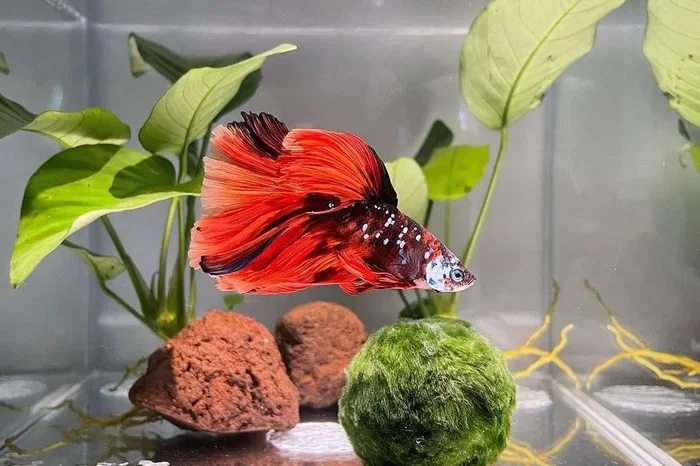
A happy male betta will display bright, vivid colors. He will swim actively around the tank, exploring every corner. You may also notice him building a bubble nest at the surface. This is a strong sign that he feels safe and comfortable. On the other hand, a stressed betta may hide constantly, lose color, or refuse to eat. For more details on recognizing these signals, check out How To Know If Your Betta Fish Is Happy.
Common Signs of a Happy Betta
- Vibrant, intense colors especially on the fins and body
- Active swimming patterns without staying hidden for long periods
- Bubble nest building at the water surface
- Eager response to feeding time and a healthy appetite
- Flared fins occasionally when exploring or seeing his reflection
Signs Your Betta May Be Unhappy
- Dull or fading colors over time
- Staying at the bottom of the tank or hiding in corners
- Loss of appetite or refusing food altogether
- Rapid gilling or gasping at the surface
- Clamped fins held close to the body
Setting Up the Perfect Tank for Your Male Betta
The single most important factor in how to make male betta fish happy is the tank environment. Many people still keep bettas in tiny cups or bowls. While bettas can survive in small spaces, they cannot truly thrive. A proper tank setup makes a massive difference in your fish’s quality of life.
Tank Size Recommendations
A minimum tank size of 5 gallons is ideal for a single male betta. This gives him enough room to swim freely and explore. Tanks smaller than 3 gallons can cause stress over time. The larger the tank, the more stable the water parameters become. This means less work for you and a happier fish.
If you are upgrading from a small bowl, do it gradually. Sudden changes in environment can stress your betta. Learn more about proper tank transitions in How To Transfer Betta Fish To A New Tank.
Essential Tank Equipment
Your male betta’s tank needs a few key pieces of equipment to keep him happy and healthy:
- Heater: Bettas are tropical fish and need warm water. A small aquarium heater set between 76 and 82 degrees Fahrenheit is essential.
- Filter: A gentle sponge filter keeps the water clean without creating too much current. Bettas prefer slow-moving water because of their long fins.
- Thermometer: A simple adhesive thermometer lets you monitor the temperature daily.
- Lighting: A standard aquarium light on a timer helps maintain a natural day-and-night cycle.
Decorations and Enrichment
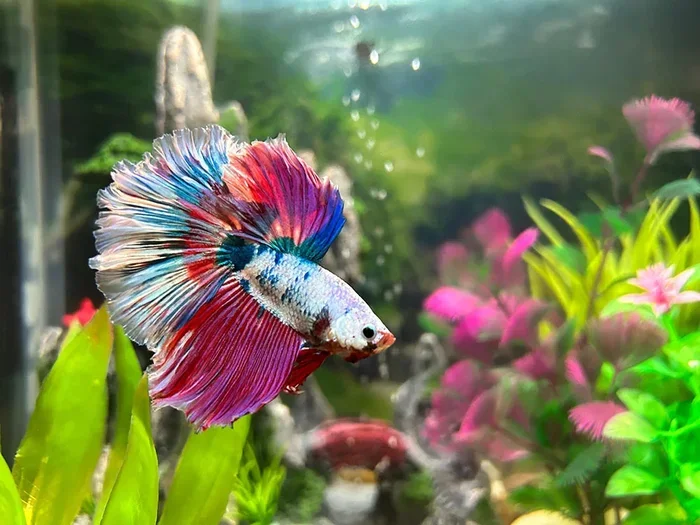
Bettas love to explore. Adding live or silk plants gives them places to hide and rest. Caves, driftwood, and floating logs also provide mental stimulation. Avoid sharp plastic decorations that can tear their delicate fins. A well-decorated tank mimics their natural habitat and reduces stress significantly.
For ideas on creating a planted environment, read How To Setup A Betta Fish Bowl With A Plant.
Water Quality and Maintenance
Clean water is the foundation of a happy betta. Poor water quality leads to illness, stress, and a shortened lifespan. Male bettas are especially sensitive to ammonia and nitrite buildup. Keeping the water pristine should be your top priority.
Water Parameters to Monitor
- Temperature: Keep between 76 and 82 degrees Fahrenheit
- pH Level: Aim for a neutral pH around 7.0
- Ammonia: Should always read 0 ppm
- Nitrite: Should always read 0 ppm
- Nitrate: Keep below 20 ppm
Water Change Schedule
Perform a 25 to 30 percent water change every week. This removes waste buildup and replenishes essential minerals. Always treat new water with a conditioner before adding it to the tank. How To Make Water For Betta Fish is a great resource for preparing safe water for your tank.
Quick Tips for Maintaining Water Quality
- Use a gravel vacuum during water changes to remove debris from the substrate
- Test the water parameters weekly with a liquid test kit
- Never use soap or chemicals when cleaning tank equipment
- Rinse filter media in removed tank water, never tap water
Feeding Your Male Betta for Optimal Health
Diet plays a huge role in your betta’s overall well-being. A well-fed betta is a happy betta. But feeding the wrong foods or overfeeding can lead to serious health problems. Understanding what to feed and how often is key to keeping your fish in top shape.
Best Foods for Male Bettas
A high-quality betta pellet should form the foundation of your fish’s diet. Look for pellets with a protein content of at least 30 percent. In addition to pellets, you can offer variety with frozen or live foods like brine shrimp, bloodworms, and daphnia. This variety keeps your betta interested in food and provides balanced nutrition.
For homemade food options, check out How To Make Betta Fish Food At Home. Making food at home lets you control the ingredients and avoid preservatives.
Feeding Schedule and Portions
Feed your male betta 2 to 3 small meals per day. Each meal should be about the size of his eye. Overfeeding is one of the most common mistakes new owners make. Excess food rots in the tank and pollutes the water, which directly impacts your betta’s happiness and health.
Consider fasting your betta one day per week. This helps prevent bloating and digestive issues. Most bettas handle a weekly fasting day just fine and often come back to eating with more enthusiasm.
Keeping Your Male Betta Mentally Stimulated
Bettas are smarter than many people realize. Without stimulation, they can become bored and lethargic. Mental enrichment is an often-overlooked part of keeping a male betta happy. Simple changes to the tank environment can make a big difference.
Tank Mates and Social Interaction
Male bettas are solitary fish by nature. They do not need companionship in the traditional sense. However, some owners successfully keep bettas with peaceful community fish like tetras or snails. If you choose to add tank mates, make sure the tank is large enough and provides plenty of hiding spots.
Never house two male bettas together. They will fight and can seriously injure each other. For more on this topic, read How To Take Care Of A Betta Male Fish.
Interactive Play and Training
Bettas can learn simple tricks with patience and consistency. You can train your betta to follow your finger, swim through hoops, or eat from your hand. This kind of interaction strengthens the bond between you and your fish and provides mental stimulation.
For detailed training techniques, look at How To Teach Your Betta Fish To Do Tricks. Start with simple targets and use food rewards to encourage participation.
Adding Movement and Current
A gentle current from a small air stone or sponge filter gives your betta something to swim against. This mimics natural water movement and provides low-impact exercise. Some bettas enjoy playing with the bubbles from an air stone, chasing them around the tank.
Preventing Stress and Common Health Issues
Stress is the enemy of a happy betta. When a betta is stressed, his immune system weakens, making him vulnerable to disease. Preventing stress should be at the center of your care routine.
Common Stressors to Avoid
- Small tanks: Tanks under 3 gallons cause chronic stress
- Cold water: Temperatures below 75 degrees can make your betta sluggish
- Bright lights all day: Bettas need a dark period for rest
- Loud noises or vibrations: Place the tank away from speakers and high-traffic areas
- Aggressive tank mates: Fin-nipping fish can terrorize a betta
- Inconsistent feeding: Irregular schedules cause anxiety
How to Strengthen Your Betta’s Health
Beyond avoiding stressors, actively building your betta’s health goes a long way. Regular water changes, a balanced diet, and a clean tank environment all contribute to a stronger, happier fish. For tips on building your betta’s resilience, visit How To Make Your Betta Fish Stronger.
If your betta is recovering from illness, the road to happiness requires patience. Follow treatment plans carefully and maintain pristine water conditions throughout recovery. A healthy betta is a visibly happier betta.
Conclusion: Creating a Happy Life for Your Male Betta
Making your male betta fish happy comes down to a few consistent habits. Provide a spacious tank with clean, warm water. Offer a varied and appropriate diet. Add decorations and enrichment to keep him mentally stimulated. Watch for signs of stress and address problems quickly. These steps form the foundation of excellent betta care.
Remember, your betta depends on you for everything. His environment, his food, and his well-being are all in your hands. When you invest time in understanding his needs, the reward is a vibrant, active, and joyful fish that brings color and life to your home. Start with one or two changes today and build from there. Your male betta will thank you with his bright colors, energetic swimming, and beautiful bubble nests.
For more comprehensive guidance on betta happiness, also explore How To Make Betta Fish Happy for additional tips and strategies.
Frequently Asked Questions
How often should I feed my male betta fish?
Feed your male betta 2 to 3 small meals per day. Each meal should be about the size of his eyeball. Overfeeding is the most common mistake, so stick to small portions and skip one day per week to support digestion.
What tank size is best for a male betta fish?
A 5-gallon tank is the minimum recommended size for a single male betta. Larger tanks provide more stable water conditions and more swimming space. Avoid keeping bettas in tanks smaller than 3 gallons for long-term health.
Can male betta fish live with other fish?
Male bettas are territorial and should not be housed with other male bettas. However, they can sometimes live peacefully with calm community fish like tetras or snails in a tank of 10 gallons or more. Always monitor behavior closely when introducing tank mates.
How do I know if my male betta fish is happy?
A happy male betta displays bright colors, swims actively, builds bubble nests, and eats eagerly. If your betta hides constantly, loses color, or refuses food, these are signs of stress or unhappiness. Check water parameters and tank conditions first.
What water temperature do male betta fish need?
Male betta fish thrive in water temperatures between 76 and 82 degrees Fahrenheit. Use a reliable aquarium heater and thermometer to maintain a stable temperature. Cold water below 75 degrees can make your betta sluggish and prone to illness.
How can I make my male betta fish more active?
Increase tank enrichment with plants, caves, and gentle current. Offer a varied diet with frozen or live treats. Train your betta with simple tricks using food rewards. A clean, well-maintained tank also encourages natural, active behavior.