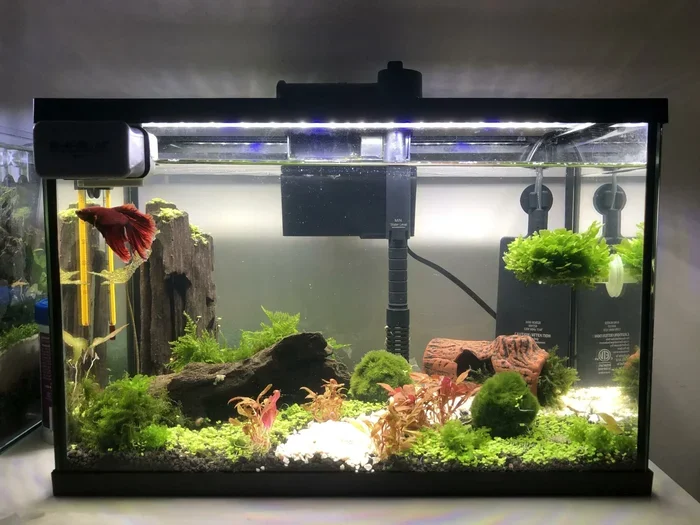
Why Doesn’t My Betta Fish Move

Betta fish that stay still are often signaling stress, illness, or environmental problems. Identify the root cause—whether it’s water quality, temperature, or health issues—and take simple steps to restore your fish’s vitality.
Key Takeaways
- Water quality matters: Poor parameters can make a betta lethargic.
- Temperature is crucial: Betta fish need 76‑82°F (24‑28°C) to stay active.
- Health signs: Spotting disease early prevents prolonged immobility.
- Tank setup: Overcrowding, aggressive tank mates, or inappropriate décor can stress a betta.
- Observation is key: Regularly watch behavior to catch problems before they worsen.
- Simple fixes: A water change, heater adjustment, or diet tweak often revives a sluggish betta.
- Prevention: Proper cycling, regular testing, and a balanced routine keep your betta moving happily.
📑 Table of Contents
- Introduction: When Your Betta Looks Like a Statue
- 1. Water Quality – The Silent Saboteur
- 2. Temperature Troubles – Too Cold or Too Hot?
- 3. Illness and Disease – When Lethargy Signals Trouble
- 4. Tank Setup and Environment – Comfort Matters
- 5. Nutrition and Feeding – Fuel for Activity
- 6. Stress Triggers – The Hidden Factors
- 7. When to Seek Professional Help
- Conclusion: Bring Back the Bounce
Introduction: When Your Betta Looks Like a Statue
Imagine coming home after a long day, only to find your bright‑colored betta lounging at the bottom of the tank, barely moving. It’s unsettling, and you might wonder, “Why doesn’t my betta fish move?” The good news is that most immobility issues have clear causes and easy solutions.
In this guide we’ll walk through the most common reasons a betta becomes still, how to spot early warning signs, and what you can do right now to get your finned friend swimming again. Think of it as a friendly chat over a cup of coffee—simple language, practical tips, and plenty of reassurance.
1. Water Quality – The Silent Saboteur
Why clean water equals an active betta
Betta fish are hardy, but they still need clean, well‑balanced water. High ammonia, nitrite, or nitrate levels can make a betta feel sick and hide. Even a slight shift in pH can cause stress.
How to test and fix water problems
- Test weekly: Use a liquid test kit to check ammonia, nitrite, nitrate, and pH.
- Partial water changes: Swap 25‑30 % of the water every week. This dilutes harmful substances.
- Condition the water: Always treat tap water with a de‑chlorinator before adding it to the tank.
If you notice your betta floating listlessly after a water change, it might be a shock from temperature or chlorine. A quick fix is to ensure the new water matches the tank’s temperature and is fully de‑chlorinated.
2. Temperature Troubles – Too Cold or Too Hot?
Ideal temperature range for bettas
Bettas thrive at 76‑82°F (24‑28°C). Temperatures below 74°F slow metabolism, making the fish sluggish. Conversely, water above 84°F raises the risk of bacterial growth and oxygen depletion.
Keeping the water at the sweet spot
- Use a reliable aquarium heater: A submersible heater with an adjustable thermostat works best.
- Monitor with a digital thermometer: Place the probe near the surface where the betta swims.
- Avoid drafts: Keep the tank away from windows or air vents that cause temperature swings.
When the temperature dips, you’ll often see the betta hover near the heater, seeking warmth. Raise the heater a degree or two and watch the fish become more active within an hour.
3. Illness and Disease – When Lethargy Signals Trouble
Common health issues that cause immobility
Several diseases make a betta stay still:
- Ich (white spot disease): Small white dots appear on the body and fins.
- Fin rot: Frayed, discolored fins that may fall off.
- Swim bladder disorder: The fish floats upside‑down or cannot control depth.
- Velvet disease: A dusty, gold‑brown coating on the skin.
Spotting the signs early
Look for loss of appetite, faded colors, clamped fins, or abnormal swimming. If you see any of these, isolate the betta in a hospital tank and begin treatment according to a reputable guide.
For more on feeding issues that often accompany illness, see our article on Why Did My Betta Fish Stop Eating.
4. Tank Setup and Environment – Comfort Matters
Size, décor, and tank mates
A cramped tank (less than 2.5 gallons) can stress a betta, leading to reduced movement. While bettas can live in small spaces, they need room to explore.
- Tank size: Aim for at least 5 gallons.
- Plants and hiding spots: Live or silk plants give a sense of security.
- Avoid aggressive tank mates: Even peaceful species can harass a betta if the space is limited.
When the tank itself is the problem
If your betta constantly hides behind a décor piece, consider rearranging the tank to create open swimming areas. A cluttered environment can make a betta feel trapped, causing it to stay still.
Read more about compatible companions in Why Can T Betta Fish Be With Other Fish.
5. Nutrition and Feeding – Fuel for Activity
What a healthy diet looks like
Bettas need high‑protein foods: quality pellets, frozen or live brine shrimp, and occasional daphnia. Over‑feeding or feeding low‑quality food can lead to digestive problems and lethargy.
Feeding tips to boost energy
- Feed small amounts: Two to three pellets once or twice a day.
- Include variety: Add a few frozen or live foods twice a week.
- Watch for leftovers: Remove uneaten food after five minutes to keep water clean.
If your betta refuses food, it could be a sign of illness. Check our guide on Why Is My Betta Fish Not Eating for troubleshooting steps.
6. Stress Triggers – The Hidden Factors
Light, noise, and sudden changes
Bright, direct lighting can cause stress. Keep the tank under moderate LED lighting for 8‑10 hours a day. Sudden loud noises or vibrations (e.g., moving the tank) may also startle a betta.
How to create a calm environment
- Cover the tank: A hood reduces glare and external disturbances.
- Maintain a routine: Feed and clean on a consistent schedule.
- Limit reflections: Position the tank away from windows that cause reflections.
7. When to Seek Professional Help
If you’ve checked water parameters, temperature, diet, and tank setup, yet your betta remains motionless, it may be time to consult a veterinarian who specializes in fish. Early professional intervention can save a fish that is suffering from an internal infection or severe swim‑bladder issues.
Conclusion: Bring Back the Bounce
Seeing a betta that doesn’t move can be worrying, but most cases have straightforward solutions. Start by testing the water, confirming the temperature, and scanning for signs of disease. Adjust the tank environment, feed a balanced diet, and reduce stressors. With these steps, you’ll often see improvement within a day or two.
Remember, a healthy betta is an active betta. Regular observation, routine maintenance, and quick responses to changes will keep your finned companion swimming, flaring, and exploring for years to come.
Frequently Asked Questions
Why is my betta fish staying at the bottom of the tank?
This is often a sign of poor water quality, low temperature, or an early stage of illness. Check your water parameters and temperature first.
Can a betta fish be lazy when it’s breeding?
During breeding, a male betta may spend more time guarding the bubble nest and less time swimming. However, he should still be active around the nest.
What does it mean if my betta floats upside‑down?
Floating upside‑down usually points to swim bladder disorder or a bacterial infection. Isolate the fish and consider a gentle fasting period.
Why does my betta hide under decorations?
Hiding can indicate stress from aggressive tank mates, bright lighting, or a new environment. Provide more plants and reduce disturbances.
How often should I change the water for a betta?
Changing 25‑30 % of the water weekly is ideal. For smaller tanks, consider a 10‑15 % change twice a week to keep parameters stable.
Is it normal for a betta to become less active at night?
Yes, bettas are crepuscular and often rest during the night. Dim the lights and ensure the tank is quiet to let them rest peacefully.