How to Setup a Betta Fish Bowl with a Plant
Setting up a betta fish bowl with a plant is easier than you think. This guide walks you through choosing the right bowl, picking safe live or artificial plants, and creating a thriving mini‑aquarium for your betta. Follow the practical tips and enjoy a vibrant, low‑maintenance home for your fish.
Key Takeaways
- Right bowl size matters: A minimum of 2‑gallon capacity gives your betta space to swim and reduces waste buildup.
- Live plants are beneficial: They improve water quality, provide hiding spots, and mimic a natural environment.
- Choose non‑toxic plants: Anubias, Java fern, and Marimo moss are safe and low‑maintenance for bettas.
- Proper substrate helps roots: Use fine gravel or sand to anchor plants and keep the bowl tidy.
- Regular maintenance is key: Weekly water changes, trimming, and monitoring keep the ecosystem stable.
- Lighting and temperature: A low‑watt LED and a heater set at 78‑80°F create ideal conditions.
- Decor and enrichment: Add caves, driftwood, or safe ornaments to reduce stress and encourage natural behavior.
📑 Table of Contents
Introduction: Why Add a Plant to Your Betta Bowl?
Betta fish are famous for their bright colors and fancy fins, but they also love a bit of greenery. In the wild, bettas live among rice paddies, floating leaves, and tangled roots. Adding a plant to a betta fish bowl gives them a taste of that natural world.
Plants do more than look pretty. They absorb nitrates, produce oxygen, and give your betta places to rest. The result is a healthier fish and a calmer, more attractive display for you.
1. Choosing the Right Bowl
Size and Shape
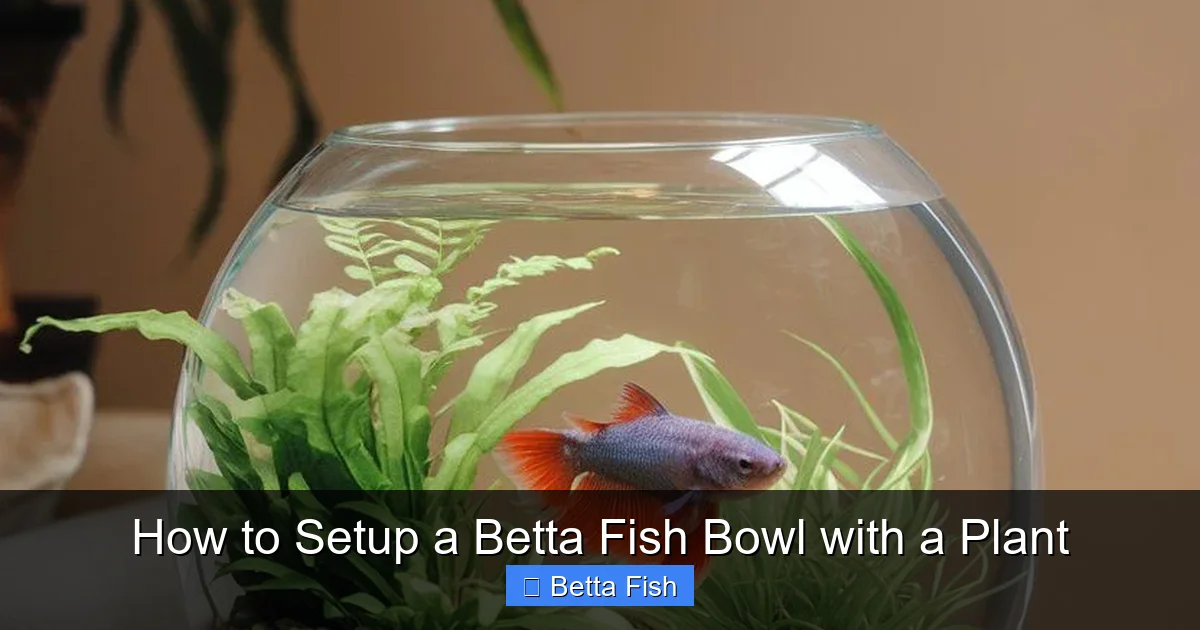
Even though many people start with a tiny glass bowl, a 2‑gallon (8‑liter) bowl is the sweet spot. It holds enough water to stay stable and gives your betta room to glide. A wide, shallow shape works best because bettas are surface breathers.

Visual guide about How to Setup a Betta Fish Bowl with a Plant
Image source: img-s-msn-com.akamaized.net
Material
Clear glass or acrylic lets you admire the colors. Acrylic is lighter but can scratch more easily. Whichever you pick, make sure the bowl is clean and free of chips.
Cover and Safety
Bettas love to jump, so a fitted lid or mesh cover is essential. It also keeps dust out and reduces evaporation.
2. Selecting the Perfect Plant
Live vs. Artificial
Live plants are the gold standard. They clean the water, provide natural hiding spots, and look lively. However, if you travel a lot or forget regular maintenance, a high‑quality artificial plant is a safe backup.
Visual guide about How to Setup a Betta Fish Bowl with a Plant
Image source: static.vecteezy.com
Best Live Plants for a Betta Bowl
- Anubias nana: Tough, low‑light, and can be tied to a rock or driftwood.
- Java fern (Microsorum pteropus): Roots, not soil, so it stays clean.
- Marimo moss ball: A fun, floating “plant” that also helps filter water.
- Java moss: Creates a soft carpet for fry or a betta to rest on.
Safe Artificial Options
If you choose plastic, look for plants labeled “aquarium safe” and avoid any with sharp edges. Silicone stems are gentle on delicate betta fins.
3. Preparing the Bowl and Substrate
Rinse Everything
Before anything touches water, rinse the bowl, decorations, and substrate with warm water. No soap! Soap residues can harm your fish.
Visual guide about How to Setup a Betta Fish Bowl with a Plant
Image source: i.pinimg.com
Choosing Substrate
Fine gravel (1‑2 mm) or sand works well. It anchors plant roots and makes the bottom look natural. Spread a thin layer—about an inch deep—so plants don’t get buried.
Planting Live Plants
- Place a small rock or piece of driftwood in the bowl.
- Gently press the plant’s roots into the substrate, making sure the leaves stay above water.
- Use a pair of tweezers to tuck any loose roots.
For floating plants like duckweed, simply sprinkle a few seedlings on the surface and let them spread.
4. Adding Water, Heater, and Light
Water Type
Use conditioned tap water or bottled water free of chlorine and chloramine. A water conditioner neutralizes harmful chemicals in one quick stir.
Temperature Control
Bettas thrive at 78‑80°F (25‑27°C). A small submersible heater with an adjustable thermostat keeps the temperature steady. Check it daily with a reliable thermometer.
Lighting
Plants need light, but too much can encourage algae. A 2‑watt LED on a 10‑hour on/off cycle is perfect. Position the light so it shines across the bowl, not directly into the betta’s hiding spots.
5. Introducing Your Betta
Acclimation Process
Float the sealed bag containing your betta in the bowl for 15 minutes. This lets the water temperature equalize. Then, slowly add a cup of bowl water to the bag every five minutes for another 15 minutes. Finally, gently release the fish into the bowl.
First 24 Hours
Watch your betta closely. He may hide under a leaf or plant for a while—that’s normal. Keep the lid on and avoid sudden movements.
Feeding Basics
Offer a small amount of high‑quality betta pellets once or twice a day. Remove any uneaten food after five minutes to keep water clean. (See our guide on how to feed a betta fish with pellets for more details.)
6. Ongoing Care and Maintenance
Weekly Water Changes
Change 25‑30 % of the water each week. Use a siphon to remove debris from the substrate, then refill with conditioned water at the same temperature.
Plant Care
- Trim dead leaves to prevent decay.
- Rinse floating plants with tank water during water changes.
- If algae appear, reduce light time by an hour.
Cleaning the Bowl
When it’s time for a deep clean, gently remove the betta and plants, scrub the glass with a soft cloth, and replace the substrate if it looks cloudy. For a step‑by‑step cleaning routine, read how to clean a betta fish bowl without filter.
Health Checks
Look for faded colors, clamped fins, or abnormal swimming. Early detection helps you act fast. If you suspect illness, consult a vet or check our article on how to fix a sick betta fish.
Conclusion: A Beautiful, Balanced Mini‑Ecosystem
Setting up a betta fish bowl with a plant creates a win‑win situation. Your betta gets a more natural, stimulating environment, while you enjoy a lively, low‑maintenance display. By choosing the right bowl, safe plants, and following simple maintenance steps, you’ll have a thriving aquarium that both you and your fish love.
Remember, the key is consistency: regular water changes, proper lighting, and attentive observation. With a little care, your planted betta bowl will stay healthy and gorgeous for years to come.
Frequently Asked Questions
What size bowl is best for a betta with a plant?
A minimum of 2 gallons (8 liters) provides enough space for swimming, plant roots, and stable water parameters.
Can I use any plant in a betta bowl?
No. Choose non‑toxic, low‑light plants like Anubias, Java fern, or Marimo moss. Avoid fast‑growing plants that may overrun the bowl.
Do I need a filter if I have live plants?
Live plants do some filtration, but a small sponge filter or regular water changes are still recommended to keep nitrate levels low.
How often should I change the water?
Replace 25‑30 % of the water each week. More frequent changes may be needed if the bowl looks cloudy or smells.
What if algae start to grow?
Reduce the light period by an hour, trim excess plant growth, and make sure you’re not overfeeding.
Can I keep more than one betta in the same planted bowl?
Male bettas are highly territorial and should never share a bowl. A single male or a single female can live happily with plants.