How to Prepare Betta Fish to Breed
Preparing betta fish to breed requires the right conditions, healthy fish, and patience. You will learn how to set up a breeding tank, condition your pair with proper nutrition, and spot the signs that your bettas are ready to spawn. This guide covers everything from selecting the right breeding age to raising betta fry successfully.
Breeding betta fish is one of the most rewarding experiences a fish keeper can have. If you have ever wanted to prepare betta fish to breed, you are in the right place. This guide walks you through every step, from choosing healthy fish to raising tiny fry. You will learn simple tricks that make the process easier and more successful.
Betta fish breeding takes some patience and attention to detail. But with the right setup and a little knowledge, almost anyone can do it. Whether you are a beginner or have kept bettas for years, this article will give you the confidence to start. Let us dive into what it takes to get your bettas ready to breed.
Key Takeaways
- Choose the right age: Betta fish should be at least 4 to 12 months old before breeding for best results.
- Condition the pair: Feed high-quality live or frozen foods for 1 to 2 weeks before introducing them to the breeding tank.
- Set up a proper breeding tank: A 5 to 10 gallon tank with shallow water and a sponge filter creates the ideal environment.
- Watch for nesting behavior: The male betta will build a bubble nest, which is a clear sign he is ready to breed.
- Separate the female after spawning: Removing the female protects her from aggression once the eggs are released.
- Feed betta fry carefully: Infusoria or baby brine shrimp are the best first foods for tiny fry.
📑 Table of Contents
Understanding Betta Fish Breeding Basics
Before you start, it helps to understand how betta fish reproduce. Male bettas build bubble nests at the water surface. These nests hold the eggs once the female releases them. The male then takes care of the eggs and fry until they are free-swimming.
Not all bettas are ready to breed at the same time. Age, health, and water conditions all play a big role. Breeding betta fish works best when both the male and female are in top condition. Let us look at what you need to know before moving forward.
How Old Should Betta Fish Be to Breed?
The ideal breeding age for betta fish is between 4 and 12 months old. Fish that are too young or too old may not breed successfully. If you are unsure about your fish, check out our guide on how old betta fish should be to breed. It covers the signs of a mature fish ready for reproduction.
Male bettas usually mature a bit faster than females. A healthy male will show bright colors and build bubble nests. A ready female will have a visible egg spot on her underside. These are good indicators that your fish are at the right age.
Male vs. Female Betta Fish for Breeding
You need both a male and a female to breed bettas. The male does most of the work, building the nest and guarding the eggs. The female releases the eggs, which the male then fertilizes. Here is a quick comparison:
- Male Betta: Builds the bubble nest, guards the eggs, and cares for fry.
- Female Betta: Releases eggs and should be removed after spawning to keep her safe.
Finding a ready female can sometimes be tricky. Our article on how to find female betta fish ready to breed gives you practical tips to identify the right fish.
How to Prepare the Breeding Tank
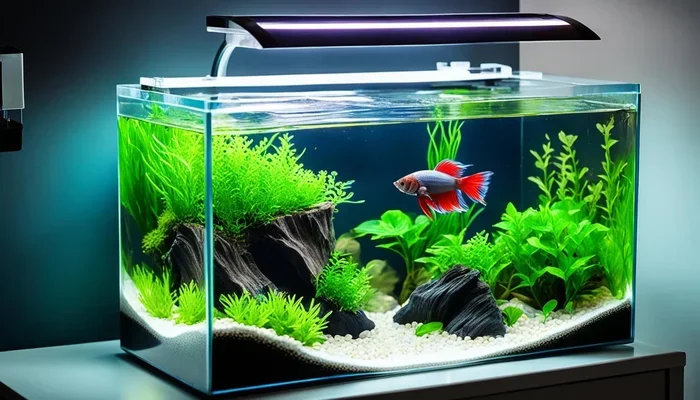
Setting up the right tank is one of the most important steps. A proper environment reduces stress and encourages natural breeding behavior. You do not need a huge tank. A 5 to 10 gallon tank works perfectly for breeding betta fish.
Tank Size and Setup
Keep the water level shallow, around 5 to 6 inches deep. This makes it easier for the male to tend to the bubble nest. Add a sponge filter for gentle water movement. Avoid strong filters because they can destroy the delicate nest.
Add a few floating plants or a spawning mop. These give the female a place to hide if the male becomes aggressive. A heater set to 78 to 80 degrees Fahrenheit keeps the water at the ideal temperature for breeding.
Water Conditions for Breeding
Clean, soft water is key. The pH should be between 6.5 and 7.0. Use water preparation methods that remove chlorine and heavy metals. Always treat tap water with a conditioner before adding it to the tank.
Perform a water change of about 20 percent a few days before introducing the fish. Fresh water signals to the bettas that conditions are good for breeding. Stable parameters make all the difference.
Conditioning the Breeding Pair
Conditioning means feeding your bettas high-quality food for 1 to 2 weeks before breeding. This step is essential for preparing betta fish to breed. Well-fed fish produce healthier eggs and sperm, which leads to better fry survival rates.
Best Foods for Conditioning
Feed your bettas a mix of live and frozen foods during the conditioning period. Here are the top options:
- Bloodworms: Rich in protein and loved by bettas.
- Brine shrimp: Excellent for conditioning both male and female.
- Daphnia: A natural laxative that helps with egg production.
- Betta pellets: Use as a base, but pair with live or frozen foods.
Feed small amounts 2 to 3 times a day. Do not overfeed. Remove any uneaten food after a few minutes to keep the water clean. Over a couple of weeks, you will notice the female becoming rounder with a visible egg spot.
The Breeding Process Step by Step
Once your fish are conditioned and the tank is ready, it is time to introduce the pair. This is an exciting part of the process, but it needs to be done carefully.
Introducing the Pair
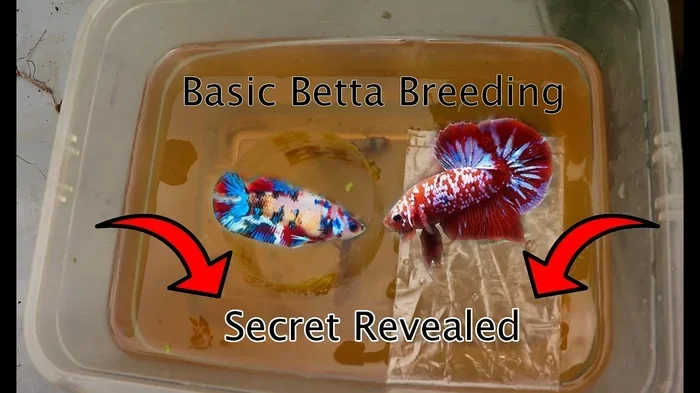
Place the male and female in the breeding tank together. You can use a clear divider at first so they can see each other without physical contact. This helps them get used to each other’s presence without stress.
After a day or two, remove the divider. Watch their behavior closely. The male will start flaring and building or repairing his bubble nest. If the female shows vertical stripes on her body, she is ready to spawn.
Spawning and Egg Collection
The male will wrap his body around the female to collect the eggs. This process may repeat several times. The female will release anywhere from 10 to 500 eggs depending on her size and health.
Once spawning is complete, remove the female immediately. The male will become aggressive and may harm her. He will focus on tending the bubble nest and caring for the eggs alone. For more details on the full process, see our guide on how to breed betta fish.
Raising Betta Fry
After the eggs hatch, you will have tiny betta fry to care for. This stage requires patience and attention. The male will continue to guard the fry in the nest for a few days until they become free-swimming.
First Foods for Betta Fry
Newly hatched fry are too small for regular betta food. Start with infusoria or liquid fry food. After a week, you can introduce baby brine shrimp. These tiny foods are packed with nutrition and are easy for fry to eat.
Feed the fry several times a day in small amounts. Keep the water clean with gentle sponge filtration. Regular water changes of 10 percent every other day help prevent disease.
Moving Fry to a Grow-Out Tank
Once the fry are free-swimming and about a month old, you can move them to a grow-out tank. Separate them by size to prevent larger fry from eating smaller ones. As they grow, you can gradually introduce larger foods like crushed pellets.
Common Mistakes to Avoid
Even experienced hobbyists make mistakes when breeding bettas. Here are some common errors to watch out for:
- Skipping the conditioning phase: Unhealthy fish produce fewer and weaker eggs.
- Using too deep water: Deep water makes it hard for the male to maintain the bubble nest.
- Leaving the female in too long: This can lead to injury from the male’s aggression.
- Poor water quality: Dirty water increases the risk of fungal infections on the eggs.
- Feeding fry too early: Giving fry food they cannot eat leads to waste and poor growth.
Avoiding these mistakes will save you time and heartbreak. A little preparation goes a long way in producing healthy betta fry.
Expert Tips for Breeding Success
Here are some extra tips from experienced breeders that can improve your results:
- Watch the water temperature closely. A stable temperature of 78 to 80 degrees Fahrenheit encourages spawning behavior.
- Use a mirror briefly. Holding a mirror near the tank for a few minutes can trigger the male to flare and build a nest.
- Keep the lights dim. Bright lights can stress the fish and discourage breeding.
- Be patient. Not every attempt will be successful. Even experienced breeders sometimes need multiple tries.
If you want to explore other breeding methods, check out how to breed betta fish in an aquarium for more detailed setup ideas.
Conclusion
Preparing betta fish to breed is a fulfilling journey that starts with the right knowledge and setup. From selecting healthy fish at the proper age to conditioning them with great nutrition, each step matters. A clean breeding tank, stable water conditions, and careful observation of behavior will give you the best chance of success.
Remember to remove the female after spawning and to feed your fry the right foods from day one. With patience and practice, you will be raising healthy betta fry in no time. Start small, learn from each experience, and enjoy the amazing process of bringing new life into your aquarium.
Frequently Asked Questions
How long does it take to prepare betta fish to breed?
The conditioning process takes about 1 to 2 weeks. Setting up the breeding tank may take a few days. Overall, plan for at least 2 to 3 weeks of preparation before introducing the pair.
Can you breed betta fish in a bowl?
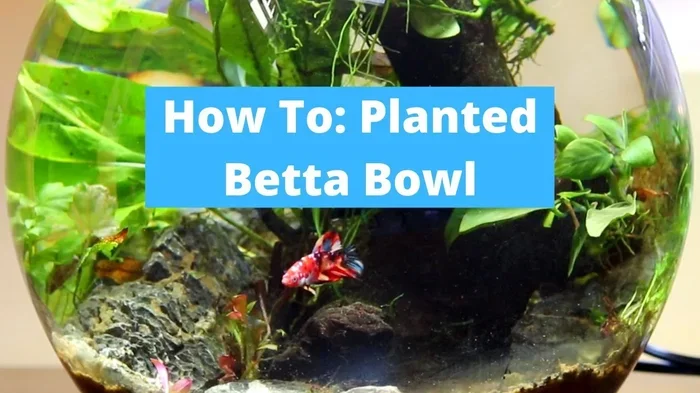
Yes, but a dedicated breeding tank gives much better results. A bowl makes it harder to control water conditions and temperature. If you must use a bowl, keep it clean and warm.
What temperature is best for breeding betta fish?
The ideal temperature is between 78 and 80 degrees Fahrenheit. This range encourages spawning behavior and keeps the bubble nest stable. Use a reliable heater to maintain consistent warmth.
Why is my male betta not building a bubble nest?
This can happen if the fish is too young, stressed, or in poor water conditions. Make sure the tank is clean and warm. Try feeding high-quality live foods to stimulate breeding instincts.
How many eggs does a female betta fish lay?
A healthy female can lay between 10 and 500 eggs per spawning session. The number depends on her size, age, and overall health. Not all eggs will hatch, and that is completely normal.
When should I separate the female after breeding?
Remove the female as soon as spawning is complete. The male may become aggressive and injure her. He will take over caring for the eggs and fry without her help.