How to Prepare for Betta Fish Care
Preparing for betta fish care starts long before you bring your fish home. You need the right tank size, clean water, proper temperature, and essential supplies. This guide walks you through every step so your betta stays healthy and happy from day one.
Getting ready to welcome a betta fish into your home is exciting. But excitement alone won’t keep your fish healthy. How to prepare for betta fish care is a question every new betta owner should ask before the fish even arrives. A little preparation now saves you stress, money, and heartache later.
Betta fish are beautiful, colorful creatures that bring life to any room. They are also more delicate than many people realize. Without the right setup, clean water, and proper diet, even the hardiest betta can fall ill. The good news is that preparing for betta care is not as hard as it sounds.
This guide breaks down every step you need to take. From choosing the right tank to understanding water parameters, you will find everything you need here. Whether you are a complete beginner or someone who has kept fish before, this guide helps you build a safe home for your betta. Let us dive in and make sure you are fully ready.
Key Takeaways
- Choose at least a 5-gallon tank: Bettas need space to swim and stay healthy, not just a small bowl.
- Prepare and cycle your water first: Treat tap water with conditioner and cycle the tank before adding your fish.
- Keep the temperature stable: Bettas thrive in warm water between 76-82°F, so an aquarium heater is essential.
- Stock up on the right supplies: Filter, heater, thermometer, hiding spots, and gentle substrate make a big difference.
- Set up a feeding routine early: High-quality pellets and occasional treats keep your betta well-nourished.
- Avoid common beginner mistakes: Overcrowding, skipping water changes, and using untreated water are top errors to dodge.
📑 Table of Contents
Choose the Right Tank Size
The first step in how to prepare for betta fish care is picking the correct tank. Many pet stores sell bettas in tiny cups or small bowls. This is misleading. Bettas need room to swim, explore, and stay active.
A 5-gallon tank is the minimum size for a single betta. A 10-gallon tank is even better if you have the space. Larger tanks are more stable. They keep water parameters consistent and make maintenance easier. Small bowls and vases restrict your betta’s movement and make it harder to maintain good water quality.
Why Tank Size Matters
Bettas produce waste just like any other fish. In a small tank, ammonia builds up quickly. This toxic substance can harm or even kill your fish. A larger tank dilutes waste and gives your filter more time to process it. Think of it this way: a bigger pool is easier to keep clean than a tiny bucket.
Here is a simple comparison to help you decide:
| Tank Size | Best For | Stability | Maintenance |
|---|---|---|---|
| 1-3 gallons | Not recommended | Low | Very frequent changes |
| 5 gallons | Single betta | Moderate | Weekly water changes |
| 10 gallons | Single betta with plants | High | Bi-weekly water changes |
Always go for the biggest tank you can fit and afford. Your betta will thank you with vibrant colors and lively behavior. For more details on proper care, check out our guide on how to properly care for betta fish.
Set Up the Tank Before Your Fish Arrives
Never bring your betta home to an empty tank. You need a fully set up and cycled aquarium ready to go. Setting up the tank in advance gives beneficial bacteria time to establish. These good bacteria break down harmful toxins in the water.
Step-by-Step Tank Setup
- Rinse the tank with clean water. Do not use soap or detergent.
- Add substrate like fine gravel or sand. Rinse it first to remove dust.
- Install your filter. Choose a gentle filter since bettas do not like strong currents.
- Attach an aquarium heater. Set it to maintain 76-82°F.
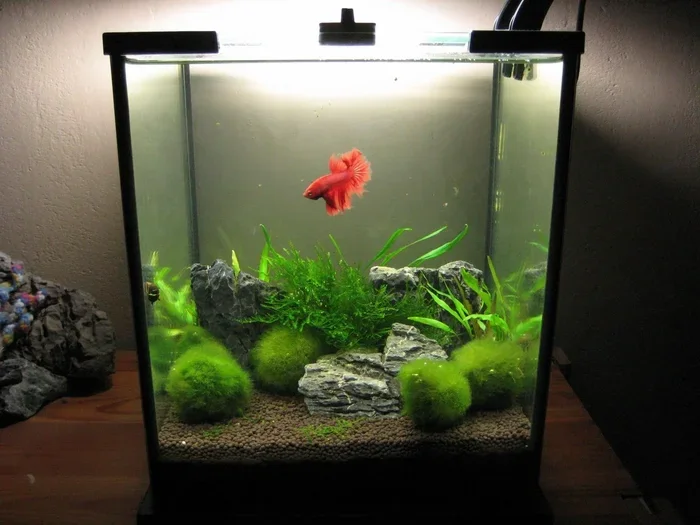
- Add decorations and plants. Provide hiding spots and open swimming areas.
- Fill with treated water. Use a water conditioner to remove chlorine and chloramines.
- Let the tank run for at least 2-4 weeks before adding your betta.
This cycling process is one of the most important parts of how to prepare for betta fish care. Skipping it can lead to ammonia spikes that endanger your fish. Learn more about setting up a tank in our how to set up a fish tank for betta fish article.
Essential Supplies You Will Need
Before your betta arrives, make sure you have everything on hand. Here is a checklist of must-have supplies:
- 5-gallon or larger tank with a lid
- A gentle filter (sponge filters work great)
- An adjustable aquarium heater
- A thermometer to monitor temperature
- Water conditioner to treat tap water
- Substrate (gravel or sand)
- Live or silk plants for hiding and resting
- A net for gentle handling
- A thermometer to monitor temperature
- High-quality betta pellets for feeding
Having everything ready means you can focus on your betta from the moment it arrives. No last-minute store runs or rushed decisions.
Prepare and Treat the Water
Water quality is the foundation of betta fish health. Tap water contains chlorine, chloramines, and heavy metals that are harmful to fish. Treating your water properly is non-negotiable.
How to Treat Tap Water
Use a liquid water conditioner every time you add water to the tank. These products neutralize harmful chemicals instantly. Some conditioners also add beneficial slime coat protectors that help keep your betta healthy. Follow the dosage instructions on the bottle carefully.
For a deeper dive into water preparation, read our article on how to prepare water for betta fish. It covers everything from pH levels to water hardness in simple terms.
Water Parameters to Monitor
Bettas thrive in specific water conditions. Keep these parameters in check:
- Temperature: 76-82°F (24-28°C)
- pH level: 6.5-7.5
- Ammonia: 0 ppm
- Nitrite: 0 ppm
- Nitrate: Below 20 ppm
- Water hardness: Soft to moderately hard (3-10 dKH)
Test your water regularly with a liquid test kit. Test strips are convenient but less accurate. A liquid kit gives you precise readings and helps you catch problems early. Stable water parameters are one of the biggest secrets to a long, healthy betta life.
Create a Comfortable Environment
Your betta’s environment affects its mood, appetite, and overall health. A well-designed tank reduces stress and encourages natural behavior. Stress weakens the immune system and makes fish more prone to disease.
Plants and Decorations
Add live or silk plants to your tank. Bettas love to rest on broad leaves. Live plants like java fern, anubias, and amazon sword provide natural hiding spots and improve water quality. Avoid sharp plastic decorations that can tear your betta’s delicate fins.
Lighting and Cycle
Use a gentle light on a timer. Aim for 8-10 hours of light per day. Too much light encourages algae growth and can stress your fish. Too little light makes the tank dull and can affect plant health if you have live plants.
A consistent day-night cycle also helps regulate your betta’s sleep patterns. Bettas need rest just like we do. Dim the lights in the evening and turn them off at night.
Filtration Without Strong Currents
Bettas are not strong swimmers. They prefer calm water. A hang-on-back filter set to its lowest flow works well. You can also baffle the filter outflow with a sponge or directed spray bar. Sponge filters are an excellent choice because they provide mechanical and biological filtration without creating a strong current.
Remember that how to prepare for betta fish care includes creating a habitat that mimics their natural environment. Calm water, warm temperatures, gentle filtration, and plenty of places to explore and rest are the keys to a happy betta.
Establish a Feeding and Maintenance Routine
A solid routine keeps your betta healthy long-term. Consistency is your best friend when caring for any pet fish.
Feeding Your Betta
Feed your betta high-quality pellets made specifically for bettas. These pellets contain the right protein levels and nutrients. Feed small amounts twice a day. Only give what your fish can eat in two minutes. Overfeeding is one of the most common mistakes new owners make.
You can offer occasional treats like frozen bloodworms or brine shrimp once or twice a week. These add variety and excitement to mealtime. But they should never replace the main diet of quality pellets.
Water Changes and Cleaning
Regular water changes are essential. For a 5-gallon tank, change about 25-30% of the water every week. Use a gravel vacuum to remove debris from the substrate while you change water. Always treat new water with conditioner before adding it to the tank.
For a detailed guide on water changes, visit our how to do a water change for betta fish article. It walks you through the process step by step so you never have to guess.
Common Mistakes to Avoid
- Keeping your betta in a bowl: Bowls are too small and lack proper filtration.
- Skipping the tank cycle: Adding a fish to an uncycled tank is dangerous.
- Overfeeding: Excess food rots and pollutes the water quickly.
- Using untreated tap water: Chlorine and chloramines will harm your fish.
- Placing the tank in direct sunlight: This causes temperature swings and algae blooms.
- Ignoring water tests: Problems build up silently without regular testing.
Knowing what not to do is just as important as knowing what to do. These mistakes are easy to avoid with a little awareness and preparation.
Plan for Long-Term Betta Care
Preparing for betta fish care is not just about the first week. It is about setting up a sustainable routine you can maintain for years. Bettas can live 3-5 years with proper care, and some even reach 7 years or more.
Monitoring and Observation
Spend a few minutes each day watching your betta. Look for changes in appetite, color, energy level, and fin condition. Early detection of problems makes treatment much easier. Catching a health issue early can mean the difference between a quick recovery and a serious illness.
When to Seek Help
If your betta shows signs of illness like clamped fins, white spots, lethargy, or loss of appetite, act quickly. Isolate the fish if needed and test the water parameters. Many common betta diseases are treatable if caught early. Our guide on how to care for sick betta fish offers practical advice for handling health concerns.
Building Your Knowledge
The more you learn about betta care, the better equipped you will be. Read articles, watch videos, and join online betta communities. Sharing experiences with other betta keepers helps you grow as an aquarist and gives your fish the best possible life.
How to prepare for betta fish care is really about building a strong foundation. Get the tank right, treat the water, establish a routine, and stay observant. Everything else flows from these basics. You have the knowledge now to create a thriving home for your betta. The next step is the most rewarding one: watching your fish flourish in the environment you built with your own hands.
Take your time with the setup. Do not rush. A well-prepared tank gives your betta the best possible start in life. And that start makes all the difference. Enjoy the journey of becoming a confident betta keeper. Your fish will be glad you did.
Frequently Asked Questions
What tank size is best for a betta fish?
A 5-gallon tank is the minimum recommended size for a single betta. A 10-gallon tank provides even more stability and room for your fish to explore. Avoid small bowls or vases, as they make it difficult to maintain clean water and stable temperature.
How long should I cycle my tank before adding a betta?
You should cycle your tank for at least 2 to 4 weeks before introducing your betta. This allows beneficial bacteria to establish and break down harmful toxins. Testing your water during the cycle helps confirm it is safe for your fish.
Do betta fish need a heater?
Yes, bettas need a heater to maintain a stable temperature between 76 and 82 degrees Fahrenheit. Room temperature water is often too cool for bettas. An adjustable aquarium heater ensures the water stays warm and consistent.
How often should I change the water in my betta tank?
For a 5-gallon tank, change about 25 to 30 percent of the water every week. Larger tanks may need less frequent changes. Always treat new water with a water conditioner before adding it to the tank.
Can I keep my betta in a bowl without a filter?
While bettas can survive in a bowl, it is not ideal. Bowls lack filtration and are very small, making water quality hard to maintain. A filtered 5-gallon tank is much better for your betta’s health and longevity.
What should I feed my betta fish?
Feed your betta high-quality pellets designed for bettas twice a day. Offer small amounts that your fish can eat in two minutes. You can supplement with frozen bloodworms or brine shrimp once or twice a week as an occasional treat.