How to Prepare Tap Water for Betta Fish Aquariam
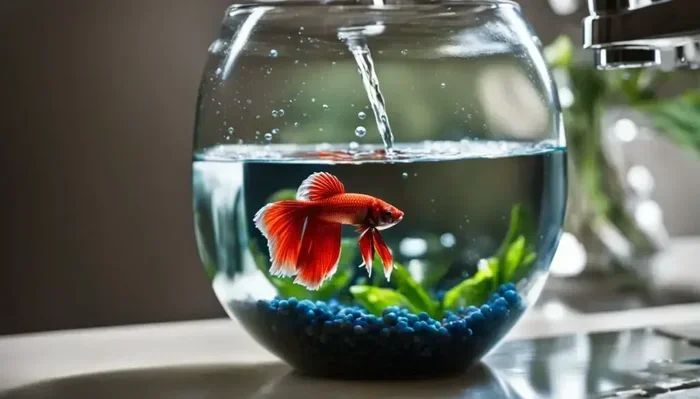
Preparing tap water for your betta fish aquarium is one of the most important steps in keeping your fish healthy and happy. Tap water contains chlorine and other chemicals that can harm your betta, but with the right conditioner and preparation, it becomes safe in minutes. This guide walks you through every step, from testing water parameters to maintaining ideal conditions for your betta habitat.
Keeping a betta fish is one of the most rewarding hobbies you can have. These colorful little creatures bring life and joy to any room. But here is the thing many beginners miss. The water you put in their tank matters just as much as the food you feed them. Tap water seems harmless, but it can actually be dangerous for your betta. This guide will show you exactly how to prepare tap water for betta fish aquarium setups the right way.
Key Takeaways
- Always condition tap water: Use a water conditioner to remove chlorine and chloramine before adding it to your betta fish tank.
- Match the water temperature: Betta fish thrive in warm water between 76-82°F, so adjust accordingly.
- Test water parameters regularly: Monitor pH, ammonia, and nitrite levels to keep your aquarium water safe.
- Perform regular water changes: Replace 25-30% of the tank water weekly to maintain water quality.
- Let water sit if needed: In some cases, allowing tap water to sit for 24 hours can help dissipate chlorine naturally.
- Avoid distilled or purified water: These lack essential minerals your betta needs to stay healthy.
- Use the right filter: A gentle filter helps maintain clean aquarium water without stressing your betta.
📑 Table of Contents
- Why Tap Water Needs Preparation for Betta Fish
- Step-by-Step Guide to Preparing Tap Water for Betta Fish
- Common Mistakes People Make When Preparing Tap Water
- Best Water Conditioners for Betta Fish Tanks
- How Often Should You Change Water in a Betta Fish Tank?
- Expert Tips for Maintaining Perfect Aquarium Water
- Conclusion
Why Tap Water Needs Preparation for Betta Fish
Most people turn on the faucet and assume the water is safe. For humans, that is mostly true. But for betta fish, tap water is a different story. Municipal water treatment plants add chlorine and chloramine to kill bacteria. These chemicals protect us, but they can seriously harm your betta.
Chlorine irritates the gills and skin of betta fish. Over time, it damages their delicate fins and organs. Chloramine is even worse because it does not dissipate quickly. It stays in the water much longer and causes chronic health problems.
Beyond chemicals, tap water also varies in pH and mineral content depending on where you live. Some areas have very hard water with high mineral levels. Others have soft water with low mineral content. Neither extreme is ideal for betta fish. Your goal is to create balanced aquarium water that mimics their natural habitat.
This is exactly why preparing tap water before adding it to your tank is not optional. It is essential. Taking a few extra minutes can mean the difference between a thriving betta and a sick one.
The Role of Chlorine and Chloramine in Tap Water
Let us break this down simply. Chlorine is a gas that water treatment facilities add to kill harmful organisms. It works well for keeping our drinking water safe. But for fish, it is toxic. Even small amounts can cause stress and breathing problems.
Chloramine is a combination of chlorine and ammonia. Water companies use it because it lasts longer in the water supply. This means it does not disappear as fast as regular chlorine. When chloramine breaks down, it releases ammonia into your tank. Ammonia is extremely toxic to betta fish, even in tiny amounts.
This is where a good tap water conditioner becomes your best friend. A quality conditioner neutralizes both chlorine and chloramine instantly. It also often includes ingredients that protect your betta’s slime coat, which is their first line of defense against disease.
Step-by-Step Guide to Preparing Tap Water for Betta Fish
Now that you understand why preparation matters, let us walk through the actual process. Follow these steps every time you add new water to your betta fish tank.
Step 1: Gather Your Supplies
Before you start, make sure you have everything ready. Here is what you will need:
- A bucket dedicated only to fish water (never use one that had soap)
- A liquid tap water conditioner (seachem prime or similar brands work great)
- A thermometer to check water temperature
- A water test kit to monitor parameters
- A small cup or turkey baster for gentle water addition
Step 2: Fill the Bucket with Tap Water
Run your cold tap water into the bucket. Fill it slowly to avoid adding too much air. Some people let the water run for a minute first to flush out any debris from the pipes. Use room temperature or slightly warm water if needed.
Do not use water that has been sitting in old pipes for hours. First-draw water can contain higher levels of metals and contaminants. If your tap water is very cold, let it sit for a bit to warm up naturally.
Step 3: Add Water Conditioner
This is the most critical step. Add your water conditioner according to the bottle instructions. Most products use a ratio of one teaspoon per gallon. But always read the label because concentrations vary by brand.
For dechlorinating water, the conditioner needs a few minutes to work. Stir the water gently after adding it. This helps the conditioner distribute evenly throughout the bucket.
Quick Tip: If you use a product like Seachem Prime, it works instantly. You can add the treated water to your tank right away. Other conditioners may need 10-15 minutes to fully neutralize chemicals.
Step 4: Check and Adjust the Water Temperature
Betta fish are tropical creatures. They need warm water to stay healthy and active. The ideal range is between 76 and 82 degrees Fahrenheit. Use your thermometer to check the temperature of your prepared water.
If the water is too cold, you can gently warm it by placing the bucket in a warm room. Never use boiling water or a microwave. Sudden temperature changes can shock your betta. If the water is too warm, let it cool naturally at room temperature.
Some aquarists use a small heater in the bucket during water changes. This works well but requires monitoring to avoid overheating. Keeping water warm is especially important during colder months when room temperatures drop.
Step 5: Test the Water Parameters
Before adding the prepared water to your tank, test it. A simple liquid test kit can measure several important factors:
- pH level: Bettas prefer slightly acidic to neutral water, around 6.5 to 7.5
- Ammonia: Should be 0 ppm (parts per million)
- Nitrite: Should be 0 ppm
- Nitrate: Should be below 20 ppm
- Water hardness: Bettas do best in soft to moderately hard water
If your tap water has high ammonia or unusual pH levels, you may need to take extra steps. Some aquarists mix tap water with RO (reverse osmosis) water to dilute contaminants. But for most situations, a good water conditioner is all you need.
Step 6: Add the Water to Your Tank
Now it is time to add the prepared water to your betta fish aquarium. Use a cup or turkey baster to gently pour the water in. Avoid pouring directly from a height, as this can disturb the substrate and decorations.
Slow and steady wins the race here. You want to minimize stress for your betta. If you are doing a full water change, make sure the new water closely matches the existing tank water in temperature and parameters.
For partial water changes, remove 25 to 30 percent of the old water first. Then add the freshly prepared water. This keeps water quality stable while refreshing the tank environment.
Common Mistakes People Make When Preparing Tap Water
Even experienced fish keepers sometimes make mistakes. Here are the most common errors to avoid when preparing water for your betta.
Mistake 1: Using Untreated Tap Water Directly
This is the number one mistake beginners make. Pouring straight tap water into the tank seems convenient. But it introduces chlorine and chloramine directly into your betta’s environment. Even if your fish does not die immediately, the long-term damage adds up. Always use a water conditioner no matter what.
Mistake 2: Letting Water Sit Too Long
Some people believe letting tap water sit for 24 hours removes all harmful chemicals. This is only partially true. Chlorine can evaporate over time, but chloramine does not. It stays dissolved in the water. Relying on sitting water alone is not a reliable method.
That said, if you are in a pinch and only have chlorine in your water (not chloramine), letting it sit for 24 hours can work. But using a conditioner is always the safer and faster option.
Mistake 3: Using Distilled or Purified Water
You might think pure water is better. It is not. Distilled water lacks the minerals and trace elements that betta fish need. It also has a very low pH, which can destabilize your tank’s water parameters over time. If you must use distilled water, remineralize it first with appropriate additives.
Mistake 4: Ignoring Water Temperature
Cold water shocks betta fish. It slows their metabolism and makes them sluggish. Hot water holds less oxygen, which can suffocate your fish. Always match the temperature of the new water to the existing tank water as closely as possible.
Mistake 5: Overusing Conditioner
More conditioner is not better. Using too much can actually harm your fish by creating a chemical imbalance. Stick to the recommended dosage on the product label. If your water is particularly contaminated, consider using a different water source instead of doubling up on conditioner.
Best Water Conditioners for Betta Fish Tanks
Not all water conditioners are created equal. Here are some popular options that work well for betta fish:
- Seachem Prime: One of the most trusted brands. It removes chlorine, chloramine, and ammonia instantly. It also detoxifies heavy metals. A little goes a long way, making it cost-effective.
- API Tap Water Conditioner: Affordable and effective. It neutralizes chlorine and heavy metals quickly. Many beginners start with this brand.
- Aqueon Water Conditioner: Another solid option. It removes chlorine and chloramine while adding a protective slime coat layer for your betta.
When choosing a conditioner, look for one that addresses multiple concerns. The best products do more than just remove chlorine. They also detoxify heavy metals and support your fish’s natural defenses. For more information on using tap water conditioner specifically, check out our guide on how to use tap water conditioner for betta fish.
How Often Should You Change Water in a Betta Fish Tank?
Water preparation goes hand in hand with regular water changes. Even with the best preparation, waste builds up in your tank over time. Ammonia and nitrite levels can rise between changes if you do not refresh the water.
For most betta tanks, a 25 to 30 percent water change every week works well. Tanks smaller than 5 gallons may need more frequent changes. Larger tanks can sometimes go longer between changes if you have a good filter and stable beneficial bacteria colony.
For detailed instructions on performing water changes safely, see our article on how to do a water change for betta fish. And for more on how often to change water, check out our guide on how often to change water for betta fish.
The key is consistency. Set a schedule and stick to it. Your betta will be healthier and more active as a result. Regular water changes also give you a chance to check your water parameters and catch problems early.
Expert Tips for Maintaining Perfect Aquarium Water
Here are some bonus tips from experienced betta keepers. These small habits make a big difference over time.
- Always wash your hands before handling tank water or equipment. Soap residue can be deadly to fish.
- Use a dedicated bucket for aquarium water. Never use a bucket that held cleaning products or chemicals.
- Keep a log of your water parameters. Writing down pH, ammonia, and nitrate levels helps you spot trends and catch problems early.
- Match the water source. If your tap water is very hard, consider using a pre-filter on your faucet to reduce mineral content before preparing water for your betta.
- Do not overclean your tank. Some beneficial bacteria live on surfaces and in the filter. Overcleaning can crash your cycle and spike ammonia levels.
For a deeper dive into caring for your betta’s water, read our article on how to take care of betta fish water. And if you are new to betta keeping, our betta fish care 101 guide covers all the basics you need to know.
Conclusion
Preparing tap water for your betta fish aquarium does not have to be complicated. The process is simple: condition the water, check the temperature, test the parameters, and add it gently to your tank. By following these steps every time, you create a safe and healthy environment for your betta to thrive.
Remember that water quality is the foundation of good betta care. Everything else, from feeding to tank setup, builds on top of clean, properly prepared water. Take the time to get it right, and your betta will reward you with vibrant colors, active behavior, and a long, healthy life.
Start implementing these practices today. Your betta fish will thank you for it. And if you ever feel unsure, come back to this guide as a quick reference. Happy fish keeping!
Frequently Asked Questions
Can betta fish live in tap water without conditioner?
No, betta fish should never be placed in untreated tap water. Tap water contains chlorine and chloramine that damage fish gills and skin. Always use a water conditioner to neutralize these chemicals before adding tap water to your aquarium.
How long should I let tap water sit before adding it to my betta tank?
If you are using a liquid water conditioner, you can add the water to your tank immediately after treating it. If you are not using conditioner and only have chlorine in your water (not chloramine), letting it sit for 24 hours can help. However, using a conditioner is always the faster and safer choice.
What temperature should tap water be for betta fish?
The ideal temperature for betta fish water is between 76 and 82 degrees Fahrenheit. Always use a thermometer to check the temperature of your prepared water before adding it to the tank. Sudden temperature changes can stress or harm your betta.
Can I use boiled tap water for my betta fish?
Boiling water can remove chlorine but does not remove chloramine or heavy metals. It also removes dissolved oxygen and can alter pH levels. Using a quality tap water conditioner is a much better and more reliable method for preparing water for your betta.
How often do I need to prepare new tap water for my betta?
You should prepare fresh tap water every time you do a water change, which is typically once a week. For partial water changes of 25 to 30 percent, prepare enough water to replace the amount you are removing. Always condition the new water before adding it to the tank.
Is bottled water safe for betta fish?
Most bottled waters are not ideal for betta fish. Spring water may have inconsistent mineral levels, and distilled water lacks essential minerals. If you must use bottled water, check the label for added minerals and avoid water with added sodium. Tap water treated with a conditioner is generally the best and most affordable option.