How to Calm Your Betta Fish
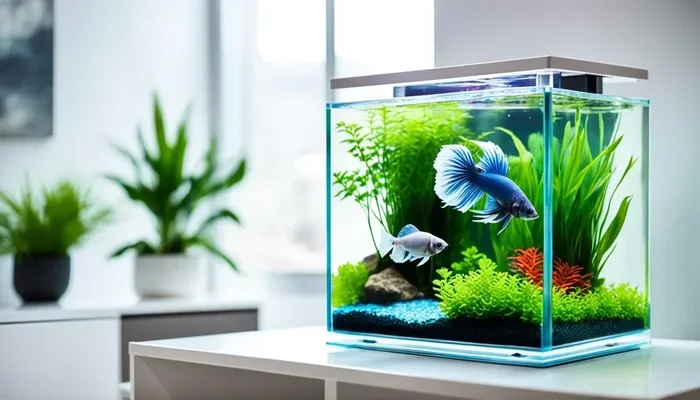
Calming your betta fish is easier than you think. With the right tank setup, clean water, and a little patience, you can help your betta feel safe and relaxed. This guide covers simple, proven steps to reduce stress and keep your fish peaceful.
Key Takeaways
- Stress signs matter: Learning to recognize early stress signals helps you act fast and keep your betta healthy.
- Tank environment is key: A properly decorated tank with hiding spots and soft lighting creates a calm space for your fish.
- Water quality counts: Clean, warm water at the right temperature reduces anxiety and promotes relaxation in bettas.
- Feeding habits affect mood: A consistent feeding schedule with the right foods keeps your betta calm and active.
- Gentle interaction builds trust: Slow, quiet bonding time helps your betta feel safe around you.
- Know when to seek help: Persistent stress may need professional attention to protect your fish’s long-term health.
📑 Table of Contents
Why Betta Fish Get Stressed
Betta fish are beautiful, lively creatures. But they can get stressed easily. Stress affects their health, color, and lifespan. Understanding why your betta gets anxious is the first step to helping them relax.
In the wild, bettas live in slow-moving waters in Southeast Asia. They are used to calm, warm environments. When they live in a tank, everything changes. The water, the light, the noise, and even your presence can affect them.
Calm your betta fish by first understanding what causes stress. Once you know the triggers, you can fix them. This leads to a happier, healthier fish.
Common Stress Triggers
Several things can stress out a betta fish. Here are the most common ones:
- Dirty water: Ammonia and nitrites build up fast in small tanks. This makes your fish very uncomfortable.
- Wrong temperature: Betta fish need warm water between 76 and 82 degrees Fahrenheit. Cold water makes them sluggish and anxious.
- Bright lights: Too much light or harsh lighting can scare your betta. They prefer soft, dim environments.
- No hiding spots: Bettas need places to hide and feel safe. An open tank with nowhere to retreat causes constant stress.
- Aggressive tankmates: Keeping your betta with fin-nippers or other aggressive fish creates a hostile environment.
- Sudden changes: Moving tanks, changing water too fast, or adding new decorations suddenly can shock your fish.
Signs Your Betta Is Stressed
You need to know what stress looks like. A stressed betta shows clear signs. Watch for these behaviors:
- Clamped fins: When a betta holds its fins close to its body, it is feeling scared or unwell.
- Hiding constantly: If your fish hides all the time and refuses to come out, something is wrong.
- Loss of color: A healthy betta is bright and colorful. Stress causes fading or dullness.
- Rapid breathing: Gasping at the surface or breathing very fast signals distress.
- Loss of appetite: Refusing food is a major warning sign. Check what to do when your betta fish won’t eat if this happens.
- Erratic swimming: Darting around the tank or swimming in circles shows extreme anxiety.
If you notice these signs, act quickly. The sooner you address the problem, the faster your betta will recover. You can also learn more about how to know if your betta fish is happy to understand the difference between stress and contentment.
How to Create a Calm Tank Environment
The tank setup plays a huge role in your betta’s mood. A well-designed aquarium feels like a natural home. This alone can make a big difference in your fish’s behavior.
When you calm your betta fish, start with the environment. A stressed fish in a chaotic tank will never feel safe. Here is how to fix that.
Choose the Right Tank Size
Many people keep bettas in tiny bowls. This is a common mistake. A small bowl limits movement and makes the water quality hard to maintain. A tank of at least 5 gallons gives your betta room to swim and explore.
More space means more stability. The water parameters stay more consistent in a larger tank. This reduces stress naturally. If you are setting up a new home for your betta, check out how to set up a fish tank for betta fish for a step-by-step guide.
Add Hiding Spots and Plants
Betta fish love places to hide. Live or silk plants give them cover and make them feel secure. Caves, driftwood, and floating plants also help.
Avoid sharp decorations. Rough edges can tear your betta’s long fins. Soft, smooth items are always better. You can also learn how to decorate your betta fish tank in ways that promote relaxation and natural behavior.
Use Soft, Gentle Lighting
Bright, direct lights bother bettas. They come from shady, slow-moving waters in the wild. Use a soft LED light with a dimmer if possible.
Set a light schedule of 8 to 10 hours a day. This mimics natural day and night cycles. Too much light causes anxiety. Too little light disrupts their sleep. Find a balance that keeps your tank peaceful.
Water Quality and Temperature Control
Water is everything for a betta fish. Poor water quality is the number one cause of stress and illness. Keeping the water clean and at the right temperature is essential for a calm betta.
When you focus on betta fish care basics, water management sits at the top. Let us break this down into simple steps.
Keep the Water Clean
Dirty water contains ammonia and nitrites. These are toxic to fish. Even small amounts can make your betta very sick. Here is what you need to do:
- Test the water weekly: Use a liquid test kit to check ammonia, nitrite, and nitrate levels.
- Do partial water changes: Replace 25 to 30 percent of the water every week. This removes waste and keeps things fresh.
- Use a gentle filter: Strong filters create too much current. Bettas prefer slow-moving water. Choose a filter with an adjustable flow or baffle it with a sponge.
- Treat tap water: Always use a tap water conditioner before adding new water. Chlorine and chloramine harm fish.
Maintain the Right Temperature
Betta fish are tropical. They need warm, stable water. The ideal range is 76 to 82 degrees Fahrenheit. Anything below 74 degrees can make your betta lethargic and stressed.
Use a reliable heater with a thermostat. Avoid placing the tank near windows or drafts. Temperature swings cause shock and weaken the immune system. If your tank gets cold, you can also learn how to make your betta fish tank warmer with simple solutions.
Feeding Habits That Promote Calmness
What you feed your betta and how often matters more than you think. A proper diet supports physical health and a peaceful temperament. Overfeeding or poor food choices lead to health problems and stress.
Feeding your betta the right way is one of the easiest ways to help them stay calm and comfortable.
What and When to Feed
Betta fish are carnivores. They need protein-rich food. Here are the best options:
- High-quality betta pellets: These are formulated for bettas and provide balanced nutrition.
- Frozen or live bloodworms: A great treat that mimics natural prey. Feed sparingly.
- Brine shrimp: Another excellent protein source. Use as a supplement, not the main meal.
- Daphnia: This helps with digestion and adds variety to the diet.
Feed your betta 2 to 3 small meals per day. Remove any uneaten food after 5 minutes. Leftover food rots and pollutes the water.
Avoid Overfeeding
Overfeeding is one of the most common mistakes. It causes bloating, constipation, and dirty water. A bloated fish is an unhappy fish. Keep portions small. Your betta’s belly should not look larger than its eye.
Skipping one feeding day per week can also help. It gives the digestive system a break and keeps things running smoothly. If your betta stops eating, check what to do when your betta fish won’t eat for helpful solutions.
Interaction and Bonding for a Peaceful Betta
Many people do not realize that bettas can feel stressed from too much or too little interaction. Finding the right balance helps your fish feel secure and relaxed around you.
How to calm your betta fish also means building a relationship based on trust. Your betta learns your presence over time and stops seeing you as a threat.
Handle With Care
Never chase your betta around the tank. Do not tap on the glass. These actions scare your fish and create long-term anxiety. Move slowly and calmly near the tank.
If you need to clean the tank or do maintenance, be gentle and quick. Sudden movements near the tank signal danger to your betta. Over time, your fish will get used to your presence and may even swim to the front to greet you.
Build Trust Gradually
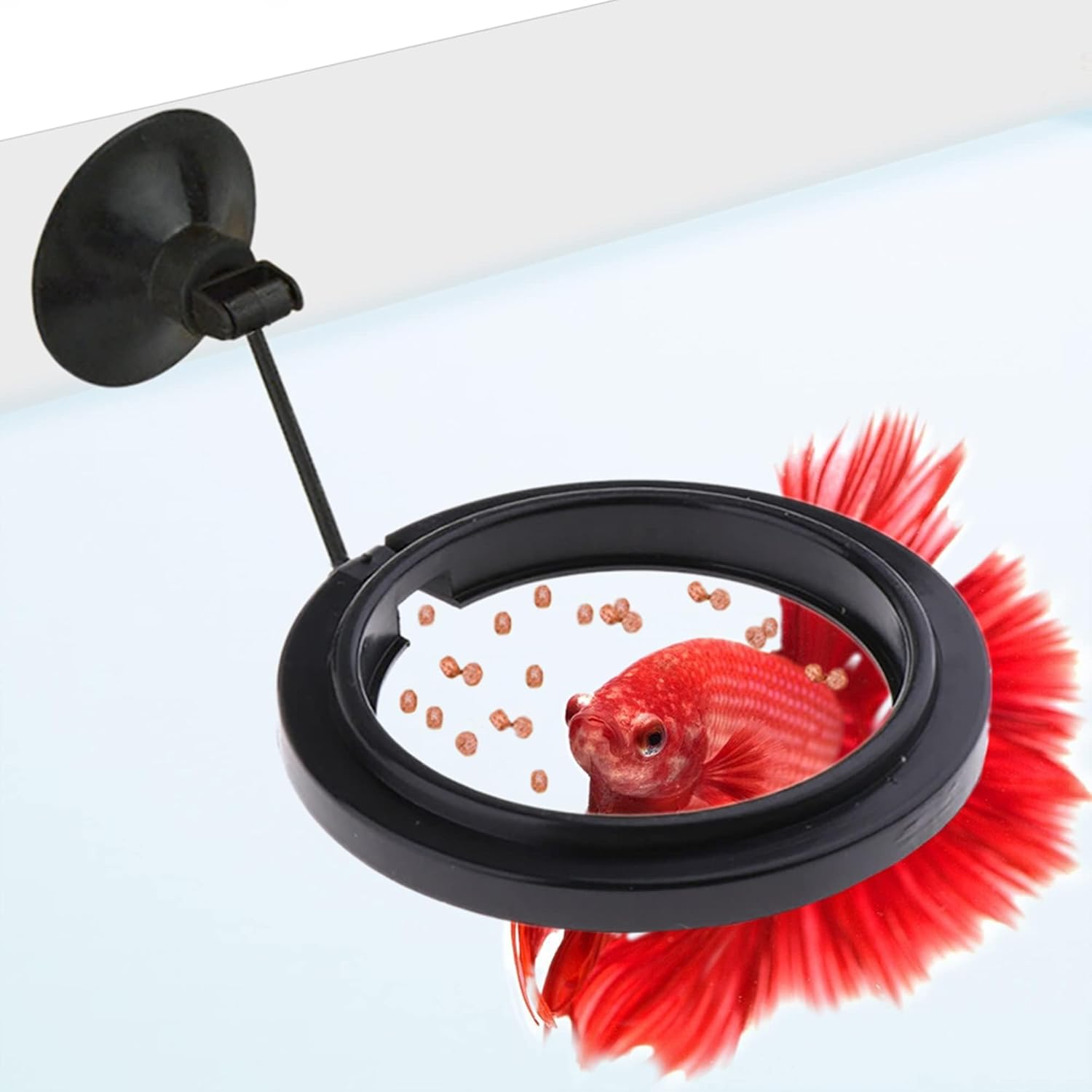
Trust takes time. Start by sitting near the tank and talking softly. Your betta will get used to your voice and vibrations. After a few days, try feeding by hand.
Hand feeding is a great bonding experience. Use a single pellet and let your betta come to you. This builds confidence on both sides. If you want to strengthen this bond further, read about how to grow a bond with your betta fish for more detailed techniques.
When to Seek Help for a Stressed Betta
Sometimes, despite your best efforts, your betta stays stressed. This is when you need to look deeper. Underlying health issues or environmental problems may be at play.
Knowing when to act can save your fish’s life. Do not wait too long if things are not improving.
Recognizing Serious Stress
Watch for these serious warning signs that need immediate attention:
- White spots on the body or fins: This could be ich, a common parasite. Learn how to treat ich on a betta fish right away.
- Fin rot or torn fins: Damaged fins are painful and can get worse fast. Find out how to treat betta fish fin loss before it spreads.
- Lethargy and loss of color: If your betta stops moving and looks pale, something serious is happening.
- Floating or sinking problems: Difficulty maintaining buoyancy suggests internal issues or swim bladder problems.
Consult a Fish Vet or Expert
If home remedies do not work, seek professional help. A fish veterinarian or experienced aquarist can diagnose hidden problems. They may recommend treatments for a stressed betta fish that go beyond basic care.
Do not feel embarrassed about asking for help. Every fish owner faces challenges. The goal is to give your betta the best life possible.
Long-Term Habits for a Happy, Calm Betta
Calming your betta is not a one-time fix. It is an ongoing commitment. Small daily habits add up to a big difference over time. Here are the habits that keep your betta peaceful long-term.
- Stick to a routine: Feed at the same times every day. Do water changes on schedule. Bettas thrive on predictability.
- Observe daily: Spend a few minutes watching your betta each day. Catching early warning signs is much easier than fixing problems later.
- Keep the tank stable: Avoid moving the tank around. Place it in a quiet area away from loud noises and direct sunlight.
- Maintain equipment: Clean filters and replace heaters when needed. Broken equipment creates invisible stress.
- Refresh the environment: Occasionally rearrange decorations slightly. This provides mental stimulation without causing major disruption.
When you consistently provide a safe, clean, and comfortable home, your betta will thrive. A calm betta is a colorful, active, and joyful fish. If you want to go further, learn how to make your betta fish happy with advanced enrichment ideas.
Remember, every betta has its own personality. Some are bold and curious. Others are shy and cautious. Respect your fish’s individual nature and adjust your approach accordingly. Patience and consistency are your greatest tools.
By following the steps in this guide, you give your betta the best chance at a peaceful, stress-free life. Start with one or two changes today. Build from there. Your betta will thank you with vibrant colors and calm, graceful swimming.
Frequently Asked Questions
How long does it take for a betta fish to calm down?
Most bettas settle into a new environment within 1 to 2 weeks. However, highly stressed fish may take longer. Consistency in care and a calm tank setup speed up the process significantly.
Can a stressed betta fish recover fully?
Yes, bettas can fully recover from stress if you address the cause early. Clean water, proper temperature, and a safe environment help them bounce back quickly. Severe or prolonged stress may require additional treatment.
Is it normal for a betta to hide after a water change?
Yes, some bettas hide briefly after a water change. The new water can feel different and cause mild stress. If hiding lasts more than a day, check the water parameters to make sure everything is safe.
Do betta fish get stressed from too much light?
Yes, excessive light causes stress and disrupts sleep patterns. Bettas need a day-night cycle with 8 to 10 hours of soft light. Use a timer to keep the schedule consistent every day.
Can I use a mirror to calm my betta fish?
No, mirrors do not calm bettas. They trigger territorial behavior and stress. Instead, focus on creating a peaceful tank environment with hiding spots, clean water, and gentle lighting.
What is the best way to check if my betta is calm and healthy?
A calm betta swims smoothly, eats regularly, and shows bright colors. Fins are open and flowing, not clamped. If you want to learn more, check out how to know if your betta fish is happy for detailed signs of contentment.