Is Algae Better Than Fish for Omega 3
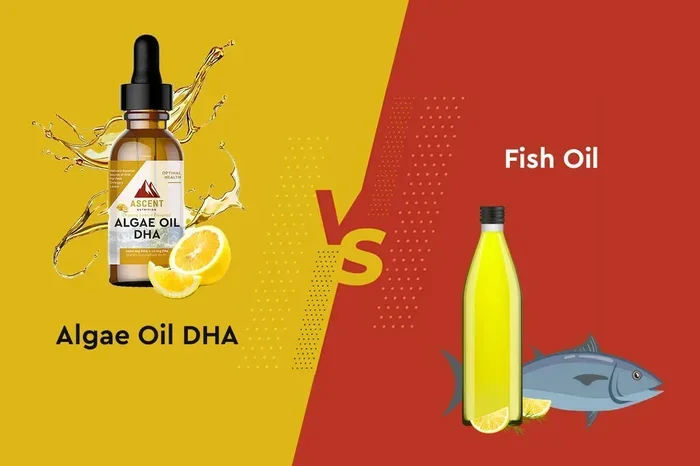
Is algae better than fish for omega 3? The answer might surprise you. Algae oil provides the same EPA and DHA that fish offer, but without the heavy metals or fishy aftertaste. This guide breaks down the real differences between algae-based omega 3 and traditional fish sources so you can make a confident choice.
When it comes to getting your daily omega 3 fatty acids, the debate between algae and fish has been heating up. For years, fish oil was the go-to source for EPA and DHA. But now, algae-based omega 3 is stepping into the spotlight. So, which one really wins?
The short answer is that both have real benefits. But algae might just be the smarter choice for many people. Let us dive deep into what the science says and help you figure out what works best for your body.
Key Takeaways
- Algae is the original source of omega 3: Fish get their EPA and DHA from eating algae, so going straight to the source skips the middleman.
- Algae omega 3 is cleaner and safer: It avoids heavy metals, microplastics, and contaminants commonly found in fish-based supplements.
- Plant-based and vegan-friendly: Algae oil is a sustainable, ethical alternative to fish oil that works for all diets.
- Absorption rates are comparable: Studies show that algae-derived DHA and EPA are absorbed just as well as those from fish oil.
- Sustainability matters: Algae farming has a much lower environmental footprint than fishing or farming fish for oil extraction.
- Both have pros and cons: The best choice depends on your health goals, dietary preferences, and values.
📑 Table of Contents
- What Is Omega 3 and Why Does It Matter?
- Algae Omega 3: The Source Behind the Source
- Fish Oil: The Traditional Omega 3 Source
- Is Algae Better Than Fish for Omega 3? A Direct Comparison
- Who Should Choose Algae Omega 3?
- Who Might Still Prefer Fish Oil?
- Common Mistakes People Make When Choosing Omega 3
- Quick Tips for Choosing the Best Omega 3 Supplement
- Final Thoughts: So, Is Algae Better Than Fish for Omega 3?
What Is Omega 3 and Why Does It Matter?
Omega 3 fatty acids are essential fats your body needs but cannot make on its own. You must get them from food or supplements. There are three main types: ALA, EPA, and DHA. ALA comes from plants like flaxseed and walnuts. EPA and DHA are the ones your brain, heart, and eyes rely on the most.
Fish get their EPA and DHA by eating microalgae. So technically, algae is where all marine omega 3 starts. When you take fish oil, you are getting omega 3 that was originally produced by algae. This simple fact changes the whole conversation about is algae better than fish for omega 3.
Most health experts recommend 250 to 500 milligrams of combined EPA and DHA per day. Whether you get it from fish, algae, or another source, the goal is the same. You want enough of these essential fats to support your overall health.
Algae Omega 3: The Source Behind the Source
How Algae Produces EPA and DHA
Microalgae are tiny organisms that naturally produce EPA and DHA. Fish eat these algae and store the omega 3 in their tissues. When you take fish oil supplements, you are essentially getting omega 3 that passed through a fish first.
Algae oil skips this entire process. It is harvested directly from the microalgae source. This means you get the same EPA and DHA without any middle steps. The result is a clean, plant-based omega 3 that is free from many of the concerns tied to fish-based products.
Many people do not realize that fish do not actually produce omega 3. They accumulate it from their diet. This makes algae the true origin of marine omega 3. Understanding this fact is key to answering the question, is algae better than fish for omega 3.
Algae Oil vs Fish Oil: What the Research Says
Several studies have compared algae-derived omega 3 with fish-derived omega 3. The findings are promising. Research published in nutrition journals shows that algae oil raises DHA levels in the blood just as effectively as fish oil. EPA levels also respond well to algae supplementation.
One important study found that algae-based DHA was equally bioavailable as fish-based DHA. Bioavailability means how well your body absorbs and uses a nutrient. If absorption is equal, then the source should not matter much. But other factors do come into play.
For those who want a vegan omega 3 option, algae oil is a game changer. It provides the same essential fatty acids without any animal products. This makes it ideal for people following a plant-based diet or those with fish allergies.
Fish Oil: The Traditional Omega 3 Source
Benefits of Fish Oil for Omega 3
Fish oil has been the gold standard for omega 3 supplementation for decades. It is widely available, affordable, and backed by extensive research. Most clinical studies on omega 3 benefits have used fish oil as the source. This gives it a strong track record.
Fish oil provides both EPA and DHA in significant amounts. It supports heart health, brain function, and reduces inflammation throughout the body. Many doctors still recommend fish oil as a primary omega 3 supplement.
If you are not vegan or vegetarian and have no allergies, fish oil can be a solid choice. It is familiar, well-studied, and effective. However, there are some downsides that are worth considering.
Drawbacks of Fish Oil
Fish oil can cause unpleasant side effects. The fishy aftertaste and burps are common complaints. Some people experience stomach discomfort or nausea, especially at higher doses.
More seriously, fish oil can contain contaminants. Heavy metals like mercury, PCBs, and dioxins are concerns with lower-quality fish oil. Even reputable brands sometimes show trace amounts of these toxins. Omega 3 absorption can also be affected by the quality of the fish and how the oil is processed.
Sustainability is another major issue. Overfishing and fish farming raise environmental questions. If you care about the planet, relying on fish oil may not align with your values. This is a big reason many people are now asking, is algae better than fish for omega 3.
Is Algae Better Than Fish for Omega 3? A Direct Comparison
Let us get to the heart of the matter. When you compare algae and fish as omega 3 sources, several key factors come into play. Here is a breakdown of what matters most.
Purity and Safety
Algae oil is grown in controlled environments. This means manufacturers can test for and eliminate contaminants. Heavy metals, microplastics, and pollutants are far less of a concern with algae-based omega 3. Fish, on the other hand, can accumulate toxins from the ocean.
If you are worried about what is in your supplements, algae has a clear advantage. It is one of the cleanest sources of EPA and DHA available today.
Sustainability and Environmental Impact
Algae farming is incredibly sustainable. It requires minimal land, fresh water, and no fishing. Algae can even be grown using wastewater, making it an eco-friendly process. Fish oil production, by contrast, puts pressure on marine ecosystems.
Choosing algae over fish helps reduce demand on wild fish populations. This matters for ocean health and the long-term availability of marine resources. If sustainability is important to you, algae omega 3 is the clear winner.
Taste and Digestibility
Let us be honest. Fish oil burps are no fun. The fishy taste and aftertaste can make taking supplements a miserable experience. Algae oil, by contrast, has a much milder flavor and is far easier on the stomach.
Many people who switched from fish oil to algae oil report better tolerance and fewer digestive issues. If you have ever quit taking fish oil because of the taste or stomach problems, algae might be your solution.
Nutritional Profile Comparison
| Factor | Algae Oil | Fish Oil |
|---|---|---|
| EPA and DHA Content | High (comparable to fish) | High |
| Source of Omega 3 | Direct from microalgae | Indirect (from fish that ate algae) |
| Heavy Metal Risk | Very low | Moderate to high (varies by brand) |
| Sustainability | Excellent | Poor to moderate |
| Taste and Aftertaste | Mild, neutral | Fishy, can cause burps |
| Vegan-Friendly | Yes | No |
| Absorption Rate | Comparable to fish oil | Well-established |
| Price | Slightly higher | Generally more affordable |
As you can see, algae and fish oil are closer than most people think. The differences are mostly in purity, sustainability, and taste. In terms of actual omega 3 content and absorption, they perform similarly. For more on plant vs fish omega 3 options, check out our guide on which is better omega 3 fish oil or flaxseed.
Who Should Choose Algae Omega 3?
Algae oil is a great fit for a wide range of people. If any of these situations sound like you, algae might be your best bet.
- You follow a vegan or vegetarian diet: Algae gives you EPA and DHA without any animal products. It is the most ethical way to get marine omega 3.
- You are allergic to fish: Fish oil can trigger allergic reactions. Algae oil is fish-free and safe for most people with fish allergies.
- You care about sustainability: Choosing algae helps reduce pressure on ocean ecosystems. It is one of the most environmentally responsible choices you can make.
- You want a cleaner supplement: Algae oil is less likely to contain heavy metals or microplastics. You get pure omega 3 without the worry.
- You struggle with fish oil side effects: If fish burps or stomach upset have been a problem, algae oil is much gentler on your system.
If you are still weighing your options, you might want to read about why vascepa is better than fish oil for more insights on alternative omega 3 sources.
Who Might Still Prefer Fish Oil?
Fish oil is not without its strengths. For certain people, it remains a perfectly good choice. Here is when fish oil might still make sense.
- You have a higher budget for supplements: Fish oil is generally less expensive than algae oil, especially at higher doses.
- You eat fish regularly: If your diet already includes fatty fish like salmon or sardines, fish oil can complement what you already get from food.
- You want the most researched option: Fish oil has decades of clinical data behind it. While algae is catching up, fish oil still has the deeper research base.
- You have no taste or digestion issues: If you tolerate fish oil well and do not mind the taste, there is no urgent reason to switch.
For those exploring other omega 3 options beyond fish, our article on is krill oil or fish oil better for you offers a helpful comparison.
Common Mistakes People Make When Choosing Omega 3
Choosing the right omega 3 source is important, but people often make avoidable mistakes. Here are the most common ones.
- Ignoring the EPA to DHA ratio: Different health goals need different ratios. Brain health favors DHA, while heart health may need more EPA. Check the label before buying.
- Choosing based on price alone: The cheapest option may have low-quality oil or contaminants. Look for third-party tested products.
- Not checking for freshness: Omega 3 oils can go rancid. Always check the expiration date and store your supplements properly.
- Assuming all algae oil is the same: Quality varies between brands. Look for algae oil that specifies its EPA and DHA content per serving.
- Overlooking ALA sources: While ALA from flaxseed and walnuts is beneficial, your body converts only a small amount to EPA and DHA. Do not rely on ALA alone for your omega 3 needs.
For more tips on avoiding common pitfalls, read our piece on is fish oil better than flaxseed oil to understand how different omega 3 sources stack up.
Quick Tips for Choosing the Best Omega 3 Supplement
Tip 1: Look for a supplement that lists both EPA and DHA amounts on the label. If the total omega 3 is listed without breaking down EPA and DHA, that is a red flag.
Tip 2: Choose products that have been third-party tested for purity. Organizations like IFOS, NSF, and USP certify omega 3 supplements for quality and safety.
Tip 3: Consider your dietary needs. If you are vegan or vegetarian, algae oil is your best option. If you eat fish and have no allergies, either source works.
Tip 4: Store your omega 3 supplements in a cool, dark place. Heat and light can degrade the oil and reduce its effectiveness.
Tip 5: Take your omega 3 with a meal that contains fat. This improves absorption and reduces the chance of stomach discomfort.
If you are curious about how different omega 3 sources compare for specific health goals, our article on is algae omega 3 better than fish dives deeper into the direct comparison.
Final Thoughts: So, Is Algae Better Than Fish for Omega 3?
The answer depends on what matters most to you. If clean sourcing, sustainability, and avoiding contaminants are your priorities, algae has the edge. It provides the same essential EPA and DHA as fish oil but with fewer downsides.
If cost and extensive research history are your main concerns, fish oil still holds strong. It has been studied for decades and remains a trusted source of omega 3 fatty acids.
Either way, getting enough omega 3 is what truly matters. Both algae and fish can help you meet your daily EPA and DHA needs. The best choice is the one that fits your lifestyle, diet, and values.
For anyone wondering is algae better than fish for omega 3, the evidence suggests algae is a fantastic option that checks more boxes for modern consumers. It is clean, sustainable, effective, and suitable for almost any diet. As research continues to grow, algae is poised to become the go-to omega 3 source for more and more people.
Start by evaluating your own needs. Consider your diet, your health goals, and your values. Then choose the omega 3 source that aligns best with who you are. Your heart, brain, and body will thank you either way.
Frequently Asked Questions
Can algae omega 3 replace fish oil completely?
Yes, algae omega 3 can replace fish oil entirely. It provides the same EPA and DHA that your body needs. Many people switch from fish oil to algae oil without losing any health benefits. The key is to choose a high-quality algae supplement with adequate EPA and DHA content per serving.
Why is algae considered the original source of omega 3?
Fish do not produce omega 3 on their own. They accumulate EPA and DHA by eating microalgae. Algae is the true origin of marine omega 3. When you take algae oil, you are getting omega 3 directly from the source, bypassing the fish entirely.
Is algae omega 3 good for heart health?
Absolutely. Algae-derived EPA and DHA support heart health just like fish-derived omega 3. Studies show that algae omega 3 can help reduce inflammation, lower triglycerides, and support healthy cholesterol levels. The heart benefits come from the EPA and DHA themselves, not the source.
Are there any side effects of algae omega 3?
Algae omega 3 is generally well tolerated. Some people may experience mild stomach discomfort when first starting. Unlike fish oil, algae oil does not cause fishy aftertaste or burps. It is also less likely to trigger allergic reactions since it contains no fish proteins.
How do I know if my omega 3 supplement is high quality?
Look for third-party testing certifications like IFOS, NSF, or USP. Check that the label lists both EPA and DHA amounts. A high-quality supplement will also state the source of the omega 3 and have a clear expiration date. Avoid products with artificial fillers or unclear sourcing.
Is algae omega 3 more expensive than fish oil?
Algae oil tends to cost slightly more than fish oil. This is because the production process is more specialized. However, prices are coming down as demand grows. Many people find the extra cost worthwhile for the cleaner, more sustainable, and better-tasting product that algae provides.