Is Algae Safe for Betta Fish
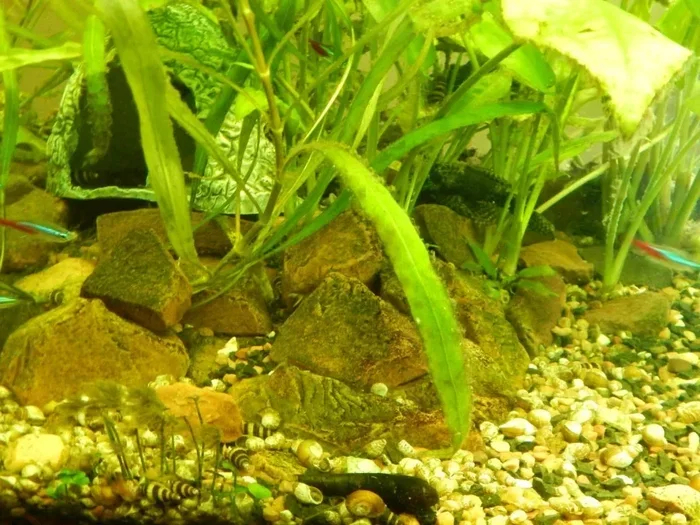
Algae itself is not harmful to betta fish and can even provide a natural environment that mimics their wild habitat. However, certain types of algae and excessive algae growth can negatively impact water quality and oxygen levels, which directly affects your betta’s health. Understanding which algae are safe, which are dangerous, and how to manage growth is essential for every betta fish owner.
If you own a betta fish, you have probably noticed green, brown, or even slimy growth inside the tank at some point. That is algae. And the first question most fish owners ask is simple: is algae safe for betta fish? The short answer is yes, most types of algae are completely harmless. In fact, a little bit of algae can make your tank feel more natural and comfortable for your betta. But the full story is a bit more complicated than that.
Some algae types can actually hurt your fish if they are left unchecked. Other types are perfectly fine and even helpful. The key is knowing the difference, understanding what causes algae to grow, and learning how to keep it under control. This guide will walk you through everything you need to know about algae in betta tank setups, from safe varieties to dangerous ones and how to maintain a healthy environment for your finned friend.
Whether you are a beginner or a seasoned betta keeper, this article covers all the important details. You will learn about the different types of algae, how they affect water quality, and what you can do to keep your betta fish and algae coexisting peacefully. Let us dive in.
Key Takeaways
- Most algae are harmless: Green algae and brown algae are generally safe and can even benefit your betta fish tank.
- Blue-green algae is dangerous: Cyanobacteria (blue-green algae) can produce toxins that are harmful or fatal to betta fish.
- Excessive algae affects water quality: Too much algae can deplete oxygen levels and throw off pH balance in the tank.
- Algae eaters help control growth: Adding safe algae eaters or live plants can naturally manage algae buildup.
- Prevention is easier than removal: Proper lighting, regular water changes, and avoiding overfeeding are the best ways to prevent algae problems.
- Live plants are a great alternative: They compete with algae for nutrients and create a healthier environment for your betta.
- Quick action matters: If you notice harmful algae, act fast to protect your betta fish and restore tank balance.
📑 Table of Contents
- What Is Algae and Why Does It Grow in Betta Tanks?
- Types of Algae: Which Are Safe and Which Are Dangerous?
- How Algae Affects Your Betta Fish Tank Environment
- How to Prevent and Control Algae in a Betta Tank
- Common Mistakes Bettas Owners Make with Algae
- Expert Insights on Algae and Betta Fish Health
- Conclusion
What Is Algae and Why Does It Grow in Betta Tanks?
Algae is a simple plant-like organism that thrives in water. It grows when there is too much light, too many nutrients, or not enough competition from other plants. In a betta fish tank, algae can appear on the glass, decorations, substrate, and even on your plants. A little algae is normal. In fact, a completely algae-free tank is rare and sometimes even unnatural.
Several factors contribute to algae growth. Let us break them down:
- Excess light: Leaving your tank lights on for too long or placing the tank in direct sunlight encourages algae. Algae needs light to photosynthesize, just like real plants.
- Nutrient buildup: Fish waste, uneaten food, and decaying organic matter release nutrients like nitrates and phosphates. These nutrients feed algae and cause it to spread quickly.
- Poor water changes: If you skip regular water changes, nutrients build up over time. This creates the perfect environment for algae growth in betta tank setups.
- High temperatures: Warmer water holds less oxygen and can speed up algae reproduction. Keeping your tank at the ideal temperature for betta fish helps prevent this issue.
The good news is that controlling these factors gives you a lot of power over how much algae grows. You do not need to eliminate it completely. You just need to keep it at a healthy level.
The Role of Light in Algae Growth
Light is the biggest driver of algae growth. If your tank sits near a window, natural sunlight will hit the water for hours every day. This creates an ideal environment for algae to thrive. Even artificial lights can cause problems if they are too bright or left on too long.
Most experts recommend keeping your tank lights on for 8 to 10 hours per day. Use a timer to keep things consistent. This helps your betta fish maintain a natural day-night cycle while also preventing excess algae. If you already have an algae bloom betta tank situation, try reducing the light duration to see if things improve.
Types of Algae: Which Are Safe and Which Are Dangerous?
Not all algae are created equal. Some are completely safe for your betta, while others can be toxic or indicate a serious problem. Let us look at the most common types you will encounter.
Green Algae (Safe)
Green algae is the most common type found in betta tanks. It appears as a thin green film on glass and decorations. This type of algae is generally safe and is actually a sign that your tank has a healthy nutrient cycle. Many fish keepers consider green algae a natural part of a balanced aquarium. It can even serve as a supplemental food source for your betta fish.
Brown Algae (Safe in Moderation)
Brown algae, also known as diatoms, often appears in new tanks during the cycling process. It looks like a dusty, brown film on surfaces. Brown algae is not harmful to betta fish. It usually goes away on its own once the tank completes its nitrogen cycle. If it persists, it often means there are excess silicates or nutrients in the water. Regular water changes will help clear it up.
Blue-Green Algae (Dangerous)
This is the one you need to watch out for. Blue-green algae is actually cyanobacteria, not true algae. It appears as a slimy, blue-green or dark green layer that spreads quickly across surfaces. Cyanobacteria can produce toxins that are harmful to betta fish and other tank inhabitants. If you notice this type of growth, you should act immediately. Remove the affected decorations, do a large water change, and check your water parameters. Poor filtration and excess organic waste are common causes.
Red Algae (Generally Safe)
Red algae, or rhodophyta, can appear as dark red or purple patches in your tank. It is usually not harmful to betta fish. However, like any algae, it can become problematic if it grows out of control. Red algae tends to grow in tanks with high phosphate levels. Reducing phosphate through regular water changes is the best way to manage it.
Hair Algae (Moderate Concern)
Hair algae looks like thin, stringy green threads that hang from decorations and plants. It is not directly toxic to betta fish, but heavy growth can look unsightly and trap debris in the tank. It often signals an imbalance in nutrients, particularly excess iron or CO2. Trimming it regularly and checking your betta fish water quality can help keep it under control.
How Algae Affects Your Betta Fish Tank Environment
A small amount of algae is perfectly fine. But when algae grows excessively, it starts to affect the overall environment of the tank. Understanding these effects helps you take action before things get out of hand.
Oxygen Levels
During the day, algae actually produce oxygen through photosynthesis. However, at night, algae consumes oxygen through respiration. If there is a massive algae bloom, the nighttime oxygen drop can be significant. Your betta fish needs stable oxygen levels to stay healthy and active. If you notice your betta gasping for air near the surface, excessive algae could be a contributing factor.
pH and Water Chemistry
Algae affects the pH of your tank by absorbing carbon dioxide during the day and releasing it at night. This creates pH swings that can stress your betta fish. Bettas prefer a stable pH around 6.5 to 7.5. Large fluctuations can weaken their immune system and make them more susceptible to disease. Regular testing of your correct pH level for betta fish helps you catch these swings early.
Nutrient Competition
When algae grows heavily, it competes with live plants for nutrients. This can cause your plants to struggle and die. Live plants are actually beneficial for betta tanks because they provide hiding spots and help maintain water quality. Losing plants to algae means losing a valuable part of your tank ecosystem.
How to Prevent and Control Algae in a Betta Tank
Prevention is always easier than treatment. A few simple habits can keep algae under control without much effort. Here are the most effective strategies.
1. Manage Your Lighting
Keep your lights on for 8 to 10 hours per day. Use a timer so you do not accidentally leave them on too long. Never place your tank in direct sunlight. Natural light is hard to control and often leads to rapid algae growth. If you are setting up a new tank, choose a location away from windows.
2. Perform Regular Water Changes
Weekly water changes remove excess nutrients that feed algae. Replace about 20 to 30 percent of the water each week. This keeps nitrates and phosphates low and maintains a healthy environment. Skipping water changes is one of the most common reasons for algae problems.
3. Do Not Overfeed Your Betta
Uneaten food decays and releases nutrients into the water. Feed your betta small amounts 1 to 2 times per day. Only give them what they can eat in 2 to 3 minutes. Removing any leftover food after feeding helps keep nutrient levels in check. You can also offer treats like betta fish treats for a snack in moderation.
4. Use a Good Filter
A quality filter removes waste and keeps the water clean. Make sure your filter is appropriate for your tank size. If you are wondering about are filters safe for betta fish, the answer is yes, as long as the flow is not too strong. Bettas prefer gentle water movement, so choose a filter with an adjustable flow or add a sponge pre-filter to reduce the current.
5. Add Live Plants
Live plants compete with algae for nutrients, which naturally limits algae growth. They also absorb CO2 and release oxygen, creating a more stable environment. Plants like anubias congensis and bamboo plants are excellent choices for betta tanks. They are hardy, low-maintenance, and safe for your fish. Just make sure any plants you add are safe for betta fish before introducing them.
6. Consider Algae Eaters
Adding a small algae eater can help keep growth under control. However, not all tank mates are suitable for bettas. If you are considering a companion, research carefully. Ask yourself, what is a good tank mate for a betta fish? Some peaceful species like snails or small shrimp can coexist well with bettas and help clean up algae.
Quick Tips for Algae Prevention
- Keep lights on a timer set to 8 to 10 hours daily.
- Perform 20 to 30 percent water changes every week.
- Do not overfeed your betta fish.
- Test water parameters regularly, including pH and temperature.
- Keep your tank away from direct sunlight.
- Clean your filter media during regular maintenance.
- Add live plants to compete with algae for nutrients.
Common Mistakes Bettas Owners Make with Algae
Even experienced fish keepers sometimes make mistakes when dealing with algae. Here are the most common ones to avoid.
Mistake 1: Using chemical algaecides. Many commercial algaecides contain chemicals that can harm betta fish. These products often kill beneficial bacteria in the tank and disrupt the nitrogen cycle. Instead of reaching for chemicals, try natural methods first. If you must use a treatment, make sure it is specifically labeled as safe for betta fish.
Mistake 2: Removing all algae. A completely algae-free tank is not natural or healthy. Some algae provides a natural environment that bettas are comfortable in. It can also serve as a food source. The goal is balance, not elimination.
Mistake 3: Ignoring the root cause. Scrubbing algae off the glass without addressing the underlying cause, like excess nutrients or too much light, means the algae will just come back. Focus on prevention through proper maintenance and water quality management.
Mistake 4: Changing too much water at once. If you have a heavy algae problem, resist the urge to do a 100 percent water change. This shocks your betta fish and disrupts the beneficial bacteria in your tank. Stick to 20 to 30 percent changes and do them consistently.
Mistake 5: Neglecting the filter. A clogged or dirty filter cannot effectively remove waste from the water. This leads to nutrient buildup and more algae. Clean your filter media regularly, but avoid replacing all of it at once. You want to preserve the beneficial bacteria that live in the filter.
Expert Insights on Algae and Betta Fish Health
Veterinarians and experienced aquarists agree that a small amount of algae is normal and even beneficial for betta fish tanks. According to fish health experts, the real concern arises when algae growth becomes excessive and starts affecting water chemistry. The key is maintaining balance.
Dr. Jessie Sanders, a certified aquatic veterinarian, often emphasizes that betta fish health depends more on stable water parameters than on a spotless tank. A little green film on the glass is not a cause for alarm. What matters is keeping ammonia, nitrite, and nitrate levels in check through regular maintenance and proper feeding habits.
If you ever notice your betta acting differently, such as spending more time near the surface or showing signs of lethargy, check your water quality first. Sometimes what looks like an algae problem is actually a water quality issue that needs immediate attention. Always test your water before assuming the worst.
For those who are curious about specific water sources, it is worth noting that not all water is created equal. If you are using tap water, make sure it is treated with a conditioner like tetra aquasafe for betta fish to remove chlorine and chloramine. If you have a well, check whether well water is okay for betta fish before using it, as mineral content can vary significantly.
Conclusion
The answer to the question is algae safe for betta fish depends on the type and amount of algae in your tank. Most common algae types like green algae and brown algae are perfectly safe and even beneficial in small amounts. However, blue-green algae (cyanobacteria) should be treated as a serious concern because it can produce harmful toxins. The best approach is prevention through proper lighting, regular water changes, appropriate feeding, and a well-maintained filter. Adding live plants and safe algae eaters can also help keep things balanced. Remember, a little algae is natural and nothing to worry about. But staying on top of maintenance ensures your betta fish tank remains a healthy, happy home for your fish. Keep your water clean, your parameters stable, and your betta will thrive alongside a touch of natural green.
Frequently Asked Questions
Can algae kill a betta fish?
Most types of algae cannot directly kill a betta fish. However, blue-green algae (cyanobacteria) can produce toxins that are harmful or even fatal. Additionally, excessive algae growth can deplete oxygen levels and disrupt water chemistry, which can indirectly harm or kill your betta if left unaddressed.
How do I get rid of algae in my betta fish tank?
The best way to control algae is through prevention. Perform regular water changes, manage your lighting to 8 to 10 hours per day, avoid overfeeding, and add live plants to compete with algae for nutrients. For existing algae, manually clean the glass and decorations during your weekly maintenance routine.
Is green algae good for betta fish tanks?
Yes, green algae is generally safe and can be beneficial. It provides a natural environment and can serve as a supplemental food source. However, you should still keep it under control through regular maintenance to prevent it from affecting water quality.
Should I use an algaecide in my betta tank?
It is best to avoid chemical algaecides unless absolutely necessary. Many products contain ingredients that can harm betta fish and disrupt the beneficial bacteria in your tank. Natural methods like reducing light, performing water changes, and adding live plants are safer and more effective long-term solutions.
How often should I clean algae off my betta tank?
You should do a light cleaning during your weekly water changes. Use an algae scraper or magnet to remove buildup from the glass. There is no need to make the tank completely spotless. A thin layer of algae is normal and natural for a healthy aquarium.
Can algae eaters live with betta fish?
Some algae eaters can coexist with bettas, but it depends on the species. Snails and small shrimp are generally safe choices. However, avoid adding aggressive or territorial tank mates. Always research compatibility before introducing any new creature to your betta fish tank. You can also learn more about what is a good tank mate for a betta fish to make informed decisions.