How Often to Clean a Betta Fish Bowl

Knowing how often to clean a betta fish bowl is the single most important thing you can do for your fish’s health. Most owners need to do partial water changes every 3 to 7 days and a full bowl clean every 1 to 2 weeks. The right cleaning frequency depends on bowl size, filtration, feeding habits, and whether you have live plants. This guide walks you through everything step by step.
Keeping a betta fish bowl clean is not just about looks. It directly affects your fish’s health, lifespan, and happiness. Many new betta owners ask the same question: how often to clean a betta fish bowl. The answer is not a single number. It depends on several factors like bowl size, whether you use a filter, how many fish you keep, and your feeding routine.
In this guide, we break down everything you need to know about betta bowl cleaning. You will learn the ideal cleaning schedule, step-by-step methods, common mistakes, and pro tips that make the process easy and safe for your fish. Whether you have a tiny 1-gallon bowl or a larger 5-gallon setup, this article covers you.
Key Takeaways
- Partial water changes: Do a 25-50% water change every 3 to 7 days to keep ammonia levels low.
- Full bowl cleaning: Clean the entire bowl every 1 to 2 weeks, or monthly for larger setups.
- Watch for dirty water: Cloudy or foul-smelling water means it is time to clean sooner.
- Avoid over-cleaning: Too-frequent full cleans strip beneficial bacteria and stress your betta.
- Gravel vacuuming helps: Remove waste from the substrate during every partial water change.
- Use conditioned water: Always treat tap water with a water conditioner before adding it to the bowl.
📑 Table of Contents
- Why Cleaning Your Betta Fish Bowl Matters
- How Often to Clean a Betta Fish Bowl: The Full Schedule
- Signs Your Betta Bowl Needs Cleaning Now
- Step-by-Step: How to Clean a Betta Fish Bowl
- Common Mistakes to Avoid When Cleaning a Betta Bowl
- Tips for Keeping Your Betta Bowl Cleaner Longer
- Expert Insight: The Nitrogen Cycle and Your Betta Bowl
- How Often to Clean a Betta Fish Bowl With and Without a Filter
- Conclusion
Why Cleaning Your Betta Fish Bowl Matters
Bettas may look tough, but they are sensitive to dirty water. Ammonia and nitrite build up fast in small bowls. These toxins cause stress, disease, and even death. Regular cleaning keeps the water safe and your betta comfortable.
Here is why a clean bowl matters so much:
- Prevents ammonia buildup: Fish waste and leftover food create ammonia. Even small amounts are deadly in a bowl.
- Reduces disease risk: Dirty water weakens your betta’s immune system, making it prone to infections.
- Keeps your betta active: A clean environment helps your fish stay colorful, alert, and playful.
- Extends lifespan: Bettas live longer in well-maintained water. Some reach 5 years or more with proper care.
Think of it this way. You would not want to live in a room that never got cleaned. Your betta feels the same way. A simple cleaning routine goes a long way toward keeping your fish healthy.
How Often to Clean a Betta Fish Bowl: The Full Schedule
The cleaning frequency depends on your setup. Below is a general guide that works for most betta bowls. Adjust based on your specific conditions.
Partial Water Changes (Every 3 to 7 Days)
A partial water change is the most important task. You remove 25 to 50 percent of the water and replace it with fresh, conditioned water. This removes waste and toxins without disturbing the entire bowl environment.
Here is when to do partial changes:
- 1-gallon bowl: Every 3 to 4 days
- 2 to 3-gallon bowl: Every 5 to 7 days
- 5-gallon bowl or larger: Every 7 days
Smaller bowls need more frequent attention because waste concentrates faster. If you feed your betta more than twice a day, you may need to clean more often. Uneaten food decays quickly and raises ammonia levels fast.
Full Bowl Cleaning (Every 1 to 2 Weeks)
A full bowl cleaning means emptying the entire bowl, rinsing the substrate, and scrubbing the walls. Do not do this too often. Full cleans strip away beneficial bacteria that help break down waste.
For most setups, a full clean every 1 to 2 weeks works well. Some owners stretch it to once a month for larger bowls with filters. The key is to watch your water quality and adjust accordingly.
| Bowl Size | Partial Water Change | Full Bowl Cleaning |
|---|---|---|
| 1 gallon | Every 3-4 days | Every 1-2 weeks |
| 2-3 gallons | Every 5-7 days | Every 2 weeks |
| 5 gallons | Every 7 days | Every 2-4 weeks |
Signs Your Betta Bowl Needs Cleaning Now
Do not wait for a set schedule if you notice warning signs. Your bowl will tell you when it needs attention. Watch for these clear signals:
Cloudy Water
Cloudy water is the most obvious sign. It usually means bacteria are blooming from excess waste. This happens when you skip water changes or overfeed your betta. Cloudiness can also signal a bacterial imbalance that needs immediate attention.
Bad Smell
If your bowl smells like rotten eggs or strong ammonia, clean it right away. A healthy bowl should have little to no odor. Any strong smell means ammonia levels are too high and your fish is at risk.
Algae Growth
A little algae is normal and even natural. But thick green or brown algae covering the bowl walls means too much light or excess nutrients. Reduce lighting to 8-10 hours a day and clean the bowl more frequently.
Your Betta Acts Lethargic
A healthy betta is curious and active. If your fish stays at the bottom, refuses food, or hides constantly, the water quality may be poor. Test the water and do a partial change immediately.
Step-by-Step: How to Clean a Betta Fish Bowl
Cleaning a betta bowl does not have to be complicated. Follow these simple steps every time you do a partial water change.
Step 1: Gather Your Supplies
Before you start, have everything ready. You will need a clean bucket, a small siphon or turkey baster, water conditioner, and a soft sponge or cloth. Never use soap or chemicals on anything that touches your betta’s water.
Step 2: Remove Your Betta Safely
Gently scoop your betta into a clean container using the bowl water. This keeps your fish stress-free and safe during the cleaning process. Handle your betta with care and avoid rough movements.
Step 3: Remove Dirty Water
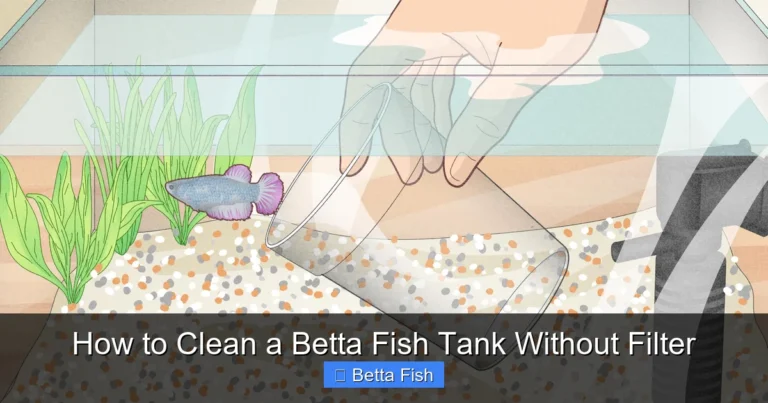
Use a siphon or turkey baster to suck out 25 to 50 percent of the water. Focus on the areas near the substrate where waste collects. This is called gravel vacuuming and it removes hidden debris effectively.
If you do not have a siphon, carefully pour out the water using a cup. Try to avoid disturbing the substrate too much.
Step 4: Rinse the Substrate
Take a small amount of the removed bowl water and rinse the gravel or substrate in a clean container. Swirl it around gently to release trapped waste. Rinse until the water runs mostly clear.
Step 5: Clean the Bowl Walls
Use a soft sponge or algae pad to wipe down the inside walls. Remove any algae buildup. Never use soap, bleach, or chemical cleaners. Residue from these products is lethal to bettas.
Step 6: Add Fresh Conditioned Water
Fill the bowl with treated water that matches the temperature of the existing water. Add water conditioner to neutralize chlorine and chloramine. Pour slowly to avoid disturbing the substrate.
Step 7: Return Your Betta
Gently release your betta back into the clean bowl. Watch it for a few minutes to make sure it adjusts well. Some bettas may rest a bit after a water change, which is completely normal.
For a more detailed walkthrough, check out our guide on how to clean a betta fish bowl without filter if you do not use filtration.
Common Mistakes to Avoid When Cleaning a Betta Bowl
Many well-meaning owners make mistakes that harm their fish. Here are the most common errors and how to avoid them.
Over-Cleaning the Bowl
Some owners clean the bowl too frequently or too thoroughly. This kills beneficial bacteria that naturally process waste. The result? Ammonia spikes that are even more dangerous than a slightly dirty bowl. Stick to a gentle, consistent routine rather than aggressive cleans.
Using Tap Water Without Conditioner
Tap water contains chlorine and chloramine that are toxic to bettas. Always use a water conditioner before adding water to the bowl. This is a non-negotiable step in betta fish care. A good conditioner neutralizes these chemicals instantly.
Changing All the Water at Once
Never replace 100 percent of the water during a cleaning session. This wipes out the entire beneficial bacteria colony. Your bowl needs these bacteria to maintain a healthy nitrogen cycle. Partial changes are always the safer approach.
Using the Wrong Temperature Water
Bettas are tropical fish and need warm water between 76 and 82 degrees Fahrenheit. Adding cold or hot water shocks their system. Always match the temperature of the new water to the existing bowl water. Use a thermometer if needed.
Overfeeding Before Cleaning
Overfeeding creates excess waste that fouls the water quickly. Feed your betta small amounts 1 to 2 times a day. Remove any uneaten food within 2 minutes. This makes your cleaning routine much easier and keeps the bowl fresher longer.
Tips for Keeping Your Betta Bowl Cleaner Longer
Prevention is the best approach. A few smart habits can reduce how often you need to deep clean your bowl.
- Do not overfeed: Feed small portions and remove leftovers quickly. Less food means less waste.
- Add live plants: Plants absorb nitrates and help keep the water naturally clean. Check out our guide on setting up a betta fish bowl with a plant for ideas.
- Use a filter: A small filter helps circulate water and supports beneficial bacteria. It significantly reduces how often you need to clean.
- Keep the bowl out of direct sunlight: Direct sunlight causes rapid algae growth. Place the bowl in a spot with indirect light.
- Test water regularly: Use a simple test kit to check ammonia, nitrite, and nitrate levels. This helps you catch problems before they become serious.
- Perform regular maintenance: Consistent partial water changes are easier than occasional deep cleans. A little effort every few days saves you a lot of work later.
For more advice on long-term care, visit our article on how to maintain a betta fish bowl. It covers feeding schedules, water testing, and seasonal adjustments that keep your betta thriving year-round.
Expert Insight: The Nitrogen Cycle and Your Betta Bowl
Understanding the nitrogen cycle helps you appreciate why regular cleaning matters. Fish waste produces ammonia, which is toxic. Beneficial bacteria convert ammonia into nitrite, and then nitrite into nitrate. Nitrate is much less harmful and gets removed through water changes.
In a small bowl, these bacteria colonies are limited. That is why you need to manually remove waste through regular water changes. Skipping cleanings allows ammonia and nitrite to build up to dangerous levels. This is the leading cause of illness and death in pet bettas.
A simple way to support this cycle is to never clean all your filter media at once. Rinse it in old tank water instead of tap water. This preserves the bacteria that do the heavy lifting for you.
Also, if you are curious about cleaning frequency for larger setups, our article on how often to clean a betta fish tank offers additional guidance for tanks and bowls alike.
How Often to Clean a Betta Fish Bowl With and Without a Filter
The presence or absence of a filter changes your cleaning schedule significantly. Here is a quick comparison.
Betta Bowl Without a Filter
Unfiltered bowls need more hands-on maintenance. You should do partial water changes every 3 to 4 days for small bowls. Full bowl cleaning may be needed every week or every other week. Without a filter, there are no helpful bacteria colonies to process waste. You become the primary cleaning system.
For detailed instructions on unfiltered setups, read our guide on how to clean a betta fish bowl without filter.
Betta Bowl With a Filter
Filtered bowls are more forgiving. The filter houses beneficial bacteria that break down waste between water changes. You can stretch partial water changes to every 5 to 7 days. Full cleaning might only be needed every 3 to 4 weeks. However, you still need to clean the filter media gently and regularly.
Remember that filters do not eliminate the need for water changes. They simply reduce the frequency and make maintenance easier.
Conclusion
Knowing how often to clean a betta fish bowl is the foundation of good betta care. Stick to a routine of partial water changes every few days and a full clean every 1 to 2 weeks. Watch for warning signs like cloudy water or a bad smell. Avoid common mistakes like over-cleaning or using untreated tap water. With a consistent routine and a little effort, your betta will live a long, healthy, and happy life in a sparkling clean bowl.
Start today. Pick a day that works for you and build a cleaning habit. Your betta will thank you with vibrant colors and energetic swimming every single day.
Frequently Asked Questions
How often should I do a full water change for my betta bowl?
A full water change is usually needed every 1 to 2 weeks for small bowls. For larger 5-gallon setups with a filter, you can stretch it to every 3 to 4 weeks. Always monitor water quality and adjust as needed.
Can I use bottled water instead of tap water for my betta bowl?
Yes, bottled spring water or purified water works well. Just make sure it does not contain chlorine or additives. Always condition the water or choose a brand specifically safe for aquarium use. Avoid distilled water as it lacks essential minerals.
How do I know if my betta’s water has too much ammonia?
Signs include cloudy water, a strong chemical smell, and your betta gasping at the surface. Use a liquid test kit to confirm ammonia levels. If ammonia reads above 0 ppm, do a partial water change immediately.
Should I clean my betta bowl more often if I have plants in it?
Live plants help absorb waste and keep the water cleaner. You may be able to extend the time between water changes slightly. However, plants do not eliminate the need for regular maintenance. Continue with your partial water change schedule.
What is the best tool for cleaning a small betta bowl?
A turkey baster or small siphon works perfectly for removing dirty water and gravel debris. A soft sponge or algae pad handles wall cleaning. Avoid sponges that have been used with household cleaners. Keep a dedicated set of tools just for your fish bowl.
Is it okay to clean my betta bowl in the sink?
Yes, but make sure the sink is clean and free of soap residue. Use water that matches the bowl temperature. Never let the betta touch tap water directly. Always condition any new water before adding it back to the bowl.