How Often to Clean a Betta Fish Tank 1 Gallon
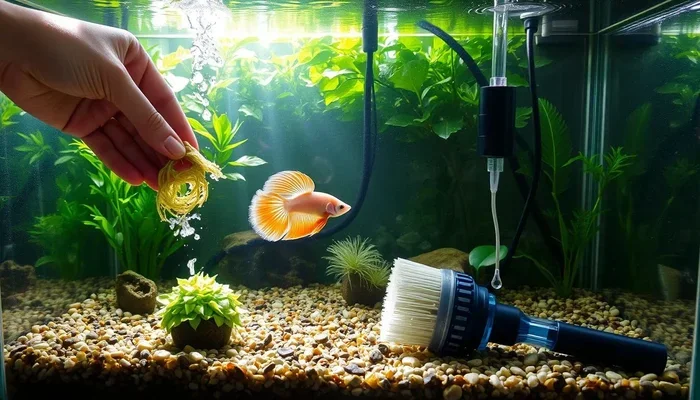
Cleaning a 1-gallon betta fish tank depends on several factors, but most tanks need a partial water change every 1 to 2 weeks. A 1-gallon betta tank is small, so waste builds up fast. Keeping a consistent cleaning schedule helps your betta stay healthy, active, and colorful for years to come.
Keeping a betta fish in a 1-gallon tank can be a rewarding experience. These colorful little fish are hardy and low-maintenance. But they still need a clean home to thrive. Many new fish owners wonder how often they should clean a small tank like this. The answer is more often than you might think.
A 1-gallon betta fish tank holds very little water. That means waste, uneaten food, and chemicals build up quickly. Without regular cleaning, your betta can get sick. In this guide, we will walk you through exactly how often to clean a 1-gallon betta tank, what steps to follow, and how to avoid common mistakes. Whether you are a beginner or a seasoned fish keeper, this guide has you covered.
Key Takeaways
- 1-Gallon tanks need frequent attention: Partial water changes every 1 to 2 weeks are essential for small tanks.
- Waste builds up fast in small volumes: A 1-gallon tank has little water to dilute ammonia and toxins.
- Watch for warning signs: Cloudy water, bad smells, and algae growth tell you it is time to clean.
- Avoid over-cleaning: Too-frequent full water changes can stress your betta and remove beneficial bacteria.
- Use the right tools: A small siphon, turkey baster, and dechlorinator make 1-gallon cleaning easy.
- Prevention matters: Don’t overfeed and add live plants to reduce the need for frequent cleaning.
📑 Table of Contents
- Why Cleaning Frequency Matters for a 1-Gallon Tank
- How Often Should You Clean a 1-Gallon Betta Tank?
- Step-by-Step Cleaning Routine for a 1-Gallon Tank
- Signs Your 1-Gallon Tank Needs Cleaning
- Common Mistakes People Make When Cleaning a 1-Gallon Tank
- Tips for Keeping Your 1-Gallon Tank Cleaner Longer
- How Cleaning a 1-Gallon Tank Compares to Larger Tanks
- Expert Insights: What Experienced Betta Keepers Say
- Key Takeaways
Why Cleaning Frequency Matters for a 1-Gallon Tank
Water quality is the single most important factor in your betta’s health. In a small fish tank, water conditions change fast. Unlike larger tanks, a 1-gallon setup has very little buffer. This means toxins can reach dangerous levels quickly if you do not stay on top of maintenance.
Here is why frequency matters so much:
- Ammonia builds up fast: Fish waste and leftover food break down into ammonia. In a 1-gallon tank, even a small amount of waste can spike ammonia levels fast.
- No room for error: A 5-gallon tank can absorb mistakes better. A 1-gallon tank cannot.
- Betta fish are sensitive: Poor water quality causes stress, disease, and shortened lifespan in bettas.
- Temperature stays stable in small tanks: But so do toxins. You need to address both.
When you clean a betta fish tank regularly, you remove harmful buildup before it becomes a problem. Think of it like taking out the trash in your home. The longer you wait, the worse it gets.
How Often Should You Clean a 1-Gallon Betta Tank?
The general rule for a 1-gallon betta tank is to perform a partial water change every 1 to 2 weeks. But this can vary based on several factors. Let us break it down.
Partial Water Changes: The Gold Standard
You should never do a full water change in a 1-gallon betta tank every week. That removes too much of the beneficial bacteria your tank needs. Instead, aim to replace about 25 to 50 percent of the water every 1 to 2 weeks.
Here is a simple schedule you can follow:
- Every 1 week: Replace 25 to 30 percent of the water. Best for tanks with no filter.
- Every 2 weeks: Replace 30 to 50 percent of the water. Works well if you have a small sponge filter.
If you notice the water getting cloudy or smelly before your scheduled change, do it early. Do not wait.
Factors That Change Your Cleaning Schedule
Several things can affect how often you need to clean your betta tank:
- Feeding habits: Overfeeding creates more waste. If you feed your betta twice a day, you may need to clean more often.
- Tank decorations: Lots of decorations hide waste and make cleaning harder.
- Filter presence: A filter helps, but it still needs maintenance. A clogged filter does not work well.
- Live plants: Plants absorb some waste, which can extend the time between cleanings.
- Tank placement: A tank in direct sunlight grows algae faster, requiring more frequent attention.
If you want a deeper look at tank-specific cleaning routines, check out our guide on how to clean a 1 gallon betta fish tank for step-by-step instructions.
Step-by-Step Cleaning Routine for a 1-Gallon Tank
Cleaning a 1-gallon betta tank does not take long. With the right tools, you can do it in about 15 minutes. Here is exactly what to do.
Step 1: Gather Your Supplies
Before you start, make sure you have these items ready:
- A small bucket or container for old water
- A turkey baster or small siphon
- Water conditioner (dechlorinator)
- A clean sponge or soft cloth
- A thermometer to check new water temperature
Step 2: Remove Your Betta Safely
Use a small net to gently transfer your betta into a clean container with some of the original tank water. This keeps your fish calm and safe during the cleaning process.
Step 3: Remove Dirty Water
Use a turkey baster or small siphon to suck up debris from the gravel and corners. Remove about 25 to 50 percent of the water. Watch for cloudy spots or waste buildup near the bottom.
Step 4: Clean the Tank Walls
Use a clean sponge to wipe the inside glass. Remove any algae spots. Do not use soap or chemicals. Even a tiny residue can harm your betta.
Step 5: Add Fresh Water
Fill the tank with fresh, dechlorinated water. Make sure the new water matches the temperature of the original water. Use your thermometer to check. Add water conditioner if needed.
Step 6: Reintroduce Your Betta
Gently place your betta back into the tank. Watch for a few minutes to make sure your fish settles in comfortably.
For more detailed guidance on cleaning small tanks, you may also want to read our article on how to clean a small betta fish tank.
Signs Your 1-Gallon Tank Needs Cleaning
Sometimes you do not need to follow a strict schedule. Instead, you can watch for signs that your tank needs attention. Here are the most common indicators:
- Cloudy water: This is often the first sign of waste buildup. If your water looks milky, it is time for a change.
- Bad smell: A rotten or foul odor coming from the tank means ammonia is rising. Clean it right away.
- Algae growth: Green or brown spots on the glass mean your tank is getting too much light or nutrients are building up.
- Your betta is less active: A stressed betta will hide more, eat less, and look dull. Poor water quality is a common cause.
- Floating debris: Food particles or waste floating around means you are not removing enough during water changes.
If you notice any of these signs, do a water change immediately. It is always better to clean early than to wait too long.
Common Mistakes People Make When Cleaning a 1-Gallon Tank
Even well-meaning fish owners make mistakes. Here are the most common ones to avoid:
Mistake 1: Doing a Full Water Change Every Week
This might seem like a good idea, but it is not. A full water change removes all the beneficial bacteria that help break down waste. In a 1-gallon tank, this can crash your nitrogen cycle. Stick to partial water changes instead.
Mistake 2: Using Tap Water Without Conditioner
Tap water contains chlorine and chloramine. These chemicals are harmful to betta fish. Always use a water conditioner before adding new water to your tank.
Mistake 3: Cleaning Too Aggressively
Scrubbing the gravel too hard or rinsing filter media with tap water can destroy good bacteria. Be gentle during cleaning. Rinse filter media in old tank water, never in tap water.
Mistake 4: Overfeeding Your Betta
Extra food sinks to the bottom and rots. This creates ammonia fast. Feed your betta only what it can eat in 2 minutes, once or twice a day.
Mistake 5: Ignoring the Filter
Even small tanks benefit from a filter. But many people forget to clean or replace filter media regularly. A dirty filter does more harm than good.
For more tips on avoiding cleaning errors, read our guide on how often to clean a betta fish tank for general best practices.
Tips for Keeping Your 1-Gallon Tank Cleaner Longer
Prevention is the best approach. If you can reduce waste buildup, you will not need to clean as often. Here are some practical tips:
- Feed less: Smaller portions mean less uneaten food and less waste.
- Add live plants: Plants absorb nitrates and compete with algae for nutrients. Even small plants work well in a 1-gallon tank.
- Use a sponge filter: A tiny sponge filter helps maintain beneficial bacteria and keeps water clearer longer.
- Do not overcrowd the tank: A 1-gallon tank is for one betta only. Adding other fish increases waste dramatically.
- Place the tank away from direct sunlight: This slows algae growth and keeps the water cleaner.
- Use a gravel vacuum during water changes: This removes hidden waste from the substrate that a regular water change misses.
These small habits add up. Over time, they make your cleaning routine faster and easier. Your betta will also be happier and healthier.
How Cleaning a 1-Gallon Tank Compares to Larger Tanks
It helps to understand how a 1-gallon tank differs from larger setups. Here is a quick comparison:
| Tank Size | Water Change Frequency | % of Water Changed |
|---|---|---|
| 1 gallon | Every 1 to 2 weeks | 25 to 50% |
| 2.5 gallons | Every 2 weeks | 20 to 30% |
| 5 gallons | Every 2 to 3 weeks | 20 to 25% |
| 10 gallons | Every 3 to 4 weeks | 15 to 25% |
As you can see, smaller tanks need more frequent cleaning. A 1-gallon tank demands the most attention. If you ever upgrade to a larger tank, your schedule will become more relaxed.
Expert Insights: What Experienced Betta Keepers Say
Seasonal betta keepers agree on one thing: consistency beats perfection. You do not need to be flawless with your cleaning routine. But showing up regularly makes a huge difference.
Many experienced owners recommend setting a reminder on your phone. This helps you stay on track with your 1-gallon tank cleaning schedule. Others suggest keeping a small log of water changes, parameters, and observations. Over time, you will start to notice patterns and adjust your routine accordingly.
Some keepers also swear by dosing beneficial bacteria supplements during water changes. This helps replenish the good bacteria you remove when you take out old water. It is a simple trick that can stabilize your tank faster.
Key Takeaways
- A 1-gallon betta tank needs partial water changes every 1 to 2 weeks. This is the foundation of a healthy cleaning routine.
- Watch for warning signs like cloudy water, bad smells, and algae growth to know when to clean.
- Avoid common mistakes such as full water changes, using untreated tap water, and overfeeding.
- Prevention helps: Live plants, sponge filters, and proper feeding reduce the need for frequent cleaning.
- Consistency is key: A regular schedule keeps your betta healthy and your tank looking great.
Cleaning a 1-gallon betta fish tank does not have to be complicated. With a simple routine and the right tools, you can keep your betta happy and healthy. Stick to a schedule, watch for warning signs, and make adjustments as needed. Your little fish will thank you with vibrant colors and lively behavior.
Remember, every tank is different. Use this guide as a starting point and adapt based on what you see in your own setup. The more you observe your betta and your water, the better you will understand its needs.
Frequently Asked Questions
How often should I clean a 1-gallon betta fish tank?
You should perform a partial water change every 1 to 2 weeks. Replace about 25 to 50 percent of the water each time. If your tank has no filter, lean toward weekly cleanings. If you have a small sponge filter, every 2 weeks may work fine.
Can I clean my betta tank too often?
Yes, over-cleaning can be harmful. Doing full water changes too frequently removes beneficial bacteria that keep your tank stable. Stick to partial water changes and avoid cleaning more than once a week unless the water quality demands it.
What is the best way to clean a 1-gallon betta tank?
The best method is a gentle partial water change using a turkey baster or small siphon. Remove debris from the gravel, wipe the glass with a clean sponge, and add dechlorinated water at the same temperature as the tank water.
Do I need a filter in a 1-gallon betta tank?
A filter is not required, but it helps. A small sponge filter can reduce waste buildup and support beneficial bacteria. If you do not use a filter, you will need to clean the tank more frequently.
How do I know if my betta tank is dirty?
Look for cloudy water, a foul smell, algae growth on the glass, or your betta acting lethargic. These are clear signs that your tank needs a water change or a deeper cleaning session.
Can I use soap or chemicals to clean my betta tank?
Never use soap, bleach, or harsh chemicals. Even tiny residues can be lethal to betta fish. Stick to warm water and a clean sponge for tank walls. Use water conditioner for all new water added to the tank.