How to Move a Betta Fish Cross Country
Moving a betta fish cross country requires careful planning and the right supplies to keep your fish safe and healthy. This guide walks you through every step, from pre-move preparation and choosing the best transport method to setting up your betta at the new home. You will learn proven tips to reduce stress, maintain water quality, and help your betta adjust after a long journey.
Moving across the country is stressful enough without worrying about your betta fish. Whether you are relocating for a new job, starting fresh in a new city, or simply chasing a better climate, your colorful companion deserves a safe journey too.
A betta fish cross country move is not something you should wing. These little fish are sensitive to temperature changes, water quality shifts, and physical disturbance. But with the right approach, you can transport your betta safely and set them up for a smooth transition at your new place.
This guide covers everything you need to know about how to move a betta fish cross country. We will walk you through pre-move prep, packing strategies, transport options, and post-move care. By the end, you will feel confident and ready to make the journey with your betta in great shape.
Key Takeaways
- Plan ahead: Start preparing at least a week before moving day to ensure everything is ready for your betta fish.
- Use the right container: A clean, sturdy plastic bag or dedicated fish transport container keeps your betta safe during travel.
- Control temperature: Maintaining stable water temperature is critical to prevent shock and stress during cross country transport.
- Acclimate slowly: Gradually introducing your betta to new water conditions at the destination helps reduce post-move stress.
- Monitor closely: Watch for signs of stress or illness in the days following the move and act quickly if needed.
- Keep feeding minimal: Avoid feeding your betta right before transport to keep the water clean and reduce waste.
📑 Table of Contents
- Why Moving a Betta Fish Cross Country Is Tricky
- Pre-Move Preparation: Getting Your Betta Ready
- Choosing the Best Transport Method
- Temperature Control During Transport
- Setting Up at Your New Home
- Common Mistakes to Avoid When Moving a Betta Fish
- Expert Tips for a Stress-Free Betta Move
- How to Tell if Your Betta Is Adjusting After the Move
- Final Thoughts on Moving Your Betta Fish Cross Country
Why Moving a Betta Fish Cross Country Is Tricky
Betta fish are tropical creatures that thrive in stable conditions. A cross country trip introduces many variables that can throw their environment off balance. Understanding these challenges helps you plan better and avoid common pitfalls.
First, bettas are sensitive to temperature swings. A drop or spike of just a few degrees can cause serious stress. Second, water quality changes during transport because waste builds up quickly in small containers. Third, the physical movement of a vehicle can agitate the water and frighten your fish.
Long distance fish move logistics also matter. You cannot simply toss your betta in a bag and hope for the best. Every decision, from the container you use to how long the trip takes, affects your fish’s wellbeing. The good news is that thousands of fish owners successfully relocate their bettas every year by following proven methods.
Pre-Move Preparation: Getting Your Betta Ready
Preparation is the most important part of any betta fish relocation. Starting early gives you time to gather supplies, adjust routines, and reduce last-minute stress for both you and your fish.
Schedule a Water Change Before the Move
Do a 25 to 50 percent water change two to three days before moving day. This removes excess waste and gives your betta a fresh, clean environment to start the journey in. Use dechlorinated water that matches the current tank temperature.
Stop Feeding 24 Hours Before Transport
Skip the last meal before your trip. A full stomach produces more waste, which fouls the water quickly in a small transport container. Betta fish can easily go 24 to 48 hours without food, so this will not harm them.
Gather Your Transport Supplies
You will need a few key items before you start packing:
- A clean, sturdy plastic bag or fish transport container
- A portion of the original tank water (about one to two cups)
- A thermometer to monitor temperature
- A dark towel or cloth to cover the container
- Sealable bags and rubber bands
- A small battery-powered air pump (optional but helpful)
Choosing the Best Transport Method
Not all transport methods are created equal. Your choice depends on the distance, your budget, and how long the trip will take. Here are the most common options for moving a betta fish long distance.
Method 1: The Double-Bag Method
This is the simplest and most popular approach. Fill a clean plastic bag halfway with tank water, gently place your betta inside, and tie it off. Then, place that bag inside a second bag and tie it off as well. The double layer adds a safety cushion in case the first bag leaks.
Fill the bag with enough air or oxygen to keep the water oxygenated. Many pet stores sell pure oxygen canisters that work great for this purpose. This method works well for trips under eight hours.
Method 2: A Dedicated Fish Transport Container
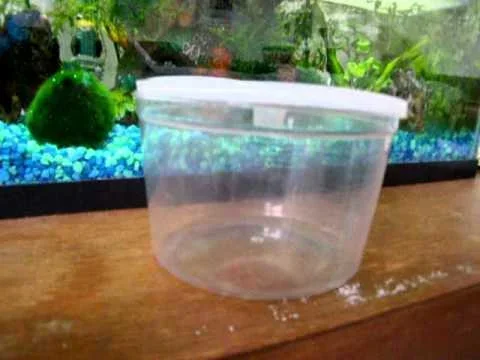
Hard-sided fish transport containers are sturdier than bags and offer better protection. They come in various sizes and often have secure lids and ventilation. These containers are ideal for longer trips or if you are concerned about leaks or breakage.
Look for containers specifically designed for fish transport. They are usually made from durable plastic and can handle the jostling of a long car ride. Some models even come with built-in filtration for extended trips.
Method 3: A Small Temporary Tank
If you are moving a short distance or have a very long trip ahead, consider using a small portable tank. A five-gallon bucket or small plastic bin with a lid works well. Fill it with tank water, add an air stone, and keep the temperature stable.
This method is the most comfortable for your betta but also the heaviest and bulkiest. It is best suited for drivers who can keep the container stable and at a consistent temperature throughout the ride.
Temperature Control During Transport
Temperature control is arguably the most critical factor in a successful cross country move. Betta fish are tropical and need water temperatures between 76 and 82 degrees Fahrenheit. Anything outside this range can cause shock, lethargy, or even death.
In winter, wrap the transport container in towels or a small blanket to retain heat. In summer, keep the container out of direct sunlight and away from hot car seats. You can also use insulated cooler bags to help maintain a stable temperature during the journey.
If your trip involves overnight stops, keep the container in a climate-controlled room. Never leave it in a cold car overnight or in a hot car parked in direct sun. Keeping the temperature steady is one of the simplest ways to protect your betta during a long move.
Setting Up at Your New Home
Once you arrive, the way you introduce your betta to the new environment matters a lot. Rushing this step can cause unnecessary stress and even illness. Take your time and follow these steps carefully.
Set Up the Tank Before the Move
If possible, set up your betta tank at the new location before you bring your fish home. Let the water run and cycle for at least 24 hours. This ensures the water parameters are stable and safe for your betta. Use a water conditioner to neutralize chlorine and chloramine from tap water.
Float the Bag for Acclimation
When you are ready to introduce your betta to the new tank, float the sealed transport bag on the water surface for 15 to 20 minutes. This allows the water temperatures inside and outside the bag to equalize. After that, slowly add small amounts of the new tank water into the bag over the next 20 to 30 minutes.
Then gently net your betta out of the bag and release it into the new tank. Do not pour the transport water into the new tank, as it may contain waste or contaminants from the journey.
Monitor Your Betta Closely
For the first 48 to 72 hours after the move, watch your betta closely. Look for signs of stress such as clamped fins, loss of color, refusal to eat, or hiding in corners. Most bettas adjust within a few days, but some need extra attention.
Keep the tank lights dim during the first day to help your fish settle in. Avoid handling the tank or making loud noises near the setup. If your betta seems particularly stressed, you can add a small amount of aquarium salt to help with betta fish stress relief.
Common Mistakes to Avoid When Moving a Betta Fish
Even the best intentions can lead to problems if you make common mistakes. Here are the errors most fish owners make when relocating their bettas:
- Using tap water without conditioning: Chlorine and chloramine in untreated tap water can harm or kill your betta. Always use a water conditioner.
- Overfeeding before the move: Excess food decays quickly in a small container and spikes ammonia levels. Skip the meal.
- Leaving the container in direct sunlight: Rapid temperature increases can be fatal. Keep the transport container in a shaded, stable area.
- Opening the bag too soon at the destination: Let the temperatures equalize before releasing your fish. Sudden exposure to different water conditions causes shock.
- Skipping the acclimation process: Dumping your betta directly into new water without acclimation is one of the fastest ways to stress them out.
- Ignoring water quality at the destination: Make sure the new tank is fully cycled before introducing your betta. Uncycled water contains harmful ammonia and nitrite.
Expert Tips for a Stress-Free Betta Move
Experienced fish keepers have shared their best practices for betta fish travel tips that can make your move smoother:
- Take a water sample from your current tank. Using familiar water reduces the shock of a new environment. If you are using a container without a filter, a small amount of your old water helps maintain beneficial bacteria.
- Keep the container dark during transport. Betta fish feel safer in dim conditions. Covering the bag or container with a cloth reduces visual stimulation and calms them down.
- Drive smoothly. Avoid sudden stops and sharp turns. Smooth driving keeps the water calm and reduces the chance of your fish injuring itself against the container walls.
- Bring your betta with you. Never ship a betta via standard mail or parcel service unless you are using a specialized live animal carrier. The postal system cannot guarantee temperature control or proper handling.
- Consider a quarantine period. After the move, keep your betta in a separate quarantine tank for a few days if possible. This lets you observe their health without the stress of a new community tank environment.
How to Tell if Your Betta Is Adjusting After the Move
It usually takes three to seven days for a betta to fully adjust to a new environment. During this time, you should see gradual improvements in behavior and appetite. Here are signs your betta is settling in well:
- Exploring the tank and swimming actively
- Eating normally within the first day or two
- Showing bright, vibrant colors
- Building a bubble nest (a great sign of a happy betta)
- Flaring fins occasionally at their reflection
If your betta is still hiding, not eating, or showing faded colors after a week, check the water parameters. Test for ammonia, nitrite, and nitrate levels. Poor water quality is the most common cause of post-move health issues. You may also want to check if the temperature is stable and within the ideal range.
For more guidance on helping your fish recover from a stressful event, check out our article on how to treat a stressed betta fish. It covers practical steps you can take right away to comfort your fish and restore their health.
Final Thoughts on Moving Your Betta Fish Cross Country
Moving a betta fish cross country is entirely doable with the right preparation and care. The key is to plan ahead, keep conditions stable, and introduce your fish to the new home gradually. Every step you take, from pre-move water changes to careful acclimation at the destination, makes a real difference in how your betta handles the transition.
Remember that your betta is a resilient little fish. With proper temperature control, clean water, and a calm environment, they can recover from even a long journey. Trust the process, be patient, and give your betta the time it needs to feel at home in its new surroundings.
If you want more tips on general betta care before or after the move, our guide on how to care for a betta fish 101 is a great resource. It covers feeding, tank setup, water maintenance, and common health issues that every betta owner should know about.
By following the steps in this guide, you are giving your betta fish the best possible chance at a safe, comfortable cross country move. Your little companion is in good hands, and with your thoughtful care, they will be exploring their new home in no time.
Frequently Asked Questions
How long can a betta fish survive in a transport bag?
A healthy betta fish can survive in a properly oxygenated transport bag for up to 8 to 12 hours. For longer trips, use a larger container with an air stone or make stops to refresh the water. Always keep the temperature stable during the journey.
Can I use tap water to fill the transport bag for my betta fish?
No, always use water from your betta’s current tank for the transport bag. Tap water contains chlorine and chloramine that can harm your fish. If you need to add fresh water, treat it with a water conditioner first and match the temperature exactly.
Should I bring my betta fish with me in the car or ship them?
It is always safer to bring your betta with you in the car rather than shipping them. Postal services and standard carriers cannot guarantee proper temperature control or handling. If you must ship your betta, use a specialized live animal carrier with climate control.
How do I keep my betta fish warm during a cold-weather cross country move?
Wrap the transport container in towels or blankets to insulate it. You can also place a heat pack wrapped in a cloth near (not touching) the container. Monitor the temperature with a thermometer and avoid placing the container near cold car windows or air vents.
How long does it take for a betta fish to adjust after a cross country move?
Most betta fish adjust within three to seven days. During this period, keep the tank lights dim, avoid disturbing the tank, and offer small amounts of food once per day. If your betta is still showing signs of stress after a week, test the water parameters and make adjustments as needed.
What should I do if my betta fish refuses to eat after the move?
A temporary loss of appetite is normal after a move and can last one to three days. Offer small amounts of food once daily and remove any uneaten food promptly. If your betta still refuses to eat after three days, check the water temperature and quality, and consider adding a small amount of aquarium salt to help reduce stress.