Where to Buy a Female Betta Fish
Finding a healthy female betta fish requires knowing where to look. Reputable online breeders and specialty aquarium shops are your top choices for quality and variety. Avoid big-box stores for the best start. Always inspect for active behavior and pristine fins before purchasing your new female betta.
So, you’ve decided to welcome a stunning female betta fish into your home. Excellent choice! While the flashy, solitary male betta (or Siamese fighting fish) often steals the spotlight, female bettas offer their own unique charm. They tend to have slightly shorter, more rounded fins, but their personalities are just as bold, and their colors can be equally spectacular. More importantly, with the right setup, they can often be kept in peaceful groups called sororities, offering a dynamic and beautiful community tank. But before you can enjoy that, you face the most critical first step: where to buy a female betta fish. The source you choose will dramatically impact your new pet’s health, temperament, and your overall success as a betta keeper. This comprehensive guide will navigate you through every option, from your local pet store to a dedicated breeder’s website, arming you with the knowledge to make a safe, happy, and healthy choice.
Key Takeaways
- Reputable breeders are the gold standard: They offer healthier, hardier fish with known genetics and often better customer support than mass retailers.
- Local specialty aquarium shops beat chain stores: Knowledgeable staff and better fish care practices make local shops a far superior option to large pet store chains.
- Online requires diligent research: Buying online offers vast selection but demands you vet shipping policies, health guarantees, and breeder reviews thoroughly.
- Health inspection is non-negotiable: Learn the signs of a vibrant, healthy female betta—active swimming, erect fins, and no signs of decay or disease.
- Female bettas have unique social needs: Unlike males, they can often live in sororities, but proper research and tank setup are critical for success.
- Post-purchase care starts immediately: A proper acclimation process and a cycled, heated tank are essential for your new female betta to thrive from day one.
📑 Table of Contents
- Understanding the Female Betta: More Than Just “Not a Male”
- The Local Option: Pet Stores and Aquarium Shops
- The Online Frontier: Buying from Breeders and Specialists
- The Health Inspection: What to Look For, In-Person or On-Screen
- Shipping and Acclimation: The Make-or-Break Moment
- Post-Purchase: Setting Up for Success
- Conclusion: Investing in a Life
Understanding the Female Betta: More Than Just “Not a Male”
Before we dive into *where* to shop, it’s crucial to understand *what* you’re shopping for. Female bettas (Betta splendens) are not simply “lesser” versions of males. They are distinct individuals with their own needs and characteristics. This understanding will inform your purchasing decisions.
Physical Differences and Beauty
While males are famous for their extravagant, flowing caudal (tail) fins that can be several times their body length, females typically have shorter, more practical fins. This is an evolutionary adaptation; in the wild, shorter fins make for more efficient swimming and less risk of damage. However, through selective breeding, many female lines now boast beautiful, full Halfmoon or even Double Tail finnage. Their body shapes are often slightly rounder and less streamlined than a show male. Don’t make the mistake of overlooking a female for “less fin” – many possess breathtaking colors like metallic blues, vibrant reds, and intricate patterns (koi, marble, butterfly) that rival any male. Their beauty is in their robust, active presence and often stunning scale iridescence.
Temperament and Social Potential
This is the most important functional difference. Male bettas are almost universally solitary due to their intense territorial aggression towards other males. Females, however, have a more complex social structure. In the wild, they live in loose groups. In captivity, a carefully planned and spacious sorority tank (typically a minimum of 20 gallons for 5+ females) can be a successful and fascinating endeavor. This is not guaranteed, however. Individual personalities vary. Some females are docile, while others can be surprisingly territorial. This is why sourcing from a reputable seller who understands female betta behavior is so valuable—they can often provide insights into the specific temperament of a fish or line. When you buy a female betta, you are potentially opening the door to a community tank, a possibility nearly always closed with a male.
Longevity and Hardiness
There’s a common myth that females live longer than males. The truth is more nuanced. With proper care, both sexes can live 3-5 years, sometimes longer. However, due to generations of inbreeding for extreme finnage, many modern male bettas can be genetically weaker and more prone to fin rot or buoyancy issues. Females, especially those from lines bred for sorority temperament or from less extreme fin types, can sometimes be hardier. Their shorter fins are less prone to snagging and tearing. This potential for robustness is another point in favor of finding a quality source that prioritizes health over hyper-extended fins.
The Local Option: Pet Stores and Aquarium Shops
For many first-time fish owners, the local pet store is the default starting point. It’s convenient, and you can see the fish in person. However, not all local stores are created equal, and your experience can vary wildly.
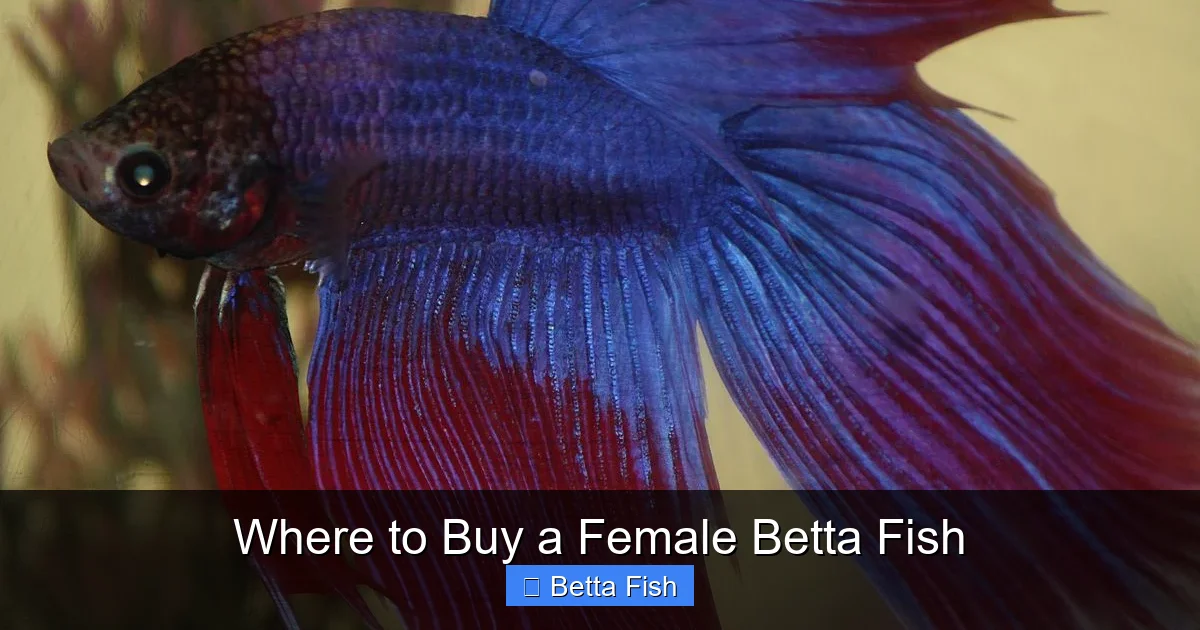
Visual guide about Where to Buy a Female Betta Fish
Image source: postposmo.com
Big-Box Pet Store Chains: Proceed with Extreme Caution
Stores like PetSmart, Petco, and their international equivalents are ubiquitous. Their primary advantage is accessibility and often low, introductory prices. However, when it comes to bettas—and especially finding a specific female—they are generally the least recommended source for several critical reasons:
- Poor Husbandry Standards: Betta cups are notorious. Fish are often shipped in tiny, heated boxes, then placed in small, unheated cups with dirty water. They may have been in that cup for weeks, suffering from chronic stress, pH crashes, and ammonia poisoning. This severely compromises their immune systems.
- Limited Selection & Mislabeling: You’ll almost certainly find only the most common, mass-produced varieties (like the standard “Veil Tail”). Finding a specific color or fin type, like a female Halfmoon or a Plakat, is rare. Furthermore, staff are notoriously untrained and frequently mislabel males as females, or vice versa. You cannot rely on their identification.
- High Turnover & Stress: The constant flow of new stock means individual fish get little attention. A betta sitting in a cup for a month is a betta that is likely sick, lethargic, or has fin rot.
- No Health Guarantee: These stores typically sell “as-is.” If your betta dies within 24 hours, you might get a replacement, but that’s often the extent of their liability. You have no recourse for longer-term, latent issues stemming from their poor initial care.
Practical Tip: If you *must* shop at a big-box store, inspect the fish meticulously. Choose from the newest arrivals (ask when the shipment came in). Look for a fish that is alert, with fully extended, undamaged fins, and vibrant color. Avoid any with clamped fins, frayed edges, white spots (ich), or fuzzy growths (fungus). Be prepared for a potentially higher mortality rate and a need for immediate, intensive care (like a hospital tank and medication).
Local Independent Aquarium Shops: The Local Sweet Spot
This is where your local search should focus. A true, locally-owned aquarium shop is a treasure trove for fish enthusiasts. The owners and staff are usually passionate hobbyists themselves.
- Expert Knowledge: They can accurately sex bettas. They know about fin types, color genetics, and tank compatibility. They can tell you if a specific female has shown any aggression in a community setting.
- Better Husbandry: While standards vary, most reputable local shops keep their bettas in much better conditions—often in filtered, heated quarantine systems rather than static cups. The fish are generally healthier and less stressed.
- Curated Selection: They often source from local breeders or trusted wholesalers. You might find unique varieties, including female Halfmoons, Crowntails, or even wild-type Bettas (Betta imbellis).
- Support & Guarantee: They offer invaluable advice for your specific setup. Many provide a short-term health guarantee (48-72 hours) and are a resource for questions long after the sale.
- Community Hub: These shops are often connected to local fish clubs. Ask about upcoming auctions or group buys—this can be a direct line to a local breeder’s stock.
How to Find One: Search for “local aquarium shop,” “fish store,” or “aquarium specialty store” in your area. Read Google reviews. A good shop will have clean tanks, healthy-looking fish across all species, and staff who ask you about your tank setup before selling you anything.
The Online Frontier: Buying from Breeders and Specialists
The internet has revolutionized access to high-quality bettas. You are no longer limited to what’s in your city’s shops. Buying online connects you directly with passionate, expert breeders across the country or even the world. This is arguably the best way to buy a female betta fish if you want a specific type, guaranteed sex, and a traceable lineage, but it comes with its own set of rules and risks.
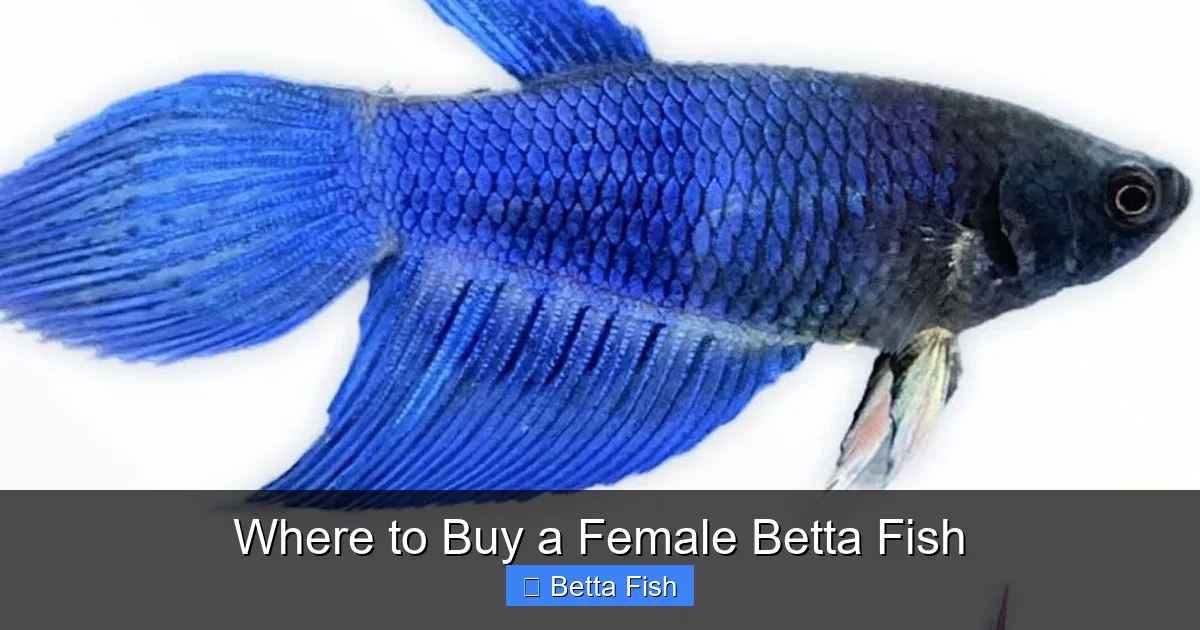
Visual guide about Where to Buy a Female Betta Fish
Image source: m.media-amazon.com
Types of Online Sellers
Not all online sellers are equal. Understanding the categories is key.
- Specialty Betta Breeders: These are your premier source. They are individuals or small operations who breed bettas as a serious hobby or business. They focus on specific lines (e.g., solid colors, koi, giant bettas, or specific fin types). They have deep genetic knowledge, practice selective breeding for health and temperament, and usually offer detailed photos/videos of their stock. They often have waitlists. Examples include well-known names in the community, but always search for breeders specializing in female bettas.
- Online Betta-Only Retailers: Websites dedicated solely to bettas (e.g., BettaFishCenter, Aquabid’s betta section, etc.). They source from various breeders and offer a wide catalog. Quality can vary, so you must vet the site itself. Look for transparent information about their breeders, shipping practices, and health guarantees.
- General Online Aquarium Retailers: Large sites that sell everything. They may have a betta section. The quality is often a mixed bag, sometimes comparable to a big-box store but with the convenience of shipping. This is a middle-ground option.
- Online Marketplaces (eBay, Etsy, Facebook Marketplace): High risk, high reward. You can find incredible deals and unique fish from hobbyist breeders. However, you also face potential scams, poor shipping practices, and no buyer protection. Extreme diligence is required. Always check seller feedback specifically for fish shipments.
The Critical Checklist for Vetting an Online Breeder/Seller
Never click “buy” without asking these questions and checking these boxes:
- Website & Transparency: Is there a professional website with an “About” page? Do they share information about their breeding philosophy, fish origins, and facility? A lack of information is a red flag.
- Photos & Video: Are the photos clear, well-lit, and taken from multiple angles? Do they show the fish in a clean, bare tank (no distracting decorations that hide flaws)? Absolute must: Do they provide a short video clip of the fish swimming? This is the single best way to assess activity, fin movement, and body condition. A breeder who won’t provide a video is hiding something.
- Sex Confirmation: Do they explicitly state “Female” and show clear visual proof (a vent shot or a video of the fish where the ovipositor—the small white bump under the gills—is visible)? Never trust a description alone.
- Health Guarantee & Shipping Policy: What is their policy if the fish arrives dead (DOA) or sick? A reputable seller will have a clear, fair policy (e.g., 48-hour DOA guarantee with photo proof). What are their shipping costs and methods? They should use overnight shipping with a heat/cold pack as needed and a guaranteed live delivery date (e.g., “Ship Monday for Tuesday delivery”). Do they ship to your state/country?
- Acclimation Instructions: Do they provide detailed drip acclimation instructions? This shows they care about the fish’s survival.
- Reviews & Community Reputation: Search for the breeder’s name + “review” on forums like Fishlore, Seriously Fish, or Reddit’s r/bettafish. See what other hobbyists say. A few bad reviews are normal, but a pattern of complaints about dead-on-arrival fish or poor communication is a major warning.
- Quarantine Practices: Do they mention that their fish are quarantined before sale? This means they are observed for disease for a period (2-4 weeks) after breeding or receiving new stock, reducing the risk of you buying a sick fish.
The Health Inspection: What to Look For, In-Person or On-Screen
Whether you’re staring at a cup at Petco or a video on a breeder’s site, the checklist for a healthy betta is the same. This is your most important skill.
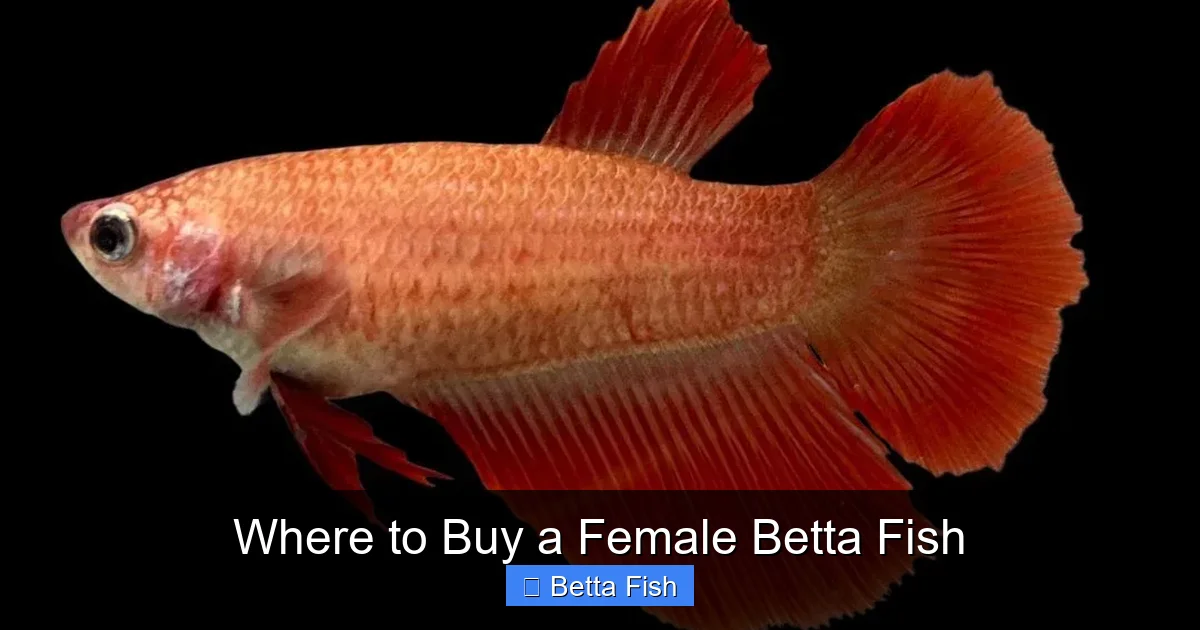
Visual guide about Where to Buy a Female Betta Fish
Image source: thailandbettafish.com
The Active, Alert Sign
A healthy betta is a curious, active betta. It should be swimming purposefully, not hovering listlessly at the top (unless it’s a known “surface breather” resting). In a video, it should be moving, flaring its gills slightly, or investigating its environment. Lethargy is the #1 sign of a sick fish.
Fin and Body Condition
Inspect the fins meticulously. They should be:
- Whole and Intact: No tears, holes, or ragged edges (signs of fin nipping or fin rot). The edges should be smooth.
- Erect and Flowing: When the fish is alert, its fins should be fully extended, not clamped tight to the body (a sign of severe stress or illness).
- Clean: No white, fuzzy growths (fungus), no cotton-like tufts (columnaris), no gold or rust-colored dust (ich).
The body should be smooth, without lumps, bumps, or sores. The scales should lie flat. The eyes should be clear, not cloudy or protruding (pop-eye). The gill covers should move rhythmically without effort, and the gills should be a deep red (or matching the fish’s color), not pale or inflamed.
Color and Luster
Betta color is subjective, but health is not. A healthy betta will have vibrant, saturated color that seems to “glow” due to iridescence. Dull, faded, or patchy color can indicate poor health, stress, or underlying disease. Some color patterns (like marble) can change over time, but the base color should still be rich.
Behavioral Cues
Watch for flaring (gills spreading). A healthy betta will flare at its own reflection or a sudden movement. This is a sign of vitality. Also, watch for “bubbling” – the male’s nest-building instinct. While less common in females, some will still blow bubbles if they are particularly healthy and in good condition. This is a great sign!
Shipping and Acclimation: The Make-or-Break Moment
If you buy online, shipping is the most dangerous part of the journey for your betta. A good seller minimizes risk; you must do your part upon arrival.
What Reputable Sellers Do Right
They use:
- Proper Bagging: A large, thick, oxygenated bag with clean, treated water. Often, they use a triple bag for safety.
- Insulation: A sturdy cardboard box with insulating material (styrofoam, crumpled paper) to buffer against temperature extremes.
- Temperature Control: A heat pack for cold weather or a cold pack for hot weather, placed correctly to avoid direct contact with the bag.
- Overnight Shipping: Always. No “2-day” shipping for live fish.
- DOA Policy: A clear, fair policy as mentioned before.
Your Acclimation Protocol: Drip Acclimation is Mandatory
When your fish arrives, the bag will have a small amount of water and a lot of air. The fish is in its own waste. Do not just float the bag. You must do a slow drip acclimation to equalize the water parameters (pH, temperature, hardness) between the bag water and your tank water. This process is stressful for the fish but is non-negotiable for its survival. A standard 1-2 hour drip acclimation is the industry best practice. Have a clean container (a small bucket or large bowl) ready. Float the sealed bag in your tank for 15-30 minutes to equalize temperature. Then, open the bag and use airline tubing to create a slow siphon (2-4 drops per second) from your tank into the bag. Once the bag volume has doubled, gently net the betta and transfer it to your tank. Discard the bag water. Do not pour bag water into your tank. Your seller should provide these instructions; if they don’t, be wary.
Post-Purchase: Setting Up for Success
Your female betta’s new home is waiting. The purchase is just the beginning. A proper tank setup is the ultimate guarantee of its long-term health and happiness.
The Tank: Size and Setup
Forget the “betta in a vase” myth. A single female betta deserves a minimum of a 5-gallon (20L) tank. For a sorority (4-6 females), you need a minimum of 20 gallons (75L), heavily planted with vertical and horizontal hiding spots to break lines of sight. The tank must be:
- Cycled: This is the most important step. A “cycled” tank has an established population of beneficial bacteria that process toxic fish waste (ammonia and nitrite) into less harmful nitrate. This cycle takes 4-6 weeks. Do not put a betta in an uncycled tank. Use a water test kit (API Freshwater Master Kit) to confirm zero ammonia and zero nitrite before adding your fish.
- Heated: Bettas are tropical fish. A stable temperature of 78-80°F (25.5-26.5°C) is ideal. Use a reliable, fully-submersible aquarium heater with a thermostat.
- Filtered: A gentle filter is essential for biological filtration. A sponge filter is perfect for bettas—it provides gentle flow and a surface for beneficial bacteria. Avoid strong currents that can stress the fish and damage long fins.
- Covered: Bettas are labyrinth fish; they need to breathe air from the surface. A lid is essential to prevent jumps.
The First Few Weeks
After acclimation, do not feed for 24 hours. Then start with small amounts of high-quality food (frozen or live brine shrimp, daphnia, or high-protein betta pellets). Observe closely for any signs of illness (clamped fins, scratching, loss of appetite). Perform regular, small water changes (25% weekly) on your cycled tank. If you bought from a reputable source and have a cycled tank, your female betta should thrive, displaying her gorgeous colors and personality for years to come.
Conclusion: Investing in a Life
The question of where to buy a female betta fish is more than a logistical query; it’s an ethical and practical decision that sets the stage for your entire experience. Choosing a local specialty aquarium shop or a vetted, passionate online breeder is an investment in a healthier, hardier, and more genetically sound animal. It means supporting practices that prioritize fish welfare over profit. You are paying for a history of good husbandry, proper quarantine, and knowledgeable selection. While the upfront cost may be higher than a $10 cup from a big-box store, the long-term savings in medications, replacements, and heartbreak are immeasurable. You are bringing home a living being with a potential 3-5 year lifespan. Give her the best possible start by choosing a source that values her as much as you will. Do your homework, ask the right questions, inspect with a critical eye, and prepare her tank long before she arrives. In doing so, you’re not just buying a fish; you’re beginning a rewarding relationship with one of the aquarium world’s most charismatic and beautiful creatures.
Frequently Asked Questions
Is it better to buy a female betta online or in person?
Both can be excellent if you choose wisely. Buying in person at a reputable local aquarium shop lets you see the fish’s immediate health and behavior. Buying online from a specialist breeder offers vastly more variety and genetic information but requires diligent vetting of the seller and relies on successful shipping. A top-tier online breeder often provides a higher-quality, healthier fish than a typical local store.
How much should I expect to pay for a quality female betta?
Prices vary widely based on variety, color, and fin type. From a local shop, expect $15-$40 for a common or semi-fancy female. From a reputable online breeder, prices start around $30-$50 for a standard female and can go up to $100+ for a show-quality female Halfmoon, Plakat, or a special koi/marble pattern. Paying more typically correlates with better genetics, health, and breeder support.
Can I keep a single female betta alone?
Absolutely. A single female betta in a properly set-up, planted 5+ gallon tank is a fantastic and popular choice. She will be just as interactive and personable as a male. While they have the *potential* for sorority life, many keepers prefer the simplicity and guaranteed peace of a solitary female, which eliminates the risks of aggression inherent in group housing.
How can I be absolutely sure I’m getting a female and not a mis-sexed male?
Insist on visual proof. A female betta has a small, white ovipositor (egg-laying tube) visible under her gill plates when viewed from above or the side. A reputable seller, especially an online breeder, will provide a clear photo or video showing this feature. In stores, this is harder to confirm. Trust sellers who specialize in bettas and are willing to answer specific questions about sexing.
What is the biggest red flag when buying a betta online?
The single biggest red flag is a seller who cannot or will not provide a recent video of the specific fish you are buying. Photos can be old or edited. A video shows current health, activity level, and fin condition in real-time. If they say “videos available upon request” but then are slow to provide them or give excuses, walk away. Lack of a clear health guarantee and vague shipping policies are also major red flags.
My new female betta seems stressed and hides a lot. Is this normal?
Yes, it’s very normal, especially after shipping or a move. Bettas need time to adjust. Provide plenty of hiding spots (plants, caves, PVC tubes) and keep the tank lighting moderate for the first week. Ensure water parameters are perfect (ammonia/nitrite = 0). Minimize disturbances. Offer food gently near her hiding spot. Most bettas will begin to explore and become bold within a few days to a week in a stable, well-decorated tank. If lethargy and hiding persist beyond a week with perfect water, investigate potential illness.