How to Care for a Betta Fish Wikihow
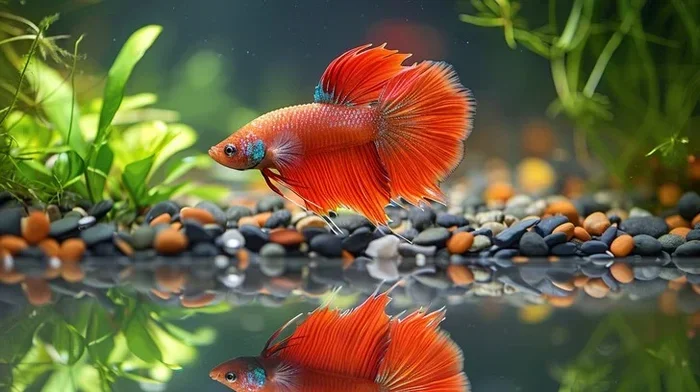
Learning how to care for a betta fish is easier than most people think. This complete guide covers everything from tank setup and water quality to feeding schedules and common health problems. Whether you are a beginner or a seasoned fish keeper, these tips will help your betta thrive for years to come.
Caring for a betta fish can feel overwhelming at first. There are so many things to think about. Tank size, water temperature, food, and tank mates all matter. But here is the good news. Once you understand the basics, betta fish care becomes second nature. This guide walks you through everything you need to know. We will keep it simple and practical. No fluff. No confusing jargon. Just clear advice that works.
Many people think betta fish are low-maintenance. They are not. Betta fish need proper care to stay healthy and colorful. A neglected betta will get sick. A well-cared-for betta can live five years or more. That is a big difference. The key is knowing what to do and when to do it. Let us dive right in.
Key Takeaways
- Tank Size Matters: A minimum 5-gallon tank gives your betta room to swim and stay healthy.
- Water Quality Is Critical: Regular water changes and proper conditioning keep your betta safe from toxins.
- Feed in Moderation: Overfeeding is one of the most common mistakes new betta owners make.
- Watch for Warning Signs: Early detection of diseases like ich and fin rot leads to better outcomes.
- Stable Environment Reduces Stress: Consistent temperature and gentle filtration create a happy home.
- Learn From Trusted Sources: Following reliable care guides ensures you give your betta the best life possible.
📑 Table of Contents
Understanding Your Betta Fish
Before you set up a tank, you need to understand what makes bettas tick. Betta fish, also known as Siamese fighting fish, are tropical freshwater fish. They originally come from the warm, slow-moving waters of Southeast Asia. This background shapes everything about how they live in captivity.
Betta fish lifespan depends heavily on their environment. In a small bowl with no filter, many bettas only live one to two years. In a proper 5-gallon tank with clean water and good food, they can live four to five years. Some even reach six years with excellent care. The difference is all about the setup and daily routine.
Bettas are also known for their long, flowing fins. These fins are beautiful but can be a sign of stress if they clump together. Healthy fins spread out and move gracefully. If you notice torn or frayed fins, that is a red flag. It usually means something in the tank needs fixing.
What Makes Bettas Different From Other Fish
Bettas have a special organ called the labyrinth. This lets them breathe air from the surface. That is why you will often see your betta swimming up and taking a gulp of air. It is completely normal. This adaptation also means bettas can survive in low-oxygen water better than many other fish. But do not mistake this for a reason to skip proper tank maintenance.
Bettas are also solitary by nature. They do not need tank mates. In fact, male bettas often fight each other. Female bettas can sometimes live together in groups called sororities, but that requires a larger tank and careful planning. For most beginners, keeping a single male betta is the best approach.
Setting Up the Perfect Betta Tank
A proper tank setup is the foundation of good betta fish care. Many people start with a tiny bowl. That is a common mistake. A small bowl limits your betta and makes it harder to maintain stable water conditions. A proper betta fish tank gives your fish room to explore and stay active.
Here is what you need for a great setup:
- Tank Size: At least 5 gallons. A 10-gallon tank is even better.
- Heater: Bettas need warm water between 76 and 82 degrees Fahrenheit.
- Filter: A gentle filter that does not create too much current. Bettas are not strong swimmers.
- Substrate: Smooth gravel or sand. Avoid rough substrates that can tear fins.
- Plants and Decorations: Live or silk plants provide hiding spots and reduce stress.
- Thermometer: To monitor water temperature daily.
Setting up a tank for a betta fish is not complicated. You just need the right equipment. For a detailed walkthrough, check out our guide on how to set up a fish tank for betta fish. It covers everything from choosing the right tank to cycling your filter before adding your fish.
Why Tank Size Really Matters
You might see tiny cups or bowls at the pet store. Those are not appropriate homes. A small container causes stress, poor water quality, and a shorter lifespan. A 5-gallon tank is the minimum standard recommended by most experts. The water volume dilutes toxins and keeps parameters stable. It also gives your betta space to swim, which is important for its physical and mental health.
Think of it this way. Would you want to live in a closet your whole life? Your betta feels the same way about a tiny bowl. Give it room. Your fish will be happier, more active, and more colorful.
Water Quality and Maintenance
Water quality is the single most important factor in how to care for a betta fish. Betta fish are sensitive to ammonia, nitrite, and nitrate. These toxins build up quickly in small tanks. Regular maintenance keeps them at bay.
Here is a simple water maintenance routine:
- Test your water weekly. Use a liquid test kit to check ammonia, nitrite, nitrate, and pH.
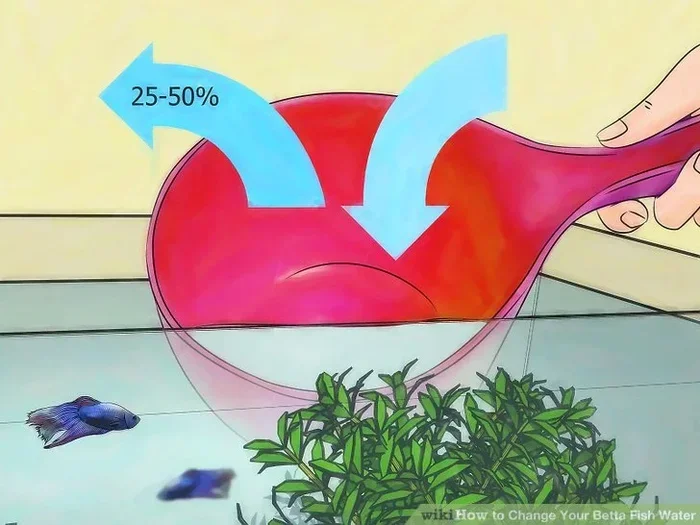
- Do a 25 to 30 percent water change every week. This removes built-up waste and refreshes the tank.
- Always treat new water with a conditioner. Tap water contains chlorine and chloramine that harm fish.
- Vacuum the substrate during water changes. This removes debris and excess food from the bottom.
- Clean the filter media monthly. Rinse it in old tank water, never tap water. This preserves beneficial bacteria.
If you are new to water changes, our article on how to do a water change for betta fish gives you a step-by-step breakdown. It makes the process easy even if you have never done it before.
How to Prepare Water for Your Betta
Preparing water correctly is a step many beginners skip. You cannot just fill a tank straight from the tap. Chlorine and chloramine in tap water will damage your betta’s gills and stress its immune system. Here is the right way to do it.
First, fill a clean bucket with tap water. Add a water conditioner like Seachem Prime or API Tap Water Conditioner. Follow the dosing instructions on the bottle. Let the water sit for a few minutes to reach room temperature. Then slowly add it to your tank. This simple process takes five minutes and protects your fish from harm.
For more details on this topic, our guide on how to prepare water for a betta fish covers water temperature, pH levels, and the best conditioners on the market.
Water Parameters at a Glance
| Parameter | Ideal Range | Acceptable Range |
|---|---|---|
| Temperature | 78-80°F | 76-82°F |
| pH | 6.5-7.5 | 6.0-8.0 |
| Ammonia | 0 ppm | 0 ppm |
| Nitrite | 0 ppm | 0 ppm |
| Nitrate | Under 20 ppm | Under 40 ppm |
Keeping these parameters stable is the key to a healthy betta. Fluctuations cause stress, and stress leads to disease. Invest in a good test kit and check your water regularly. It is the best habit you can build as a betta owner.
Feeding Your Betta Fish
Feeding your betta seems simple, but it is where many people go wrong. Overfeeding is the number one mistake new betta owners make. Betta fish have small stomachs. They should eat only what they can consume in two to three minutes, twice a day.
Here is what a good feeding routine looks like:
- High-quality betta pellets: These should be the staple of your betta’s diet. Look for pellets with whole ingredients and low filler.
- Frozen or live foods: Bloodworms, brine shrimp, and daphnia make great treats. Offer them two to three times a week.
- Variety matters: A varied diet keeps your betta healthy and enhances its colors.
- Fast days: Skip one feeding per week. This helps prevent constipation and bloating.
Never feed your betta flakes designed for tropical community fish. Bettas are carnivores. They need protein-rich food. Flakes also dissolve too quickly and cloud the water. Stick to pellets and occasional protein treats.
Common Feeding Mistakes to Avoid
Here are some mistakes that hurt betta health over time:
- Feeding too much: Uneaten food rots in the tank and spikes ammonia levels.
- Feeding too often: Twice a day is enough. More than that leads to obesity and digestive problems.
- Ignoring fasting days: Constipation is a common issue in bettas. Fasting helps prevent it.
- Only feeding one type of food: Variety supports better nutrition and immune function.
Watch your betta’s belly after feeding. It should be slightly rounded but not bloated. If the belly looks tight or the fish refuses food, skip the next meal and monitor the situation. A healthy appetite is one of the first signs of a healthy betta.
Common Health Issues and How to Prevent Them
Even with the best care, betta fish can get sick. Knowing the signs of common diseases helps you catch problems early. Early treatment almost always leads to better outcomes.
Ich (White Spot Disease)
Ich is one of the most common fish diseases. It shows up as tiny white spots on the body and fins. Your betta may scratch against decorations or seem lethargic. Ich is caused by a parasite that thrives in stressed fish with poor water conditions.
To treat ich, raise the water temperature slowly to 82 degrees Fahrenheit. Add aquarium salt to the tank. For detailed treatment steps, our guide on how to treat ich on a betta fish gives you a full treatment plan.
Fin Rot
Fin rot causes the edges of the fins to turn white, brown, or ragged. It is usually caused by poor water quality or bacterial infection. Regular water changes and a clean tank prevent most cases of fin rot. If you notice fin rot, improve your water maintenance and consider a broad-spectrum fish medication.
Stress and Its Effects
Stress weakens your betta’s immune system and makes it vulnerable to disease. Common causes of stress include:
- Tiny tanks or bowls
- Dirty water
- Sharp decorations that tear fins
- Strong filter currents
- Bright, flickering lights
- Aggressive tank mates
If you suspect your betta is stressed, check the water parameters first. Then look at the tank environment. Remove anything that could cause physical harm or constant disturbance. A calm, clean tank goes a long way toward keeping your betta healthy.
Keeping Your Betta Fish Happy and Healthy
Prevention is always better than cure. A happy betta is a healthy betta. Beyond water quality and feeding, there are several things you can do to improve your fish’s quality of life.
First, provide enrichment. Bettas are curious creatures. They enjoy exploring their environment. Add plants, caves, and smooth decorations. A betta fish bowl with a plant can look beautiful and give your fish places to hide and explore. Just make sure the bowl is at least 5 gallons and has a heater and filter.
Second, keep the lighting gentle. Bettas do not need bright lights. In fact, too much light can stress them and encourage algae growth. A standard aquarium light on a timer set to 8 to 10 hours per day is perfect.
Third, observe your fish daily. Spend a few minutes watching your betta each day. Notice its swimming patterns, appetite, and fin condition. Catching changes early makes a huge difference in treatment success.
Finally, do not be afraid to ask for help. Join online betta communities or consult experienced fish keepers. The more you learn about betta fish care, the better equipped you will be to handle challenges as they come.
Conclusion
Learning how to care for a betta fish does not have to be complicated. Start with a proper tank, maintain clean water, feed a quality diet, and watch for warning signs. These simple steps form the foundation of excellent betta care. Your fish will reward you with vibrant colors, active swimming, and years of companionship.
Remember that every betta is an individual. Some may need slightly different conditions than others. Pay attention to your fish’s behavior and adjust as needed. The effort you put in will pay off in a happy, healthy pet that brings joy to your home every day.
Take what you have learned from this guide and apply it today. Your betta fish deserves the best care you can provide. And with the right knowledge, giving that care is easier than you think.
Frequently Asked Questions
How long do betta fish live with proper care?
With proper care, betta fish typically live between three and five years. Some well-cared-for bettas have been known to reach six years or slightly more. The key factors that extend lifespan include a 5-gallon or larger tank, stable water parameters, a quality diet, and low-stress conditions. Neglected bettas in small bowls often live only one to two years.
Can betta fish live in a bowl without a filter?
Technically, bettas can survive in a bowl without a filter, but they will not thrive. Without filtration, toxins like ammonia build up quickly. This leads to stress, disease, and a shortened lifespan. A 5-gallon tank with a gentle filter is the minimum recommended setup for a healthy betta. The filter helps maintain clean water and supports beneficial bacteria that break down waste.
What is the best food for betta fish?
The best food for betta fish is a high-quality betta pellet that lists whole ingredients like fish meal, shrimp, or insects as the first ingredients. These pellets provide the protein-rich diet that bettas need. You can supplement with frozen or live foods like bloodworms and brine shrimp a few times a week. Avoid flakes made for community fish, as they lack the nutrition bettas require.
How often should I do a water change for my betta fish?
You should do a 25 to 30 percent water change every week for a betta fish tank. This removes accumulated nitrates, uneaten food, and waste. In a smaller tank under 5 gallons, you may need to do partial changes twice a week. Always use a water conditioner to remove chlorine and chloramine from tap water before adding it to the tank.
Why is my betta fish not eating?
A betta fish not eating can be a sign of several issues. Common causes include water quality problems, stress, low water temperature, or illness. First, check your water parameters and temperature. If those are stable, try offering a different type of food. If your betta still refuses food for more than two days, test the water again and look for other symptoms like clamped fins or lethargy. These could indicate a health problem that needs attention.
Can two male betta fish live together?
No, two male betta fish should never be kept together. They are called Siamese fighting fish for a reason. Males will aggressively fight each other, often resulting in injury or death. Female bettas can sometimes live together in groups, but this requires a larger tank of at least 10 gallons with plenty of hiding spots. For most hobbyists, keeping one male betta alone is the safest and most recommended approach.