Seeing a plump betta can be worrisome, but “fat” often signals water, diet, or health issues. This guide explains the top reasons your betta looks round, how to spot real obesity, and simple steps to restore a healthy shape. Act fast and keep your fish thriving!
Key Takeaways
- Fat vs. Bloated: A truly obese betta feels firm, while bloating feels soft and may indicate organ problems.
- Water quality matters: Poor parameters can cause swelling, constipation, or excess fat storage.
- Diet is key: Overfeeding, high‑fat foods, and lack of variety lead to weight gain.
- Health checks: Parasites, bacterial infections, and internal parasites often mimic “fat” appearance.
- Tank size & décor: Too small a space limits exercise, encouraging a round belly.
- Regular monitoring: Weekly weigh‑ins (using a small container) help catch problems early.
- Action plan: Adjust feeding, improve water, and treat illnesses to slim down a heavy betta.
📑 Table of Contents
Introduction
Imagine you’re watching your betta swim proudly, and suddenly its body looks more like a tiny balloon than a sleek fighter. You might wonder, “Why does my betta fish look fat?” It’s a common concern for both new and seasoned hobbyists. The good news is that most “fat” bettas aren’t doomed—they’re often giving you clues about water, diet, or health that you can easily fix.
In this article we’ll break down every possible reason a betta appears plump, show you how to tell the difference between harmless weight gain and serious swelling, and give you a step‑by‑step plan to get your fish back to a sleek, healthy look. Let’s dive in like a betta into a bubble nest!
1. Understanding the Difference: Fat vs. Bloated
What true “fat” looks like
A genuinely overweight betta will have a rounded, firm abdomen that feels like a small marble when you gently press the side of the tank. The fish’s scales may appear tighter, and its dorsal and caudal fins will still flare normally. This condition is usually caused by over‑feeding or a lack of exercise.
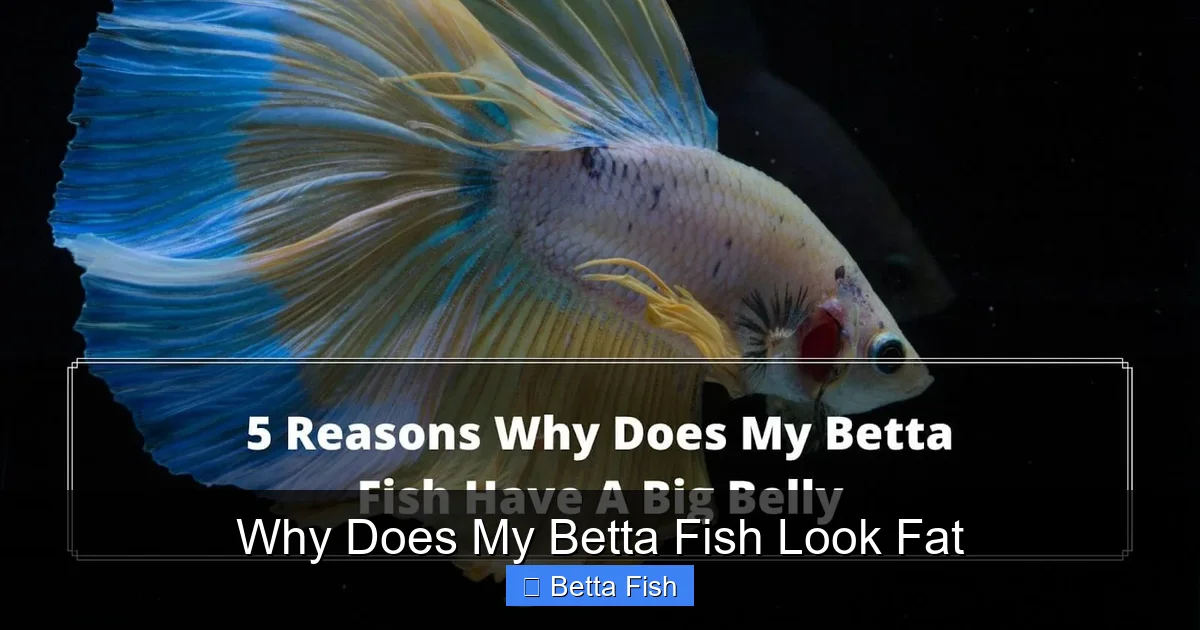
Visual guide about Why Does My Betta Fish Look Fat
Image source: inpetcare.com
What “bloated” really means
Bloated bettas have a soft, swollen belly that feels squishy. This is often a sign of internal issues such as constipation, dropsy, or a bacterial infection. For a deeper dive into bloating, check out our article on why does my betta fish look bloated.
Quick visual test
- Touch test: Gently press the side of the fish with a clean finger or a soft tool. Firm = likely fat; soft = likely bloated.
- Scale tension: Tight, glossy scales suggest good health; stretched, dull scales hint at swelling.
- Behavior check: An active betta that swims all over the tank is less likely to be seriously ill.
2. Feeding Habits That Add On the Pounds
Over‑feeding the easy way
Betta owners love to spoil their fish with treats. Feeding more than 2‑3% of the fish’s body weight per day can quickly add extra layers of fat. Remember, bettas have tiny stomachs—about the size of a pea. If you feed them more than they can digest in 2‑3 minutes, the leftovers rot and fuel fat storage.

Visual guide about Why Does My Betta Fish Look Fat
Image source: inpetcare.com
High‑fat foods and treats
Live or frozen foods like brine shrimp, bloodworms, and daphnia are nutritious, but they’re also high in fat. Giving these treats daily can tip the balance. Use them as occasional rewards, not staples.
Balanced diet for a trim betta
- Offer a high‑quality betta pellet or flake twice daily, 2‑3 pellets per feeding.
- Include a weekly frozen or live treat (no more than 2‑3 pieces).
- Fast your betta 1‑2 days per week to clear the gut.
Feeding schedule example
Morning: 2 small pellets. Evening: 2 small pellets. Friday night: 3 frozen brine shrimp as a treat. Saturday: No feeding (fast).
3. Water Quality: The Silent Weight Gainer
Why water matters for body shape
Betta fish are highly sensitive to ammonia, nitrite, and nitrate spikes. Poor water can stress the fish, slow metabolism, and cause fluid retention that looks like extra weight.
Key parameters to monitor
- Ammonia: 0 ppm (any detectable level is bad).
- Nitrite: 0 ppm.
- Nitrate: Below 20 ppm.
- pH: 6.5‑7.5, stable.
- Temperature: 76‑82°F (24‑28°C).
Regular water changes
Swap 25‑30% of the tank water every week. Use a water conditioner to neutralize chlorine and chloramines. A clean tank not only keeps the fish healthy but also encourages swimming, which burns excess calories.
4. Health Issues That Mimic Fatness
Constipation and impaction
When a betta can’t pass waste, the gut expands and looks plump. This often follows over‑feeding or a diet heavy in dry pellets. The fish may also appear less active and have a reduced appetite.
Internal parasites
Protozoan or fluke infections can cause the abdomen to swell. Look for a “gasping” motion at the water surface and a loss of appetite.
Bacterial infections and dropsy
Dropsy is a severe condition where fluid builds up behind the scales, giving a “pinecone” appearance. The skin may look stretched and the eyes may bulge. This is an emergency—consult a vet or a specialist immediately.
When to seek professional help
If the fish is not eating, shows lethargy, or the swelling is soft and rapid, it’s time to treat. For a deeper look at possible infections, read our guide on why did my betta fish die so fast.
5. Tank Size, Decoration, and Exercise
Why a cramped tank adds pounds
Betta fish love to explore vertically and horizontally. A 2‑gal bowl limits movement, leading to a sedentary lifestyle and weight gain. Upgrade to at least a 5‑gallon tank with a lid.
Creating a swim‑friendly environment
- Add vertical plants or silk leaves for the betta to rest on.
- Include a few smooth rocks or driftwood for hiding spots.
- Maintain open swimming space—avoid overcrowding.
Encouraging exercise
Play a gentle current using a low‑flow sponge filter or a small air stone placed far from the betta’s favorite perch. This encourages the fish to swim against the flow, burning calories.
6. Step‑by‑Step Action Plan to Slim Down a “Fat” Betta
Step 1: Assess and record
Take a clear photo of your betta from the side. Note the date, water parameters, and feeding routine.
Step 2: Adjust feeding
Switch to a high‑protein, low‑fat pellet. Reduce portions to 2 pellets twice daily for 7‑10 days.
Step 3: Perform a water change
Replace 30% of the water with dechlorinated, temperature‑matched water. Test parameters after the change.
Step 4: Add a fasting day
Skip feeding for 24‑48 hours. This helps clear the gut and reduces internal pressure.
Step 5: Introduce gentle exercise
Place a small air stone on the opposite side of the tank. Let the betta chase the bubbles for 5‑10 minutes twice a day.
Step 6: Monitor progress
Re‑measure the belly every 3 days. If the fish looks firmer and slimmer, continue the routine. If not, consider a health check for parasites or infection.
Conclusion
Seeing a round belly on your betta can be alarming, but it’s often a solvable puzzle. By distinguishing true fat from bloating, fine‑tuning diet, keeping the water pristine, and providing enough space to swim, you give your fish the best chance to shed excess weight and stay vibrant. Remember, a healthy betta is an active betta—so keep the tank clean, feed wisely, and watch those graceful fins glide across the water. Your betta will thank you with dazzling colors and a lively personality for years to come.
Frequently Asked Questions
Why does my betta fish look fat but still swim actively?
Active swimming suggests the “fat” appearance is likely due to over‑feeding rather than a serious illness. Adjust the diet and monitor water quality.
Can a bloated betta be mistaken for a fat betta?
Yes. Bloated bettas have a soft, squishy belly, while a truly fat betta’s abdomen feels firm. Check the texture and look for other signs like lethargy.
How often should I feed my betta to avoid weight gain?
Feed 2‑3 small pellets twice a day, no more than what fits in the fish’s mouth. Include a fasting day once a week.
What water parameters are most important for preventing a “fat” betta?
Keep ammonia and nitrite at 0 ppm, nitrates below 20 ppm, pH stable between 6.5‑7.5, and temperature between 76‑82°F.
Should I give my betta any exercise?
Yes. A gentle current from a low‑flow filter or air stone encourages swimming, which helps burn excess calories.
When is it time to see a vet for a “fat” betta?
If the belly is soft, the fish stops eating, shows lethargy, or the swelling worsens quickly, seek professional help immediately.

